

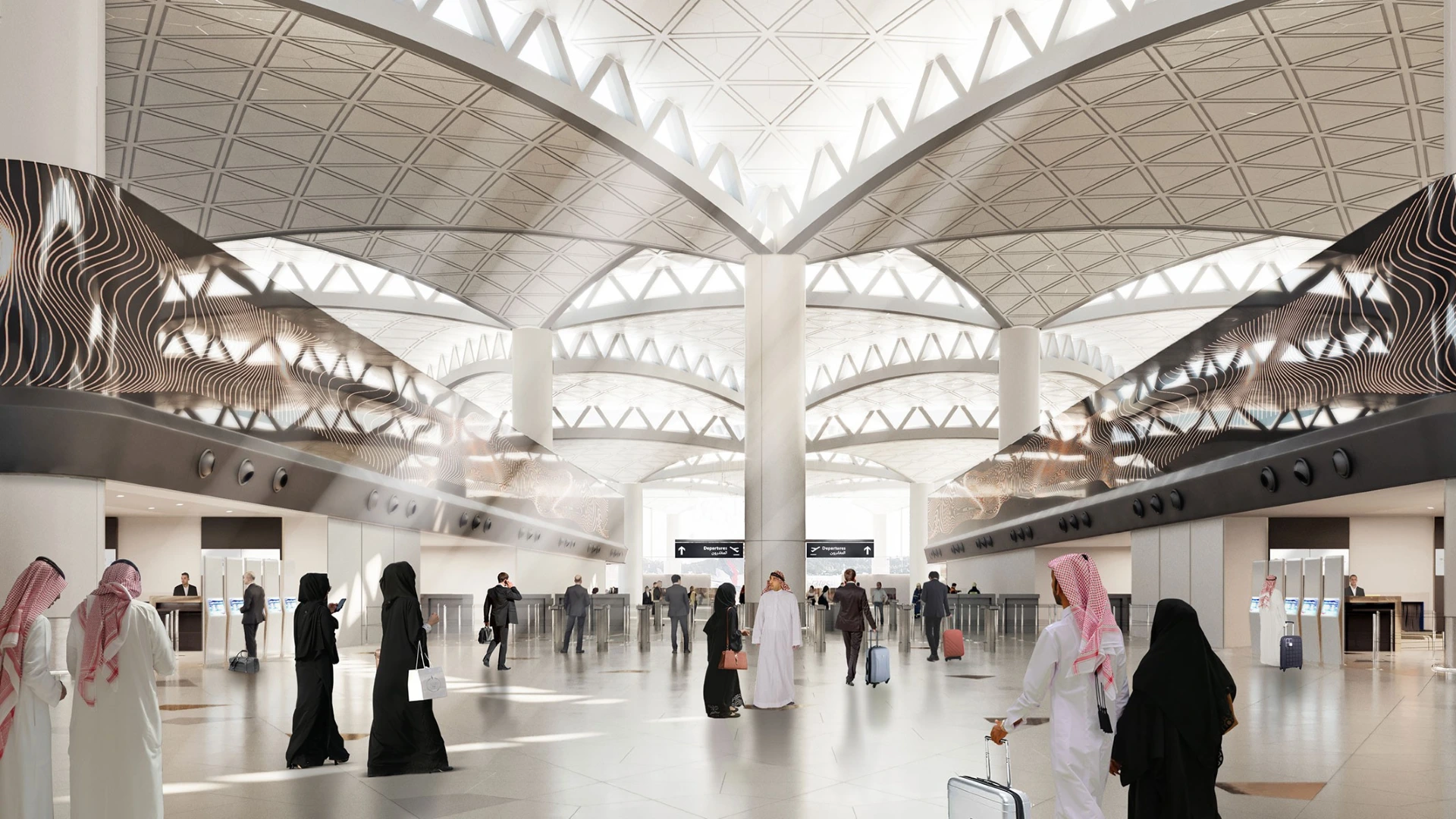
The aviation industry continues to evolve rapidly, with airports around the globe investing billions in smarter infrastructure, sustainable operations, and better passenger experiences.
While mega hubs handling over 70 or 80 million travellers often dominate headlines, airports welcoming between 30 million and 40 million passengers annually play an equally important role in international aviation. These facilities balance substantial traffic volumes with efficient operations, modern terminals, and personalised customer service that often leads to exceptionally high passenger satisfaction.
The Skytrax World Airport Awards 2026 recognise airports that excel in areas such as cleanliness, terminal comfort, staff professionalism, security screening, shopping, dining, accessibility, and overall traveller experience.
The airports featured in this ranking span Europe, Asia, the Middle East, North America, and Oceania, highlighting excellence across multiple regions.
Top 10 Best Airports Handling 30 to 40 Million Passengers
From cutting-edge Middle Eastern hubs to historic European gateways and modern Asian terminals, these are the top 10 best airports in the world handling between 30 and 40 million passengers in 2026.
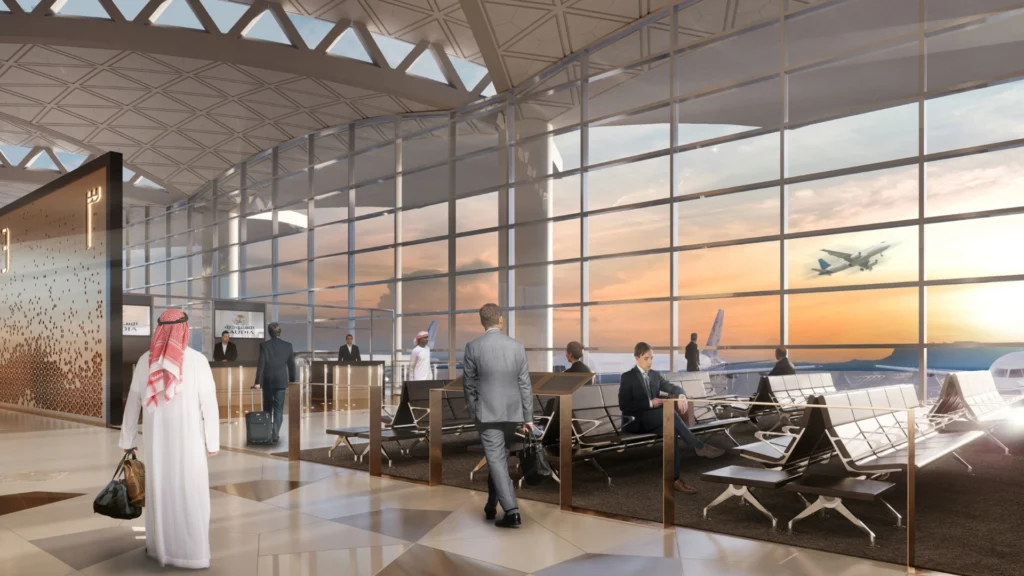
1. King Khalid International Airport, Riyadh (Saudi Arabia)
Riyadh takes the top spot in this category thanks to significant investments that have transformed it into one of the Middle East’s premier aviation hubs.
The airport combines spacious terminals with efficient passenger processing and modern amenities that appeal to both business and leisure travellers. Recent upgrades have improved security screening, baggage handling, and digital services, reducing waiting times while increasing overall convenience.
Visitors frequently praise the airport’s cleanliness, welcoming atmosphere, and courteous staff. Premium lounges, expanding retail offerings, and diverse dining choices further enhance the experience.
As Saudi Arabia continues developing its tourism and aviation sectors, Riyadh has become a showcase for the country’s ambitions and commitment to world-class infrastructure.

2. Vienna International Airport (Austria)
Vienna International Airport secures second place through its outstanding combination of efficiency, elegance, and reliability.
Serving as one of Central Europe’s most important gateways, the airport is renowned for its easy navigation and well-organised terminals. Security procedures are typically swift, while baggage delivery and passenger services operate with impressive consistency.
Travellers appreciate the airport’s relaxed atmosphere, high standards of cleanliness, and excellent selection of cafés, restaurants, and shopping outlets. Staff members are often recognised for their professionalism and multilingual assistance.
Excellent rail links to Vienna’s city centre further strengthen its appeal for international visitors.

3. Zurich Airport (Switzerland)
Zurich Airport ranks third and continues to exemplify Swiss precision and operational excellence.
Widely recognised for punctuality and efficiency, the airport offers passengers a seamless journey from check-in to boarding. Modern architecture, spacious waiting areas, and intuitive signage simplify navigation throughout the terminals.
Retail outlets include luxury brands alongside Swiss speciality shops, while restaurants cater to a broad range of tastes. Customer service teams maintain consistently high standards, helping create a calm and organised environment.
Its excellent public transport connections and commitment to sustainability add to Zurich’s reputation as one of Europe’s leading airports.

4. Melbourne Airport (Australia)
Melbourne Airport claims fourth place and remains one of Australia’s busiest and most respected aviation hubs.
Serving millions of domestic and international travellers annually, the airport has invested heavily in upgrading terminals and expanding passenger facilities. Modern lounges, improved dining options, and enhanced retail experiences contribute to high satisfaction levels.
Visitors regularly praise the professionalism of airport staff and the smooth processing through security and immigration. Efficient transport links connect the airport with Melbourne’s city centre and surrounding regions.
Melbourne’s ongoing infrastructure projects position it well for continued growth in international travel.
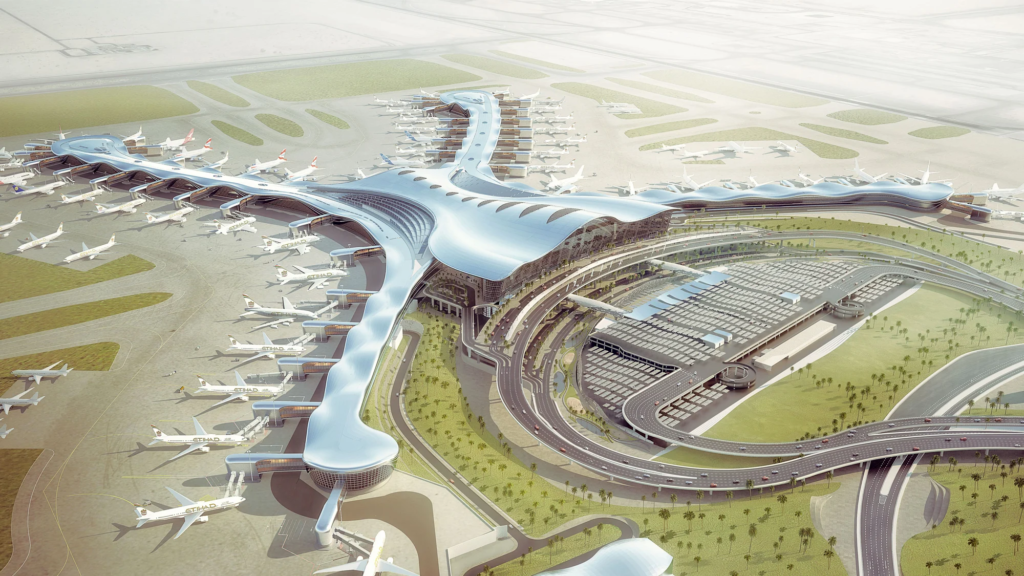
5. Zayed International Airport, Abu Dhabi (United Arab Emirates)
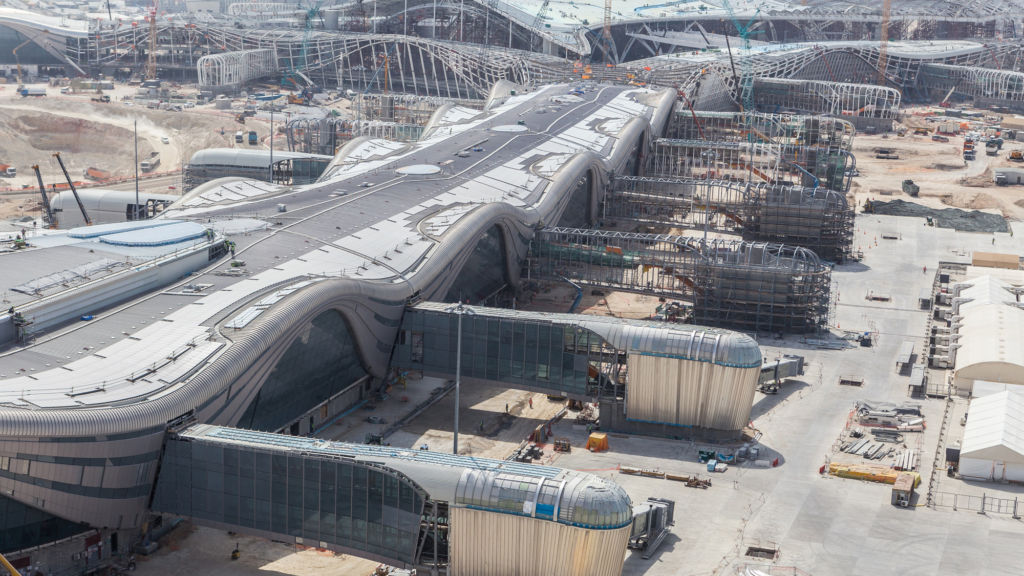
Abu Dhabi secures fifth place with one of the region’s most modern airport experiences.
The airport combines striking architecture with advanced technology, spacious interiors, and premium passenger amenities. Large waiting areas, high-end shopping, luxury lounges, and excellent dining options create a comfortable environment for long-haul travellers.
Staff members consistently receive favourable reviews for hospitality and multilingual assistance, while digital innovations help streamline check-in and boarding.
Its strategic position connecting Europe, Asia, Africa, and Oceania makes Abu Dhabi an increasingly important global aviation hub.
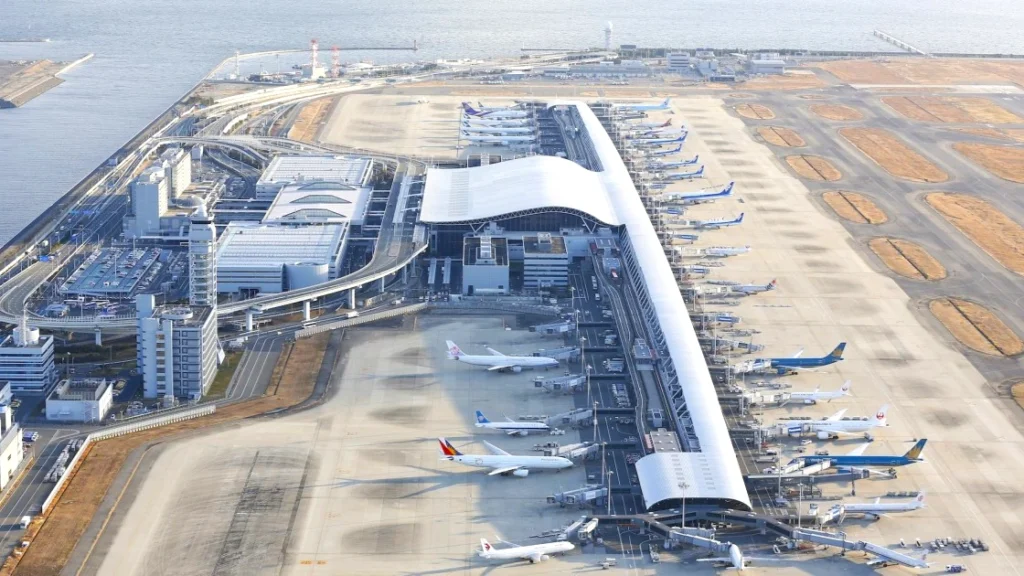
6. Kansai International Airport (Japan)
Built on an artificial island in Osaka Bay, Kansai International Airport ranks sixth and continues earning praise for operational reliability and passenger comfort.
The airport serves western Japan and offers efficient transfers, clean terminals, and excellent customer service. Travellers appreciate its organised layout and comprehensive signage, which make navigation straightforward even for first-time visitors.
Dining facilities showcase regional Japanese cuisine alongside international favourites, while shopping areas feature local products and premium brands.
Kansai’s reputation for punctuality and hospitality reflects the broader strengths of Japan’s aviation sector.
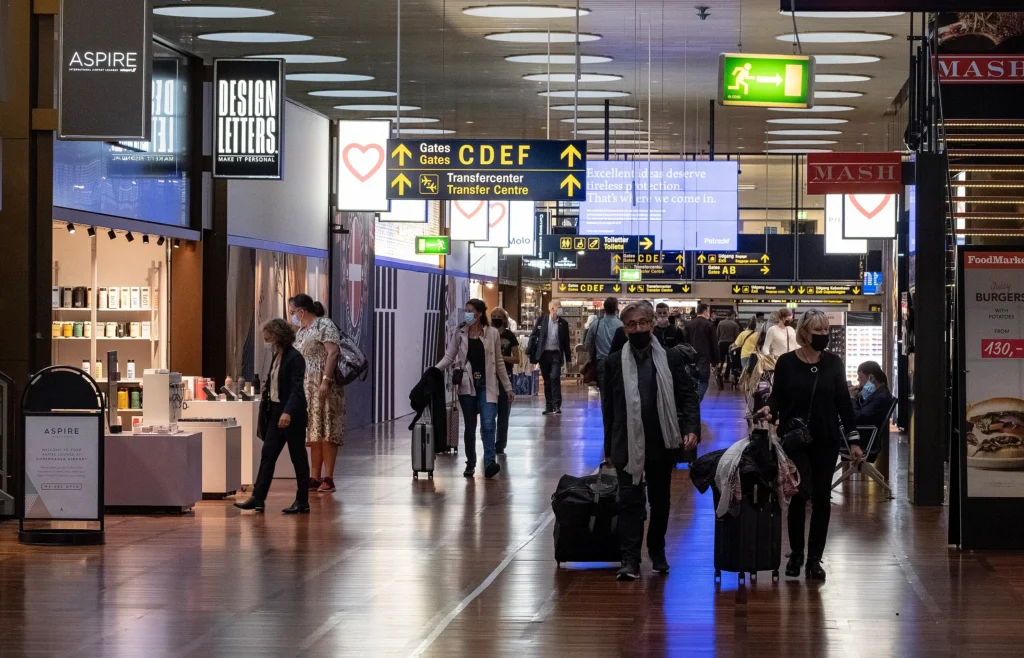
7. Copenhagen Airport (Denmark)
Copenhagen Airport takes seventh place and remains Scandinavia’s busiest aviation gateway.
Known for its stylish Nordic design, the airport creates a welcoming atmosphere through bright interiors, comfortable seating areas, and thoughtfully planned public spaces. Security and immigration procedures are generally efficient, reducing unnecessary delays.
Passengers enjoy an excellent mix of restaurants, cafés, duty-free shopping, and premium lounges. Sustainability initiatives, including energy-efficient infrastructure and environmental programmes, also distinguish Copenhagen from many competitors.
Friendly staff and convenient transport links contribute to consistently positive traveller experiences.
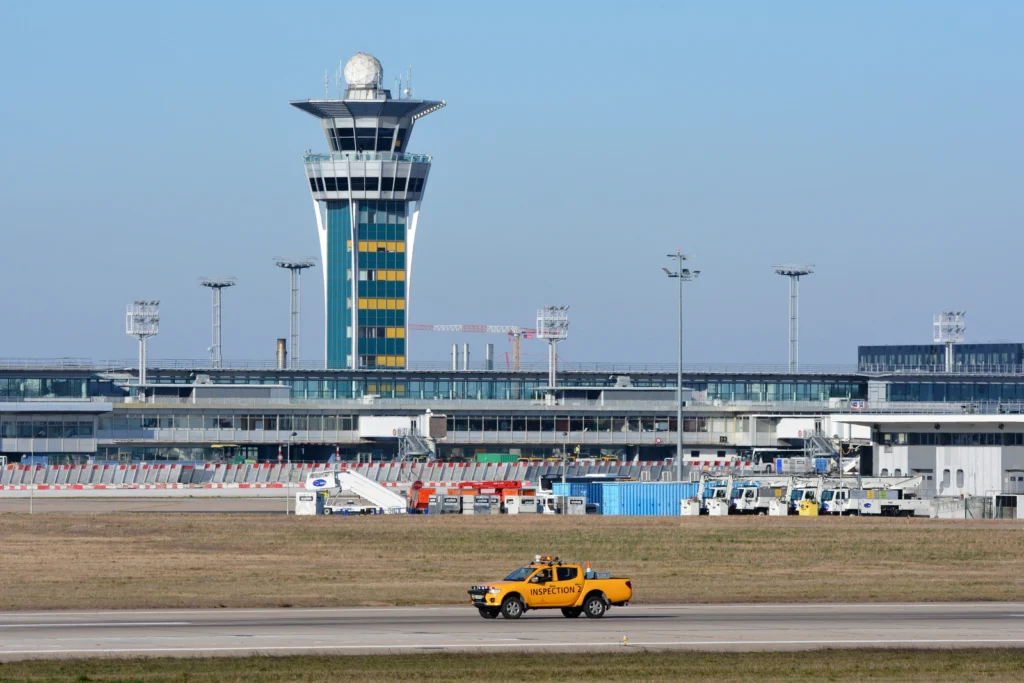
8. Paris Orly Airport (France)
Paris Orly ranks eighth and continues serving as a major gateway for domestic and international flights.
Recent redevelopment projects have modernised terminals while improving passenger flow and accessibility. Bright interiors, upgraded seating areas, expanded retail options, and new dining concepts have significantly enhanced the travel experience.
Travellers often note the professionalism of airport employees and the ease of moving through security checkpoints. Convenient transport connections to central Paris make Orly an attractive alternative to larger hubs.
Its ongoing transformation has strengthened its standing among Europe’s best mid-sized international airports.
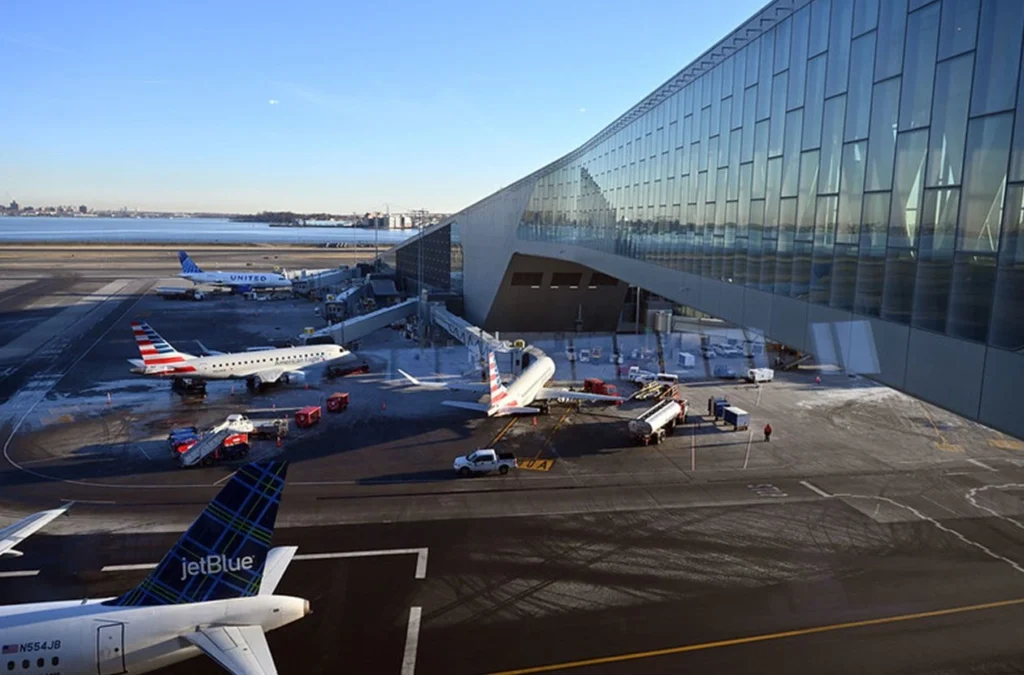
9. New York LaGuardia Airport (United States)
LaGuardia claims ninth place after one of the most remarkable airport transformations in recent years.
Extensive redevelopment has replaced outdated facilities with modern terminals featuring spacious interiors, improved technology, premium lounges, and high-quality restaurants. Passenger satisfaction has risen significantly following these upgrades.
Travellers frequently praise the airport’s cleanliness, efficient operations, and attractive architecture. Customer service initiatives have also enhanced the overall experience despite the airport’s busy schedule.
LaGuardia now stands as a model for successful airport modernisation in North America.
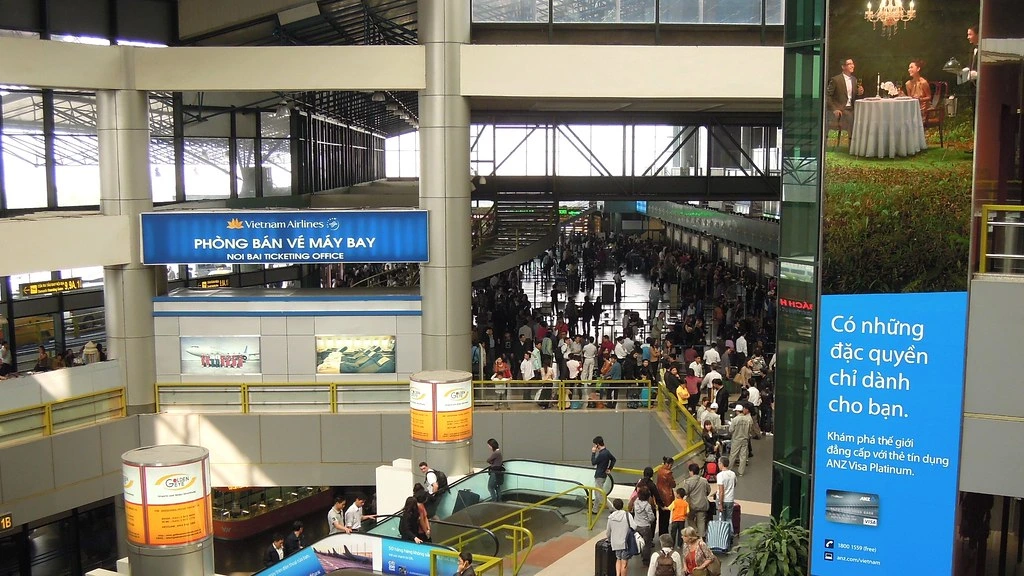
10. Noi Bai International Airport, Hanoi (Vietnam)
Hanoi’s Noi Bai International Airport rounds out the top ten and continues strengthening its reputation as one of Southeast Asia’s rising aviation hubs.
The airport offers efficient facilities for both domestic and international travellers, with modern terminals, improved technology, and expanding passenger amenities. Visitors appreciate the clean environment and courteous staff who assist travellers throughout their journeys.
Retail shops, cafés, and local dining options provide a pleasant introduction to Vietnamese culture, while improved transport links make access to Hanoi increasingly convenient.
As Vietnam’s tourism sector grows, Noi Bai continues investing in infrastructure that supports both efficiency and customer satisfaction.
Why These Airports Stand Out
Airports handling between 30 and 40 million passengers annually often achieve an ideal balance between capacity and convenience. Their strongest characteristics include:
- Efficient security and immigration procedures.
- Clean, well-maintained terminals.
- Comfortable waiting areas and premium lounges.
- Diverse shopping and dining options.
- Helpful multilingual customer service staff.
- Reliable baggage handling.
- Clear signage and intuitive layouts.
- Strong transport connections.
- Continuous investment in digital technologies.
- Commitment to sustainability and innovation.
These factors combine to create enjoyable experiences for millions of travellers each year.

Key Trends Among the 2026 Leaders
- Passenger-first design – Many airports have redesigned terminals to improve navigation, reduce congestion, and provide more relaxing environments.
- Technology integration – Self-service kiosks, biometric systems, and digital boarding processes continue reducing waiting times while improving efficiency.
- Sustainability initiatives – Environmental responsibility has become a major priority, with airports adopting energy-efficient buildings and greener operational practices.
- Focus on hospitality – Beyond infrastructure, many leading airports invest heavily in staff training, recognising that customer service remains a defining factor in passenger satisfaction.
Looking to the Future
The airports in this category are expected to continue expanding while embracing artificial intelligence, predictive maintenance systems, contactless processing, and environmentally friendly technologies.
As international travel rebounds and demand increases, maintaining service quality alongside capacity growth will remain a key challenge. The airports featured here have demonstrated their ability to adapt while continuing to prioritise passenger comfort and operational excellence.
Bottom Line
The world’s best airports handling between 30 and 40 million passengers in 2026 prove that outstanding travel experiences are built through careful planning, continuous investment, and exceptional customer service
Together, they showcase how airports across different continents are redefining global travel through innovation, reliability, and passenger-focused excellence.
FAQs
King Khalid International Airport in Riyadh tops the Skytrax 2026 rankings for airports handling between 30 million and 40 million passengers annually.
Grouping airports by annual traffic allows fair comparisons between facilities facing similar operational demands and traveller volumes.
The ranking includes airports from the Middle East, Europe, Asia, North America, and Australia, reflecting a broad geographical spread.
Stay tuned with us. Further, follow us on social media for the latest updates.
Join us on Telegram Group for the Latest Aviation Updates. Subsequently, follow us on Google News
