

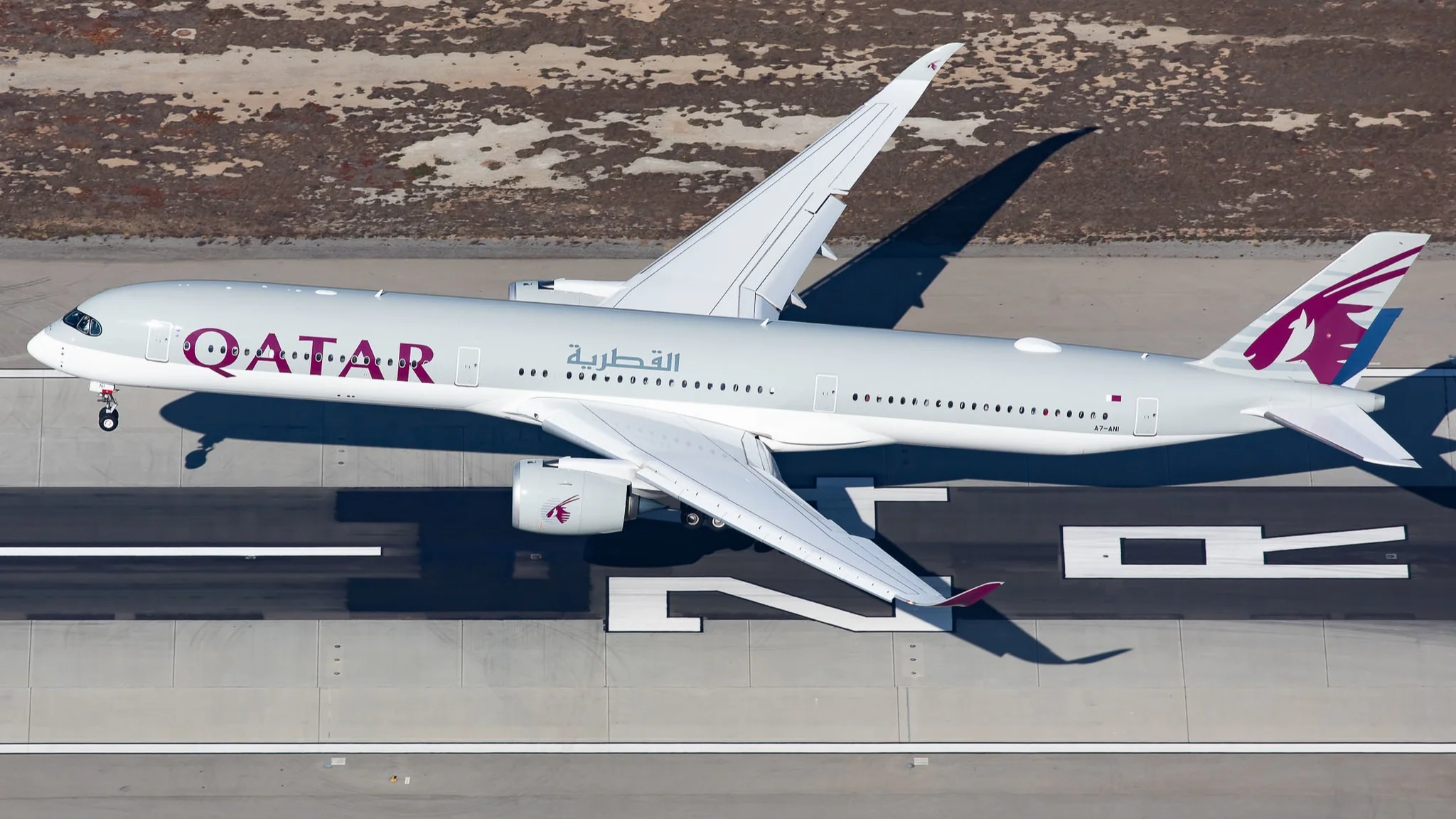
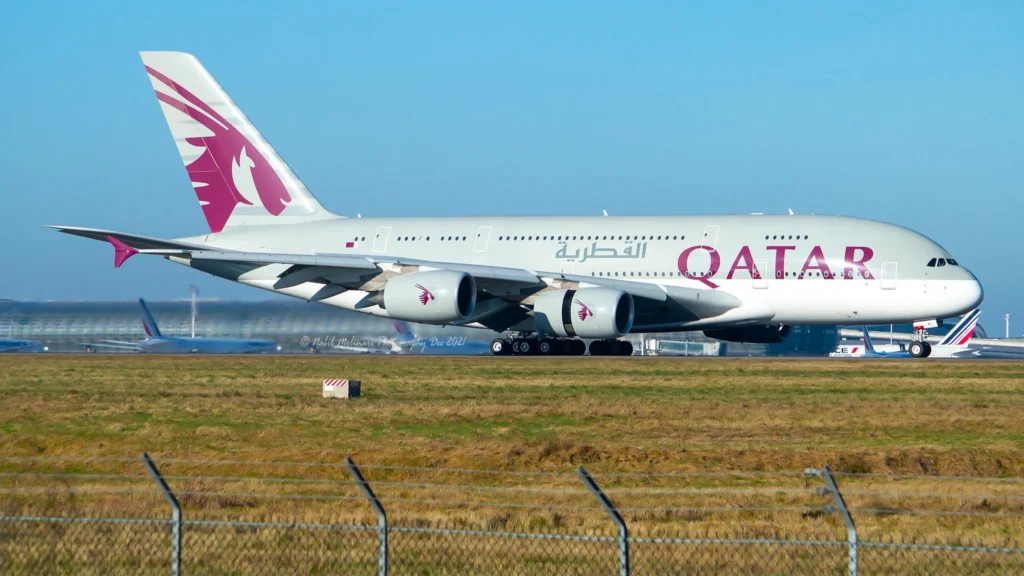
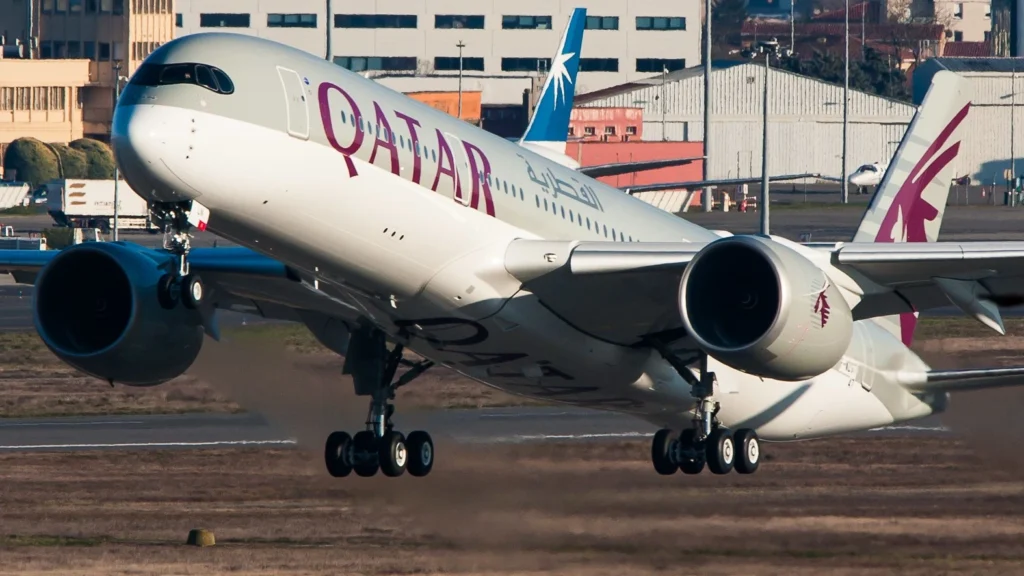
DOHA- Qatar Airways (QR) is facing what cabin crew describes as its first-ever mass “sickout,” after frustration over a cancelled annual bonus reached a breaking point. The reported action has affected operations at the airline’s main hub, Hamad International Airport (DOH).
The protest comes despite the state-owned carrier posting a strong annual profit, while rival Emirates (EK) in Dubai (DXB) paid its staff a large bonus over the same period. Worker organizing carries a serious risk in Qatar, where unions, strikes, and protests are all banned.
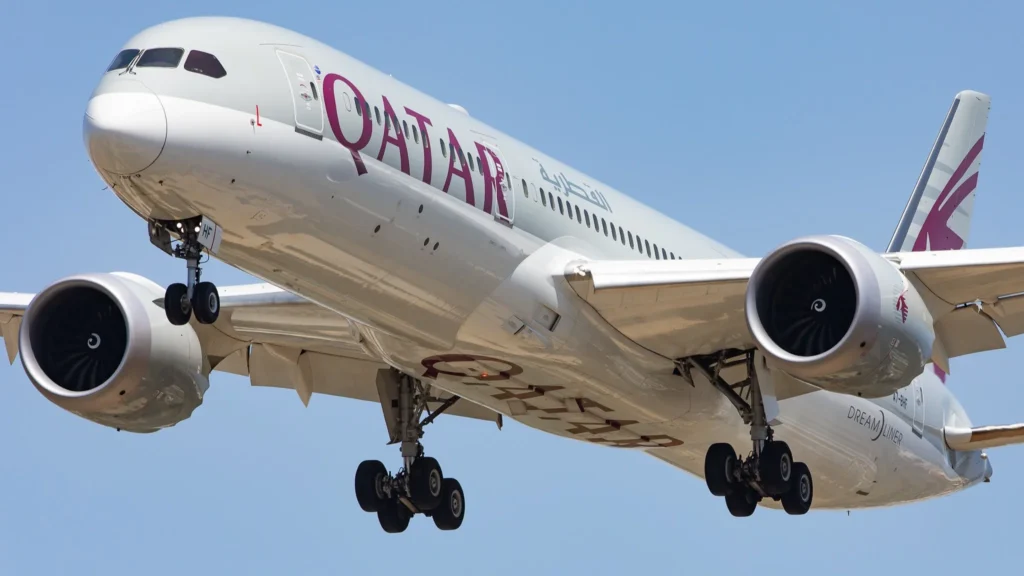
Why Qatar Airways Crew Are Walking Off Sick
According to A Fly Guy’s Cabin Crew Lounge, the largest cabin crew Facebook page in the world, flight attendants at Qatar Airways are taking part in their first-ever sickout.
The action is a protest against working conditions and the airline’s decision to scrap a profit-sharing bonus.
Anger has been building since late May 2026. The airline told staff in an internal memo that it would not pay a profit-sharing bonus this year, even though the Qatar Airways Group posted a net profit of QR 7.08 billion (close to US $2 billion) for the 2025-2026 financial year.
Management explained that the carrier was still heavily affected by the recent crisis in the Persian Gulf. After grounding flights for several weeks at the end of February, the airline said it needed to protect long-term stability by holding back the payments.
The contrast with Emirates has sharpened the frustration. The Dubai carrier paid staff a bonus worth around 20 weeks of basic pay, despite facing the same fallout from the joint U.S. and Israeli military campaign on Iran and the resulting airspace disruptions, PYOK reported.
Lower Pay and a Shrinking Schedule
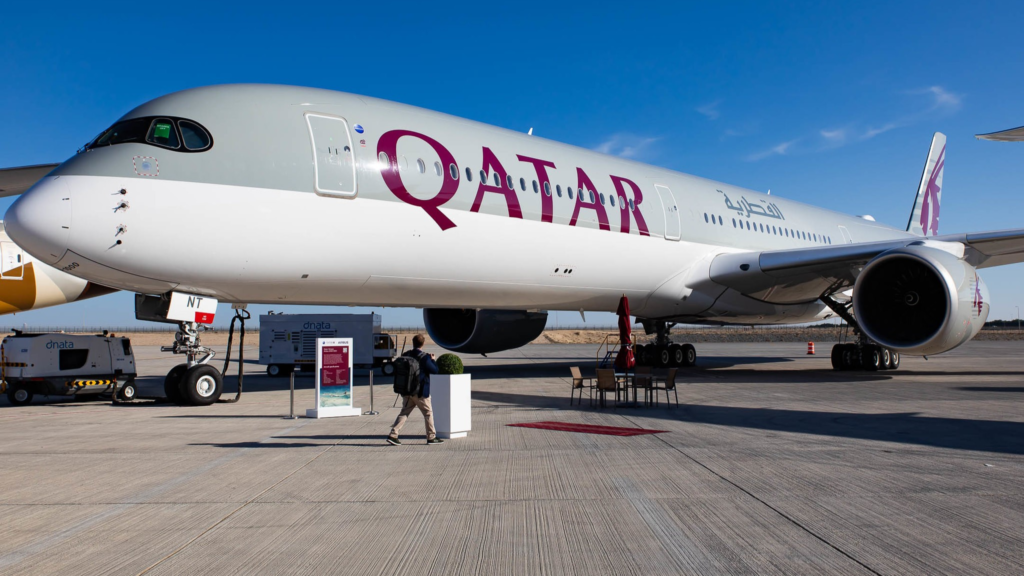
Qatar Airways is still rebuilding its route network and is operating at around 55% of its pre-conflict schedule. This directly hits crew earnings, because cabin crew wages are partly made up of flying allowances and layover per diems. Fewer flights mean less pay.
Crew accounts also point to longer-running pay concerns. According to staff complaints to Aviation A2Z, basic salary and hourly flight pay have seen little meaningful increase for years, while layover meal allowances sit at roughly half their pre-COVID levels.
Crew says they are absorbing higher living and food costs even as the airline reports strong financial results.
The Overtime and Bonus Dispute
Crew complaints describe a two-step loss of earnings. The airline previously paid double the hourly rate for flying beyond 1,000 hours per year. Many crew regularly fly more than 1,100 hours annually, so the scheme formed a real part of their income.
That overtime pay was removed last year and replaced with a discretionary annual bonus. This year, that replacement bonus was also cancelled, with management again pointing to the regional conflict.
As a result, staff say they have lost both the contractual overtime pay and the bonus meant to replace it.
Accommodation Rules That Crew Call Restrictive
Around 90% of the crew live in company accommodation, and staff describe a tap-in and tap-out system inside their own residences.
During the mandatory nine-hour minimum rest period, crew members say they may leave only twice for a combined total of 90 minutes. During home standby, which can last up to eight hours, they report being unable to leave at all.
Crew can move out of company housing, but staff says this is permitted only for married employees. Even then, the housing allowance remains 1,200 QAR per month, an amount crew say has not increased in about 12 years and would not cover a basic studio apartment in Doha today.
A Country Where Protest Is Banned
The legal backdrop makes the action significant. Employee unions are banned in Qatar, strike action is illegal, and protests of any kind are prohibited.
Qatar only ended its controversial Kafala system in 2018, under which expat workers needed their employer’s permission to leave the country.
While some labor reforms have followed, the environment for foreign workers remains very different from Europe, Canada, or the United States. It is unclear what consequences, if any, the participating crew may face.

Leadership Changes and Cultural Shifts
Working conditions at Qatar Airways have long drawn scrutiny. Under former chief executive Akbar Al Baker, the airline enforced strict curfews and banned crew from social media, attracting criticism from human rights organizations.
That changed in 2023, when Badr Al Meer took over and promised a culture of trust and empowerment. The nighttime curfew was softened, and the crew was encouraged to post on social media.
Al Meer’s tenure was short. In December 2025, Hamad Ali Al-Khater, the former Chief Operating Officer of Hamad International Airport, replaced him as Group CEO. No reason for the change has been made public, and it is not yet clear whether the new leadership will continue or reverse the earlier welfare reforms.
Flight tracking data points to disruption rather than a full shutdown. Flightradar24 data showed around 130 flights delayed departing Doha Hamad International Airport on Monday, with no cancellations recorded. The Flighty tracking app also flagged minor issues for departing flights at the hub.
Stay tuned with us. Further, follow us on social media for the latest updates.
Join us on Telegram Group for the Latest Aviation Updates. Subsequently, follow us on Google News
