

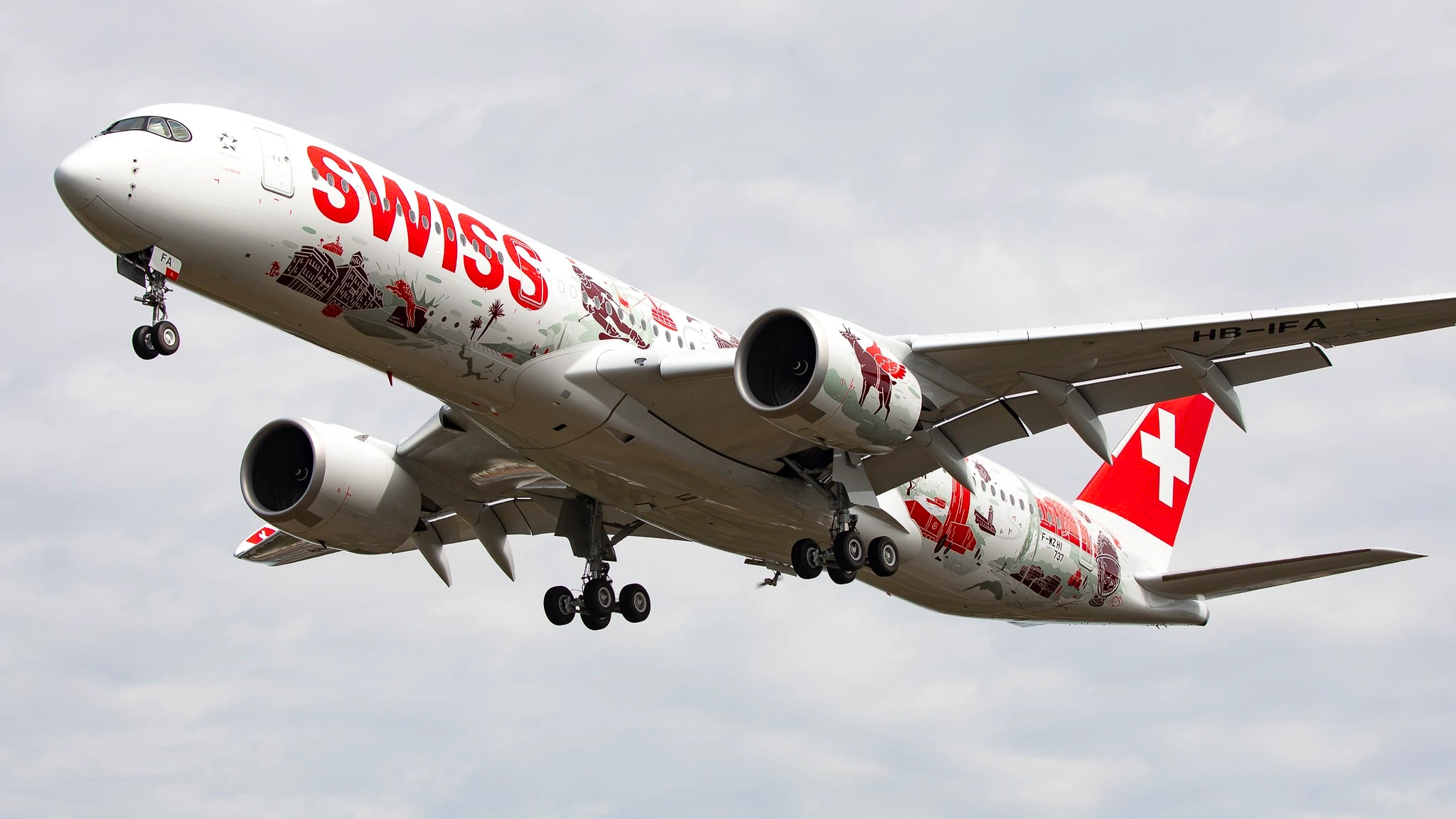
ZURICH- Swiss International Air Lines (LX) has launched Airbus A350 service on the Seoul (ICN) route, making South Korea the first Asian destination to receive the carrier’s newest aircraft and its redesigned premium cabin product.
The fully booked inaugural flight arrived in Seoul on Monday morning, with the airline’s chief commercial officer, Heike Birlenbach, on board to mark the occasion and speak to media about the route’s strategic importance, The Korean Herald reported.
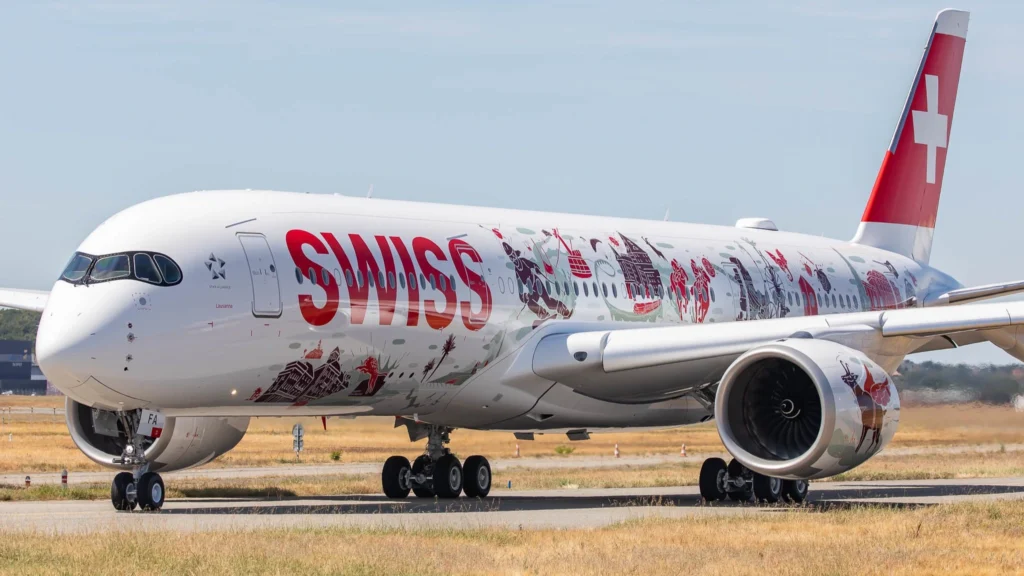
SWISS Deployed A350 to Seoul
Korea’s selection as the launch market was driven by two factors: the route’s long-haul profile, which suits the A350’s performance characteristics, and the strength of bilateral travel demand.
Birlenbach noted that Korean outbound tourism to Switzerland has grown steadily, while Swiss and European travelers continue to show strong interest in visiting Korea.
SWISS (LX) operates the Seoul Incheon (ICN) to Zurich (ZRH) route as part of the wider Lufthansa Group network, which already connects Incheon (ICN) with Frankfurt (FRA) via Lufthansa (LH) and Munich (MUC) via Lufthansa (LH). The Zurich connection completes a three-city European triangle for Korean travelers.
The airline confirmed there is limited room to add further Seoul frequencies this year, citing full capacity across its current fleet. However, future A350 deliveries are expected to be directed toward Asian markets.
“Once we can grow more and get more aircraft, there will be more A350s coming in, and we would like to complement the services and have higher frequencies, for example, also to Korea,” Birlenbach said.
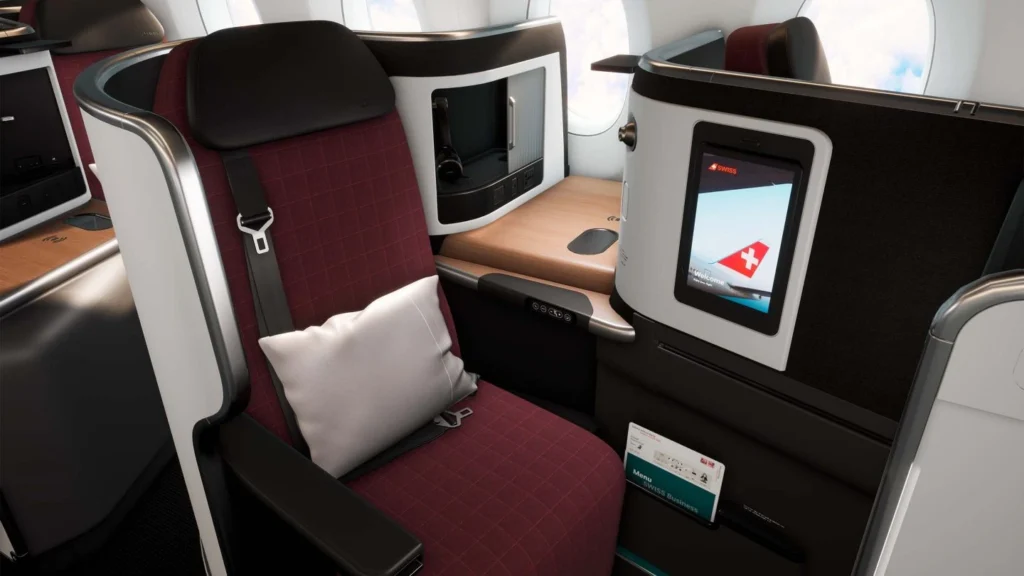
SWISS Senses: A New Cabin Philosophy Across All Classes
The new aircraft introduces SWISS Senses, a hospitality concept designed to engage all five senses throughout the flight. The experience includes circadian lighting to reduce jet lag, an alpine fragrance in the cabin, locally inspired cuisine, and curated premium amenity kits.
Birlenbach emphasized that the concept extends beyond physical upgrades. “It’s not only the hardware. It’s the connection to hospitality, to training, to the way our flight attendants connect with customers,” she said.
The redesigned interior spans all four cabin classes.
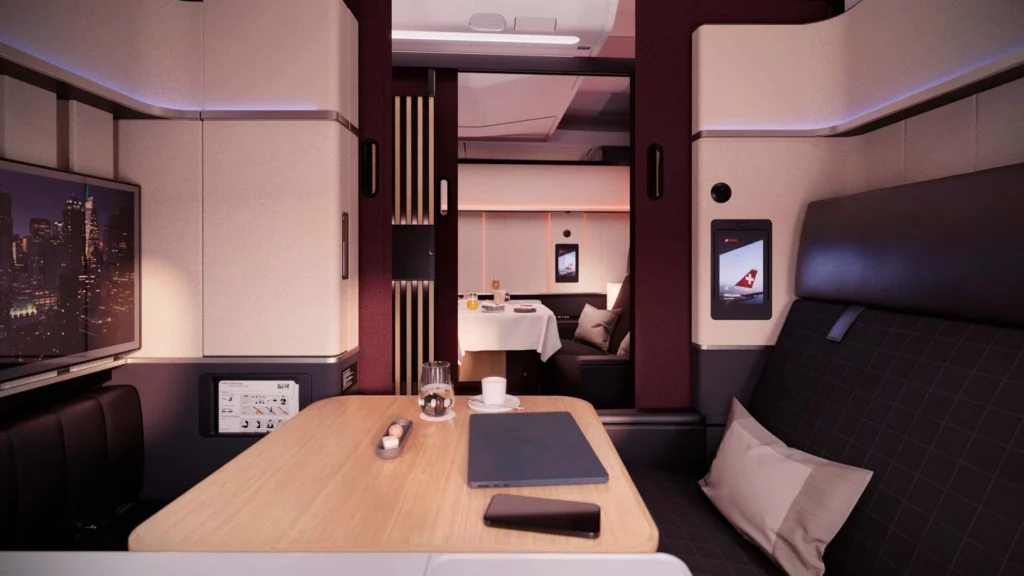
First class offers two suite configurations for maximum privacy.
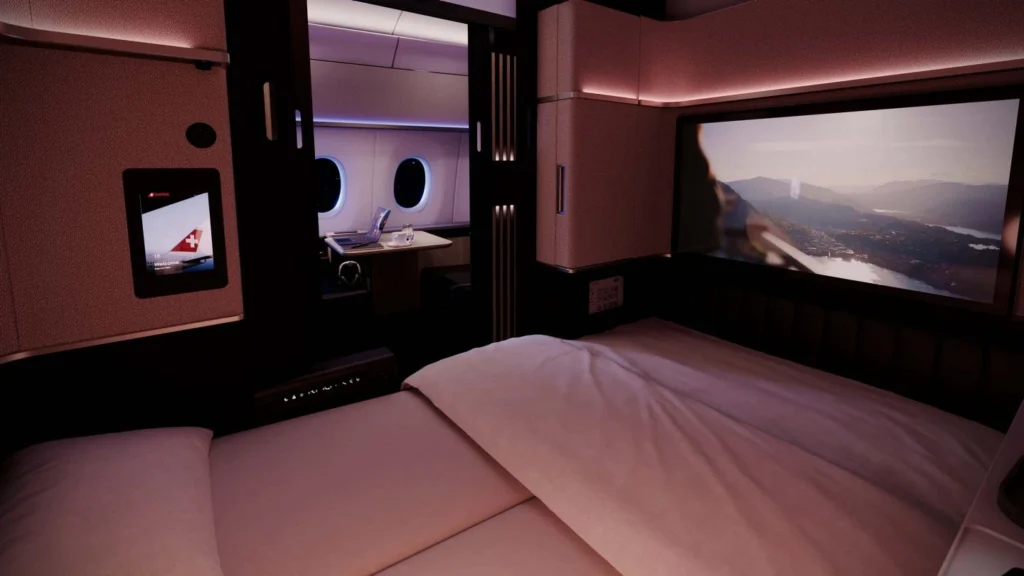
Business class provides five distinct seat types to serve varying passenger preferences.
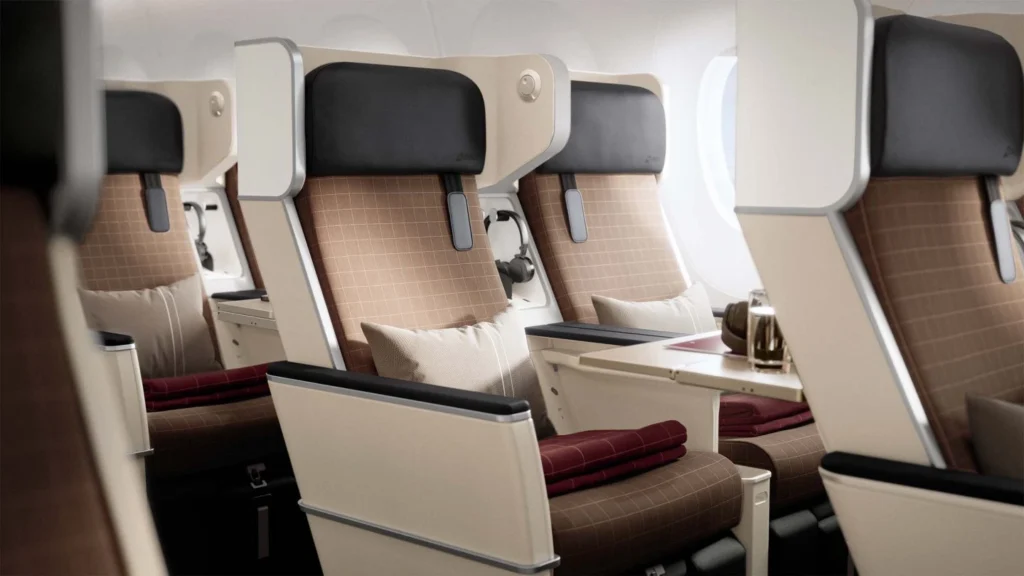
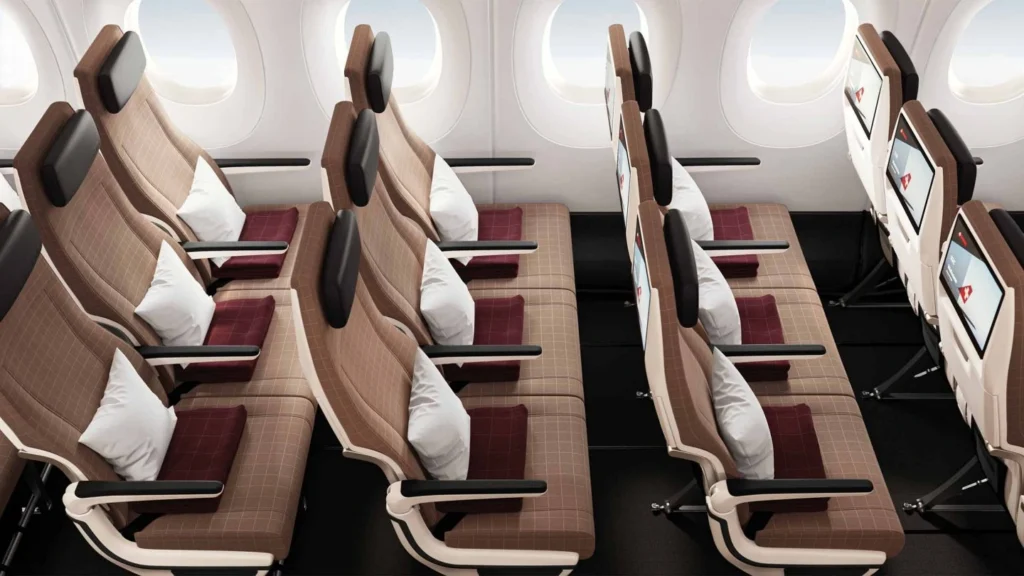
Premium economy features a shell seat design for added personal space, and economy class has also been refreshed.
Fleet Investment and the Road Ahead
SWISS has committed significant resources to its fleet and cabin overhaul. Birlenbach stated the airline invests approximately $1 billion annually across fleet modernization, new aircraft acquisition, interior redesign, and hospitality training.
The airline’s near-term growth focus is pointed east. With its North American network already well established across the United States and Canada, SWISS sees Asia as the primary opportunity for expansion.
Korea represents the opening move in that strategy, with the airline signaling intent to build on the Seoul route as more A350 aircraft enter service.
Seoul Travel Guide
Seoul is a city where centuries-old palaces stand beside neon-lit shopping streets, and traditional Korean cuisine shares space with cutting-edge food trends. This guide covers everything a first-time visitor needs, from practical logistics to the best neighborhoods, attractions, and wellness experiences.
Planning a Seoul trip can feel overwhelming given the sheer volume of things to do. This guide breaks it all down clearly, helping travelers make the most of every day in one of Asia’s most dynamic cities.
Complete First-Timer’s Guide to Visiting Seoul, South Korea
Getting to Seoul and Moving Around
Most international travelers arrive at Incheon International Airport (ICN), located about 48 km west of downtown Seoul. The Airport Railroad Express (AREX) connects the airport to Seoul Station in roughly 45 minutes. Private taxis and transfers are also available for added convenience.
Once in the city, Seoul’s subway system is fast, affordable, and English-friendly. A T-money card, purchased at any station kiosk and loaded with cash, works across subways, buses, and select taxis. In pedestrian-friendly areas like Bukchon, Ikseon-dong, and Hongdae, walking is often the best option.
How Long to Stay and When to Visit
A first-time visitor needs at least 4 to 5 days to cover major palaces, neighborhoods, and food spots, with time for one day trip outside the city. Six nights allow for a more relaxed pace with room for markets, shopping, and spa visits.
Spring (April to June) and autumn (September to November) are the best seasons to visit. Spring brings cherry blossoms and mild temperatures, while autumn offers crisp air and colorful foliage. Summer is hot and humid with monsoon rains, and winter is cold but attracts fewer crowds.
Essential Apps for Navigating Seoul
Google Maps is unreliable in South Korea. These tools are more effective:
- Naver Map is the most accurate navigation app in Korea, fully integrated with the subway system down to which train car to board.
- KakaoMap provides solid public transport and walking directions.
- Papago handles menu and sign translation.
- Catch Table is the go-to reservation app for popular restaurants and cafes.
- K-ETA is required for American passport holders before entering South Korea.
Palaces and Temples Worth Visiting
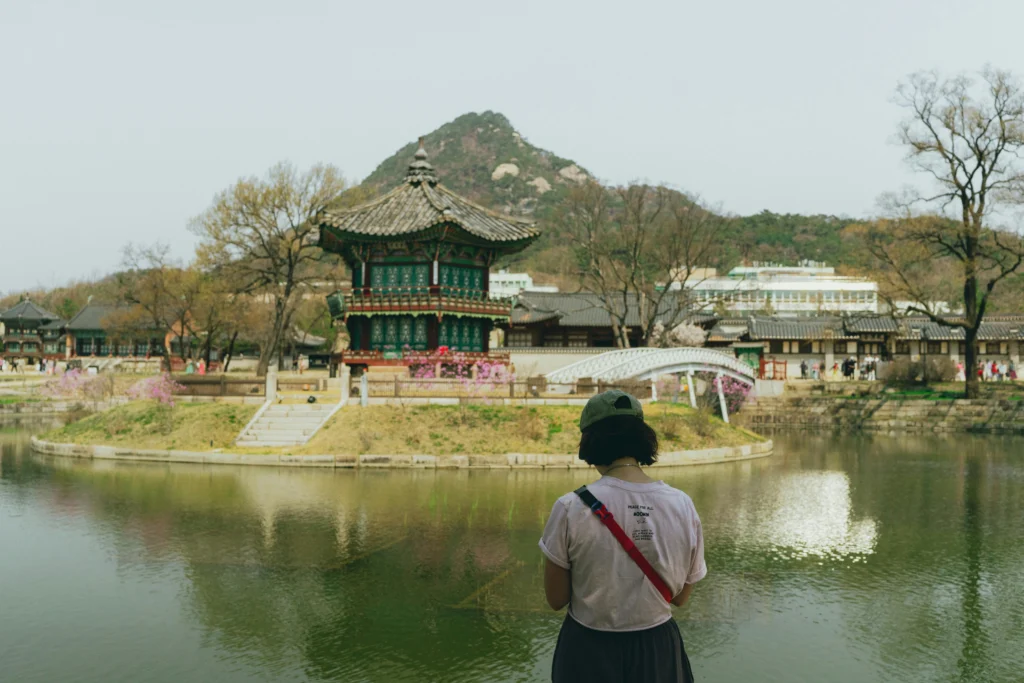
Gyeongbokgung Palace is the most iconic of Seoul’s royal landmarks. Originally built in 1395 and rebuilt extensively from 1865 to 1867 under King Gojong, the current structures date from 1990 following damage during the Japanese colonial era. The grounds include ornate buildings, tranquil ponds, and ginkgo trees. Free English guided tours run at 11 AM, 1:30 PM, and 3:30 PM. Visitors wearing hanbok, traditional Korean clothing available for rent nearby, enter free.
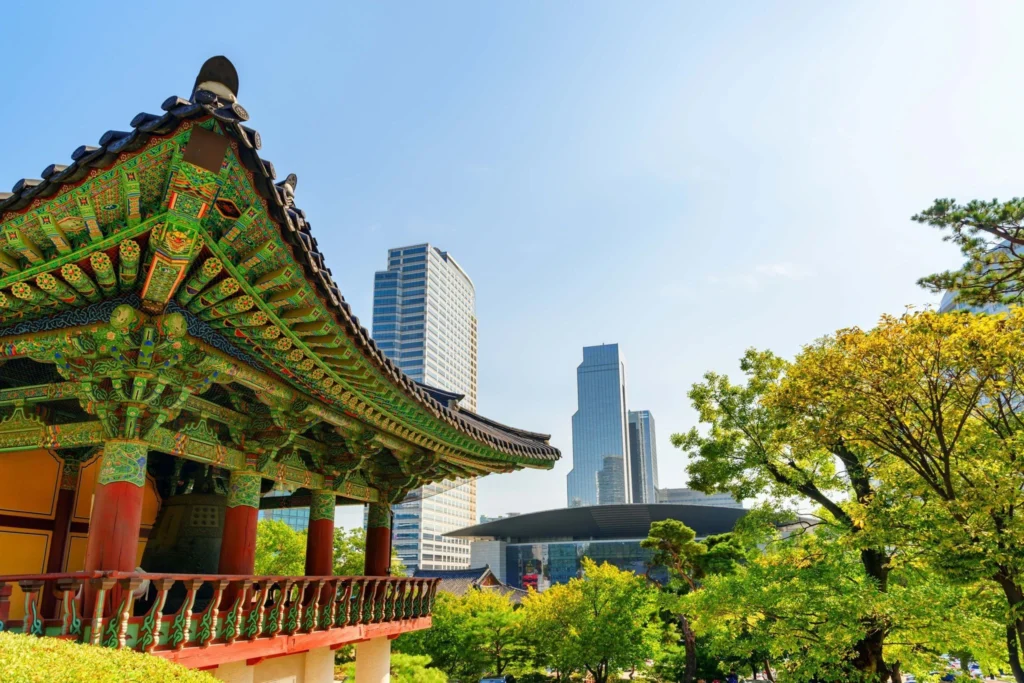
Bongeunsa Temple, founded in 794 AD, sits across from COEX Mall in the heart of Gangnam. Its 18 buildings house thousands of Bodhisattvas and national treasures. The temple holds added significance around Buddha’s Birthday during the Yeon Deung Hoe (Lotus Lantern Festival), a UNESCO Intangible Cultural Heritage event.
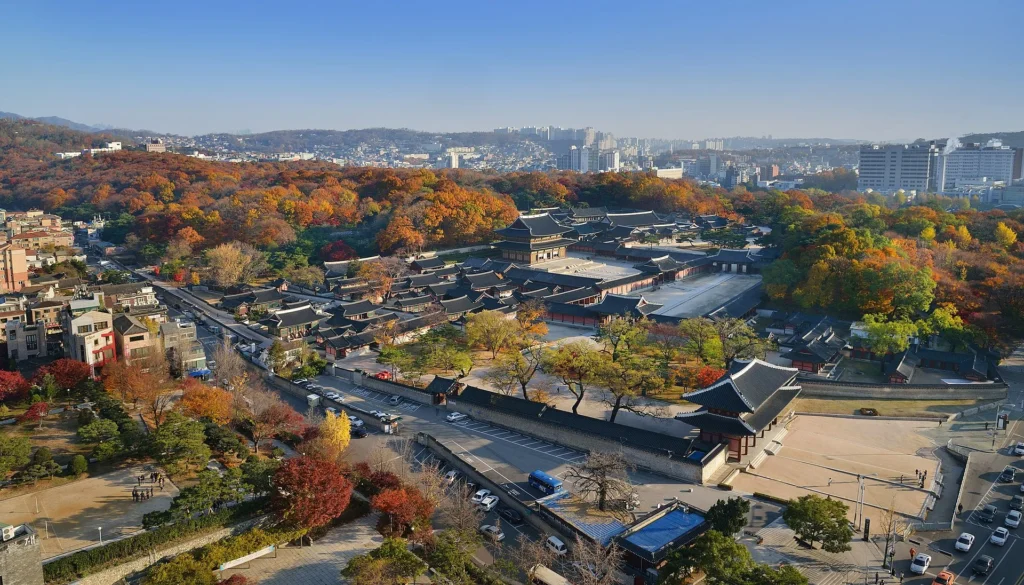
Changgyeonggung Palace is a UNESCO World Heritage Site known for its preserved royal gardens and peaceful atmosphere. Visitors should book secret garden tickets in advance due to limited entry. Free English tours are available at 10:15 AM and 1:15 PM.
Top Attractions in Seoul
Namsan Park and N Seoul Tower sit at the top of Namsan Mountain, Seoul’s largest green space. The Namsan Cable Car is the easiest way up, though wait times can exceed 90 minutes on weekends. Advance tickets help save time. The summit offers panoramic city views, love lock installations, live performances, and dining options. It is also a top cherry blossom viewing spot in spring.
The Gangnam Style Sculpture in Gangnam commemorates Psy’s globally viral 2012 hit. The large bronze hands play the song on a loop and attract steady foot traffic for photos and videos. It is a quick 10 to 15 minute stop, best combined with a visit to Bongeunsa Temple and Starfield COEX Mall nearby.
Starfield COEX Mall Library is one of the most photographed indoor spaces in Seoul. Its towering circular bookshelves and warm uplighting create a dramatic yet surprisingly calm setting, ideal for a short break from sightseeing.
Neighborhoods to Explore
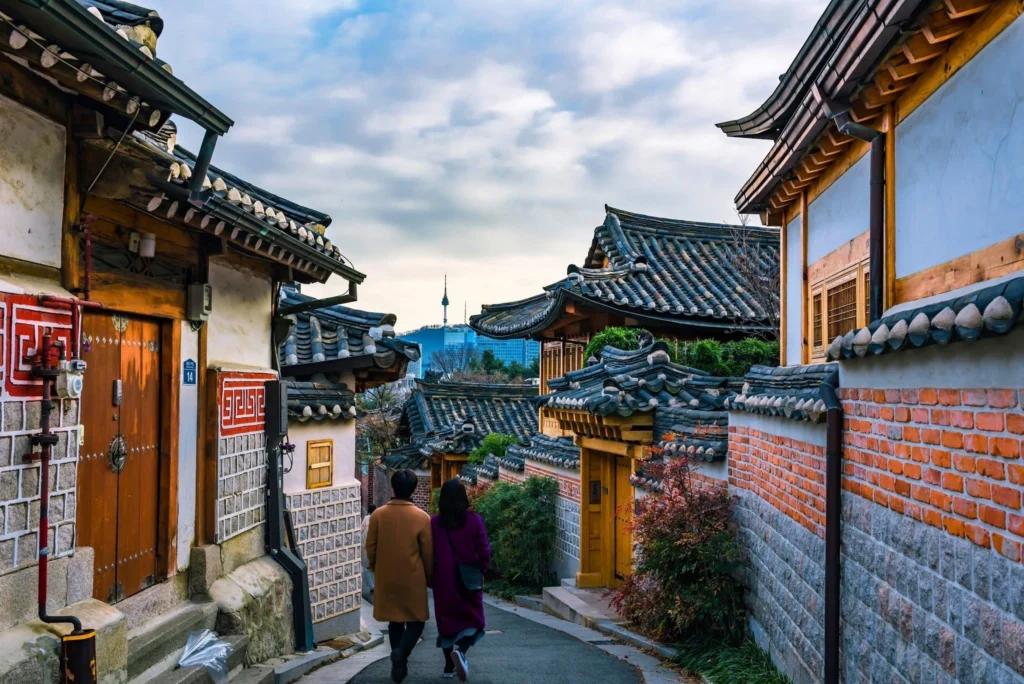
Bukchon Hanok Village preserves hundreds of traditional Joseon-era homes along cobblestone streets. The area blends tea houses, boutiques, and cultural spots. Visitor conduct is taken seriously, with signage and security officers present to protect residents’ privacy. Notable stops include House of Dohwa for tea-infused Korean skincare and De Art for hand-drawn Seoul-themed prints and puzzles.
Ikseon-dong Hanok Village offers a more casual, maze-like experience with narrow alleys lined by hanok homes converted into cafes, shops, and restaurants. It is well-suited for photo booths, souvenir shopping, and impromptu stops.
Myeongdong is Seoul’s primary shopping district. By day, it buzzes with K-beauty stores and fashion boutiques. By night, the neon-lit streets fill with restaurants and food stalls. Key stops include Olive Young Myeongdong Central Branch (the largest in Korea), Skin1004 Flagship, and the Myeongdong Night Market for street food and clothing.
Seongsu-dong is often called Seoul’s Brooklyn. Its repurposed industrial spaces house trendy cafes, street art, and boutique shops. Common Ground (a shipping container retail park), AMORE Seongsu (a multi-brand skincare emporium), and Blue Elephant (known for eyewear) are the standout stops.
Hongdae is a youthful district near a major university, known for street performances, art markets, live music, and nightlife. The Hongdae Night Market, open weekends only, is a good spot for Korean street food. Wappen House, which sells iron-on and sew-on patches, is a popular creative stop for travelers.
Wellness and Spa Experiences
AQUAFIELD Goyang is a modern jjimjilbang (Korean spa) offering multiple saunas ranging from temperate to very hot, along with communal baths and relaxation zones. It is considered more accessible for Western visitors and is praised for its cleanliness and value.
1899 Jeonggwanjang Spa specializes in red ginseng treatments. The full three-hour package includes a facial, full-body massage, and head treatment, making it one of the more comprehensive spa experiences in the city.
Ecojardin Mapo Aeogae Station offers a 15-step hair and scalp spa treatment including scalp analysis, tonic application, massage, and steam therapy. The full treatment costs approximately 180,000 won and is booked through Instagram DM.
Where to Stay
Seoul is a large city, so neighborhood choice matters. For first-time visitors, a central location minimizes transit time.
- Moxy Insadong ($$) offers a well-located, spacious stay with Marriott points eligibility.
- Ryse Hongdae ($$$) is a boutique hotel with industrial design, ideal for those focused on nightlife and cafes.
- Hotel28 Myeongdong ($$$) is Seoul’s first Small Luxury Hotels of the World member and is quiet despite its central location.
- Rakkojae Seoul ($$$) in Bukchon Hanok Village offers a traditional hanok architecture experience with refined hospitality.
- Josun Palace Gangnam ($$$$) is a design-forward luxury hotel with Art Deco styling and panoramic views.
Cultural Experience: Kimchi Cooking Class
Kimchi Academy in Seoul offers a 90-minute hands-on cooking class conducted in English. Participants learn the history, regional variety, and preparation techniques behind Korea’s most iconic fermented dish. At the end, the kimchi is vacuum-sealed for easy transport home, making it a practical and memorable souvenir.
Stay tuned with us. Further, follow us on social media for the latest updates.
Join us on Telegram Group for the Latest Aviation Updates. Subsequently, follow us on Google News
