

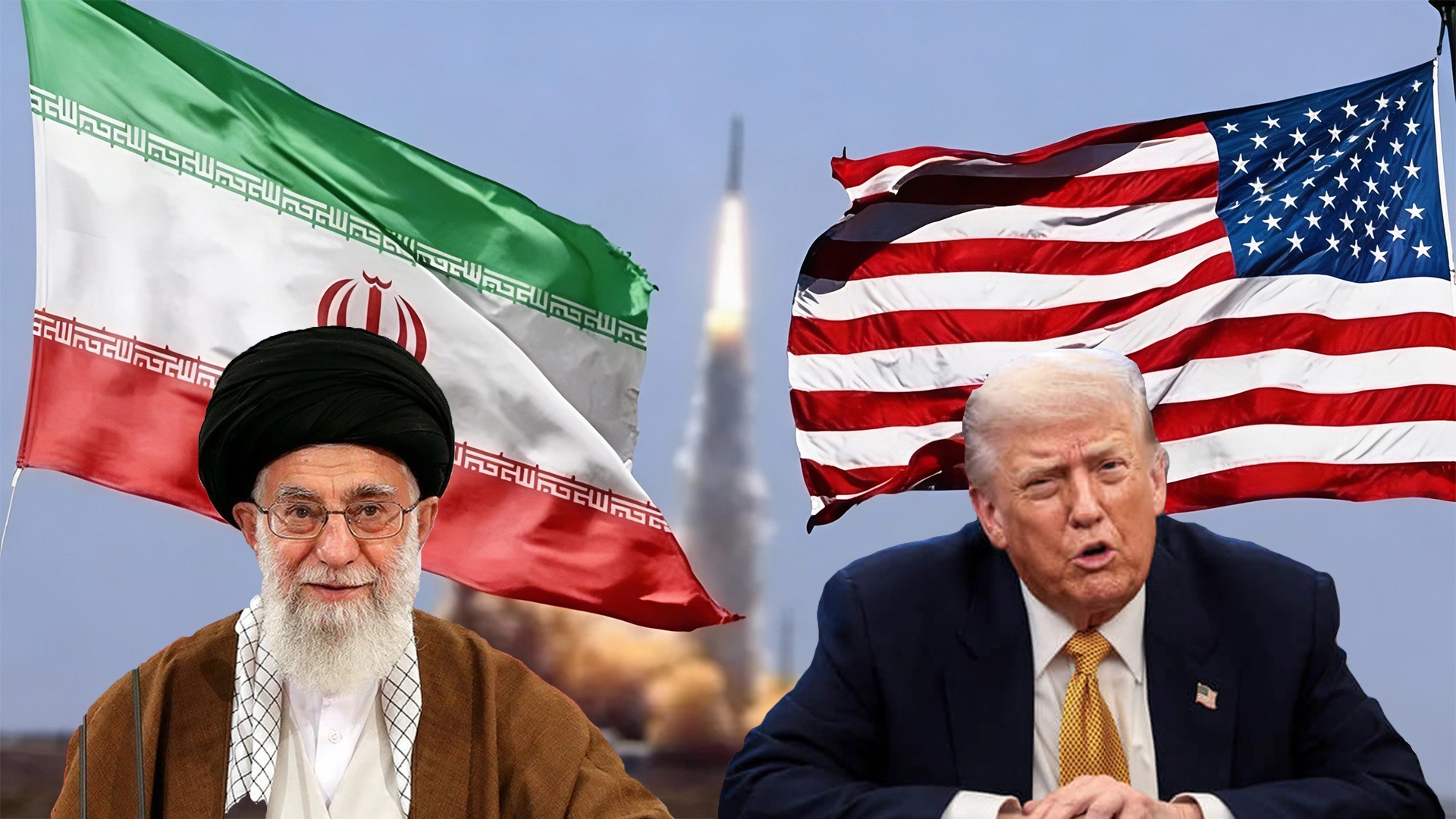
WASHINGTON, D.C.- The U.S. Department of State has told Americans across the Middle East to prepare to depart, citing flight cancellations, periodic airspace closures and travel disruption at hubs including Dubai (DXB), Doha (DOH) and Tel Aviv (TLV).
Carriers including British Airways (BA), Singapore Airlines (SQ), Lufthansa (LH) and Air Canada (AC) have delayed route resumptions to late October. Emirates (EK) has restored a large share of its network, while Turkish Airlines (TK) has resumed service to Amman (AMM) and Beirut (BEY).
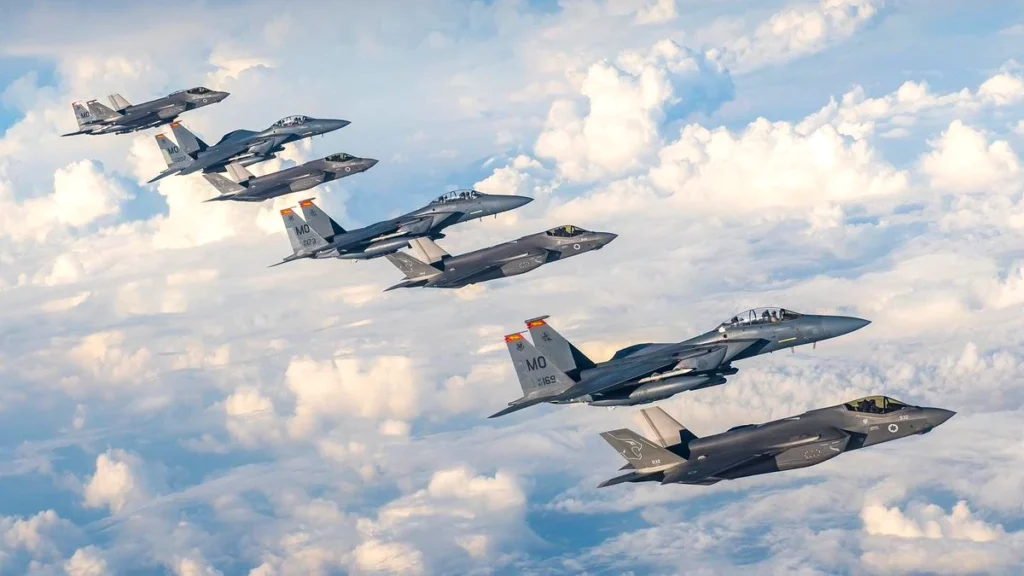
State Department Flags Escalation Risk Across 10 Countries
US embassies in Bahrain, Iraq, Israel, Jordan, Kuwait, Lebanon, Oman, Qatar, Saudi Arabia and the United Arab Emirates issued online advisories on Saturday, August 1, 2026.
Each warned Americans about the possibility of an “unforeseen escalation” in a security environment the embassies described as complex.
The alert added that some regional airlines have postponed the resumption of earlier flight schedules while others have cancelled selected routes, and advised Americans in the region to consider departing or be prepared to depart should escalation occur. Americans outside the region were told to seriously reconsider travel to and through it.

Airlines Extend Suspensions Into October
The advisory did not name carriers, but published schedules show how far the pullback now extends.
British Airways has delayed its phased Middle East return, originally set for July 1. Flights to Dubai, Tel Aviv, Bahrain and Amman remain suspended until October 25. Doha service dropped to once daily from August 1, and Riyadh moves from 2 daily flights to one from August 8. The carrier has permanently suspended flights to Jeddah.
Singapore Airlines flights to Dubai were scheduled to resume on August 2, but the suspension now runs to October 24. Cathay Pacific (CX) has extended its Dubai suspension to October 24 and Riyadh to October 25, having earlier targeted September 1.
Air Canada has pushed Tel Aviv and Dubai to October 24, and Finnair (AY) has extended Helsinki to Dubai to the same date.
Lufthansa and Swiss (LX) remain out of Dubai until September 13. Lufthansa, Swiss, Austrian Airlines (OS) and Brussels Airlines (SN) have suspended Abu Dhabi, Amman, Beirut, Dammam, Riyadh, Erbil, Muscat and Tehran until October 24.
KLM (KL) has suspended Riyadh, Dammam and Dubai until September 6 and continues to avoid Iranian, Iraqi and Israeli airspace along with parts of the Arabian Gulf. ITA Airways (AZ) has suspended Riyadh until September 15 and Dubai until October 24.
Air Astana (KC) has suspended Almaty and Astana to Dubai until August 31, citing worsening conditions in the Strait of Hormuz and the wider Gulf. Philippine Airlines (PR) has resumed Manila to Doha but keeps Dubai suspended until October 2. Scoot (TR) has suspended Singapore to Jeddah until August 8.
Gulf and Asian Carriers Rebuild Capacity
Emirates has restored nearly 75 percent of its pre-conflict schedule, the clearest sign of partial recovery since hostilities began on February 28.Turkish Airlines has resumed flights to Abu Dhabi, Dubai, Damascus, Beirut and Amman, though Iran remains suspended.
The carrier said “additional flight cancellations may occur” as it monitors regional airspace in real time. Oman Air (WY) has adjusted schedules because of temporary route restrictions, producing delays and cancellations across parts of its network, and is notifying affected passengers by WhatsApp, email or SMS.
IndiGo (6E), which serves the Gulf from New Delhi, Mumbai and Bengaluru, has warned passengers to check flight status before leaving for the airport.
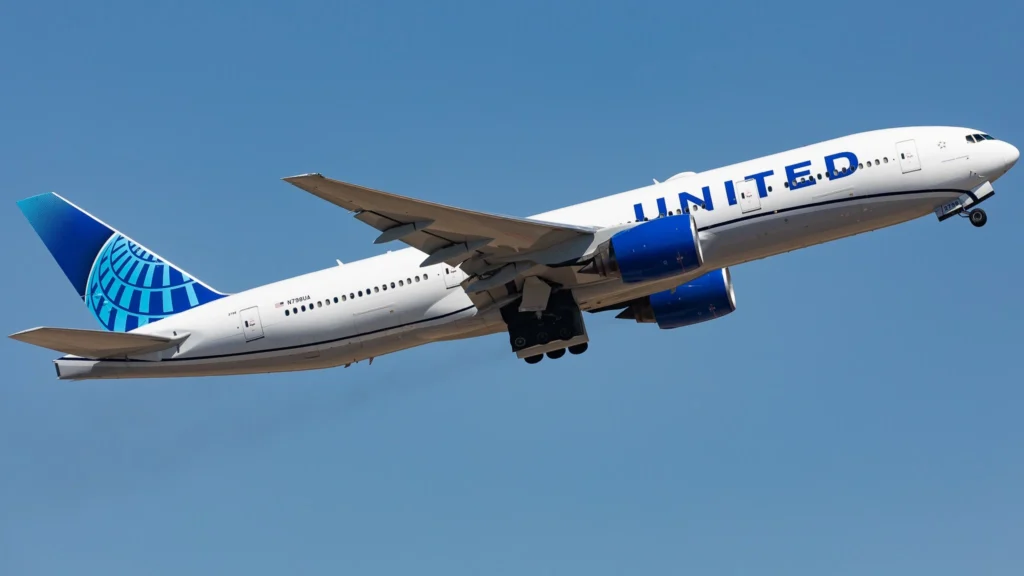
US Carriers Offer Waivers on Gulf and Israel Routes
United Airlines (UA) says Dubai and Tel Aviv services remain affected, with rebooking or refunds available for cancellations through September 7. American Airlines (AA) has updated travel alerts covering Tel Aviv and Doha.
Customers who bought tickets by March 28 for travel between February 28 and January 6, 2027, can make one change without a fee if they keep the same origin, destination and cabin, subject to availability. Refunds are available depending on ticket conditions.
Kuwait Drone Attacks and Tanker Strikes
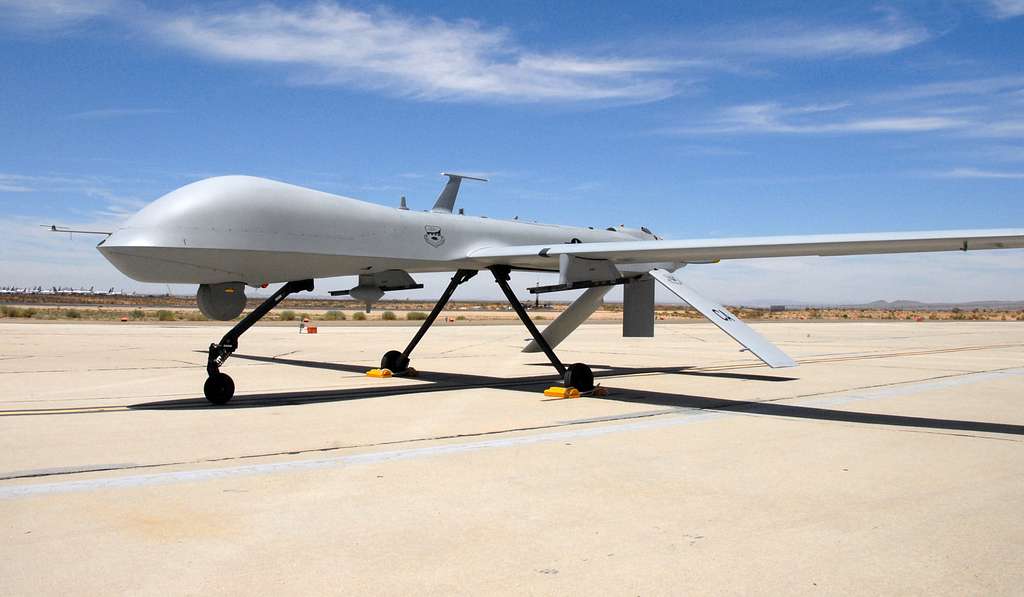
Kuwait said on Saturday that its armed forces detected and destroyed hostile drones in national airspace, describing the attacks as Iranian aggression.
The drones targeted several vital installations, including a government facility in northern Kuwait and civilian vehicles on Bubiyan Island. Falling debris caused material damage with no casualties reported.
The United Kingdom Maritime Trade Operations agency reported two tanker incidents off Oman on the same day.
A vessel about 20 kilometres northeast of Lima was struck by an unknown projectile, damaging its engine room and leaving it unable to manoeuvre.
A second crew about 39 kilometres northeast of Khasab reported a large splash and an explosion near the vessel.
The first strike occurred near the entrance to the Strait of Hormuz.
Warnings Extend to US Interests Worldwide
US authorities said American diplomatic facilities have been targeted in the past and that the risk is not confined to the region.
The post said, “US diplomatic facilities, including outside the Middle East, have been targeted. Iran and groups supportive of Iran may target other US interests overseas or at locations associated with the United States and Americans throughout the world, including US businesses and other institutions.”
Country-Specific Guidance for Jordan, Israel and Lebanon
Americans in Jordan were advised to avoid military bases that have recently come under Iranian missile attack. Those in Israel were encouraged to identify the nearest bomb shelter.
The US Embassy in Jerusalem described Iran as unpredictable. Its August 1 alert said, “The Iranian regime is unpredictable, as seen by its recent decisions to attack areas in the region without warning or provocations as well as to expand attacks to areas not previously targeted (such as Egypt).”
As reported by NDTV, the US Embassy in Beirut remains on “ordered departure status”, meaning non-emergency US government personnel continue to operate from outside Lebanon. The embassy in Abu Dhabi and the consulate general in Dubai remain on the same status, under a Level 3 advisory urging Americans to reconsider travel that was updated to reflect the ordered departure of non-emergency personnel and their families on March 2.

Trump Warning Preceded Advisories
Speaking during a Cabinet meeting at Camp David on Friday, Trump said US negotiators were still working toward an agreement with Tehran.
The team includes his son-in-law Jared Kushner, special envoy Steve Witkoff and Secretary of State Marco Rubio.
He said Washington could hit Iran hard if those efforts fail. “We will be hitting them very hard… and at some point, they will say we just can’t take it anymore,” Trump said, adding that he was losing faith in Iran because it “breaks its word” and “lies and misinterprets”.
Strikes Held Off Subject to a Rapid Deal
On Saturday, Trump said the United States and Israel had agreed to hold off on planned strikes at the request of Tehran and other regional countries. He said the parties had reached the parameters of a deal to end the war.
In a post on Truth Social at 7:35 AM on August 2, 2026, Trump wrote that the United States was “locked and loaded and ready to go against the Islamic Republic of Iran, at levels of Military Terror, Strength, and Power not seen since World War II.” He said Iran and other Middle Eastern countries had asked Washington to hold off because the perimeters of a deal had been agreed to.
Trump said the deal would include the “Immediate, Complete, and Total OPENING OF THE HORMUZ STRAIT, and an end to Iran’s nuclear threat.” He said he had agreed to cancel the attack “subject to being able to rapidly make a DEAL,” and added that “The Country of Israel joins me in this commitment.”
NDTV described the Strait of Hormuz as the world’s most vital energy conduit. The waterway has remained mostly closed by Iran since the war began on February 28.
Iran Signals Firm Response
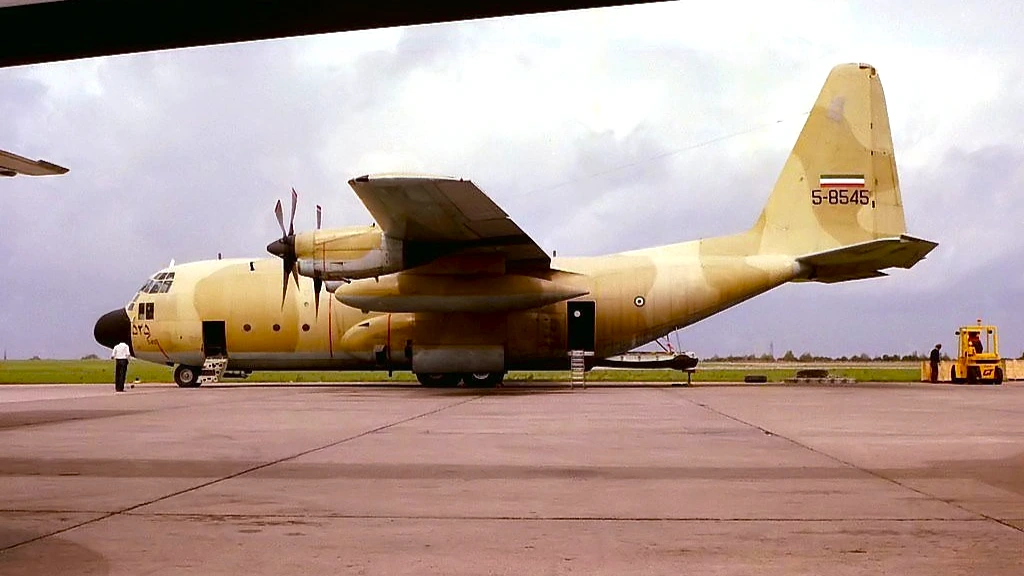
Iranian Foreign Minister Abbas Araqchi warned that Tehran would respond decisively if Washington acted on Trump’s threats. He delivered the message during separate phone calls on Saturday with Pakistani Army Chief Field Marshal Asim Munir, Turkish Foreign Minister Hakan Fidan and Saudi Foreign Minister Prince Faisal bin Farhan.
Araqchi told the Pakistani and Turkish officials that Iran would respond firmly to any aggression, and discussed the destabilising effects further US military action would have on the region.
In his call with the Saudi foreign minister, Araqchi said any attack by the United States and Israel, or participation by regional countries in such operations, would draw a proportionate response from Tehran.
Nournews, a media outlet linked to Iran’s top security body, warned on Saturday that any US strike on Iranian energy infrastructure would trigger retaliation. The outlet said oil facilities in Saudi Arabia and the UAE, along with gas fields in Qatar and Israel, would be “burned to ashes.”
How Aviation Reached This Point
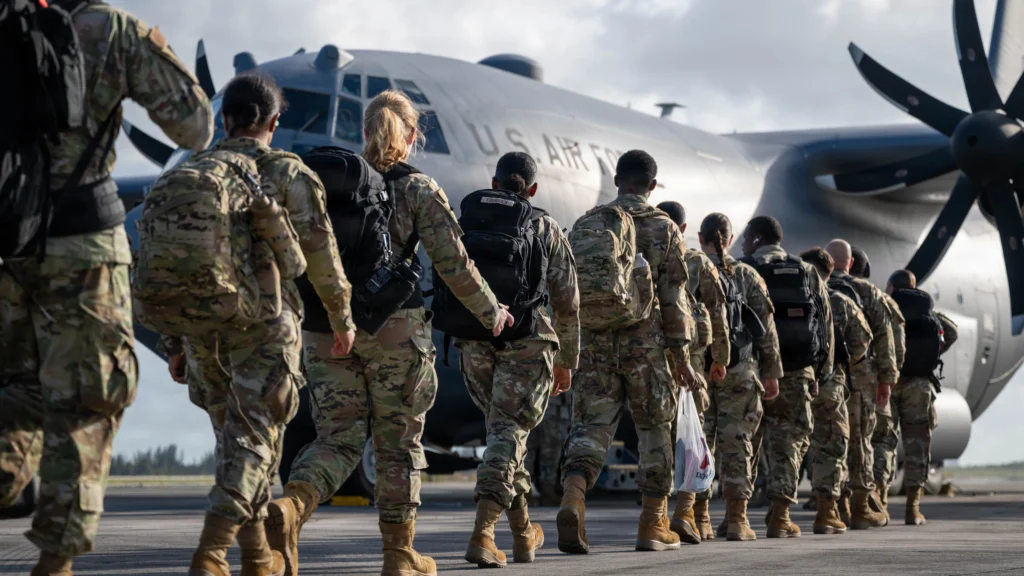
The State Department authorised the departure of non-emergency US personnel from the region on February 27, 2026. A worldwide caution alert followed on February 28 as US combat operations in Iran began, with the department flagging travel disruption from periodic airspace closures at that time.
By March 2, the department was urging Americans to depart from more than a dozen countries including Bahrain, Egypt, Iraq, Israel, Jordan, Kuwait, Lebanon, Oman, Qatar, Saudi Arabia, Syria, the UAE and Yemen.
Tensions escalated again after Trump announced on July 8 that the ceasefire set out in an earlier US-Iran memorandum of understanding was no longer in effect.
Resources for Americans in the Region
The State Department directs Americans to enrol in the Smart Traveler Enrollment Program to receive security updates, and to follow guidance from the nearest US embassy or consulate.
Its Consular Affairs call centre operates 24 hours a day on +1-202-501-4444 from abroad and +1-888-407-4747 from the United States and Canada.
Stay tuned with us. Further, follow us on social media for the latest updates.
Join us on Telegram Group for the Latest Aviation Updates. Subsequently, follow us on Google News
