

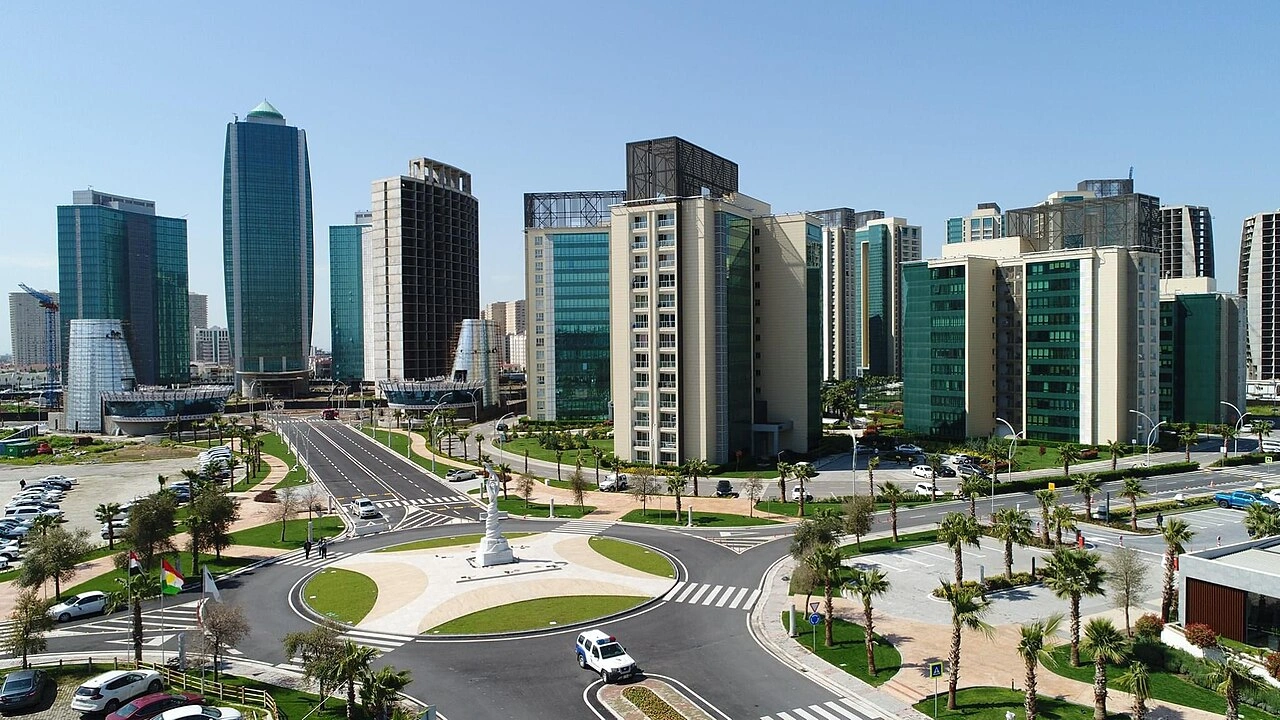
Asia has always been a continent of contrasts, where ancient civilisations sit beside futuristic skylines, and quiet villages exist not far from some of the busiest cities in the world.
For 2026, Conde Nast Traveller highlights a list that reflects exactly this diversity. From cultural capitals undergoing creative revivals to lesser-known destinations just beginning to open up to global tourism, the region offers something for every type of traveller.
What stands out in this year’s selection is the strong focus on culture, regeneration, and new travel experiences. Many of these destinations are not just popular; they are evolving. Cities are investing in art, infrastructure, and hospitality, while smaller locations are emerging as sustainable and authentic alternatives to overcrowded hotspots.
Top 10 Places to Visit in Asia in 2026
Here are the 10 best places to visit in Asia in 2026, according to Conde Nast Traveller.
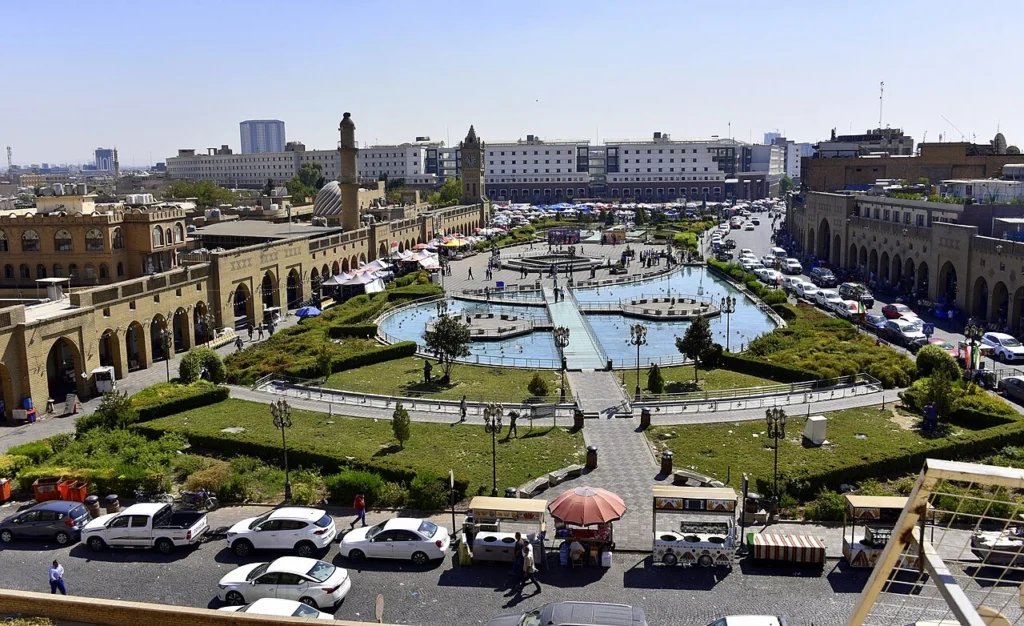
1. Erbil
Erbil is perhaps the most unexpected yet fascinating destination on the list. As the capital of Iraqi Kurdistan, it combines deep historical roots with a growing sense of modern identity. At its centre lies the ancient Erbil Citadel, a UNESCO-listed site that has been continuously inhabited for more than 6,000 years.
What makes Erbil particularly compelling in 2026 is its transformation. New developments, improved tourism initiatives, and a strong push to welcome international visitors are reshaping the city’s image.
Despite its complex regional context, Erbil offers a surprisingly warm and welcoming atmosphere. Travellers can explore traditional markets, enjoy Kurdish cuisine, and experience a destination that still feels largely undiscovered.
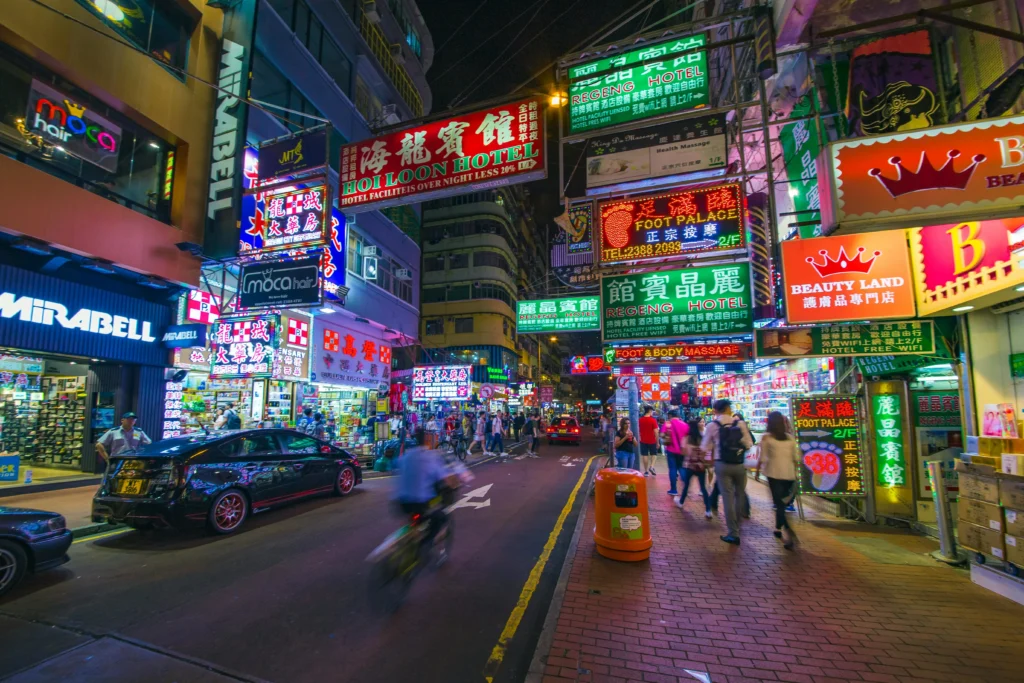
2. Hong Kong
Hong Kong continues to evolve as one of Asia’s most dynamic urban destinations. In 2026, the city is enhancing its cultural and tourism offerings with major new developments, particularly in the West Kowloon Cultural District, which will host new performance venues and artistic spaces.
At the same time, Hong Kong is improving its green spaces and hiking infrastructure, allowing travellers to experience both its iconic skyline and its surprisingly scenic natural landscapes.
With world-class dining, efficient transport, and constant innovation, Hong Kong remains a city that never stands still.

3. Labuan Bajo
Labuan Bajo is rapidly emerging as one of Southeast Asia’s most exciting travel destinations. Once a quiet fishing town, it now serves as the gateway to Komodo National Park, home to the famous Komodo dragons.
Recent infrastructure upgrades, including expanded airport access and new luxury resorts, are helping to transform the area into a sustainable tourism hub.
Despite this growth, Labuan Bajo still retains its natural charm, offering pristine islands, clear waters, and a slower pace of life compared to more crowded destinations like Bali.

4. Naoshima
Naoshima is unlike any other destination in Asia. Known as Japan’s “art island,” it has transformed into an open-air gallery where contemporary art blends seamlessly with nature.
A major highlight for 2026 is the Naoshima New Museum of Art, designed by renowned architect Tadao Ando. This addition strengthens the island’s reputation as a global centre for contemporary art.
Visitors can explore installations scattered across beaches, hills, and even abandoned buildings, creating an immersive cultural experience that feels both modern and deeply connected to the landscape.
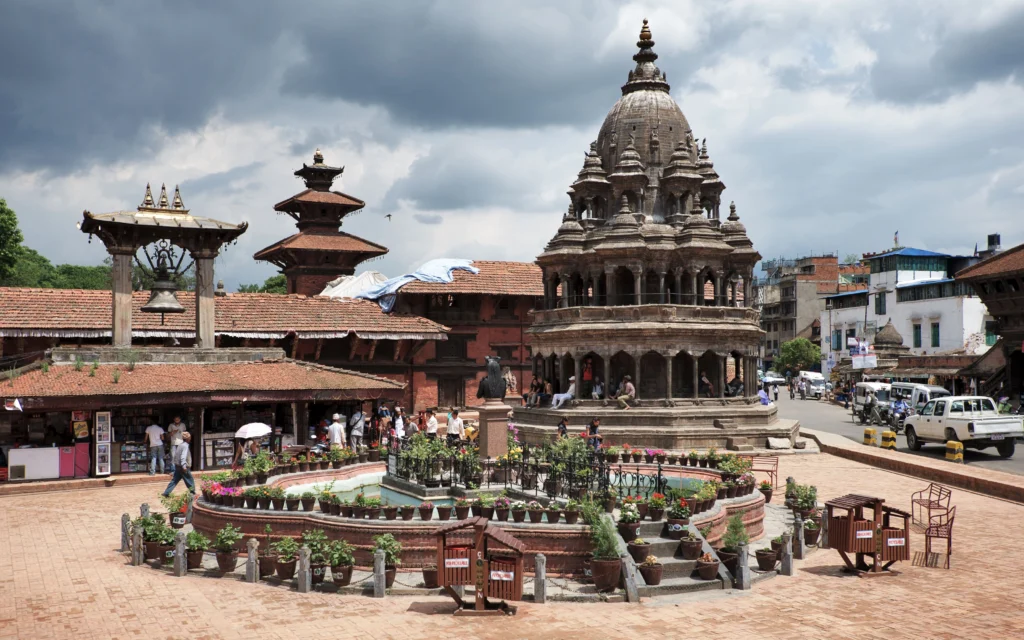
5. Patan
Patan offers a rich blend of tradition and creativity. Located within the Kathmandu Valley, Patan is known for its historic architecture, artisan communities, and vibrant cultural life.
In recent years, the city has seen a surge in creative energy, with art galleries, cultural spaces, and local businesses helping to revitalise its historic core.
Events such as the Rato Machindranath festival add to its appeal, offering travellers a chance to experience living traditions that have been celebrated for centuries.

6. Saadiyat Island
Saadiyat Island is at the centre of a cultural transformation in the Middle East. The island is rapidly becoming one of the world’s most significant museum districts.
Already home to the Louvre Abu Dhabi, the area will soon welcome the Guggenheim Abu Dhabi and the Zayed National Museum, along with other major institutions.
Beyond culture, Saadiyat Island offers luxury resorts and pristine beaches, making it a destination that combines relaxation with world-class art and architecture.
7. Seoul
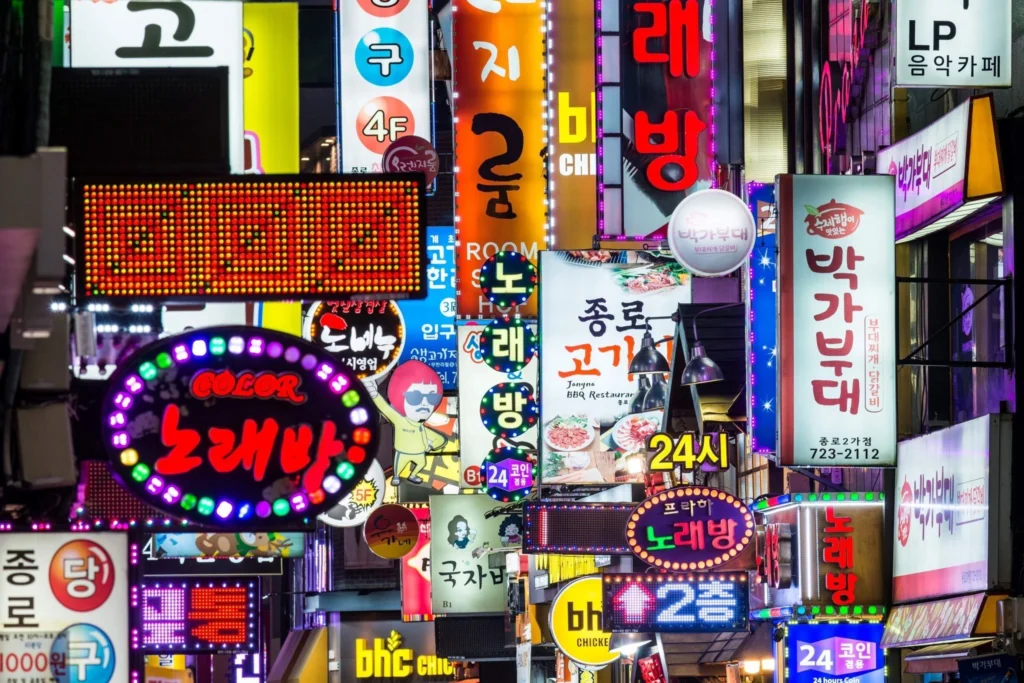
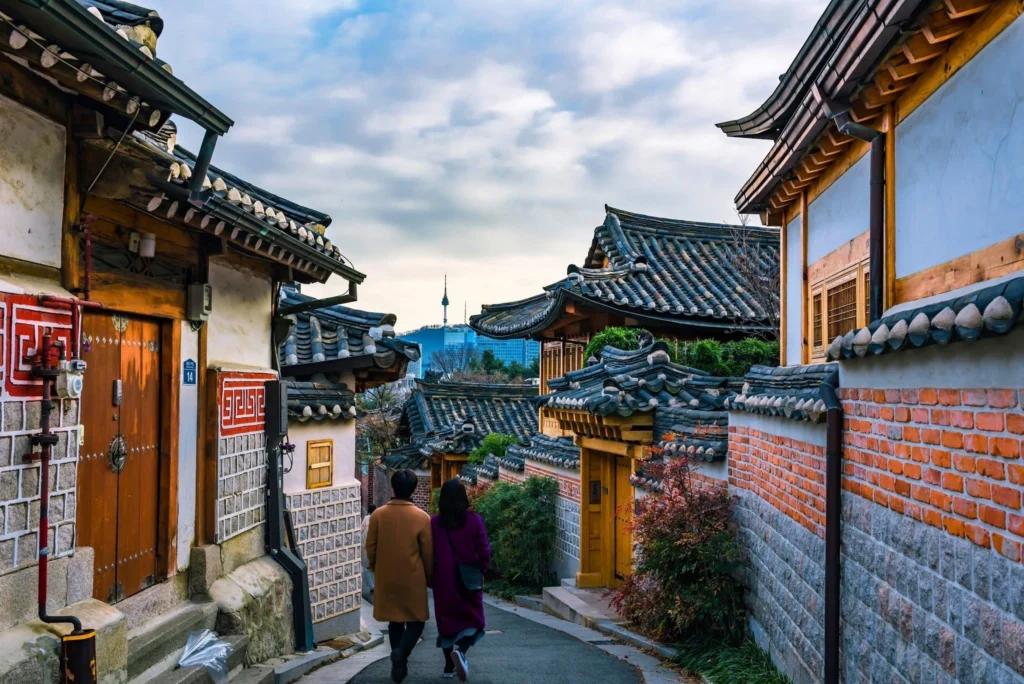
Seoul continues to strengthen its position as one of Asia’s leading cultural capitals. Known globally for K-pop, film, and fashion, the city is constantly evolving.
In 2026, new infrastructure projects and expanded transport networks are making it easier to explore both central districts and emerging neighbourhoods.
Seoul’s appeal lies in its contrasts—historic palaces sit beside modern skyscrapers, while traditional markets coexist with cutting-edge retail and dining experiences.
8. Shenzhen
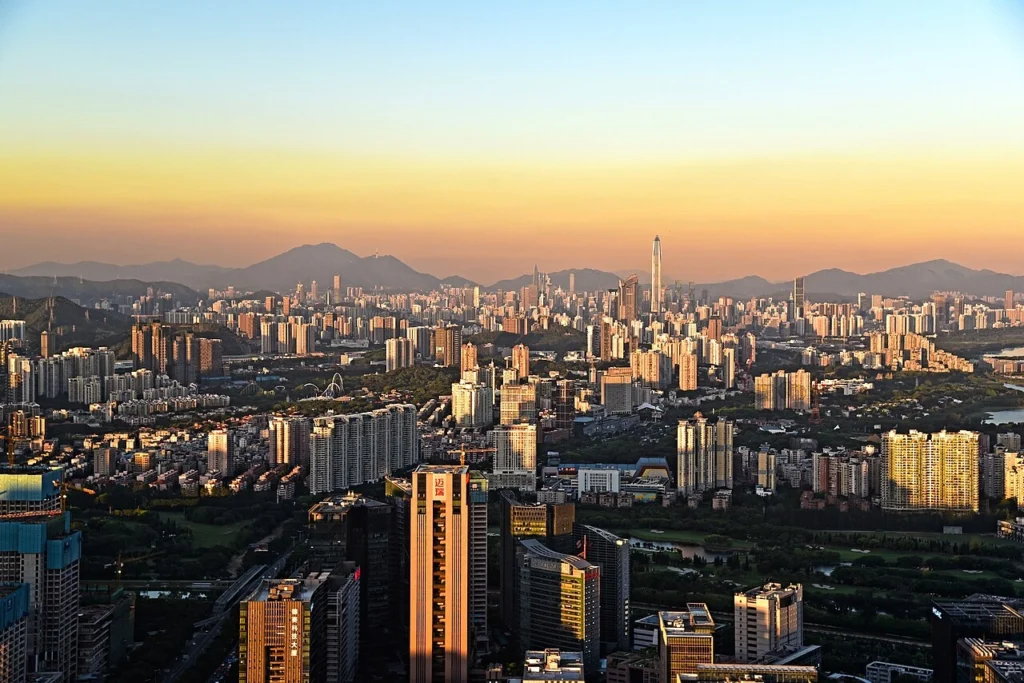
Shenzhen represents the future of urban Asia. Once a small fishing village, it has grown into a major global city known for innovation, design, and technology.
The city is investing heavily in cultural events such as Shenzhen Design Week and international music festivals, while new luxury hotels and developments are reshaping its skyline.
Shenzhen’s rapid transformation makes it one of the most exciting destinations for travellers interested in modern urban development.
9. Tashkent
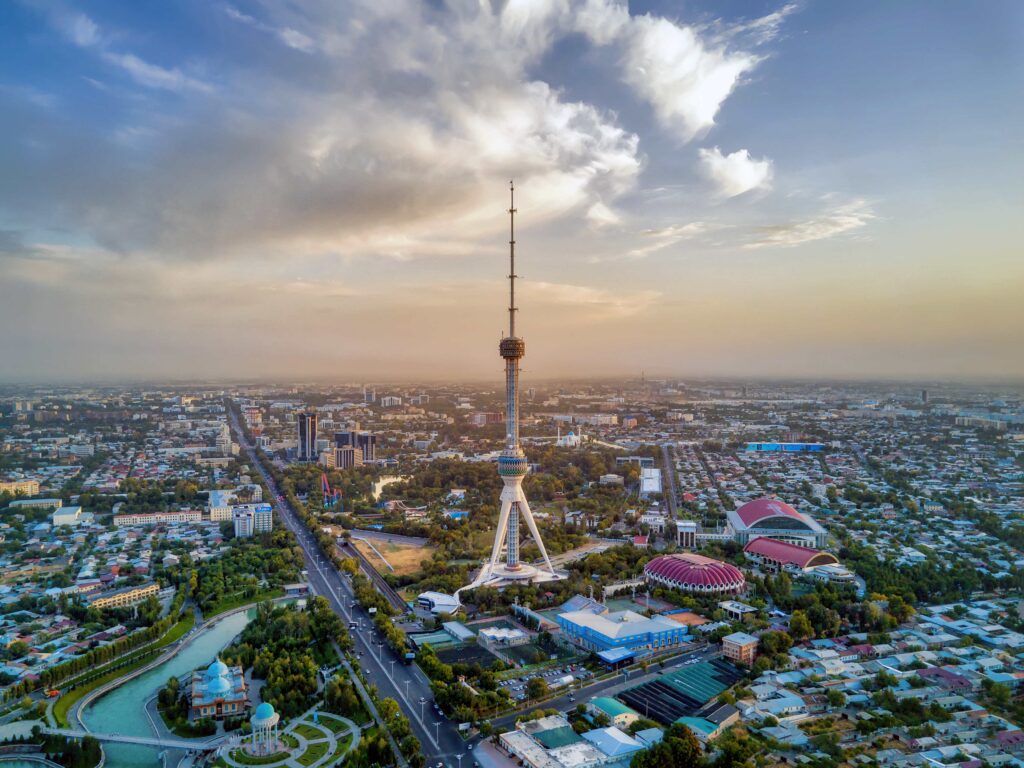
Tashkent is experiencing a cultural renaissance. As one of the key cities along the historic Silk Road, it blends ancient heritage with modern ambitions.
New institutions such as the Centre for Islamic Civilisation and the Centre for Contemporary Art are helping position Tashkent as a rising cultural hub.
The city’s architecture—ranging from Soviet-era buildings to traditional Islamic structures—adds to its unique character.
10. Udaipur
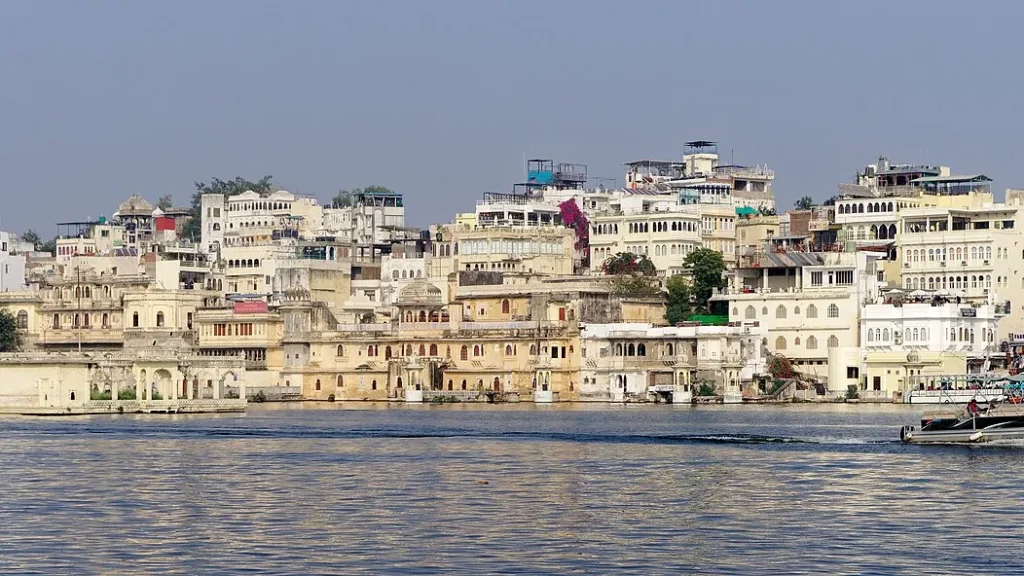
Udaipur, often called the “City of Lakes,” remains one of India’s most romantic destinations. Surrounded by the Aravalli Hills, it is known for its palaces, lakes, and historic charm.
What makes Udaipur particularly relevant in 2026 is a wave of new luxury hotel openings, bringing renewed energy to the city’s tourism scene.
Visitors can explore grand palaces, take boat rides on Lake Pichola, and experience a blend of heritage and modern hospitality.
Bottom Line
The destinations highlighted by Conde Nast Traveller for 2026 reflect a broader shift in how people travel. Instead of focusing solely on famous landmarks, travellers are increasingly seeking authentic experiences, cultural depth, and emerging destinations.
These destinations are not just places to visit; they are places to experience. And as the region continues to evolve, they are set to shape the future of global travel.

Best Places to Visit in Asia FAQs
Conde Nast Traveller selects destinations based on insights from travel experts, editors, and local contributors, focusing on cultural developments, new openings, and overall travel appeal.
Yes, many destinations such as Seoul and Hong Kong are well-developed and easy to navigate, while others like Erbil are better suited for more experienced travellers seeking unique experiences.
A major trend is the rise of cultural and experiential travel, with destinations like Naoshima and Tashkent focusing on art, heritage, and authentic local experiences.
Stay tuned with us. Further, follow us on social media for the latest updates.
Join us on Telegram Group for the Latest Aviation Updates. Subsequently, follow us on Google News
