

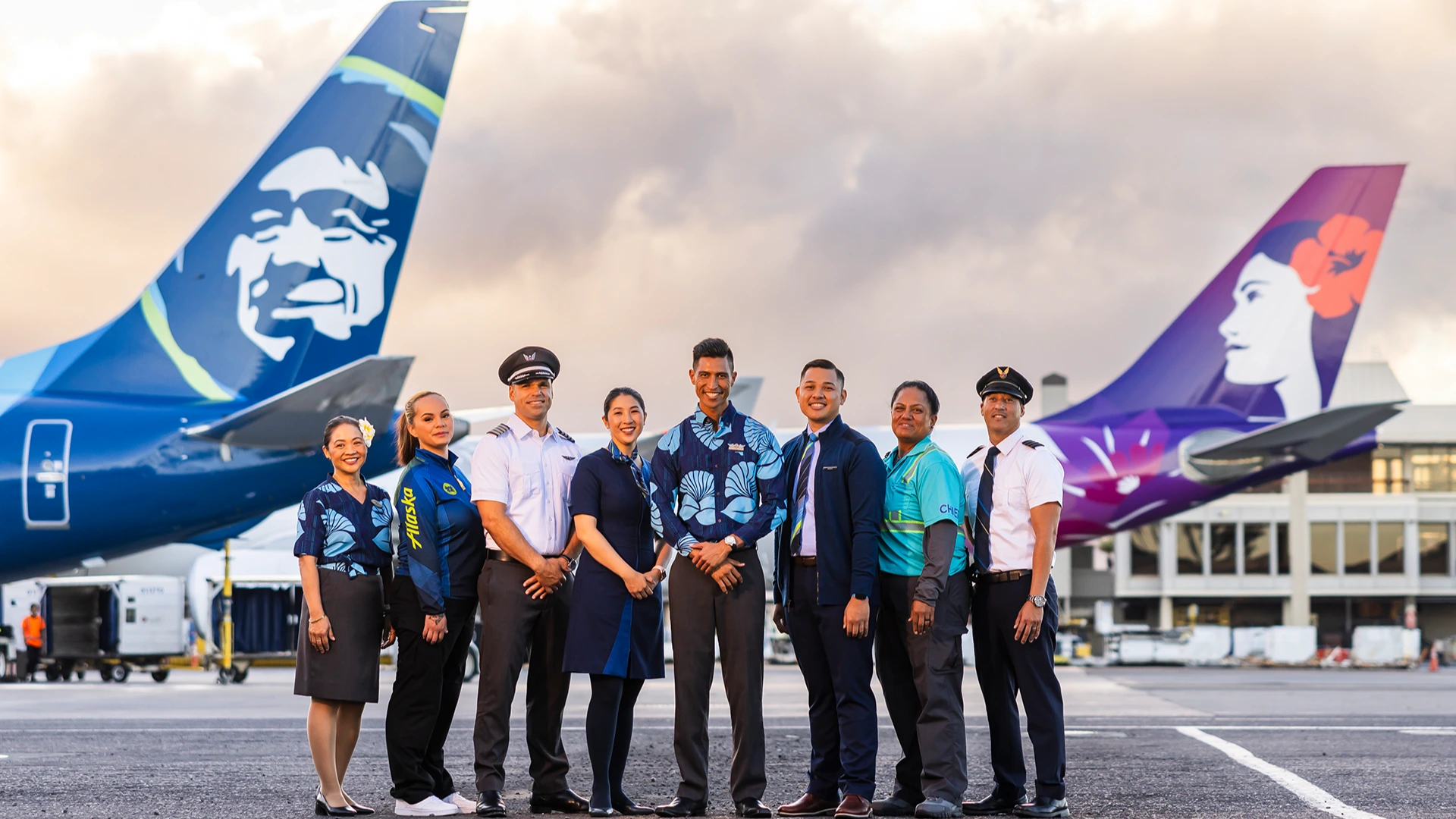
SEATTLE- Flight attendants operating Alaska Airlines (AS) Boeing 787-9 Dreamliner flights from Seattle-Tacoma International Airport (SEA) to London, Rome, Tokyo, and Seoul have raised concerns that the airline’s new long-haul service model places excessive pressure on cabin crews.
The Association of Flight Attendants (AFA-CWA) alleges that Alaska Airlines (AS) introduced additional onboard service elements after testing was completed, despite earlier agreements. The union is now demanding either increased staffing or a simplified Main Cabin service routine as the airline expands its international operations.
Alaska Airlines Attendant Union Raises Concerns
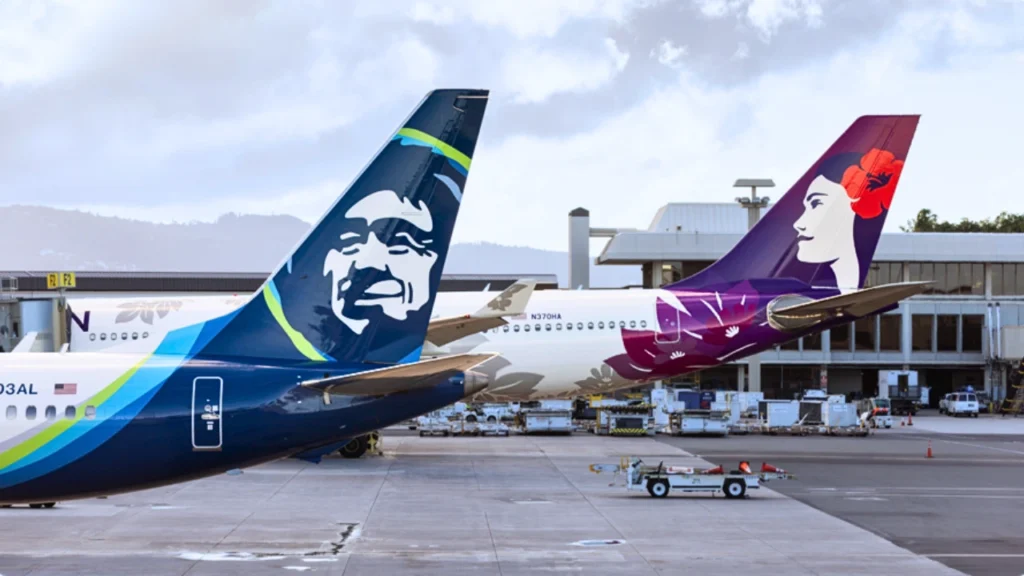
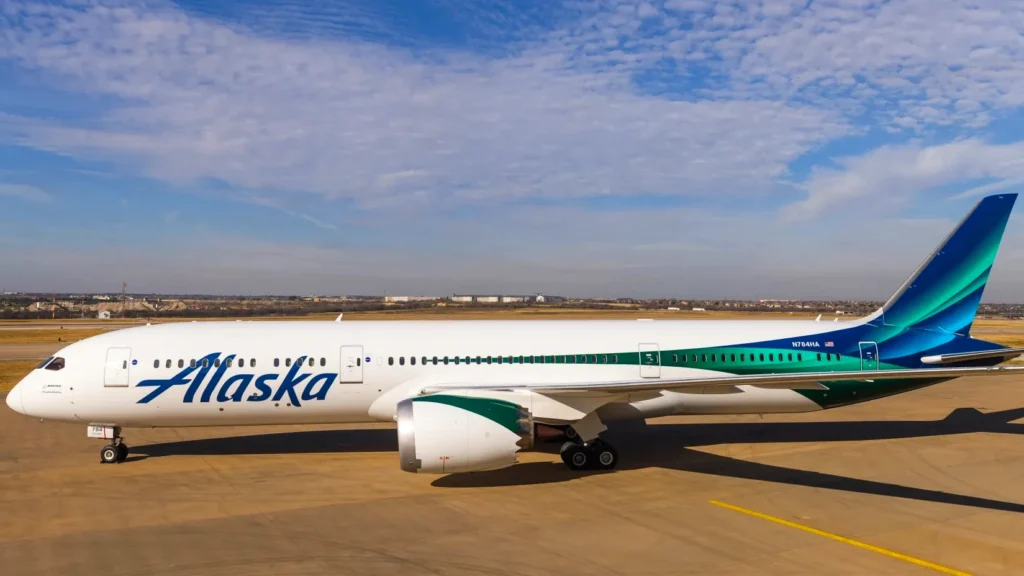
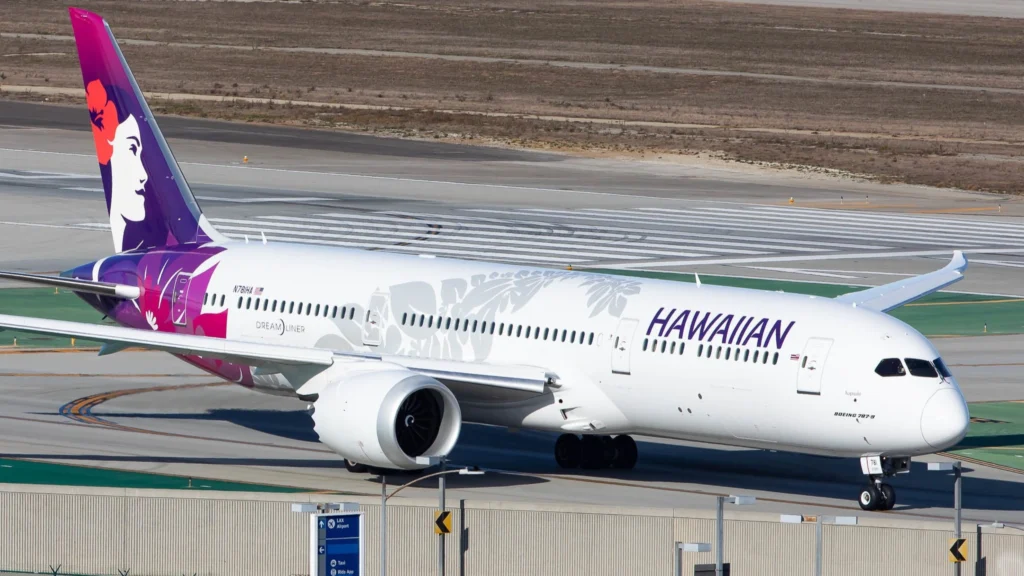
Alaska Airlines entered the long haul international market following its acquisition of Hawaiian Airlines. As part of the integration, the airline assumed control of Hawaiian’s Boeing 787-9 Dreamliner fleet and relocated the aircraft to its primary hub at Seattle-Tacoma International Airport (SEA). The aircraft were repainted into Alaska Airlines’ new Global livery while retaining the airline’s branding.
Former Hawaiian Airlines flight attendants currently operate these international flights because they were already qualified on the Boeing 787. Although the crews remained the same, Alaska Airlines introduced an entirely new onboard service routine designed specifically for its long haul network.
The airline adopted what it describes as a train service model, where flight attendants move meal and beverage carts sequentially through the cabin from front to back. During the initial testing phase, the union approved the service flow on the condition that no additional service components would be introduced without further evaluation.
According to the Association of Flight Attendants, that understanding changed after approval was granted.
The union says Alaska Airlines later added several new Main Cabin service features, including premium class offerings, elite status recognition, expanded beverage selections, alcohol available for purchase, ice cream service, and warm cookies. These additions were introduced without conducting further operational testing or consulting the union’s Inflight Service Committee, PYOK flagged.

Observation Period Failed to Produce Operational Changes
When Alaska Airlines launched its Rome service in April, management announced a 30-day observation period to evaluate how the new service routine performed in real operations.
Flight attendants submitted feedback throughout the evaluation period, identifying areas where service could be streamlined and workload reduced. However, the union says those recommendations were not implemented.
The observation period officially concluded on May 28, yet the Association of Flight Attendants says management has not introduced meaningful operational changes despite months of discussions.
In an internal memo, the union criticized the airline for continuing to request additional operational data rather than addressing staffing concerns.
The memo also argued that Alaska Airlines has demonstrated its ability to respond quickly to passenger feedback while failing to make comparable adjustments based on concerns raised by frontline employees.
According to the union, flight attendants have repeatedly been instructed to make the existing system work despite reporting that staffing levels are insufficient to consistently deliver the promised service.
Main Cabin Staffing at the Center of the Dispute
Unlike many cabin service disputes that focus on premium cabins, the current disagreement centers primarily on Main Cabin operations.
The Association of Flight Attendants says the current number of crew members assigned to Alaska Airlines’ Boeing 787 international flights makes it difficult to complete every required service element while maintaining expected standards.
The union argues that the airline faces two practical options.
The first is to increase cabin crew staffing so employees can safely and efficiently provide the expanded onboard experience.
The second is to simplify the Main Cabin service routine by removing or modifying certain service elements to better match the staffing levels currently assigned to each flight.
According to the union, continuing to expand service expectations without adding resources places unnecessary pressure on flight attendants and risks affecting the consistency of onboard service.
Formal Grievance Filed Against Alaska Airlines
The dispute has now moved beyond internal discussions.
Last week, the Association of Flight Attendants filed a formal grievance alleging that Alaska Airlines violated contractual provisions governing inflight service changes.
The union maintains that the collective bargaining agreement requires mutual agreement on inflight service requirements before significant modifications are implemented.
By introducing additional Main Cabin service elements without reaching that agreement, the union argues the airline breached its contractual obligations.
The grievance seeks to compel Alaska Airlines to work with the union’s Inflight Service Committee to establish service standards that reflect available staffing and operational realities.

International Expansion Continues Despite Labor Dispute
The disagreement comes as Alaska Airlines continues investing heavily in its international growth strategy.
Over the next four years, the airline plans to operate flights to 12 long haul international destinations from Seattle-Tacoma International Airport (SEA), positioning the airport as its primary global hub.
Through the Hawaiian Airlines acquisition, Alaska Airlines gained five Boeing 787 Dreamliners. The carrier has also ordered 12 additional Boeing 787 aircraft, including five of the larger Boeing 787-10 variant, supporting its long term international expansion plans.
For the time being, former Hawaiian Airlines flight attendants will continue operating Alaska’s Boeing 787 fleet. Eventually, all flight attendants within the Alaska Airlines Group are expected to work under a single collective bargaining agreement.
Once integration is complete, crew assignments will be based on each flight attendant’s assigned base, determining both the airline brand and aircraft types they operate across the combined network.
Stay tuned with us. Further, follow us on social media for the latest updates.
Join us on Telegram Group for the Latest Aviation Updates. Subsequently, follow us on Google News
