

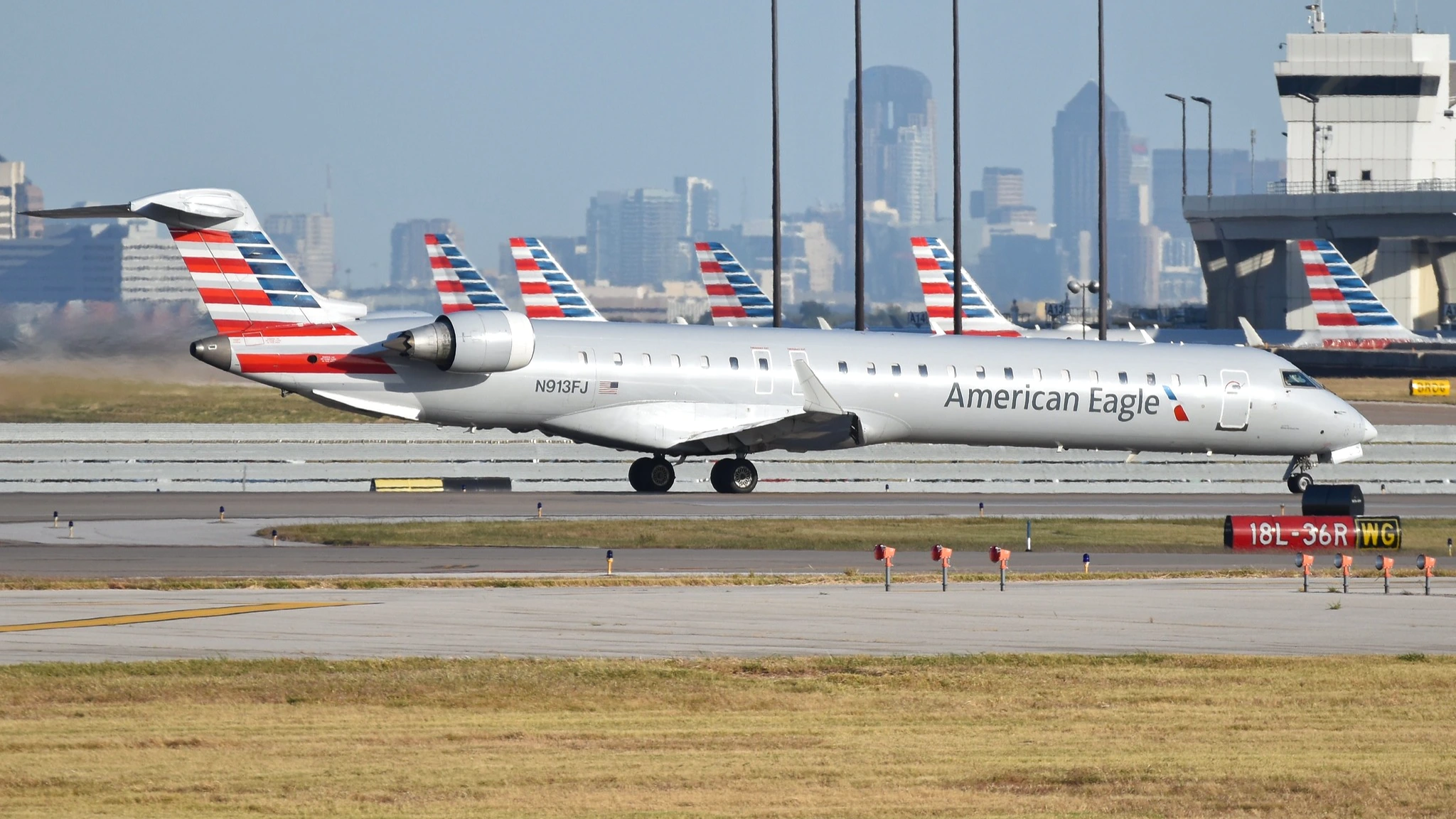
WASHINGTON, D.C.- American Airlines (AA) has experienced another unusual air traffic control communications issue after two American Eagle flights with the same callsign operated simultaneously between Philadelphia International Airport (PHL) and Rhode Island T.F. Green International Airport (PVD).
The incident involved PSA Airlines, operating under the American Eagle brand, and highlighted how duplicate flight numbers can create confusion for controllers and pilots. According to OMAAT, this was the second similar occurrence involving American Airlines within two days.
Duplicate Callsigns Created an Unusual ATC Situation Again
Every commercial flight uses a unique callsign when communicating with air traffic control. For most airlines, the callsign combines the airline identifier with the assigned flight number. This system allows controllers to identify and communicate with individual aircraft safely and efficiently.
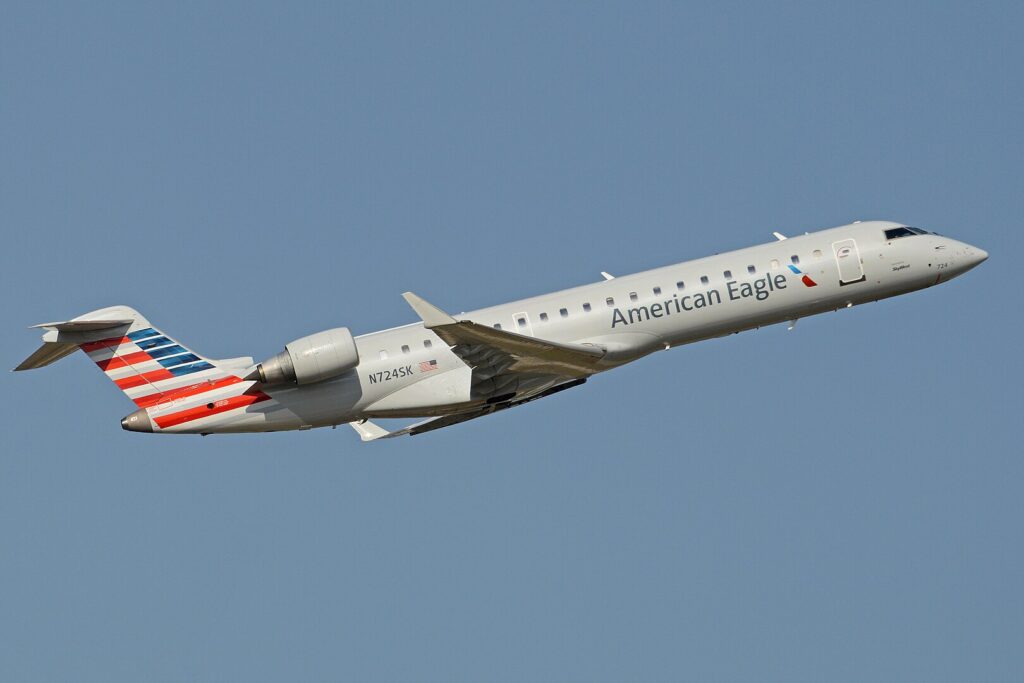
On August 12, 2026, two regional jets operating as American Airlines Flight 5083 ended up airborne at the same time while sharing the same callsign. Although the flights carried an American flight number, they were operated by PSA Airlines, whose operational callsign is Bluestreak because the carrier operates under its own Air Operator Certificate.
Flight AA5083 serves the route between Philadelphia International Airport (PHL) and Rhode Island T.F. Green International Airport (PVD) in both directions. American assigns the same flight number to the outbound and return services, with the same aircraft typically operating both legs.
On this occasion, however, the inbound aircraft to Providence arrived more than an hour behind schedule. The scheduled return flight departed on time using a different aircraft, resulting in two aircraft operating simultaneously with the identical callsign.
The unusual timing meant both regional jets eventually crossed paths while communicating on the same air traffic control frequency.
Controllers Quickly Managed the Situation
Despite the operational complication, the situation remained under control throughout the encounter.
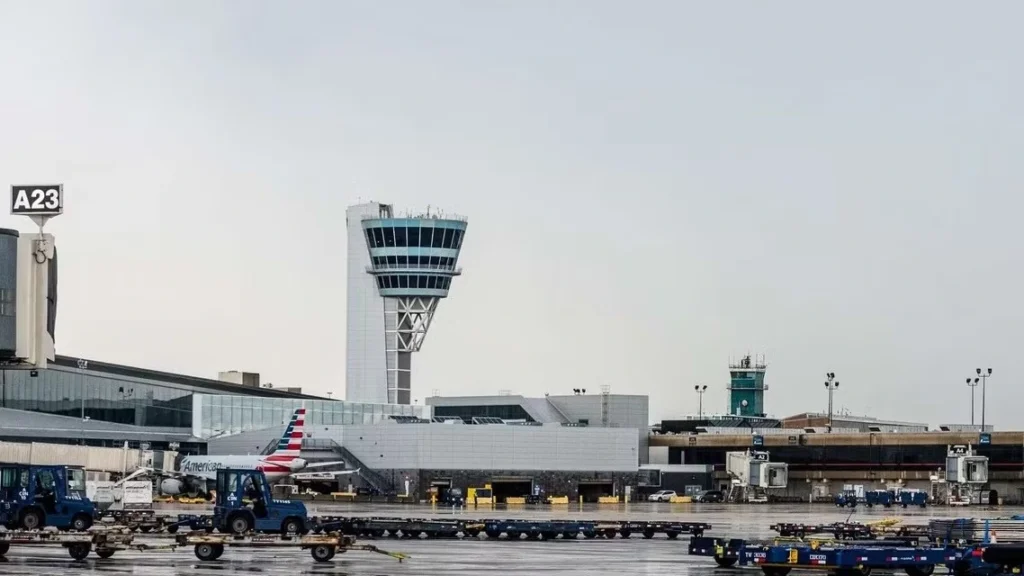
Air traffic controllers quickly recognized the duplicate callsigns and informed both flight crews about the conflict. To avoid confusion, controllers distinguished the aircraft by referring to one as the inbound flight and the other as the outbound flight during radio communications.
The coordinated response ensured both aircraft received the correct instructions while maintaining safe separation. The incident demonstrated the importance of vigilant air traffic controllers and disciplined cockpit communication when unexpected operational issues arise.
Although no safety event occurred, the duplicate callsigns created unnecessary complexity in an environment where precise communication is critical.
Why Airlines Reuse Flight Numbers
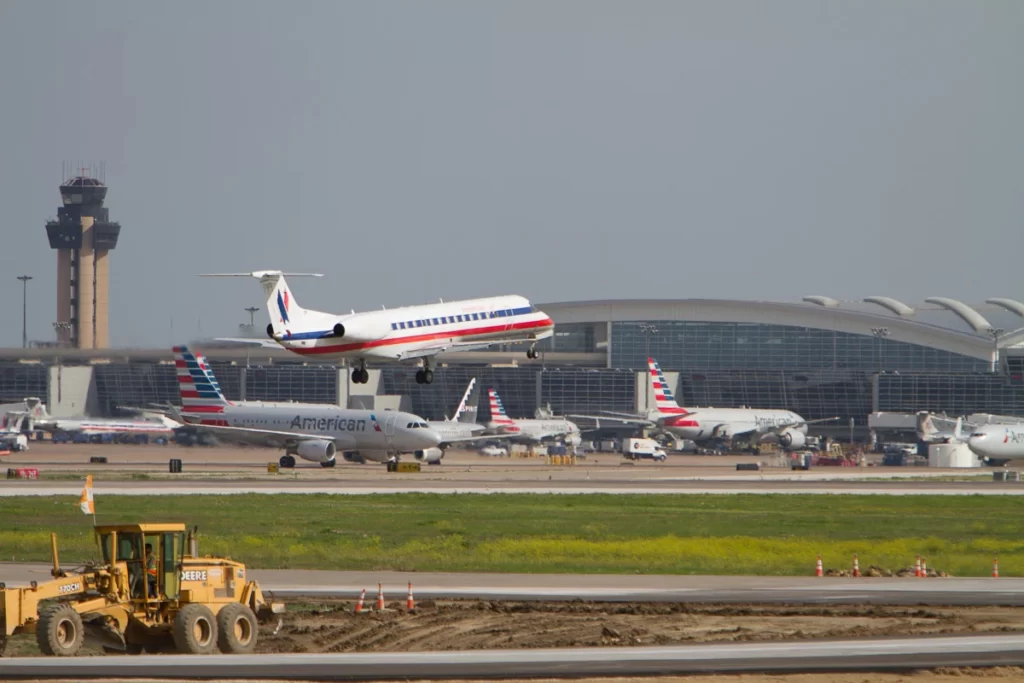
The situation naturally raises questions about why airlines assign the same flight number to flights operating in opposite directions.
The answer lies largely in the scale of airline operations and industry numbering limitations.
Commercial flight numbers are generally restricted to four digits because of longstanding industry and equipment limitations. Major U.S. airlines such as American operate between 6,000 and 7,000 flights every day, making available flight numbers a limited resource.
Additionally, not every number is available for standard passenger flights.
Typically:
- Flight numbers 1 through 2949 are assigned to mainline operations.
- Flight numbers 2950 through 6099 are commonly reserved for regional services.
- Flight numbers 9000 through 9999 are generally used for ferry or repositioning flights.
Airlines must also reserve thousands of additional numbers for codeshare agreements with partner carriers.
As a result, airlines often assign the same flight number to outbound and return services, especially on regional routes where the same aircraft is expected to complete both segments.
Under normal operating conditions, this practice creates no issues because only one aircraft carrying that callsign is airborne at any given time.

Dispatch Procedures Are Designed to Prevent Conflicts
When operational disruptions cause both flights with the same number to operate simultaneously, dispatch procedures are intended to prevent duplicate callsigns from reaching air traffic control.
Industry practice allows dispatchers to create what is commonly known as a stub.
Rather than changing the public flight number seen by passengers, dispatch modifies the flight identifier filed with the FAA. A suffix letter is added to distinguish the aircraft during ATC communications while passenger-facing systems remain unchanged.
For four-digit flight numbers, the first digit is typically removed before the suffix is added because system limitations prevent longer identifiers.
Experienced airline operations personnel have suggested that this step may not have been completed before the flight plans were transmitted, allowing both aircraft to appear with identical callsigns.
If the procedure had been followed correctly, air traffic control would have received two distinct identifiers, eliminating the communication conflict.
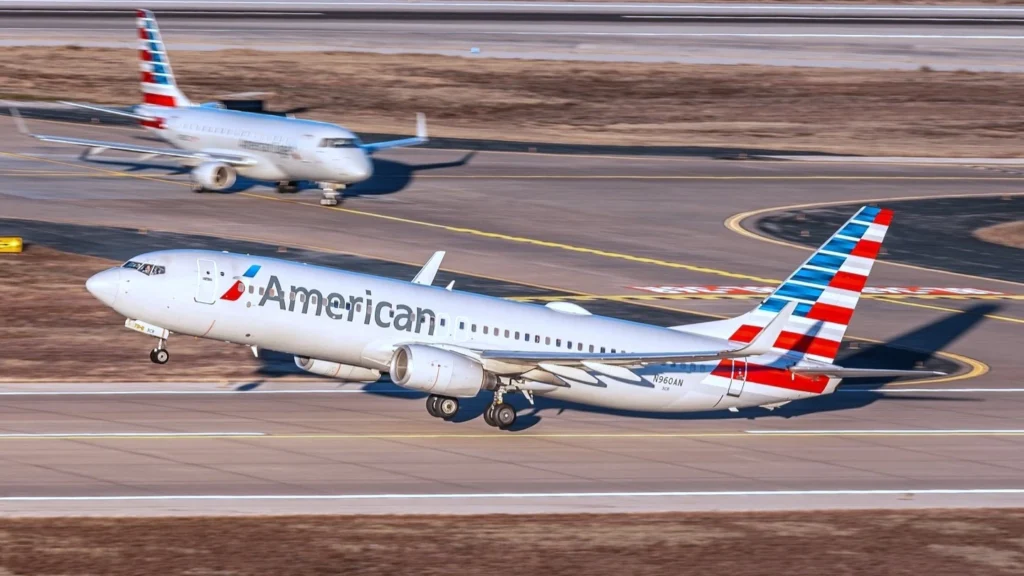
Second Similar Event May Prompt Operational Changes
This was not an isolated occurrence.
A nearly identical duplicate callsign event involving American Airlines was reported only one day earlier, suggesting the issue may reflect a broader operational process rather than a single oversight.
While controllers successfully managed both situations without incident, repeated occurrences increase radio workload and create avoidable opportunities for misunderstanding during busy phases of flight.
Industry observers will likely watch closely to see whether American Airlines reviews its dispatch procedures or introduces additional automated safeguards to prevent duplicate callsigns from being filed with air traffic control.
Strengthening those internal processes could reduce the likelihood of similar events occurring in the future while preserving efficient communication between pilots and controllers.
Bottom Line
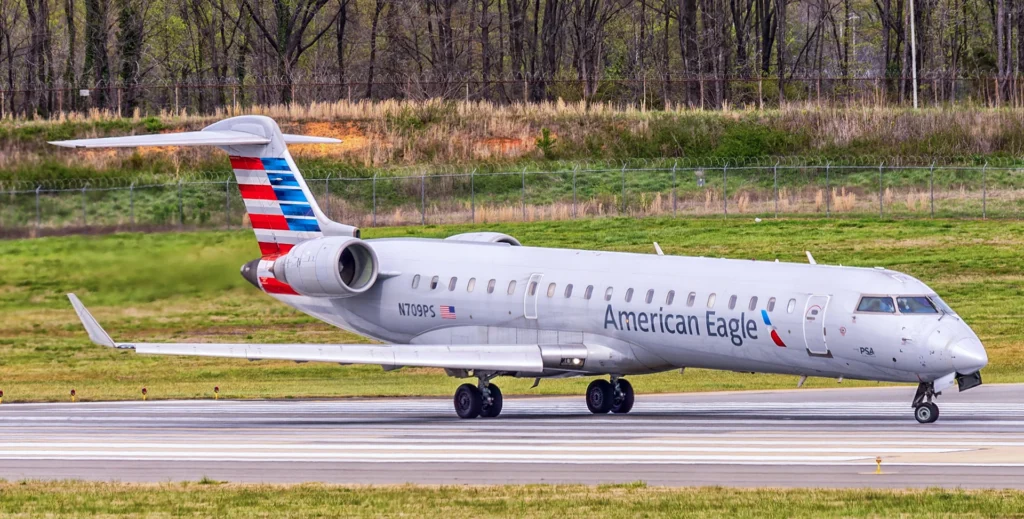
Two American Eagle regional jets operating as American Airlines (AA) Flight 5083 simultaneously entered the airspace with the same ATC callsign after scheduling disruptions placed both aircraft in service at the same time.
Controllers handled the situation professionally by clearly distinguishing the inbound and outbound flights, preventing confusion. The event highlights the importance of proper dispatch procedures, especially when duplicate flight numbers are used, and may encourage operational improvements to avoid similar incidents.
Stay tuned with us. Further, follow us on social media for the latest updates.
Join us on Telegram Group for the Latest Aviation Updates. Subsequently, follow us on Google News
