

Asia has always been a continent of contrasts. You can find places where daily life is remarkably affordable, and then, not too far away, cities where even basic expenses can feel overwhelming. In 2026, data from Numbeo paints a clear picture of where living costs are the highest across the region.
These rankings are based on a cost-of-living index that looks at rent, groceries, dining, transport, and utilities, offering a realistic snapshot of what people actually spend. What stands out is that most of the countries on this list are also economic hubs, places with strong infrastructure, global business connections, and high earning potential. But those advantages often come at a price.
Most Expensive Cities to Live in Asia
From ultra-modern city-states to rapidly developing Gulf nations, here are the top 10 most expensive countries to live in Asia in 2026.

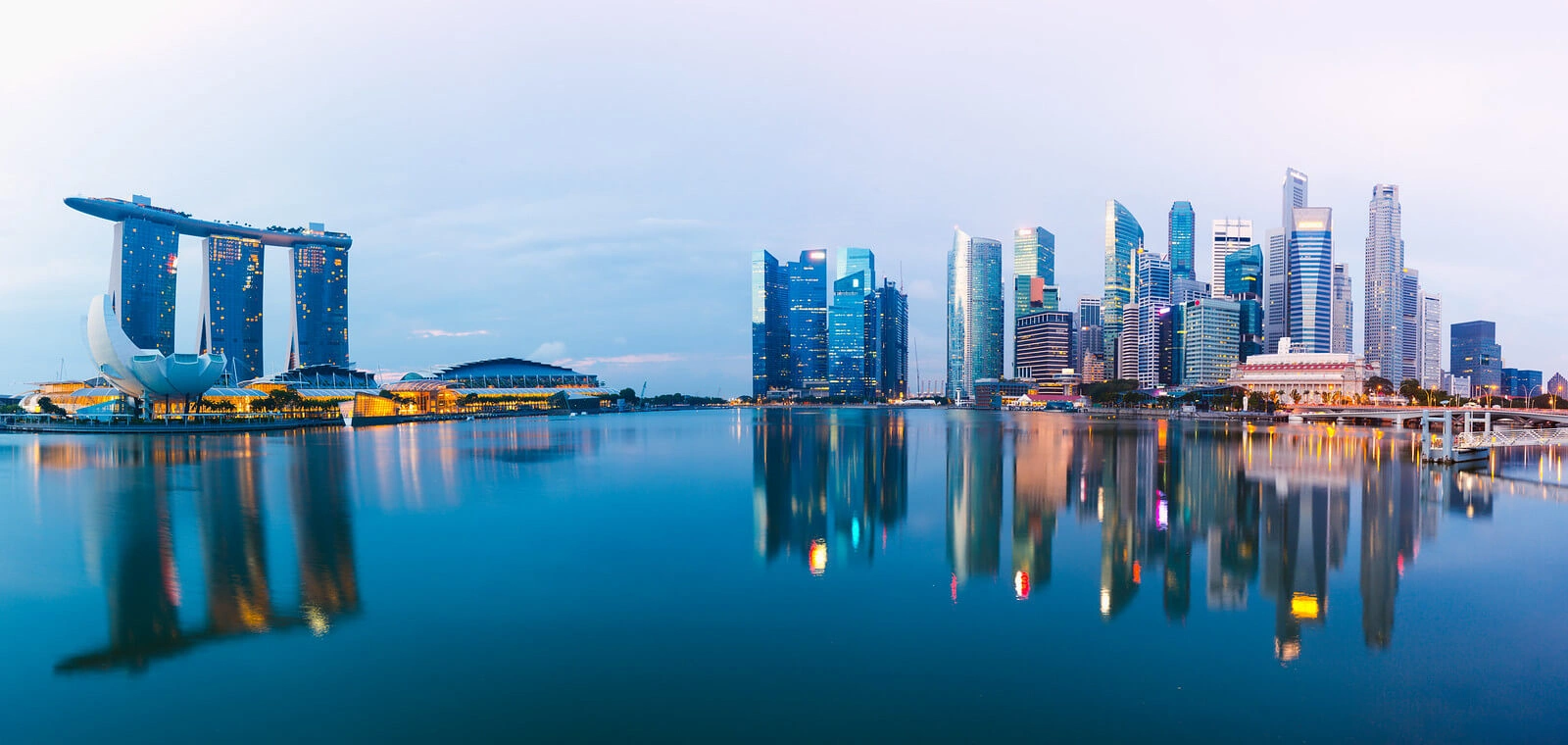
1. Singapore
Singapore continues to dominate as the most expensive place to live in Asia, and it’s not particularly surprising.
Housing is the biggest factor driving costs. With limited land and consistently high demand, property prices, both for buying and renting, are among the highest in the world. Even a modest apartment in central areas can command extremely high monthly rents. Beyond housing, groceries are expensive due to heavy reliance on imports, and car ownership is famously costly due to strict regulations.
However, Singapore balances this with high salaries, world-class infrastructure, safety, and efficiency. Public transport is excellent, healthcare is top-tier, and the overall quality of life remains exceptional. It’s expensive, but also incredibly well-organised.
2. Israel
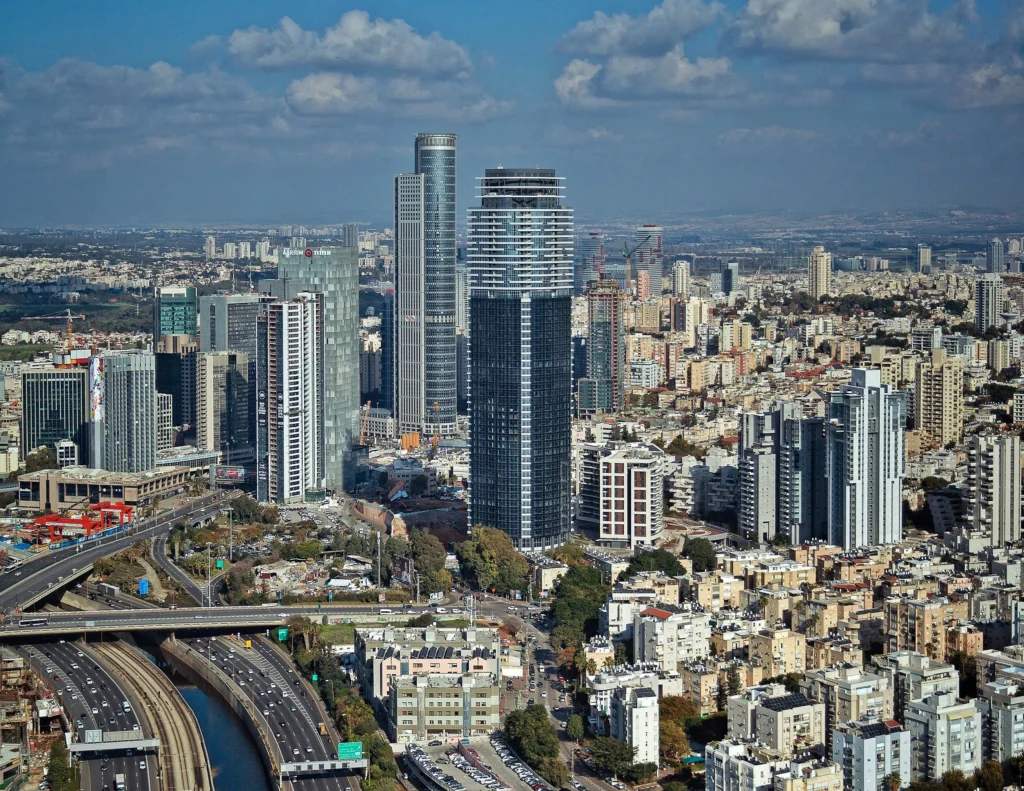
Israel ranks second, with high costs across nearly every category.
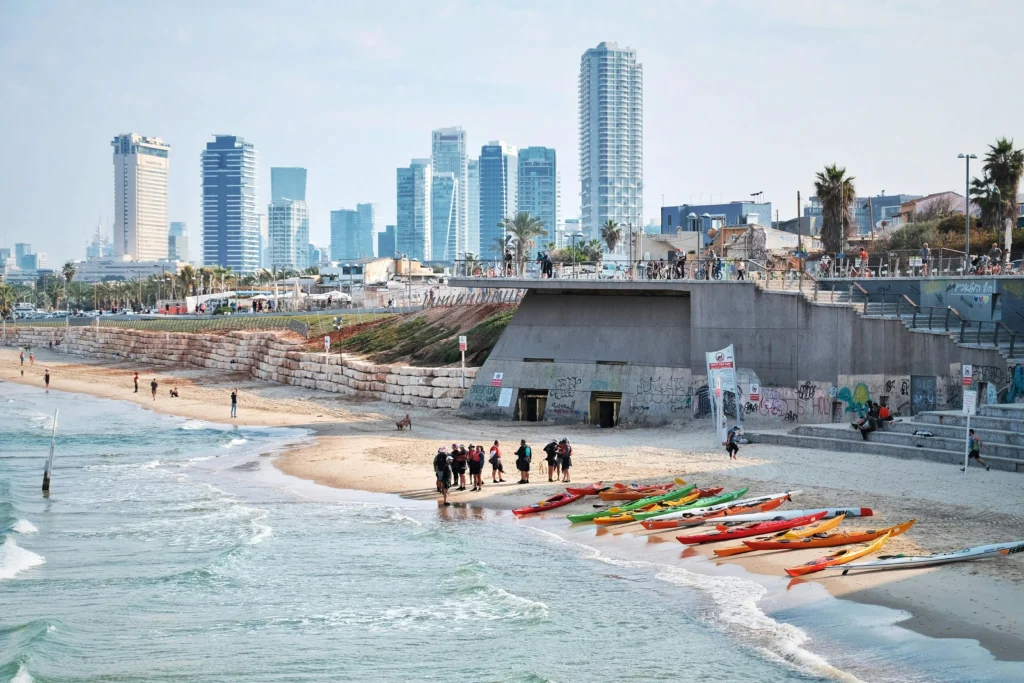
Housing is particularly expensive, especially in Tel Aviv, where property prices rival those of major global cities. Groceries and dining are also costly, partly due to limited competition and reliance on imported goods. Utilities and transportation further add to the financial burden.
Despite these challenges, Israel offers strong earning potential, particularly in the technology and innovation sectors. Salaries are relatively high compared to the region, which helps offset, but not eliminate, the cost pressures.
3. Hong Kong
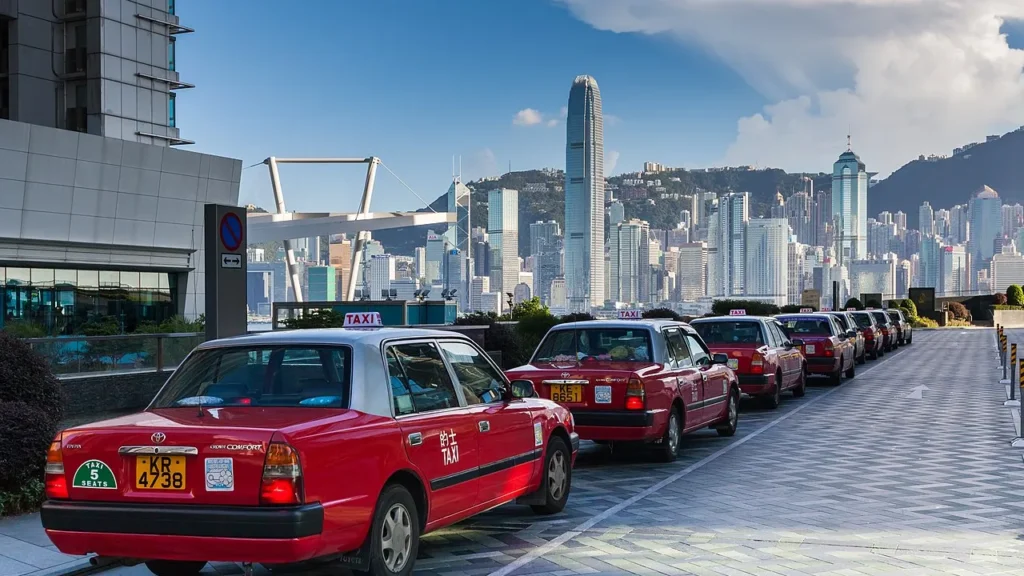
Hong Kong remains one of the most expensive places to live anywhere in the world.
The primary issue is space. With limited land and a dense population, housing costs are extraordinarily high. Even small apartments can be priced at levels that feel disproportionate to their size. Dining out, services, and everyday goods also come at a premium.
Yet, Hong Kong’s status as a global financial centre means opportunities are abundant. High salaries, low taxes, and strong connectivity keep it attractive despite the steep cost of living.
4. South Korea
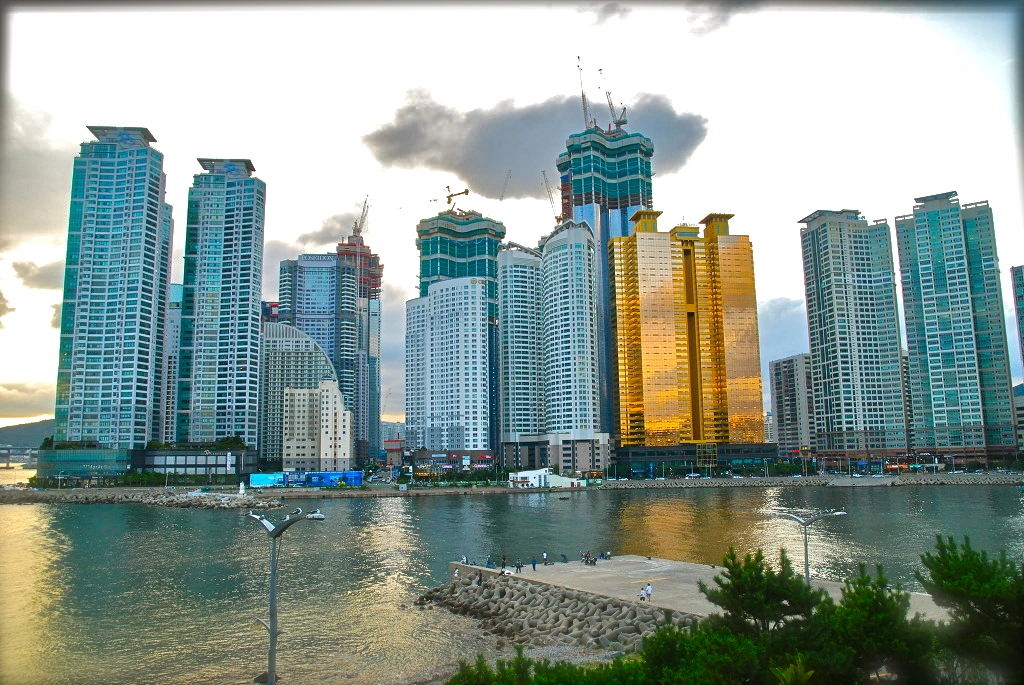
South Korea has seen a noticeable rise in living costs over the past decade.
In Seoul, housing prices have surged, making it one of Asia’s more expensive capitals. Rental systems like “jeonse” require large upfront deposits, which can be financially demanding. Groceries and dining, particularly in urban areas, are also relatively costly.
On the other hand, South Korea offers excellent public transport, advanced infrastructure, and strong job markets, especially in technology and manufacturing. The cost is high, but so is the level of development.
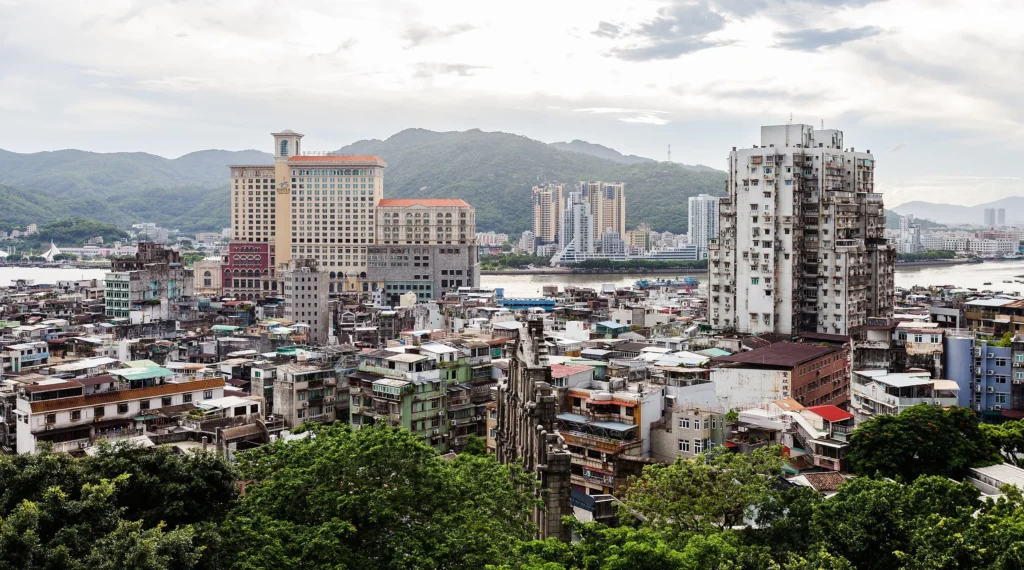
5. Macao
Macao stands out due to its unique economic model.
Driven largely by tourism and the casino industry, Macao has a high-income economy that pushes up prices. Housing is expensive due to limited space, and services—especially those tied to tourism—tend to be priced higher.
While the territory is small, it offers a high standard of living. However, affordability can be a concern for those not directly benefiting from its main industries.
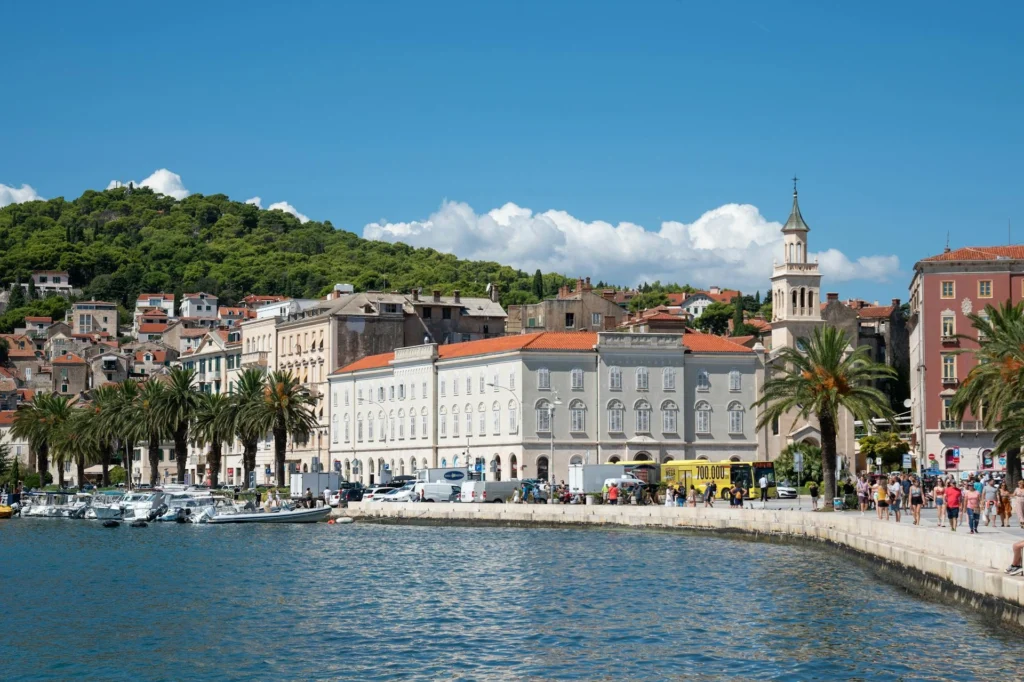
6. Cyprus
Cyprus appears in the rankings despite being geographically on the edge of Asia.
Costs here are driven by housing, utilities, and imported goods, particularly in coastal cities and expat-heavy areas. While it may not be as extreme as Singapore or Hong Kong, the overall expense level is still relatively high.
Cyprus offers a relaxed Mediterranean lifestyle, good weather, and access to European markets, which makes it appealing, even if living costs are higher than expected.
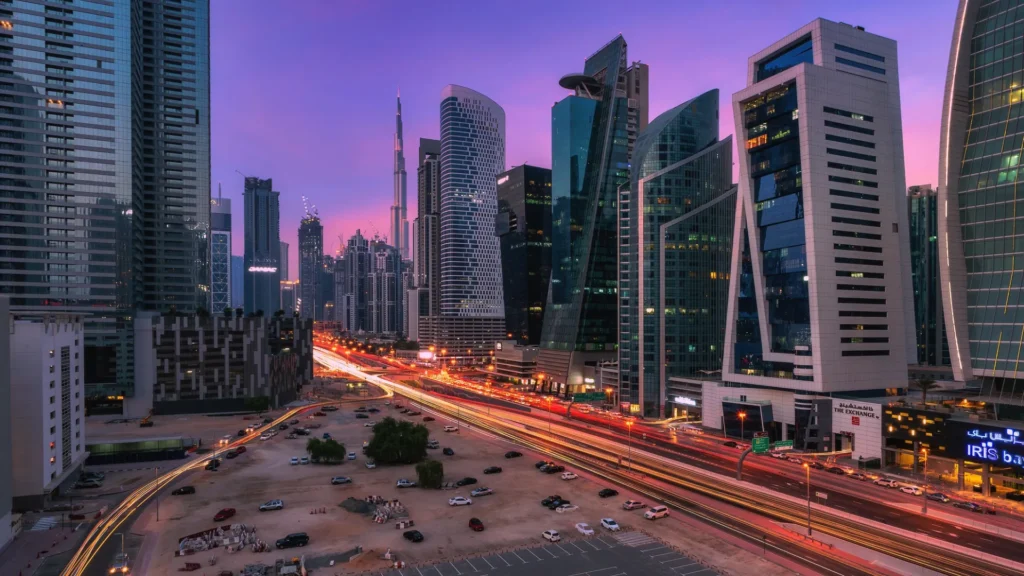
7. United Arab Emirates
The United Arab Emirates is known for its luxurious lifestyle and the costs that come with it.
In cities like Dubai and Abu Dhabi, housing can be expensive, especially in prime areas. Dining, entertainment, and schooling (for expats) can also significantly increase monthly expenses.
However, one major advantage is tax-free income. Combined with high salaries and employer benefits, many residents find the cost manageable, depending on their lifestyle choices.

8. Yemen
Yemen appears on this list for reasons quite different from others.
While absolute prices may not be high compared to developed nations, the gap between income and expenses makes living costs relatively expensive for residents. Economic challenges, limited infrastructure, and supply constraints contribute to higher effective costs.
It highlights an important point – the cost of living isn’t just about how much things cost, but about what people can afford.
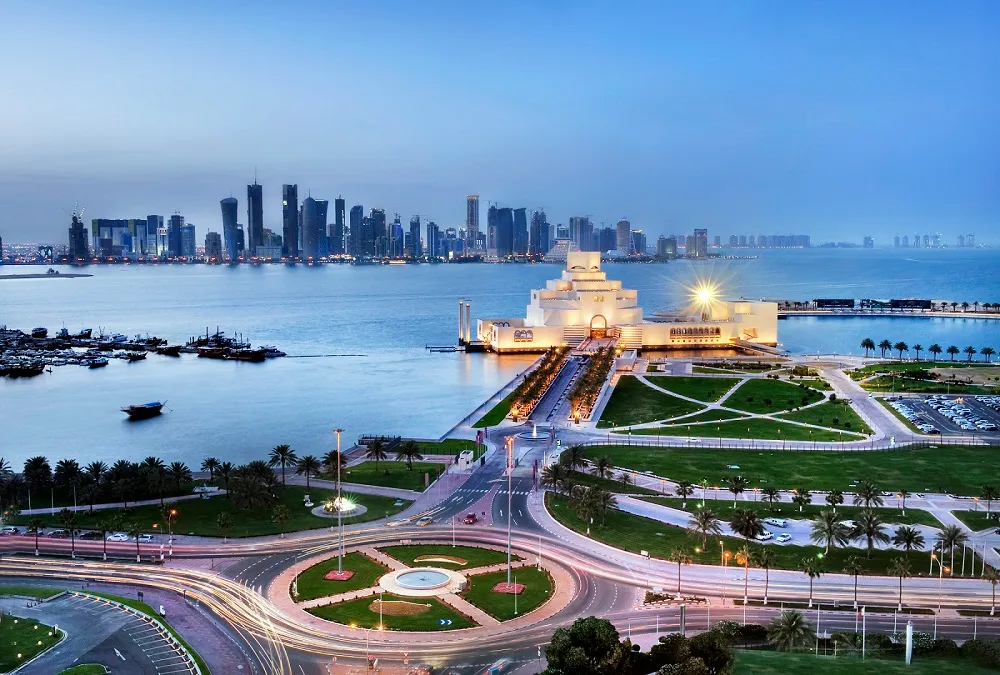
9. Qatar
Qatar is another high-cost destination, particularly for expatriates.
Housing is a major expense, especially in Doha, along with utilities and imported goods. Dining and lifestyle costs can also add up quickly, particularly in more upscale areas.
Like the UAE, Qatar offers strong salaries and benefits packages, often including housing allowances, which help offset the high cost of living.
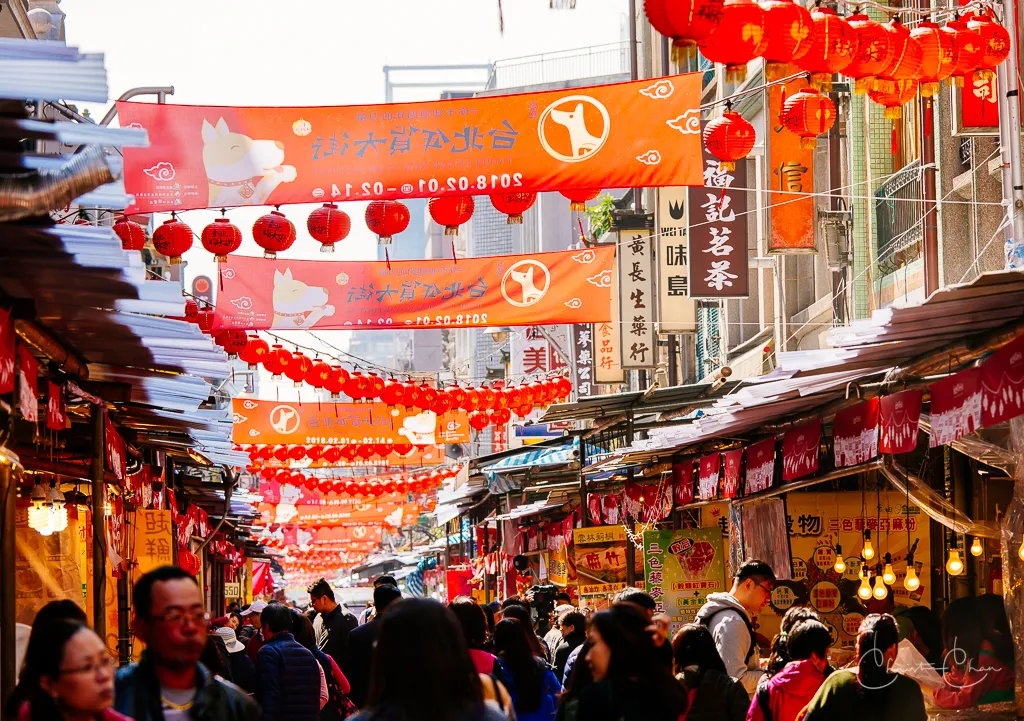
10. Taiwan
Taiwan completes the list.
While generally more affordable than many others here, Taiwan has seen rising costs, particularly in Taipei. Housing prices have increased, and everyday expenses are gradually climbing.
However, Taiwan stands out for its excellent healthcare system, safety, and overall quality of life. It offers a balanced lifestyle, even as costs continue to rise.

Bottom Line
The 2026 rankings from Numbeo reveal a clear pattern as Asia’s most expensive countries are typically those with strong economies, global relevance, and high standards of living.
In the end, living in these countries can offer incredible opportunities, but it almost always requires careful financial planning and realistic expectations.
Most Expensive Countries in Asia FAQs
Numbeo uses user-submitted data on prices of rent, groceries, transport, and services to create a comparative index.
Limited land, high demand, and strong economies push up housing and living costs significantly in both places.
Not necessarily, as countries like the United Arab Emirates and Qatar often offer high salaries and benefits that can balance the expenses.
Stay tuned with us. Further, follow us on social media for the latest updates.
Join us on Telegram Group for the Latest Aviation Updates. Subsequently, follow us on Google News
