

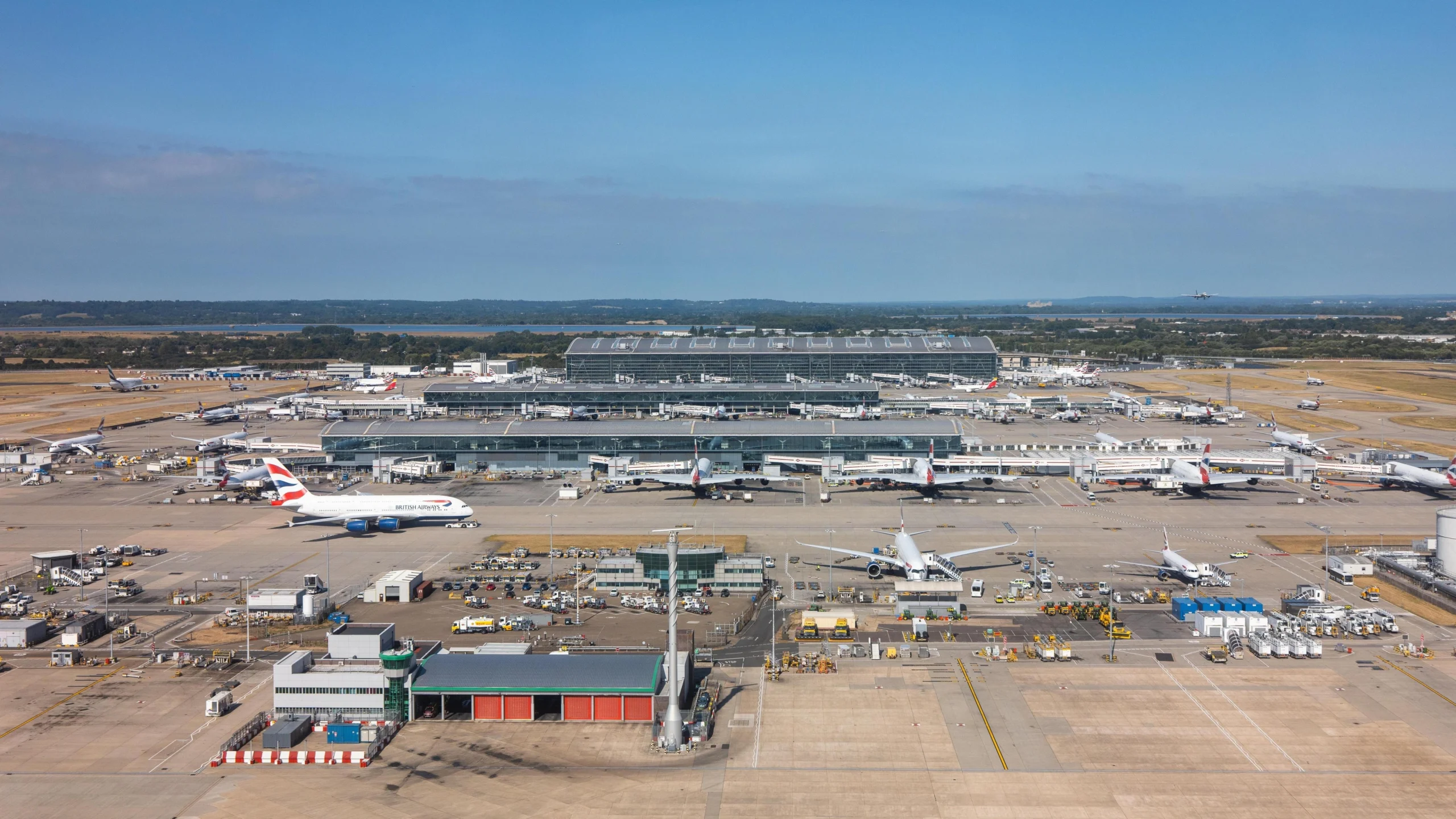
LONDON— Virgin Atlantic (VS) has challenged the UK Government’s economic case for a third runway at Heathrow Airport (LHR), warning that rising expansion costs could make the airport too expensive for airlines to use.
The airline argues that higher passenger charges could undermine the consumer and economic benefits presented by the Government.
The criticism comes as the Department for Transport (DfT) advances its draft Heathrow Expansion National Policy Statement (HENPS), which sets the policy framework for assessing a proposed Northwest Runway.
The Government opened public consultation in June 2026, with parliamentary scrutiny scheduled to continue until November 26.
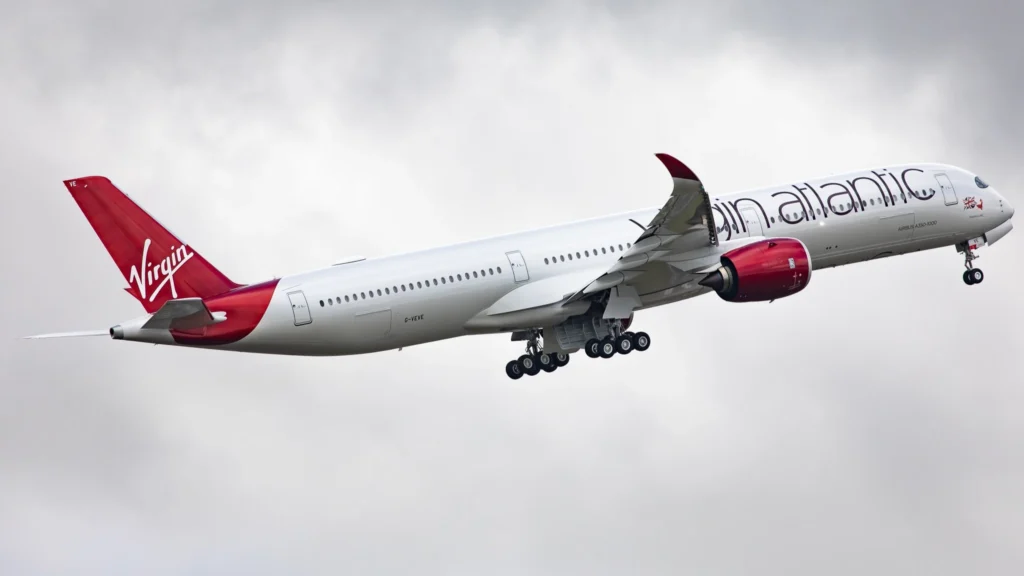
Airlines Challenge Rising Expansion Costs
Virgin Atlantic questioned whether the expansion can deliver its projected benefits if airlines and passengers must absorb significantly higher airport charges.
It said the Government’s economic assessment assumes airlines could reduce fares while passenger charges rise sharply, creating uncertainty around the overall business case.
The airline highlighted an estimated £33 billion cost for the core expansion, which could rise to £49 billion when wider terminal and infrastructure investment is included.
Virgin Atlantic warned that such spending could weaken Heathrow’s competitiveness if charges rise beyond what airlines can support.
International Airlines Group (IAG), the parent company of British Airways (BA), has also called for stronger cost controls.
IAG has urged the Government to impose a £30 billion cap, arguing that the current £49 billion proposal could push passenger charges substantially higher and reduce Heathrow’s attractiveness.
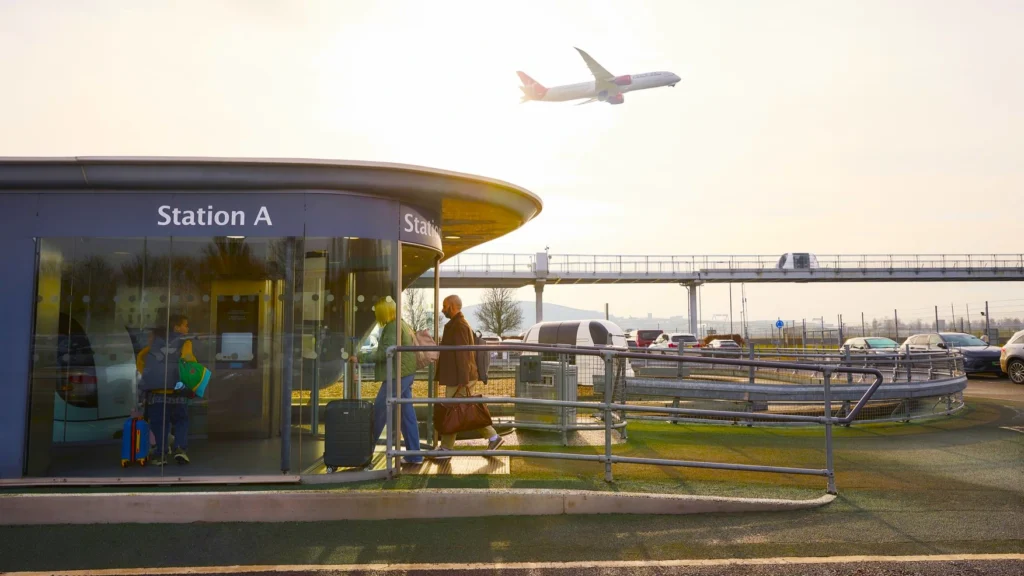
Heathrow Expansion Debate Faces Growing Scrutiny
Airline representatives have also called for affordability to become an additional test for the project, alongside climate change, noise, air quality and economic growth.
The London Heathrow Airline Consultative Committee and Airlines Operators Committee have warned that passengers and airlines could ultimately face an uncontrolled financial burden.
The proposed expansion would increase Heathrow’s capacity substantially, with the airport targeting as many as 756,000 annual flights and 150 million passengers.
Heathrow says additional capacity would increase competition, improve connectivity and potentially deliver £79 billion in passenger benefits over 60 years.
However, the Civil Aviation Authority has identified uncertainty in the economic modelling behind the projected passenger benefits.
Its analysis noted that the £79 billion estimate depends heavily on assumptions about Heathrow’s congestion premium and demand growth, while also acknowledging that the modelling does not fully assess how construction costs could be passed to consumers through higher airport charges.
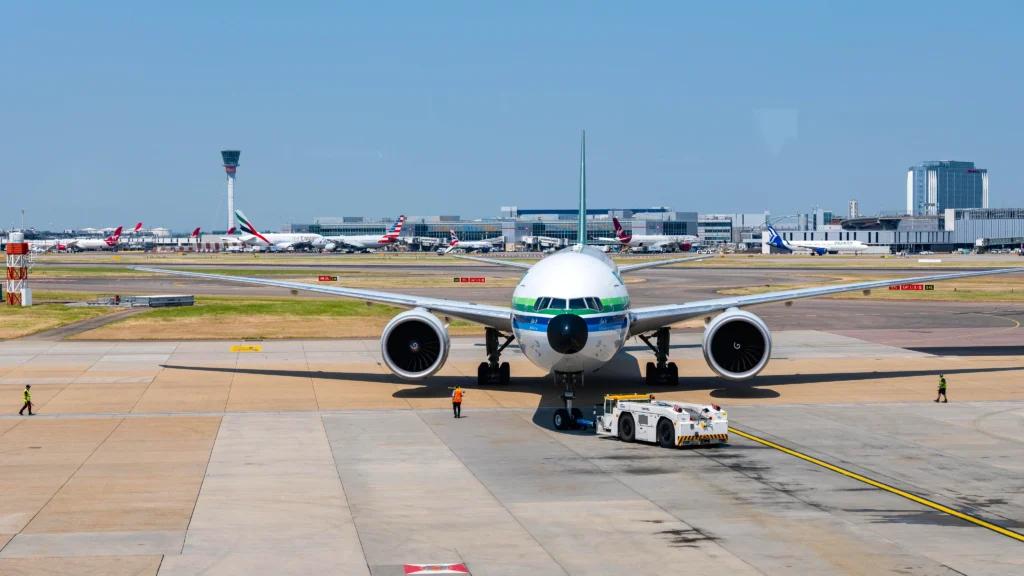
Government Defends Heathrow Expansion Plan
The Government maintains that Heathrow expansion could strengthen UK connectivity, support economic growth and create more than 60,000 local jobs.
The DfT has commissioned independent economic modelling to assess the project’s potential effects on GDP, trade and employment.
Heathrow has defended its proposal, saying expansion would improve punctuality, reduce congestion and give airlines greater scope to add routes. The airport also argues that increased competition could lower fares and provide passengers with more choice, The Standard reported.
The dispute now places affordability at the centre of the third-runway debate.
With airlines questioning the scale of investment while Heathrow promotes long-term passenger and economic gains, the Government faces continued scrutiny over whether the project can deliver its promised benefits without imposing high costs on the aviation sector.
Stay tuned with us. Further, follow us on social media for the latest updates.
Join us on Telegram Group for the Latest Aviation Updates. Subsequently, follow us on Google News
