

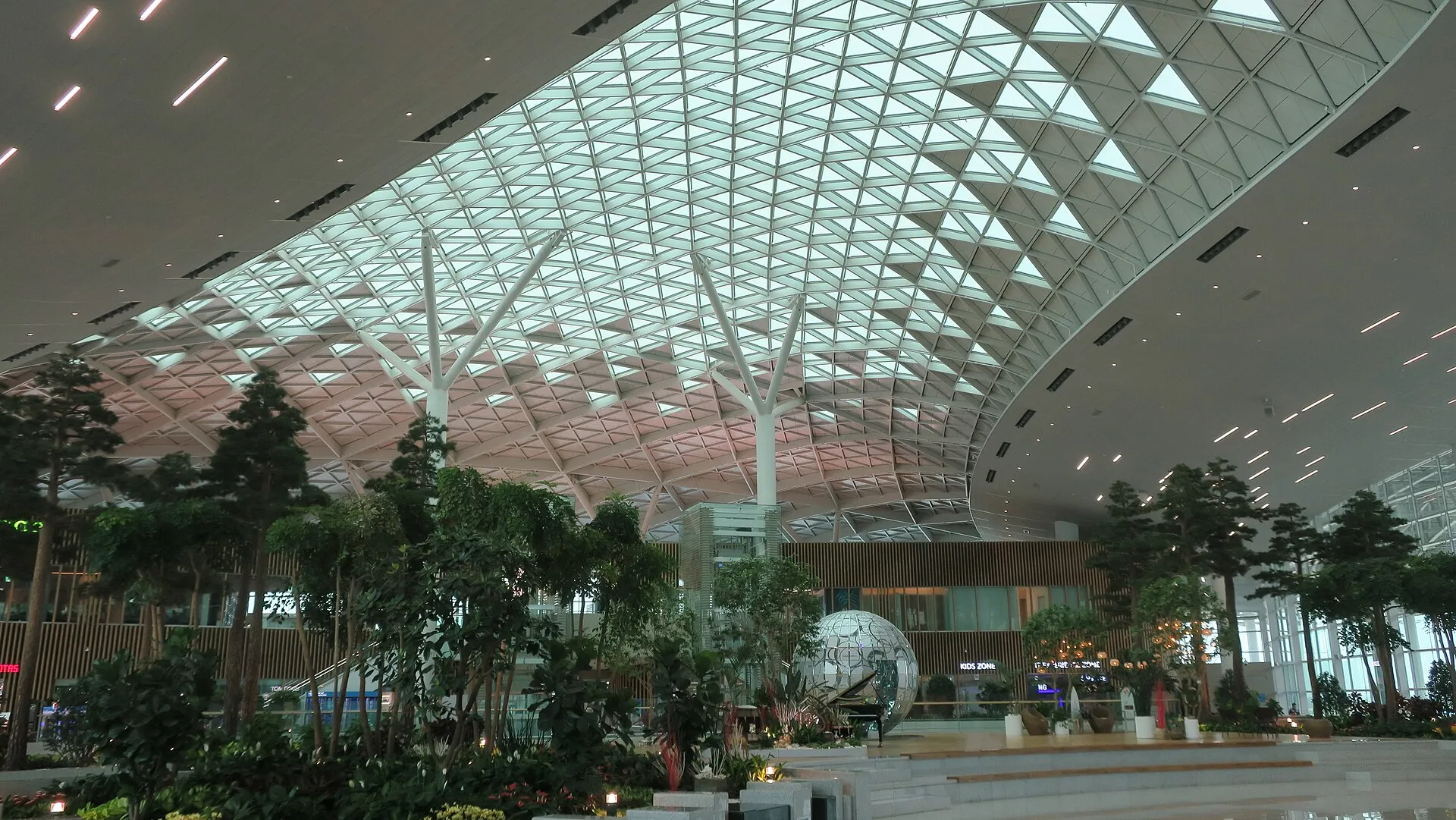
SEOUL- Incheon International Airport (ICN) has become the world’s busiest airport for international passenger traffic during the first half of 2026, surpassing London Heathrow Airport (LHR), according to preliminary data from Airports Council International (ACI). The milestone reflects strong passenger demand and changing global travel patterns.
Incheon International Airport (ICN), the primary gateway to South Korea, handled 38.4 million international passengers between January and June 2026. London Heathrow Airport (LHR) followed with 37.79 million passengers, while Singapore Changi Airport (SIN) ranked third with 34.53 million passengers.
Incheon Climbs to the Top of Global International Rankings
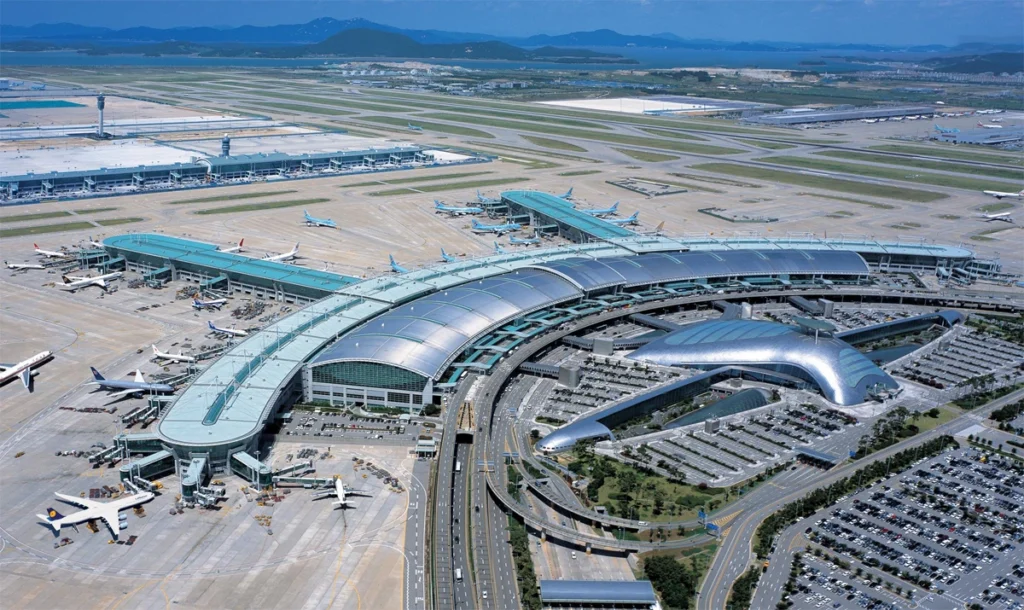
Preliminary figures released by Airports Council International (ACI) show that Incheon International Airport recorded the highest international passenger traffic worldwide during the first six months of 2026. The achievement marks the first time the South Korean hub has claimed the top position.
The airport handled 38.4 million international passengers during the period, ahead of London Heathrow Airport (LHR), which processed 37.79 million passengers. Singapore Changi Airport (SIN) secured third place with 34.53 million passengers.
The result represents a significant shift compared to previous years. Incheon ranked 12th globally in 2024 and 13th in 2025 based on full-year international passenger statistics. Heathrow ranked fifth in 2024 and seventh in 2025.
Middle East Traffic Shift Supported Passenger Growth
According to Incheon International Airport Corporation, part of the increase came from changes in international travel patterns caused by the conflict involving the United States and Iran.
The airport said some passengers who previously connected through Dubai International Airport (DXB) on journeys to Europe began using Incheon as an alternative transit hub. This contributed to an 18 percent increase in transfer passengers compared with the same period last year.
Transfer traffic to European destinations grew even faster. The number of passengers connecting through Incheon before flying to Europe increased by 63.2 percent, reaching approximately 210,000 travelers during the first half of the year.
Dubai International Airport (DXB), which ranked second globally in both 2024 and 2025 based on full-year international passenger traffic, is expected to fall outside the top five in the latest rankings.
Infrastructure Expansion Increased Airport Capacity
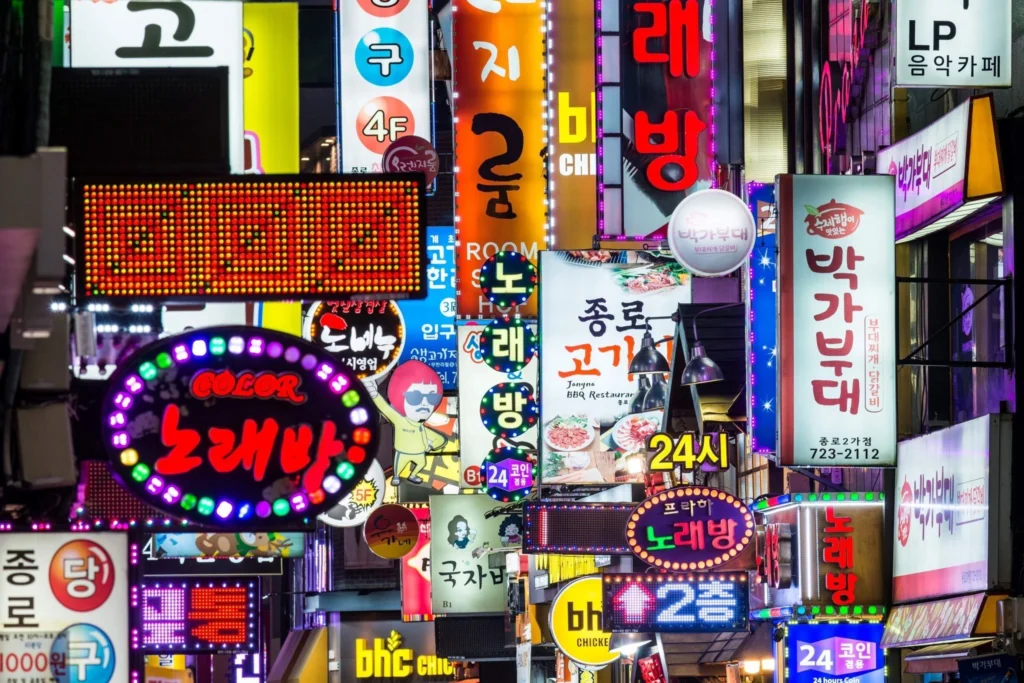
Incheon International Airport Corporation also credited its improved ranking to recent infrastructure expansion that enabled the airport to accommodate higher passenger volumes.
Since opening in 2001, Incheon International Airport has continuously expanded its facilities, allowing it to support increasing international traffic while maintaining operational efficiency.
The airport currently serves 158 international destinations, giving airlines and passengers access to one of the world’s largest international route networks.
This extensive connectivity strengthens Incheon’s position as a major transfer hub linking Northeast Asia with Europe, North America, Southeast Asia, and other global markets.

Extensive Route Network Strengthens Competitive Position
Incheon now serves more international destinations than several major Asian competitors.
According to the airport corporation:
- Incheon International Airport (ICN): 158 international destinations
- Hong Kong International Airport (HKG): 139 destinations
- Shanghai Pudong International Airport (PVG): 92 destinations
- Tokyo Narita International Airport (NRT): 86 destinations
The larger network provides airlines with greater scheduling flexibility while offering passengers more direct and connecting travel options.
Combined with modern airport infrastructure and growing transfer traffic, the network has helped strengthen Incheon’s competitiveness among the world’s leading international aviation hubs.
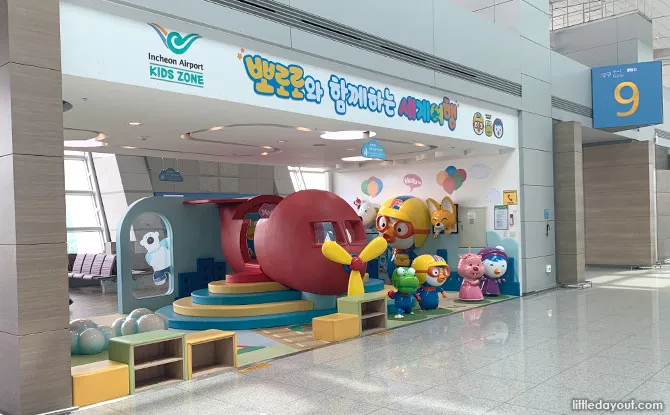
Airport Plans to Focus on Passenger Experience
Acting President of Incheon International Airport Corporation, Kim Beom-ho, welcomed the achievement and acknowledged the contribution of government support, airport employees, and the traveling public.
Kim said the airport intends to further strengthen its global competitiveness by continuing to improve passenger convenience and enhancing the overall travel experience.
As international travel continues to recover and global airline networks evolve, Incheon aims to maintain its position as one of the world’s leading international gateways through continued investment in infrastructure, operational efficiency, and customer service.
Seoul Travel Guide
Seoul blends centuries of Korean history with modern city life, making it one of Asia’s most rewarding destinations for travelers. From royal palaces and hanok villages to shopping districts and world-famous street food, the city offers experiences for every type of visitor.
Most international visitors arrive through Incheon International Airport (ICN), which provides efficient transport connections into the city. A well-planned itinerary allows travelers to experience Seoul’s culture, cuisine, shopping, wellness, and historical landmarks within a few days.
Planning Your First Trip to Seoul
One of the biggest challenges for first-time visitors is deciding what to prioritize. Seoul has countless neighborhoods, restaurants, attractions, and cultural experiences, making itinerary planning overwhelming without proper preparation.
For most travelers, spending four to five days provides enough time to explore the city’s highlights while leaving room for a day trip. Those looking for a slower pace can extend their stay to six or seven days and explore local neighborhoods in greater depth.
Spring between April and June and autumn between September and November remain the most comfortable seasons for sightseeing because of pleasant temperatures and beautiful natural scenery. Summers are hot and humid, while winters are cold but less crowded.
Getting Around the City
Seoul’s public transportation system is one of the easiest ways to explore the city. The subway connects nearly every major attraction and is affordable, reliable, and English-friendly. Buses complement the rail network, while walking remains the best way to discover neighborhoods filled with local shops and cafés.
Visitors are encouraged to purchase a T-money card for convenient travel across buses, subways, and some taxis. Navigation apps such as Naver Map and KakaoMap are more accurate than Google Maps for finding routes within South Korea. Translation apps like Papago also make communication much easier.
Historic Palaces and Cultural Landmarks
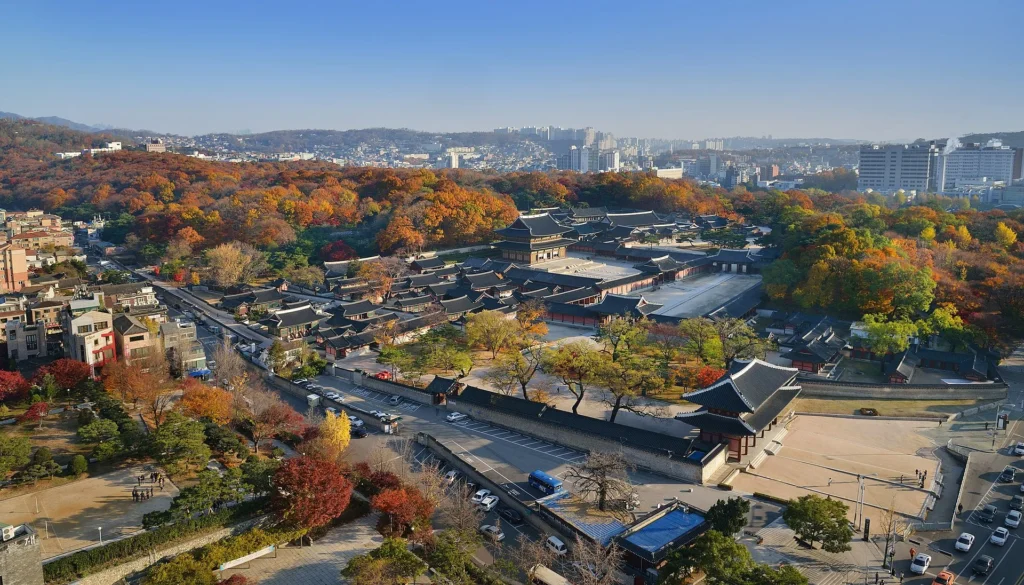
Gyeongbokgung Palace remains Seoul’s most iconic royal palace and should be at the top of every visitor’s itinerary. Originally built in 1395, the palace features grand architecture, landscaped grounds, ceremonial gates, and the popular Changing of the Royal Guard ceremony. Visitors wearing traditional Hanbok clothing receive free admission.
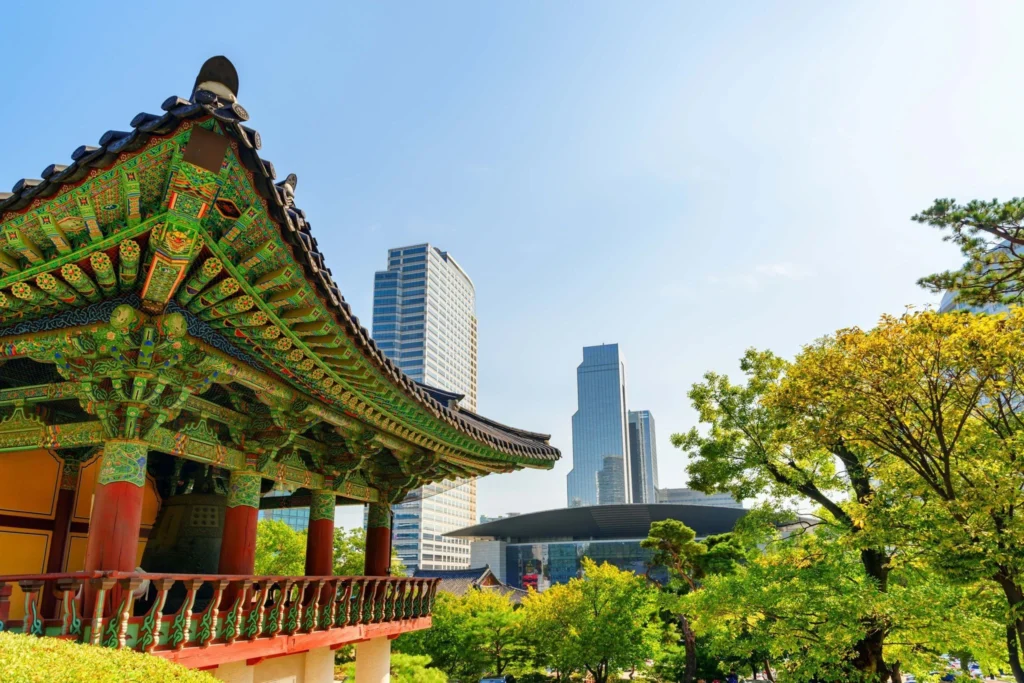
Bongeunsa Temple provides a peaceful contrast to the surrounding city. Founded in 794 AD, the temple features historic Buddhist architecture, national treasures, and seasonal festivals that showcase Korean cultural traditions.
Changgyeonggung Palace offers quieter gardens and well-preserved royal buildings. Guided tours and advance reservations for the Secret Garden help visitors experience the palace more fully.
Top Attractions Worth Visiting
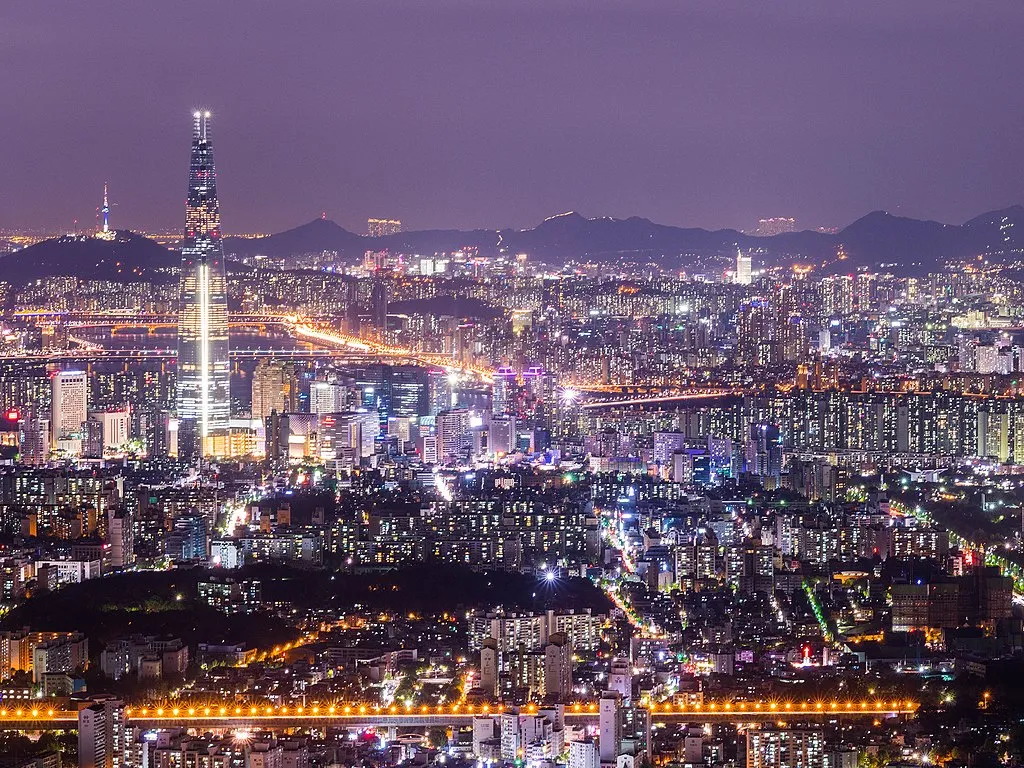
Namsan Park and N Seoul Tower deliver panoramic views across the capital. Visitors can either hike to the summit or ride the Namsan Cable Car. The observation area, restaurants, performances, and famous love locks make it one of Seoul’s most popular attractions.
The Gangnam Style Sculpture celebrates Psy’s globally recognized hit song and has become a popular stop for K-pop fans. Located near Starfield COEX Mall and Bongeunsa Temple, it fits easily into a half-day itinerary.
Unique Experiences Beyond Traditional Sightseeing
Travelers looking for authentic cultural experiences can participate in a Kimchi cooking class. These hands-on sessions teach participants about Korea’s signature dish while allowing them to prepare and take home freshly made kimchi.
Starfield COEX Mall attracts visitors with its impressive public library, one of Seoul’s most photographed indoor attractions. Towering bookshelves and striking architecture make it a favorite stop for photography enthusiasts.
Best Neighborhoods to Explore
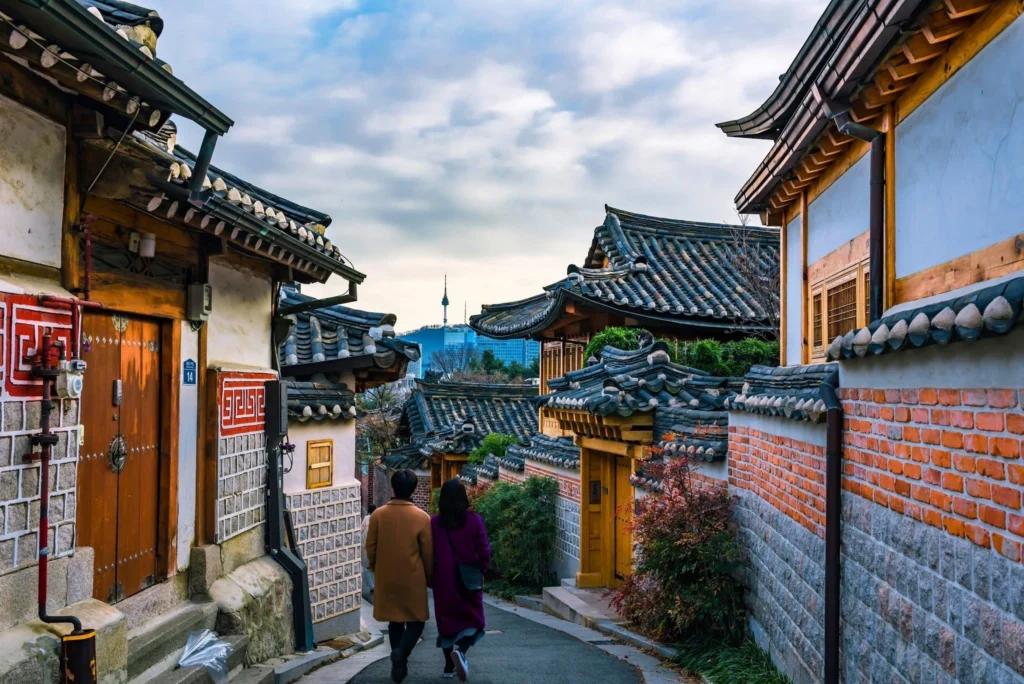
Bukchon Hanok Village preserves hundreds of traditional Korean homes, offering scenic streets filled with tea houses, boutiques, and cultural attractions. Visitors are encouraged to respect local residents while exploring the historic district.
Ikseon-dong combines traditional hanok architecture with modern cafés, independent stores, restaurants, and photo studios, creating one of Seoul’s most charming neighborhoods.
Myeongdong remains Seoul’s shopping capital. Fashion stores, cosmetics brands, department stores, and street food vendors attract visitors throughout the day and into the evening.
Seongsu-dong has emerged as Seoul’s creative district, featuring industrial-style cafés, boutique shops, skincare stores, and art spaces.
Hongdae offers energetic nightlife, live performances, shopping, cafés, and weekend markets that appeal to younger travelers seeking entertainment after sunset.
Wellness and Beauty Experiences
Korean wellness culture is another highlight of visiting Seoul. Modern jjimjilbangs such as AQUAFIELD Goyang provide visitors with saunas, baths, and relaxation facilities in a comfortable environment.
Luxury spa treatments at 1899 Jeonggwanjang combine traditional Korean wellness practices with modern therapeutic services. Visitors seeking skincare treatments also have access to advanced dermatology clinics, while specialized hair spas such as Ecojardin provide premium scalp and hair care experiences.
Where to Stay in Seoul
Choosing the right neighborhood significantly improves a Seoul itinerary. Central districts such as Myeongdong and Ikseon-dong reduce travel times while providing convenient access to shopping, attractions, and public transport.
Accommodation options range from affordable international hotel brands to luxury boutique properties and traditional hanok stays. Travelers interested in nightlife may prefer Hongdae, while Gangnam offers upscale hotels and modern city views.
Seoul’s Diverse Food Scene
Food plays a central role in any visit to Seoul. Korean barbecue, tteokbokki, hotteok, kimchi, seafood, cafés, and innovative restaurants can be found across the city. Planning restaurant reservations ahead of time helps visitors secure tables at popular dining destinations, especially those that frequently trend on social media.
Bottom Line
Seoul offers an outstanding combination of history, culture, shopping, wellness, and cuisine that appeals to both first-time and returning visitors.
Careful planning, efficient use of public transportation, and choosing neighborhoods that match individual travel interests allow visitors to experience the city’s diverse attractions while making the most of every day.
Stay tuned with us. Further, follow us on social media for the latest updates.
Join us on Telegram Group for the Latest Aviation Updates. Subsequently, follow us on Google News
