


CHRISTCHURCH- A United States Air Force (USAF) C-17 Globemaster III flight heading from Christchurch Airport (CHC) to McMurdo Station in Antarctica returned to New Zealand after aviation authorities issued a safety warning over potentially hazardous space activity. The aircraft, operating as ICE28, turned back after receiving information through an official Notice to Airmen (NOTAM).
The advisory was issued by New Zealand’s Civil Aviation Authority (CAA) after Russia’s State Air Traffic Management Corporation notified officials of planned missile-related activity affecting international airspace within New Zealand’s Oceanic Flight Information Region (FIR). The flight departed Christchurch Airport (CHC) but safely returned without continuing toward Antarctica.
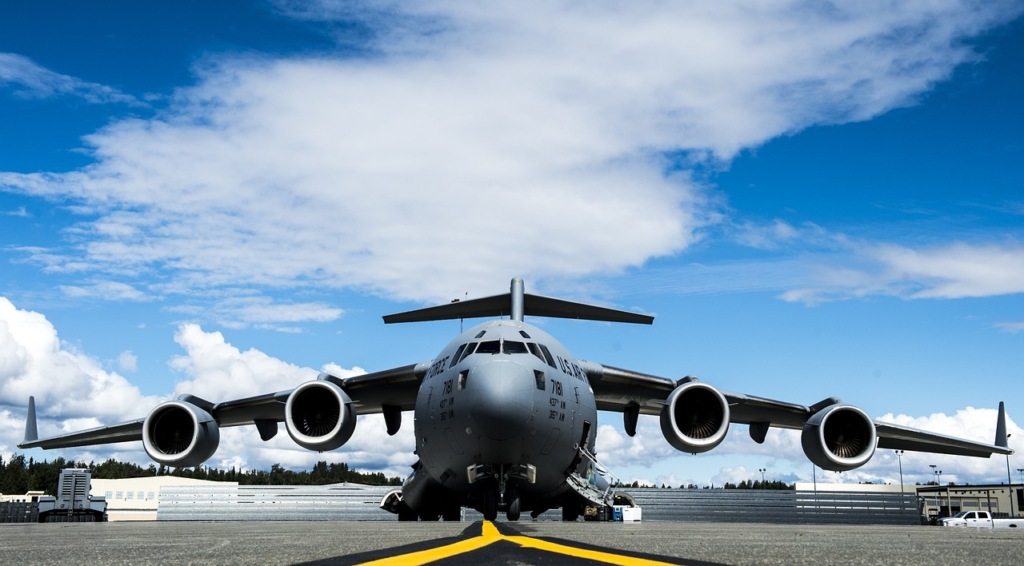
Missile Warning Prompted Precautionary USAF Flight Return
The US Air Force aircraft departed Christchurch Airport at approximately 9:00 a.m. local time on Tuesday as part of routine logistical operations supporting Antarctic research missions.
According to flight tracking data from Flightradar24, the C-17 Globemaster III, using the call sign ICE28, headed south toward Antarctica before reversing course and landing back at Christchurch just before 11:30 a.m. The flight lasted roughly 150 minutes.
New Zealand’s Civil Aviation Authority confirmed that it was aware of the aircraft’s return after issuing a NOTAM warning pilots about potentially hazardous activity in the region.
The agency explained that the warning followed information received from Russia’s State Air Traffic Management Corporation regarding planned space activity.
A day later, the Civil Aviation Authority clarified that the notification specifically related to a planned missile launch and the associated risk to aircraft operating within New Zealand’s Oceanic Flight Information Region.
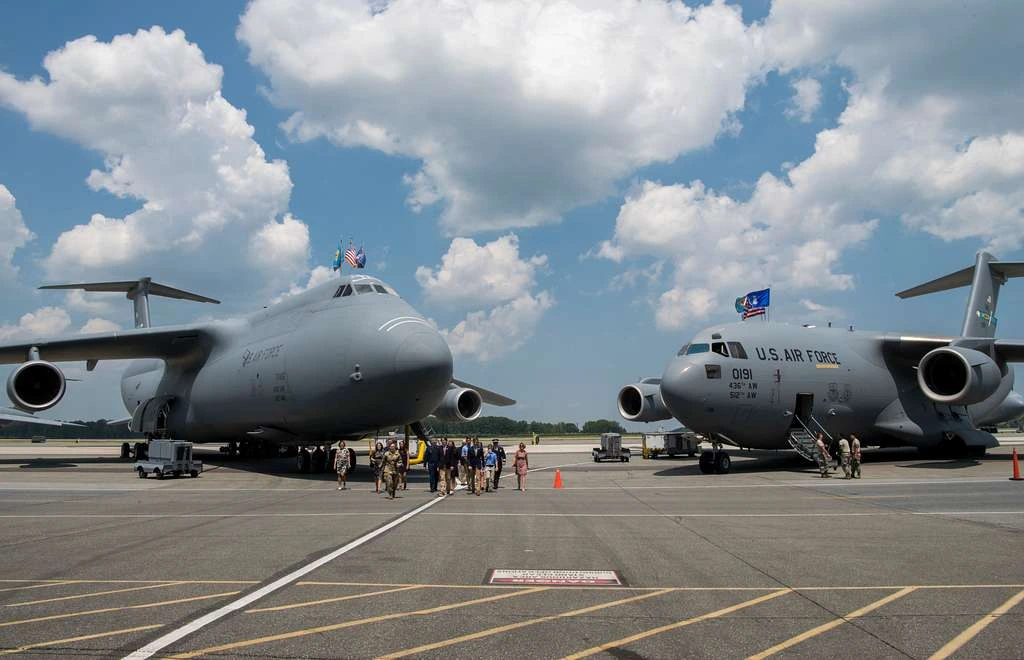
What the NOTAM Meant for Flight Operations
A Notice to Airmen, commonly known as a NOTAM, is an official aviation advisory that alerts pilots and aircraft operators to temporary hazards or operational changes that may affect flight safety.
Following the Russian notification, New Zealand established a designated danger area and published a NOTAM covering the affected airspace.
The Civil Aviation Authority emphasized that issuing a NOTAM does not prohibit flights from entering the area. Instead, it provides operators with the information needed to conduct their own safety assessments and determine whether to continue or alter flight plans.
Officials stated that airlines and military operators remain responsible for making operational decisions based on the latest safety information available.
ALSO READ: Turkey’s New F-35 Deal with Donald Trump Stalled, Here’s Why?
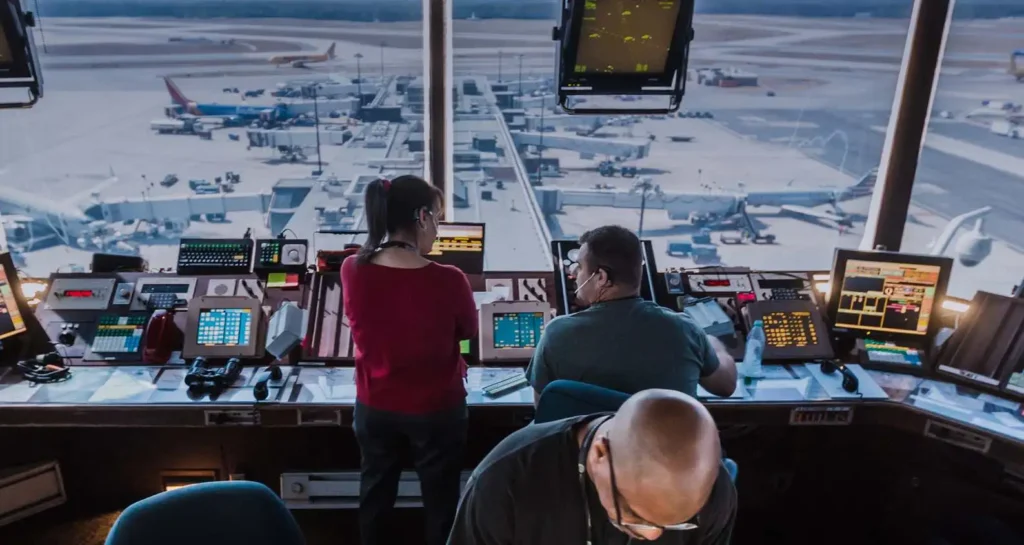
One of the World’s Largest Flight Information Regions
The affected airspace lies within New Zealand’s Oceanic Flight Information Region, which spans approximately 30 million square kilometers. It is one of the largest Flight Information Regions in the world and covers vast sections of the Pacific Ocean and the Tasman Sea.
Although New Zealand provides air traffic services across this region, much of the airspace is located over international waters.
The Civil Aviation Authority noted that it has limited authority over activities occurring in these international areas. Its role is to distribute safety information received from relevant authorities and ensure aircraft operators are informed of potential risks.
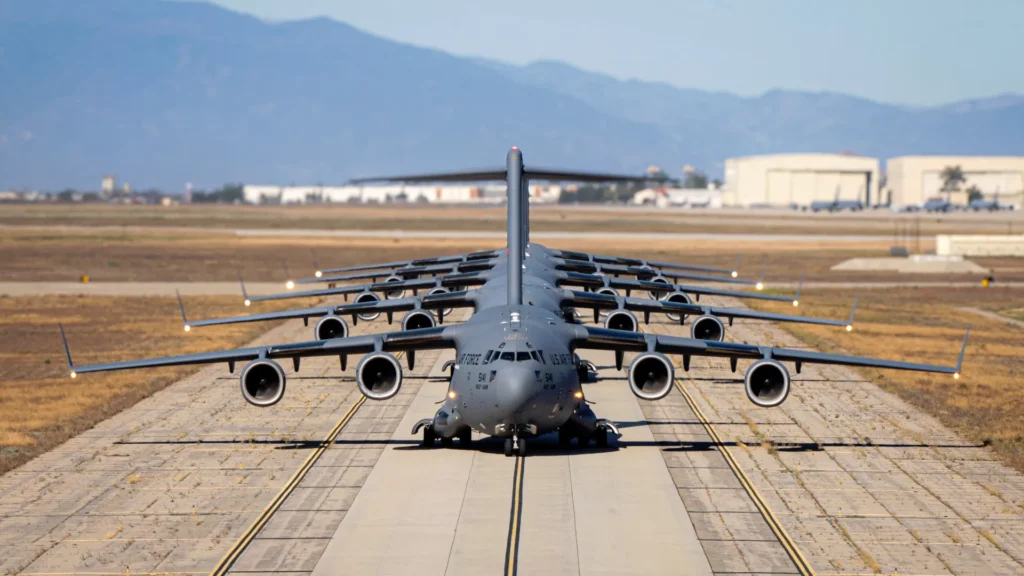
Flight Supported Annual Antarctica Operations
The C-17 mission was scheduled during the annual Winter Fly-in, commonly known as WINFLY.
The WINFLY period marks the resumption of flights between Christchurch and Antarctica after the harsh winter months. It supports operations at the United States’ McMurdo Station and New Zealand’s Scott Base by transporting personnel, scientific equipment, and essential supplies before the Antarctic summer research season begins.
These flights play a critical role in maintaining scientific operations on the continent and preparing research facilities for increased seasonal activity.
Neither the US Air Force nor the US Antarctic Program immediately commented on the aircraft’s return. CNN also sought responses from Russia’s State Air Traffic Management Corporation.
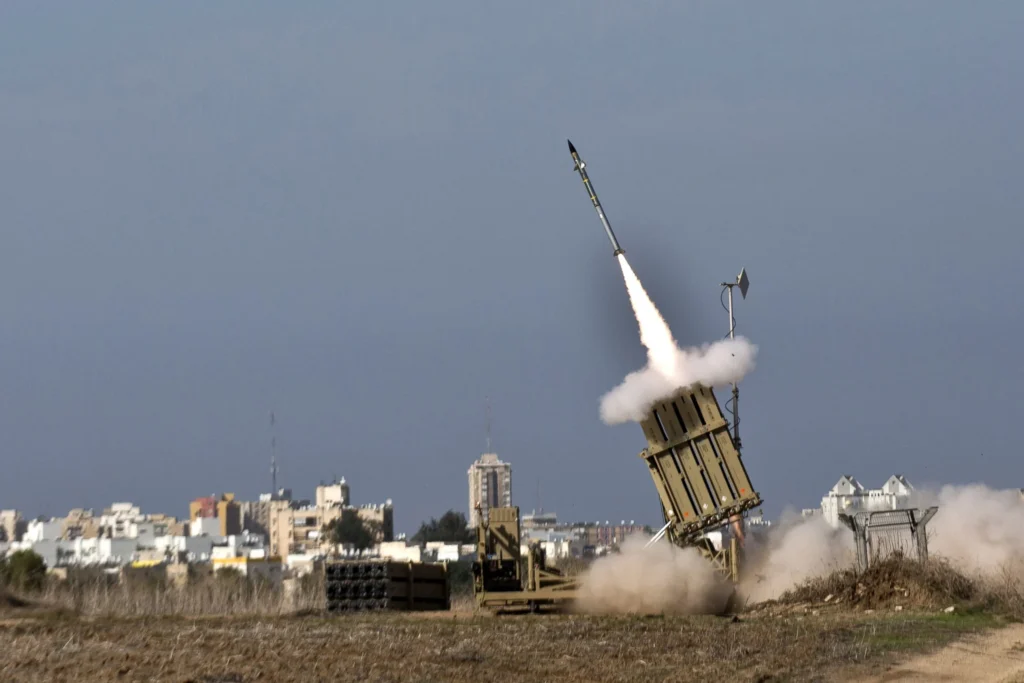
Safety Notices Remain Standard Aviation Practice
The incident highlights how international aviation authorities coordinate when activities such as missile launches or space operations could affect civilian and military flights.
NOTAMs are widely used across global aviation to inform operators of temporary hazards, allowing them to make informed routing decisions while maintaining the highest possible level of flight safety.
Stay tuned with us. Further, follow us on social media for the latest updates.
Join us on Telegram Group for the Latest Aviation Updates. Subsequently, follow us on Google News
