

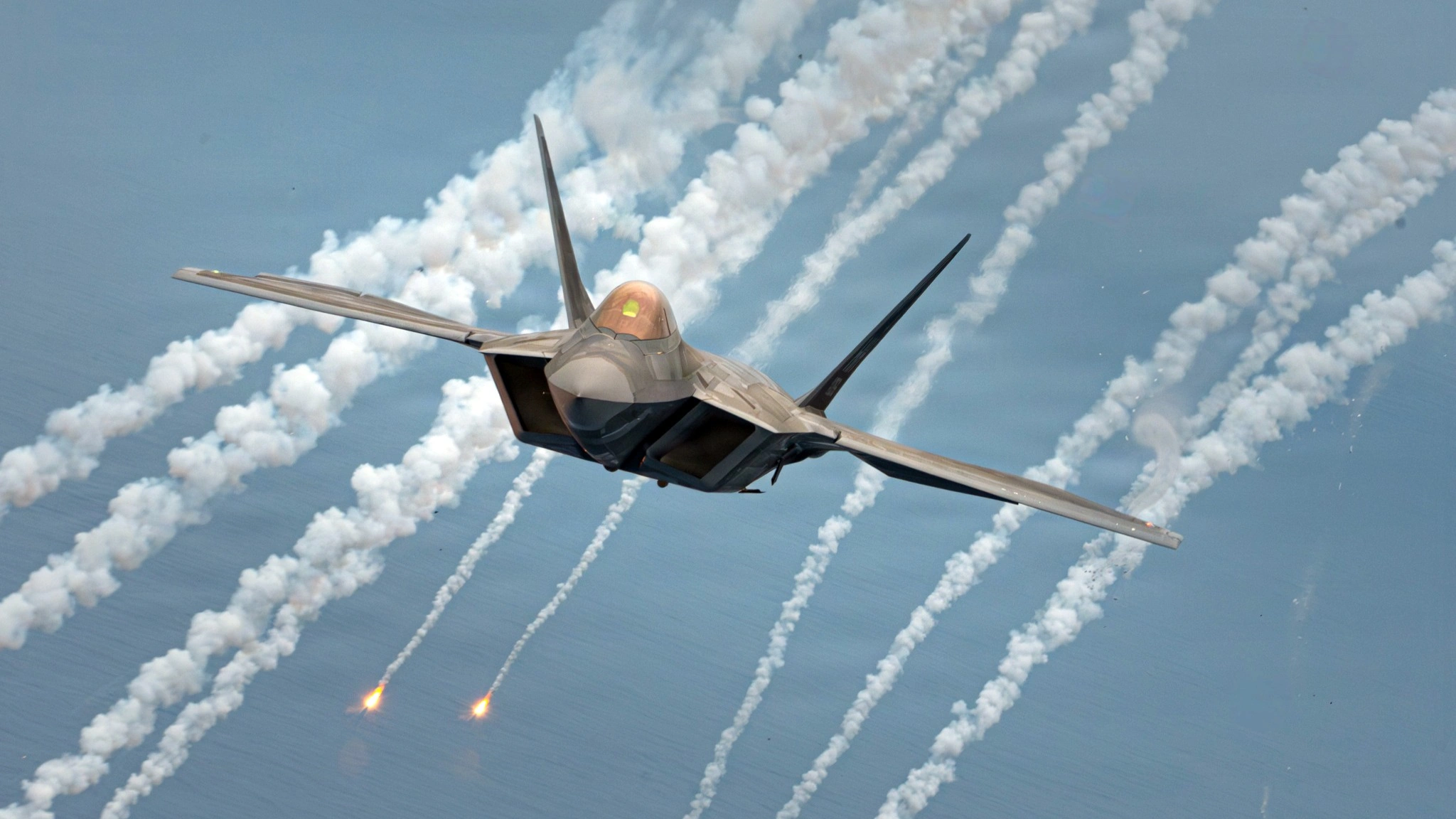
BEIJING— Chinese researchers have developed a lightweight artificial intelligence system designed to help missile-mounted infrared seekers recognize the heat signatures of stealth aircraft such as the F-22 Raptor and F-35 Lightning II.
Laboratory testing showed the system could identify simulated fighter targets with accuracy reaching 97.1 percent.
The research comes from the Beijing Institute of Technology and the China Airborne Missile Academy, which developed the system for compact infrared imaging equipment used on air-to-air missiles.
A separate evaluation recorded recognition rates of around 90 percent for the simulated fighter targets, although the results do not demonstrate performance against operational F-22 or F-35 aircraft.
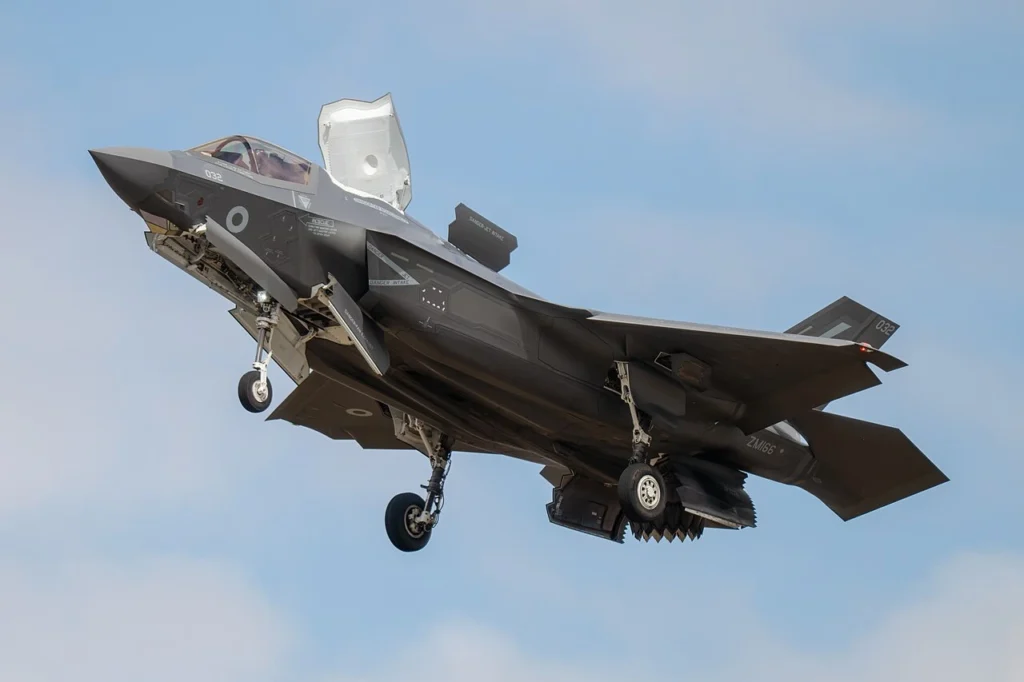
AI Tracks Heat Signatures In Flight
Stealth fighters are designed primarily to reduce radar detection, but they still produce infrared emissions from engine exhaust, aerodynamic heating, and other sources.
Infrared-guided missiles can detect these emissions, creating another method of identifying aircraft when radar signatures are difficult to exploit.
The researchers trained their AI model with 3,245 infrared images collected by a missile-borne scanning system. The dataset contained three categories of airborne targets, including simulated infrared signatures representing the F-22 and F-35.
The system must make decisions rapidly because a missile seeker has limited time to distinguish an aircraft from infrared countermeasures such as flares. Processing imagery directly onboard the missile can reduce the need for external computing and support faster target classification.
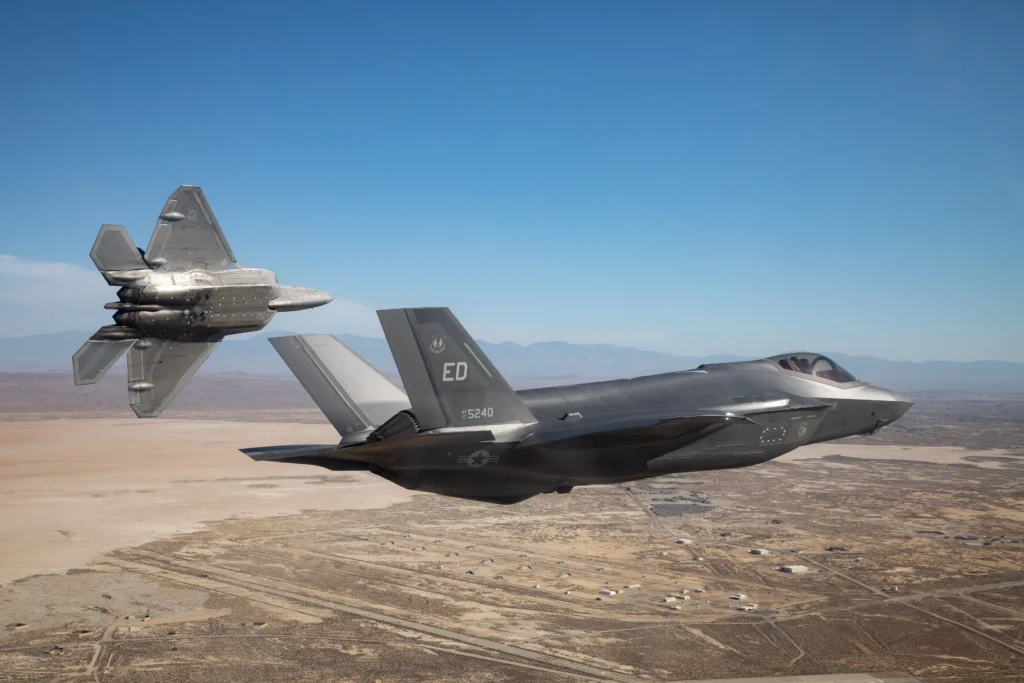
Compact Missile AI System Development
Size and power constraints create a major challenge for artificial intelligence systems intended for missile applications. Conventional deep-learning models can demand substantial computing resources, making them difficult to integrate into small, lightweight guidance systems.
The researchers reduced the model to 16.1 percent of the parameters used by earlier approaches. They also lowered its computational requirements to 19.2 percent, allowing the system to operate within tighter hardware limitations.
A dedicated AI accelerator further improved the system’s efficiency by using optimized convolution operations, parallel processing and data buffering.
During hardware testing, the system achieved 96.4 percent recognition accuracy while processing each infrared image in about 1.5 milliseconds.
The hardware consumed approximately 2.2 watts of power, highlighting the researchers’ focus on combining rapid image processing with low energy consumption.
Such characteristics could be important for missile seekers that must operate independently under severe space, weight and power restrictions.
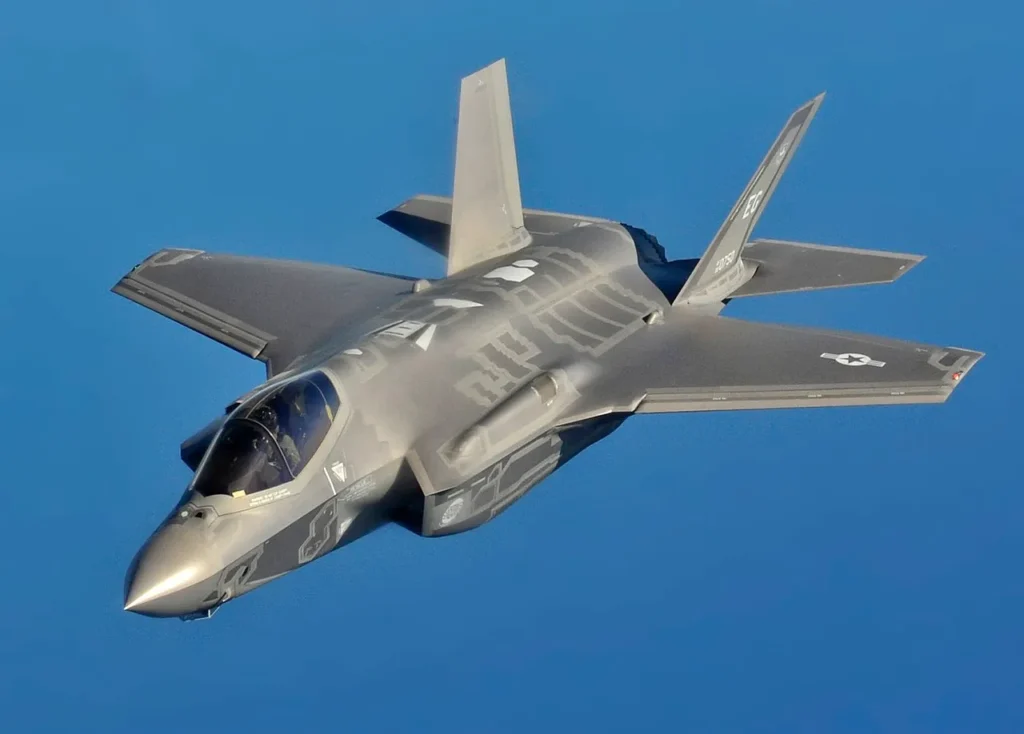
F-22 F-35 Detection Limits Explained
Despite the high laboratory accuracy, the research does not establish that Chinese missiles can reliably identify operational F-22 or F-35 fighters in combat. The experiments relied on simulated targets, while the researchers said relevant real-world test data remains confidential.
The work also focused on close-range air-to-air missile fuzes rather than demonstrating the technology on surface-to-air missile systems.
Further development would therefore be required to determine how the AI performs against different aircraft aspects, atmospheric conditions and infrared countermeasures.
For stealth aircraft, the research highlights an enduring limitation: reducing radar visibility does not eliminate infrared emissions.
As infrared sensors and compact AI processors improve, missile seekers may become better equipped to classify heat signatures rapidly, adding another layer to the continuing contest between stealth aircraft and detection technology. Interesting Engineering reported
Stay tuned with us. Further, follow us on social media for the latest updates.
Join us on Telegram Group for the Latest Aviation Updates. Subsequently, follow us on Google News
