

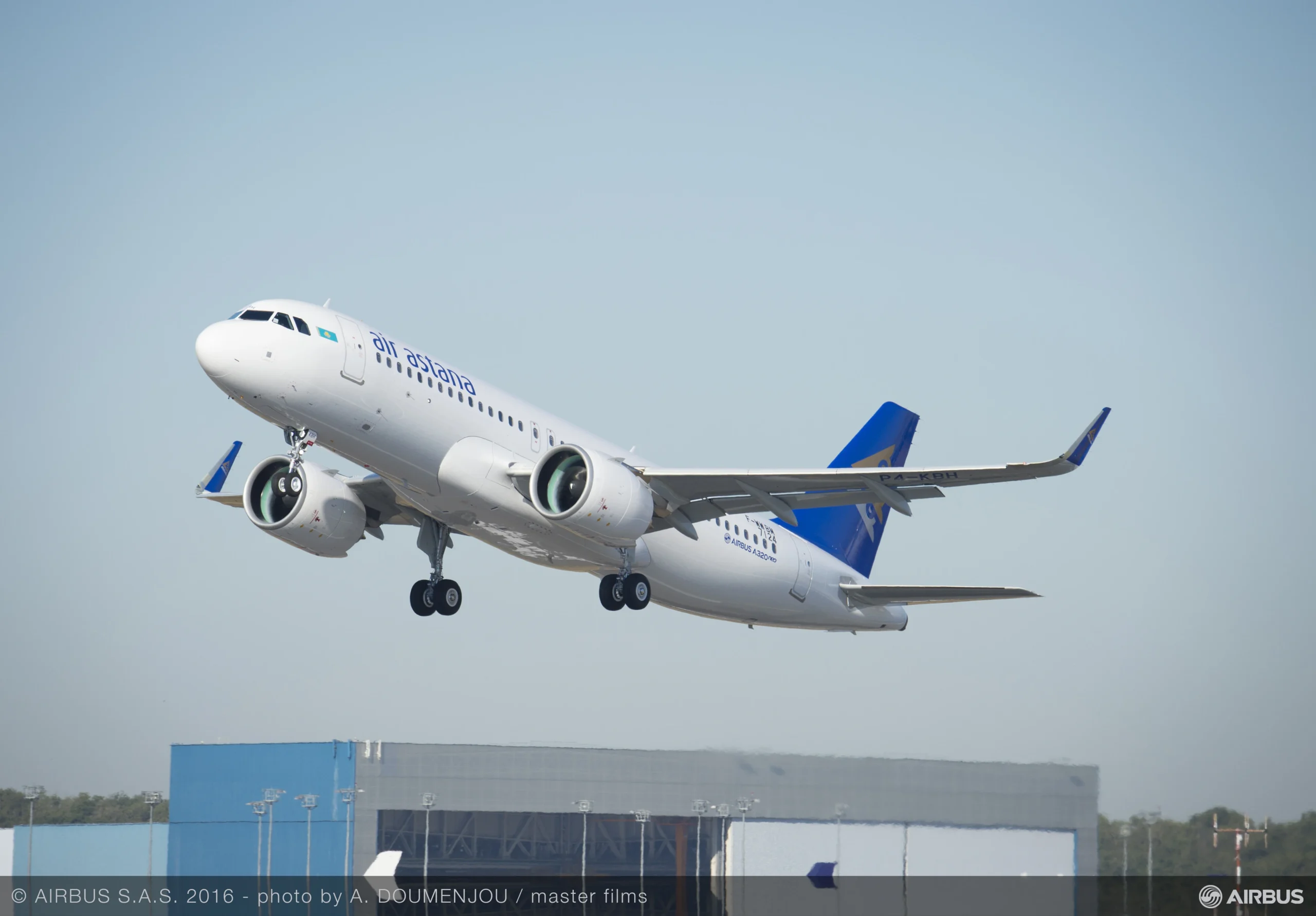
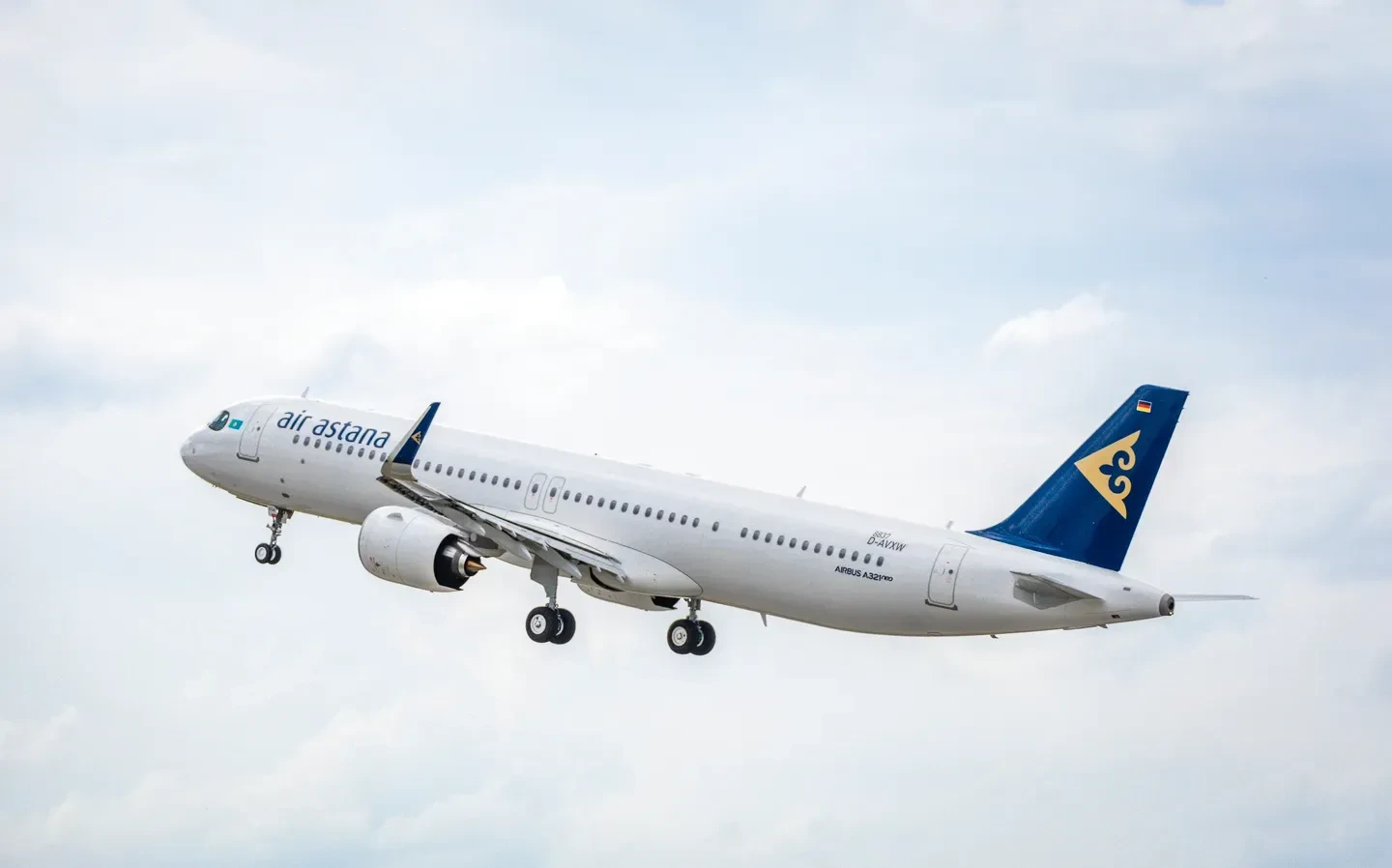
Central Asia is emerging as the fastest-growing aviation market in the world, despite remaining the smallest region by total scheduled capacity. Airlines such as Air Astana (KC) and FlyArystan (FS) are rapidly expanding operations across hubs, including Almaty (ALA) and Tashkent (TAS), reflecting a sharp rise in both domestic and international demand.
The region is projected to offer 33.7 million scheduled seats in 2025, driven by structural reforms and shifting travel patterns. Carriers like Turkish Airlines (TK) have also strengthened their presence, linking Central Asian cities to global hubs and accelerating the region’s integration into international air networks.
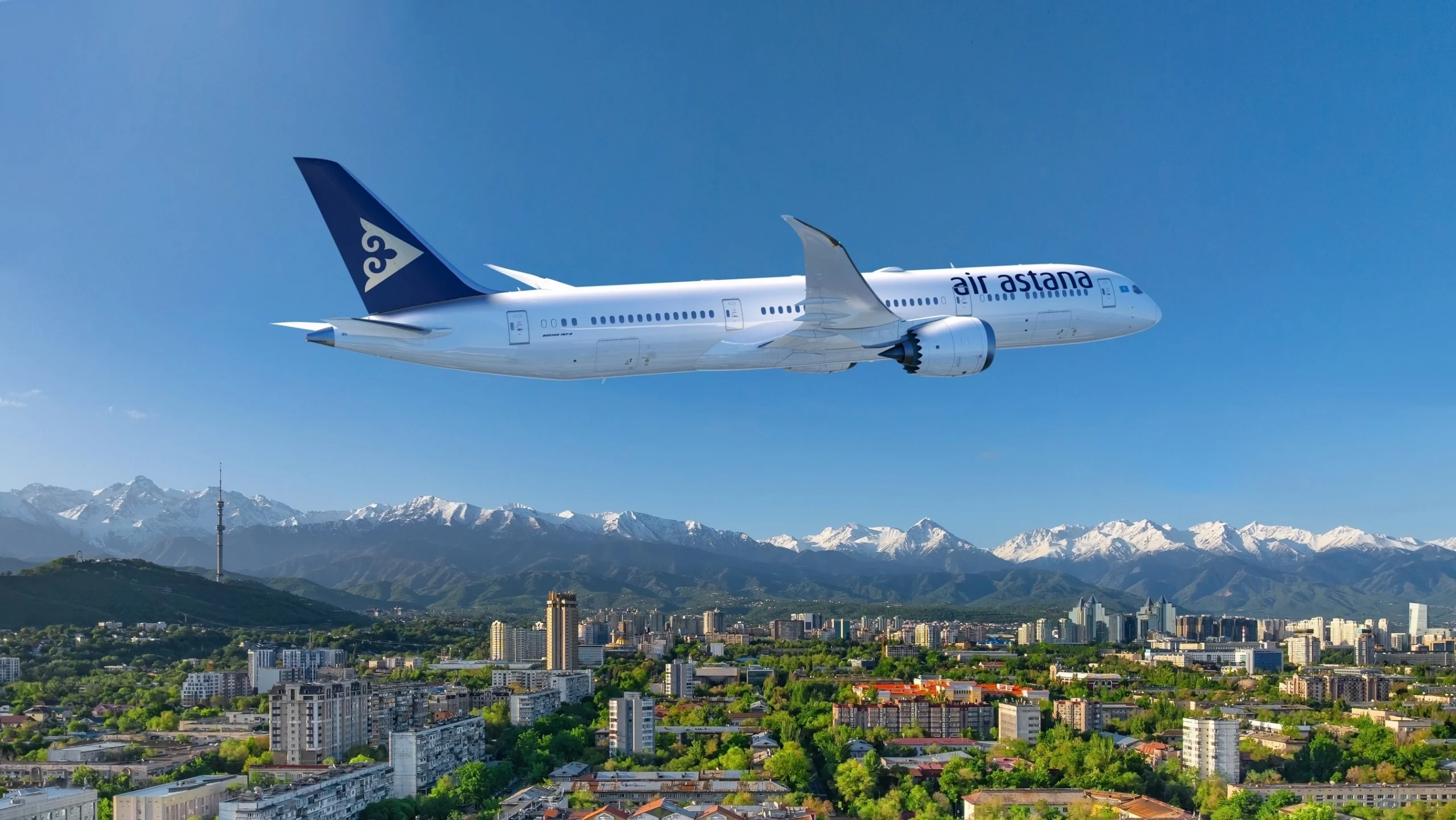
Capacity Growth Trends
Over the past 20 years, Central Asia’s aviation capacity has expanded by nearly 500%, making it the fastest-growing market globally.
Domestic capacity alone surged from under five million seats in 2005 to almost 33 million in 2025, supported by geography and improved regional mobility.
International capacity has followed a similar trajectory, rising to more than 34 million seats over the same period. With a compound annual growth rate of 7.7%, the region now outpaces South Asia and exceeds the global average by a wide margin.
This sustained expansion reflects a shift from limited, state-controlled networks toward more competitive and diversified airline operations.
Rising incomes and a young population profile continue to support long-term growth in passenger demand, OAG flagged.
Market Leadership Dynamics
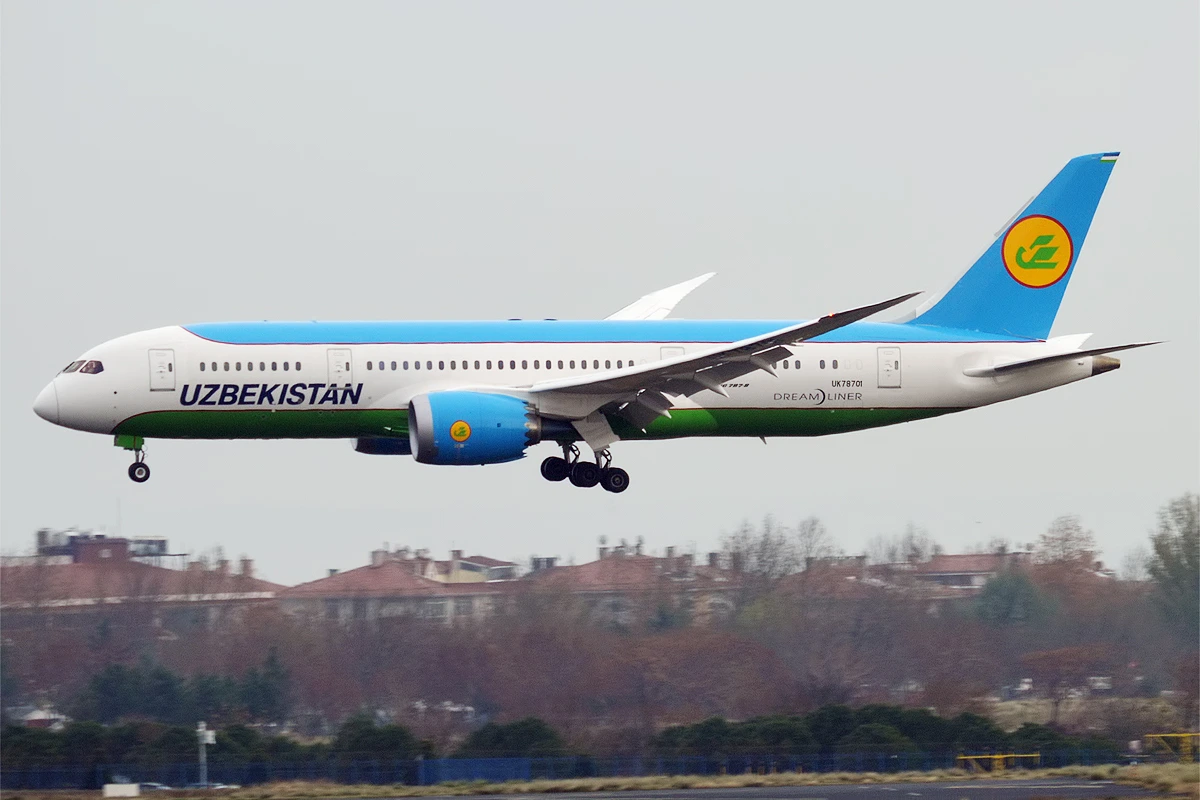
Kazakhstan dominates Central Asia’s aviation landscape, accounting for more than half of total seat capacity while representing only a quarter of the population. Uzbekistan ranks second with 25% of capacity, supported by strong demographic growth and increasing international connectivity.
Low-cost carriers have transformed competition across the region, lifting budget airline penetration from just 4.6% in 2015 to 21% in 2025. This shift has significantly lowered fares and expanded access to air travel for first-time flyers.
FlyArystan has emerged as the region’s largest airline by seats, while full-service operators continue to adjust network strategies. Although 125 airlines operate in Central Asia, locally based carriers still provide over 70% of total capacity.
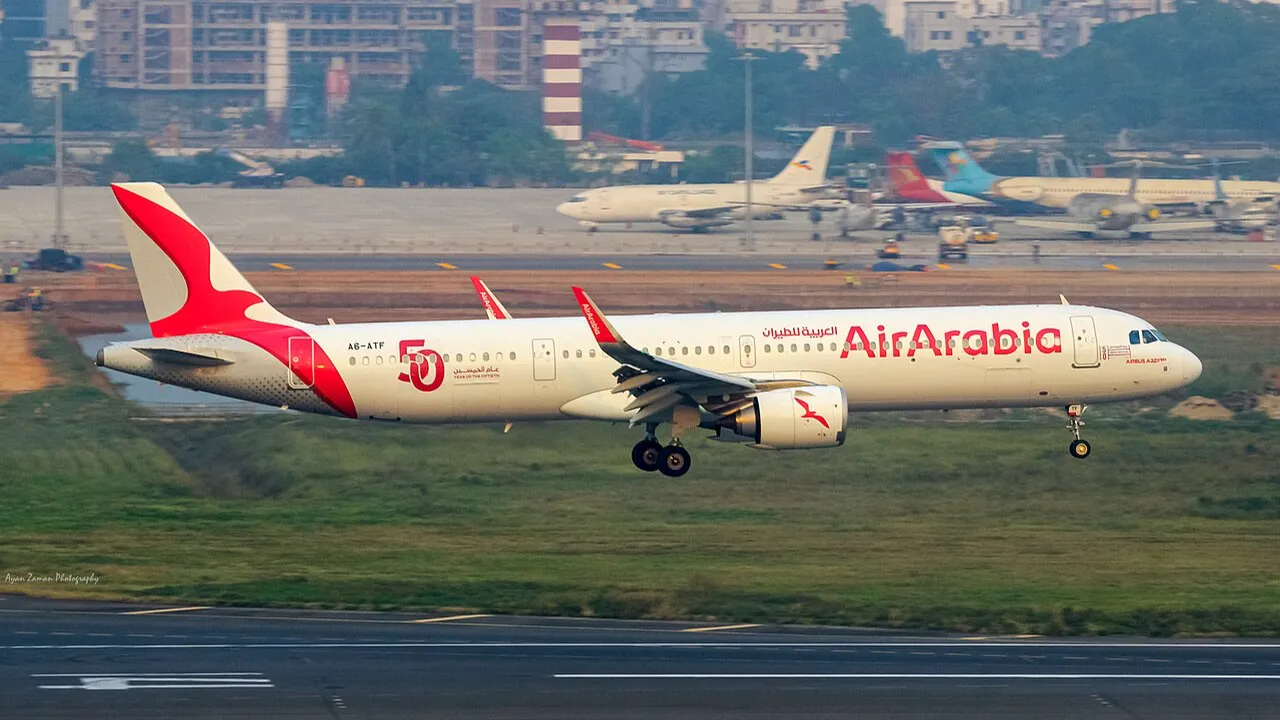
https://commons.wikimedia.org/wiki/File:A6-ATF_-_Air_Arabia_-_Airbus_A321-251NX_-_MSN_10181_-_VGHS.jpg
Low-Cost Carrier Growth
Low-cost carriers are one of the strongest forces reshaping Central Asia’s aviation market. In 2015, the region had the lowest low-cost carrier penetration globally at just 4.6%, reflecting limited competition and high fares.
By 2025, low-cost carrier capacity increased to 21% of total seats, significantly expanding access to air travel. This growth lowered ticket prices, stimulated new demand, and supported rapid traffic expansion across domestic and short-haul international routes.
Kazakhstan-based FlyArystan emerged as the region’s largest airline by seats, operating around 10 million seats and holding 15% of the total market share.
The rise of low-cost operations continues to pressure legacy carriers to adapt pricing and network strategies while accelerating overall market growth.
Bottom Line
Central Asia’s aviation boom is driven by liberalisation, infrastructure investment, and expanding low-cost operations.
With large, underserved populations and rising international relevance, the region is positioned to remain the world’s fastest-growing aviation market for years ahead.
Stay tuned with us. Further, follow us on social media for the latest updates.
Join us on Telegram Group for the Latest Aviation Updates. Subsequently, follow us on Google News
