

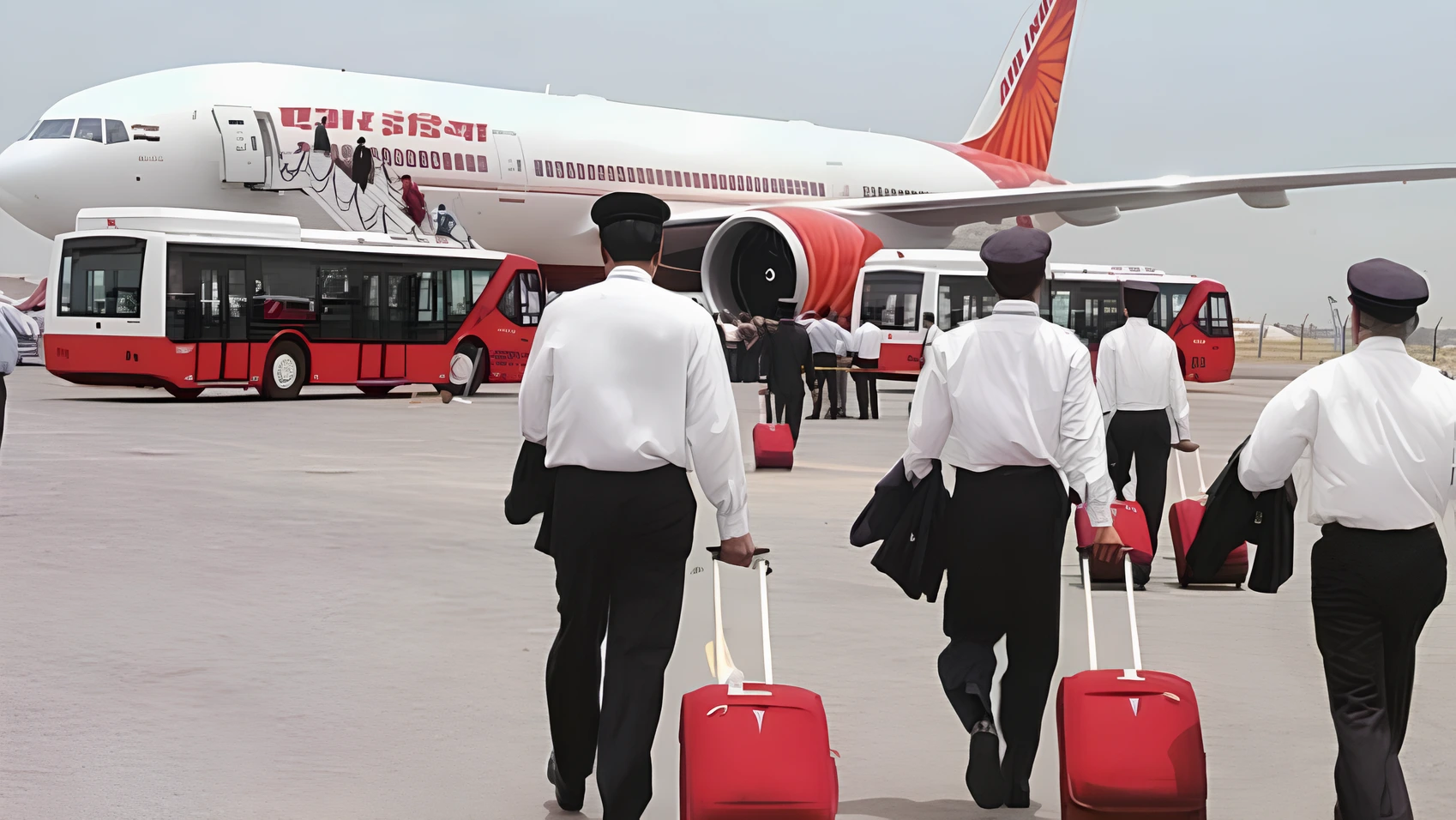
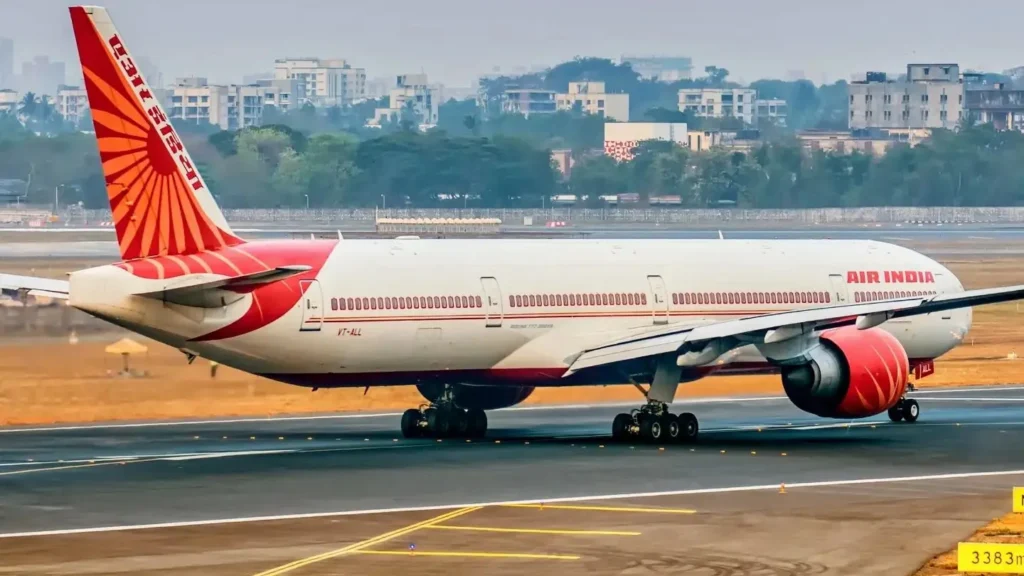
SAN FRANCISCO- An Air India (AI) co-pilot has been deported from the United States after authorities at San Francisco International Airport (SFO) allegedly found marijuana in his bag. The pilot was traveling as a staff duty passenger on a Delhi (DEL) to San Francisco (SFO) flight AI173 on April 14, 2026, positioning himself to operate a subsequent return flight to Kolkata (CCU).
India’s Directorate General of Civil Aviation (DGCA) has launched an investigation into the incident. Air India (AI) has confirmed the deportation and stated that strict disciplinary action will follow under company policies, reaffirming its zero-tolerance stance on any violation of law, Thanks to OMAAT for flagging this.
Air India Pilot Denied Entry at SFO
The co-pilot was not operating the aircraft on the Delhi (DEL) to San Francisco (SFO) sector. He was deadheading in the passenger cabin as part of a crew positioning arrangement.
Air India (AI) had been repositioning pilots on this route because the San Francisco (SFO) to Kolkata (CCU) service had been suspended for several days, requiring crew members to travel in advance to operate the return flight.
Upon arrival at San Francisco International Airport (SFO), US Customs and Border Protection (CBP) officers conducted a routine inspection and allegedly discovered marijuana in the co-pilot’s luggage. Authorities did not permit the pilot to leave the airport.
Air India (AI) was notified, and the airline arranged for the co-pilot to return to India on the next available flight.
Sources familiar with the matter have stated that the pilot had not consumed marijuana and only had it in his possession. Air India released a statement with OMAAT confirming the incident and emphasizing its commitment to safety and compliance.
The airline stated:
One of our crew members travelling from Delhi to San Francisco on April 14, for positioning to operate a subsequent flight, was found to be inadmissible as per local laws and has been sent back to India. Air India maintains zero tolerance towards any violation of the law and upholds the highest standards of safety, compliance, and professional conduct. Appropriate strict disciplinary action will be taken as per laid down company policies.”
ALSO READ: Air France A350 Pilots Denied Clearance by Chicago O’Hare, Flight Returns to Paris
Why US Federal Law Treats Marijuana Differently Than California State Law?
The central issue in this incident lies in the conflict between US federal law and California state law. While marijuana is legal for both recreational and medicinal use in California under Proposition 64, it remains classified as a Schedule I controlled substance under the federal Controlled Substances Act (CSA).
US Customs and Border Protection (CBP) operates under federal jurisdiction, not state law. All international ports of entry, including San Francisco International Airport (SFO), fall under federal authority. CBP has repeatedly stated that the possession, importation, and exportation of marijuana remain illegal at all US borders, regardless of individual state regulations.
This means any traveler arriving on an international flight at SFO with marijuana faces the same consequences as arriving at any other US port of entry. Penalties can include seizure, fines, arrest, and, for foreign nationals, denial of entry or deportation.
Strict Drug Regulations for Airline Pilots
Aviation regulators around the world impose strict drug and alcohol policies on flight crew members. Pilots undergo regular drug testing and are prohibited from consuming controlled substances, including marijuana, regardless of local legality in specific jurisdictions.
The DGCA in India enforces these standards through regular breath analyzer tests and random drug screenings. A pilot found in violation of these regulations faces suspension, license revocation, or permanent grounding depending on the severity of the offense.
This incident adds to a series of crew discipline concerns at Air India (AI). In December 2025, Canadian authorities removed an Air India (AI) captain from command of a Delhi-bound flight at Vancouver International Airport (YVR) after the pilot failed two breathalyser tests. That incident prompted Transport Canada to seek a formal investigation from Air India (AI) and the DGCA.
The DGCA has since proposed tighter rules on alcohol testing for crew members, including a provision that would permanently revoke a pilot’s license after three positive tests.
Questions Around How Marijuana Ended Up in the Pilot’s Bag
Several aspects of this case remain unclear. Pilots are subject to strict drug testing protocols, and carrying marijuana poses a direct threat to their careers. The decision to carry a controlled substance on an international flight raises serious questions about judgment and intent.
If the co-pilot intended to use marijuana during his layover in San Francisco (SFO), it would have been far simpler to purchase it legally in California after clearing customs. Carrying it from India, where marijuana is also illegal, compounds the risk significantly.
Whether the substance was knowingly packed or accidentally placed in the bag remains unknown. The DGCA investigation is expected to examine these details and determine appropriate regulatory action beyond the airline’s internal disciplinary process.
What This Means for Air India’s Safety Image
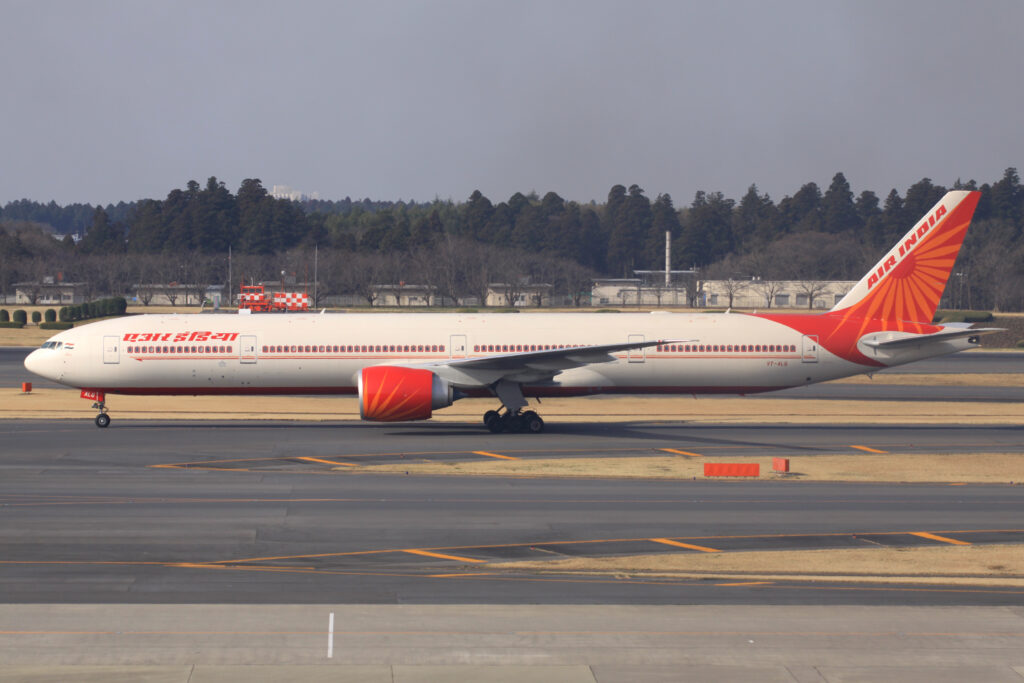
Air India is in the middle of a major transformation under Tata Group ownership, with significant investments in fleet renewal, service upgrades, and operational standards. Incidents involving crew discipline directly affect the airline’s credibility, especially on international routes where regulatory scrutiny is high.
The airline has repeatedly stated that safety is its top priority. However, back-to-back crew incidents within a span of four months, from the Vancouver alcohol case in December 2025 to this marijuana deportation in April 2026, put pressure on Air India management to demonstrate that its zero-tolerance policies are enforced consistently.
The DGCA’s investigation will likely determine whether systemic gaps exist in crew monitoring or whether these are isolated lapses in individual judgment.
Stay tuned with us. Further, follow us on social media for the latest updates.
Join us on Telegram Group for the Latest Aviation Updates. Subsequently, follow us on Google News
