

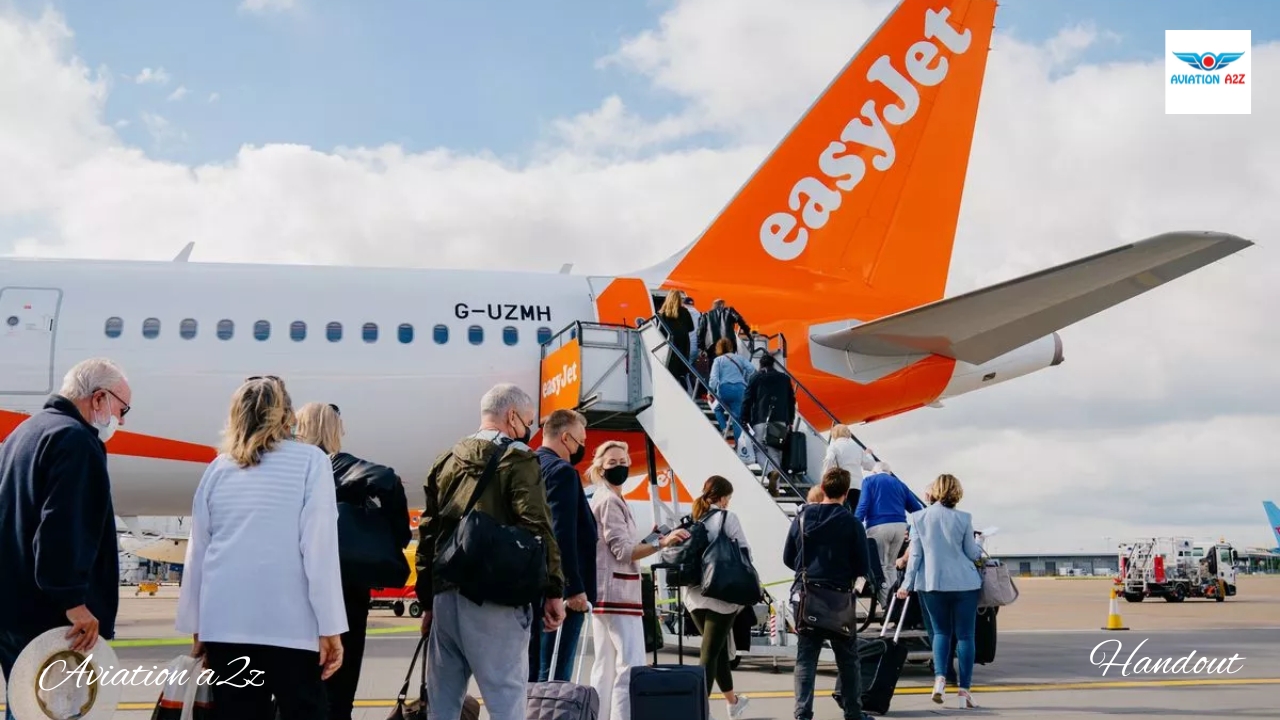
LUTON- easyJet (U2) has apologized after an overbooked flight from London Gatwick Airport (LGW) to Tivat Airport (TIV), Montenegro, forced a newlywed couple to travel separately on the first day of their honeymoon.
The incident highlights how airline overbooking policies work, passenger rights under UK and European regulations, and the operational decisions that can affect travelers despite compensation rules.
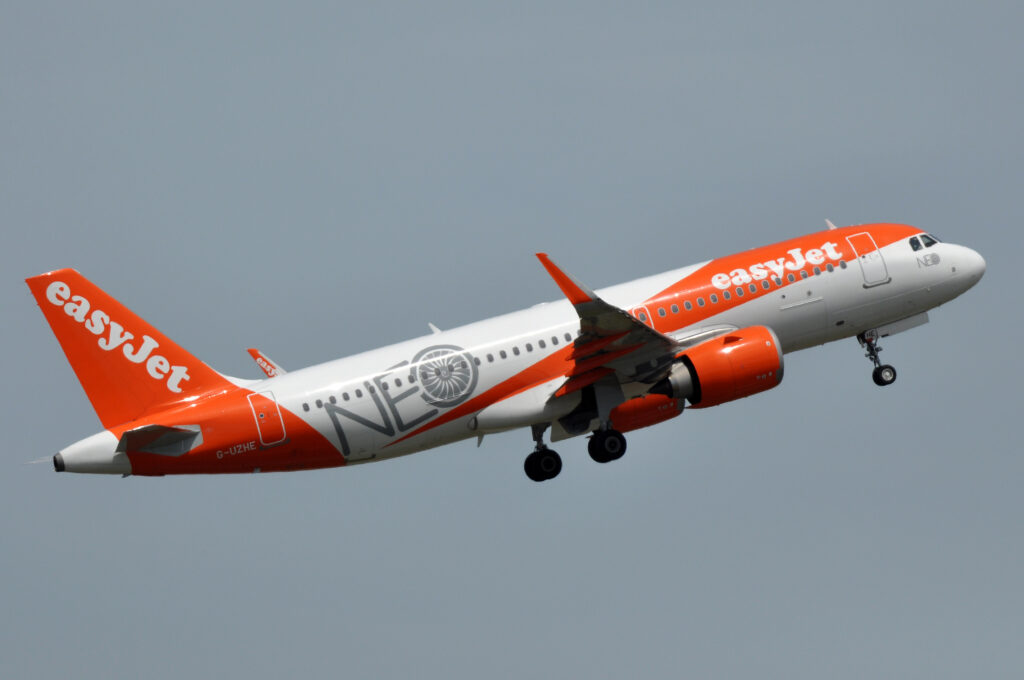
easyJet Apologizes After Overbooking Incident
Andy and Katya Wedlake arrived at London Gatwick Airport (LGW) well before their scheduled easyJet (U2) flight to Tivat Airport (TIV) on the Montenegrin coast. The couple had booked the honeymoon months in advance, with departure scheduled for 8:25 a.m. on Sunday, July 26.
During the early hours before departure, they attempted to complete online check-in but were unable to do so. After arriving at the airline’s check-in area in Gatwick’s North Terminal, they learned the reason. Their flight had been overbooked.
According to Andy Wedlake, airline staff explained that seats would only become available after boarding had closed if booked passengers failed to arrive.
Like many airlines worldwide, easyJet occasionally sells more tickets than the aircraft’s seating capacity. The practice is based on historical passenger no-show data, allowing airlines to maximize seat occupancy while keeping fares competitive.
Under passenger rights regulations, airlines must first seek volunteers willing to travel on a later flight in exchange for compensation before involuntarily denying boarding, The Telegraph reported.
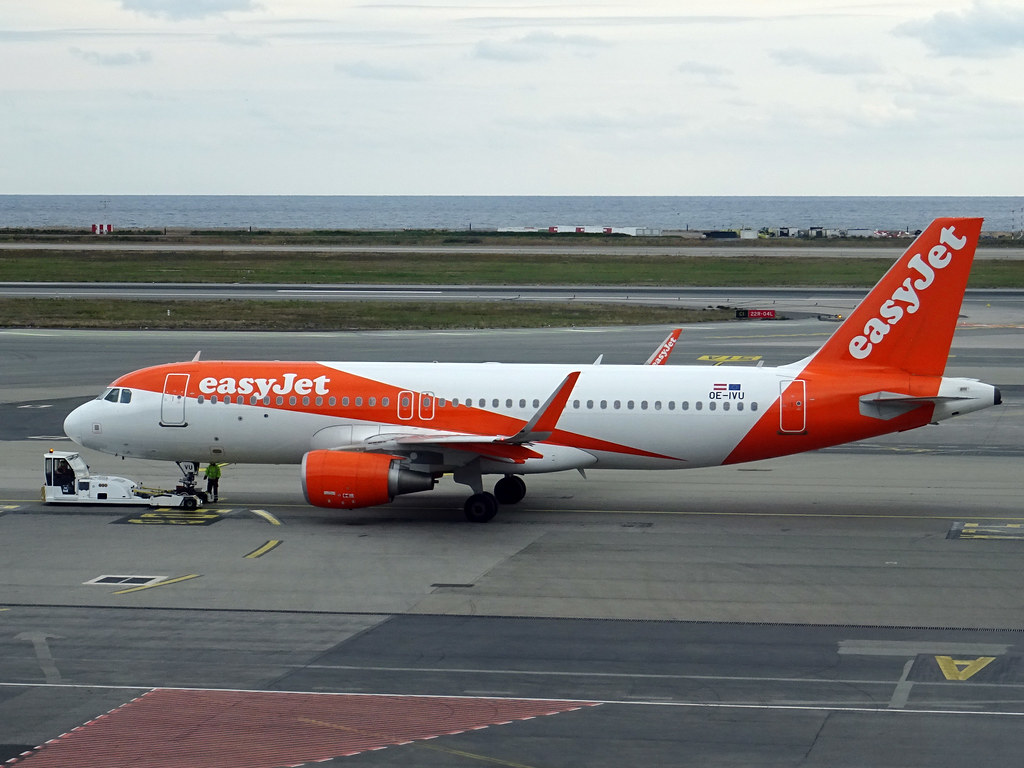
Couple Forced to Separate to Keep Rebooking Rights
At the departure gate, easyJet staff requested volunteers to travel on the following morning’s service to Montenegro. One passenger accepted the offer, creating a single vacant seat.
The Wedlakes expected airline staff to move both passengers onto the next day’s flight together. Instead, they were informed that one person had to occupy the available seat.
According to Mr. Wedlake, ground staff warned that if neither passenger boarded, both would be classified as no-shows. That status would result in losing eligibility for rebooking and compensation.
To preserve their travel plans, Katya boarded the aircraft while Andy remained at Gatwick Airport. He later returned to their home in London while his wife continued alone to Tivat.
The couple were reunited approximately 21 hours later after Andy traveled on the next available flight.
The delay meant they lost nearly an entire day of their honeymoon in Montenegro.
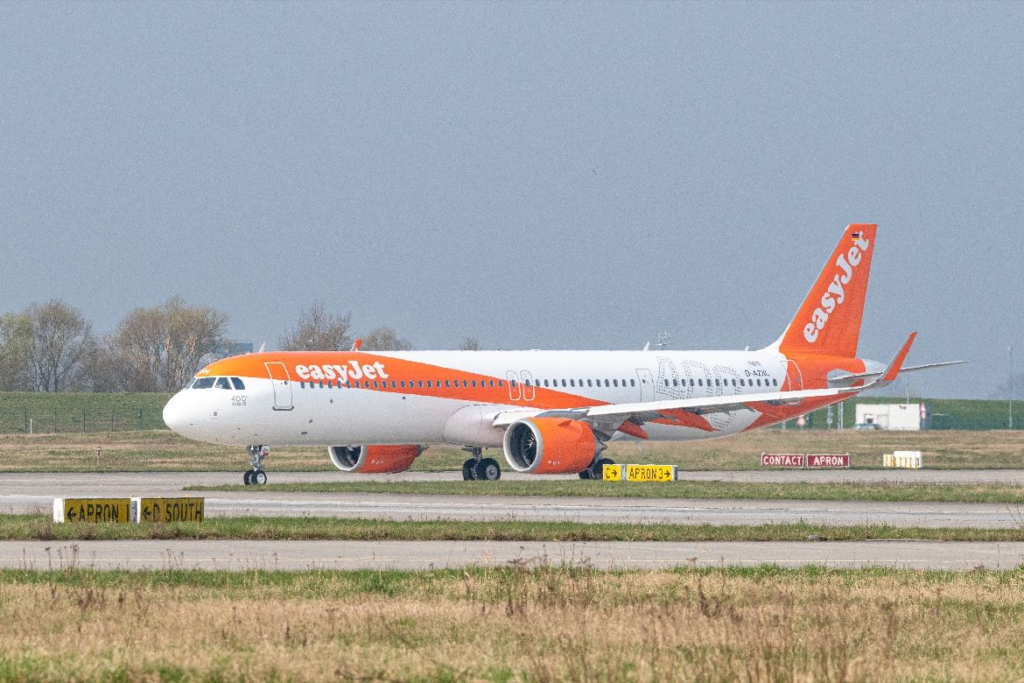
easyJet Issues Apology and Compensation
easyJet later acknowledged the situation and apologized to the couple.
The airline stated that overbooking affects only a very small proportion of its flights and that most overbooked services do not ultimately require denying boarding because booking decisions are based on customer travel history and expected no-show rates.
The carrier also said it takes its passenger obligations seriously by first seeking volunteers willing to travel later in exchange for compensation.
When volunteers are insufficient, boarding decisions are generally determined according to the order in which passengers completed check-in.
The airline admitted that, although one seat became available, an exception should have been considered so the newlyweds could have traveled together, particularly given the significance of the occasion.
easyJet confirmed that it had contacted the couple directly to apologize, provide the required compensation, and offer an additional goodwill gesture.
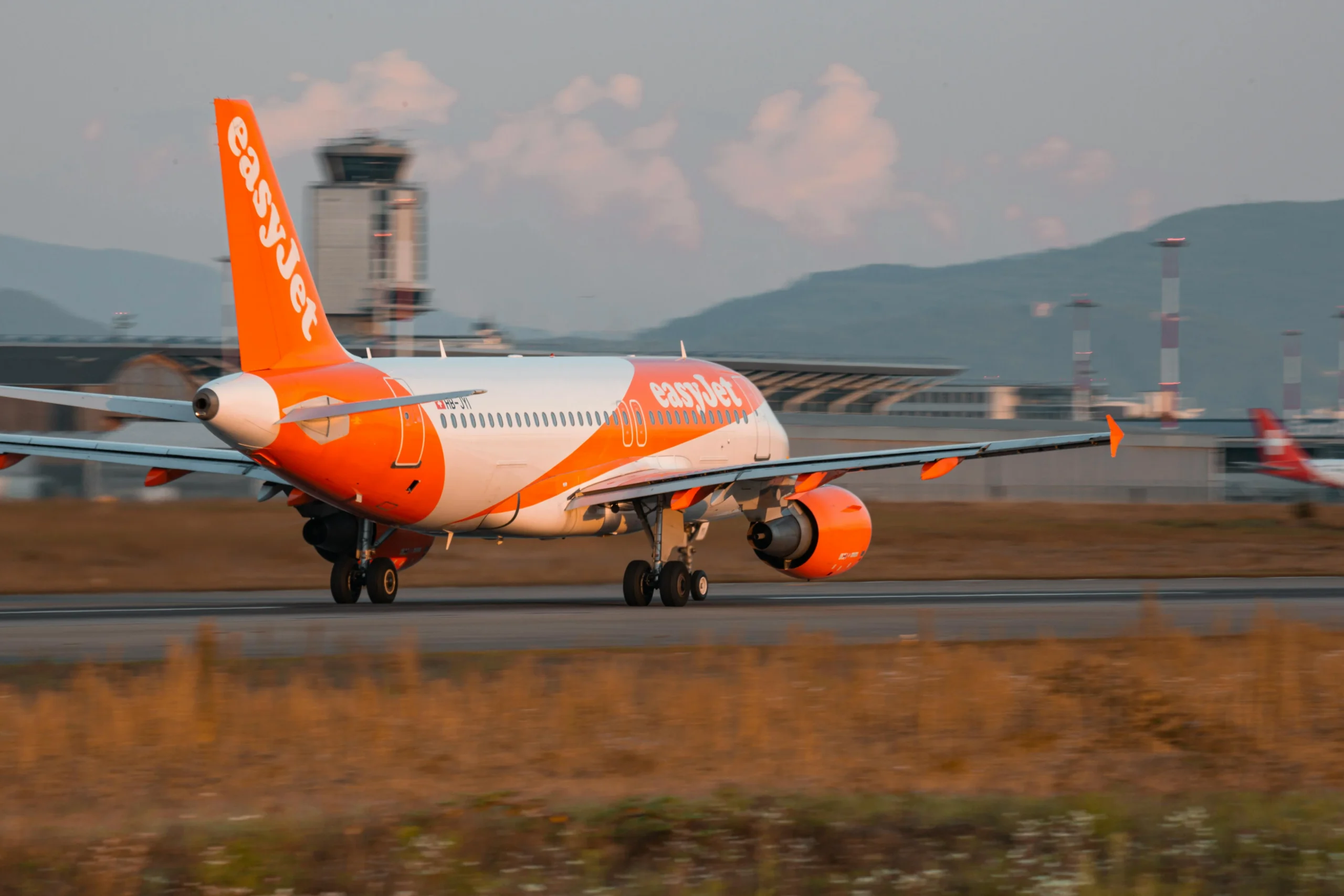
Passenger Rights for Overbooked Flights
Under UK air passenger rights rules, passengers who are involuntarily denied boarding because of overbooking are entitled to financial compensation, provided they meet the applicable eligibility requirements.
Mr. Wedlake is entitled to receive £350 in compensation for being denied boarding.
However, he said the payment does not compensate for the emotional impact of spending the first day of his honeymoon apart from his wife, losing valuable vacation time, and experiencing unnecessary stress.
He acknowledged that easyJet’s terms and conditions permit overbooking but questioned its application on routes with only one daily flight, particularly during the busy summer travel season when passenger attendance is typically high.
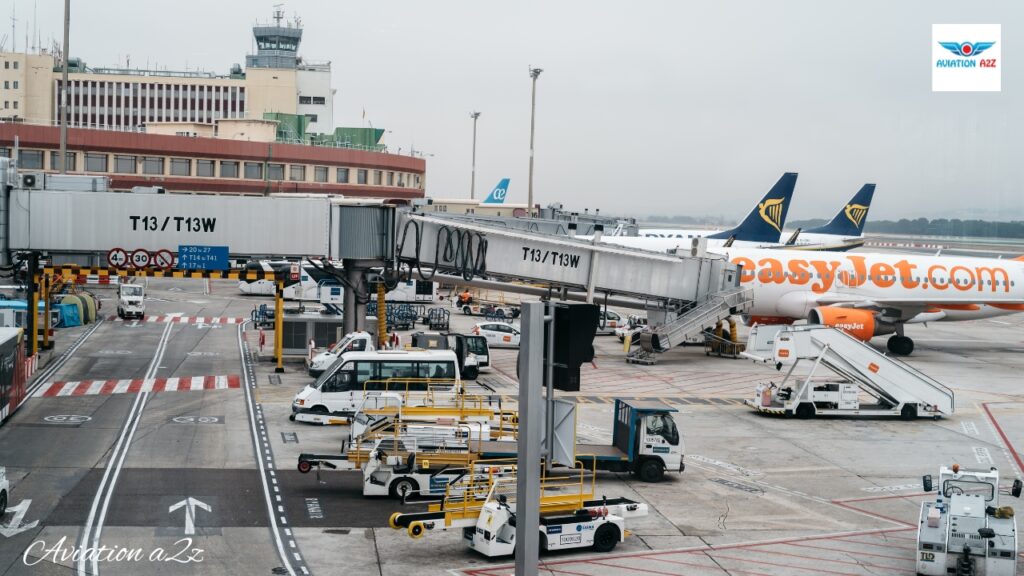
How Airline Overbooking Policies Differ
Overbooking is a common revenue management strategy used by airlines across the industry. Carriers analyze historical booking patterns and expected passenger no-show rates to determine how many additional tickets can be sold without exceeding aircraft capacity.
In most cases, the system works without affecting travelers because a small number of passengers do not arrive for departure.
When every passenger checks in, airlines must either find volunteers willing to travel later or deny boarding to eligible passengers while providing compensation and alternative travel arrangements.
Not all airlines use this approach. UK-based Jet2 (LS) and Ryanair (FR) are among the carriers that have publicly stated they do not overbook scheduled flights.
The Gatwick incident demonstrates how operational policies, while legally permitted, can create difficult situations for passengers when flexibility is limited and only one seat becomes available.
Stay tuned with us. Further, follow us on social media for the latest updates.
Join us on Telegram Group for the Latest Aviation Updates. Subsequently, follow us on Google News
