

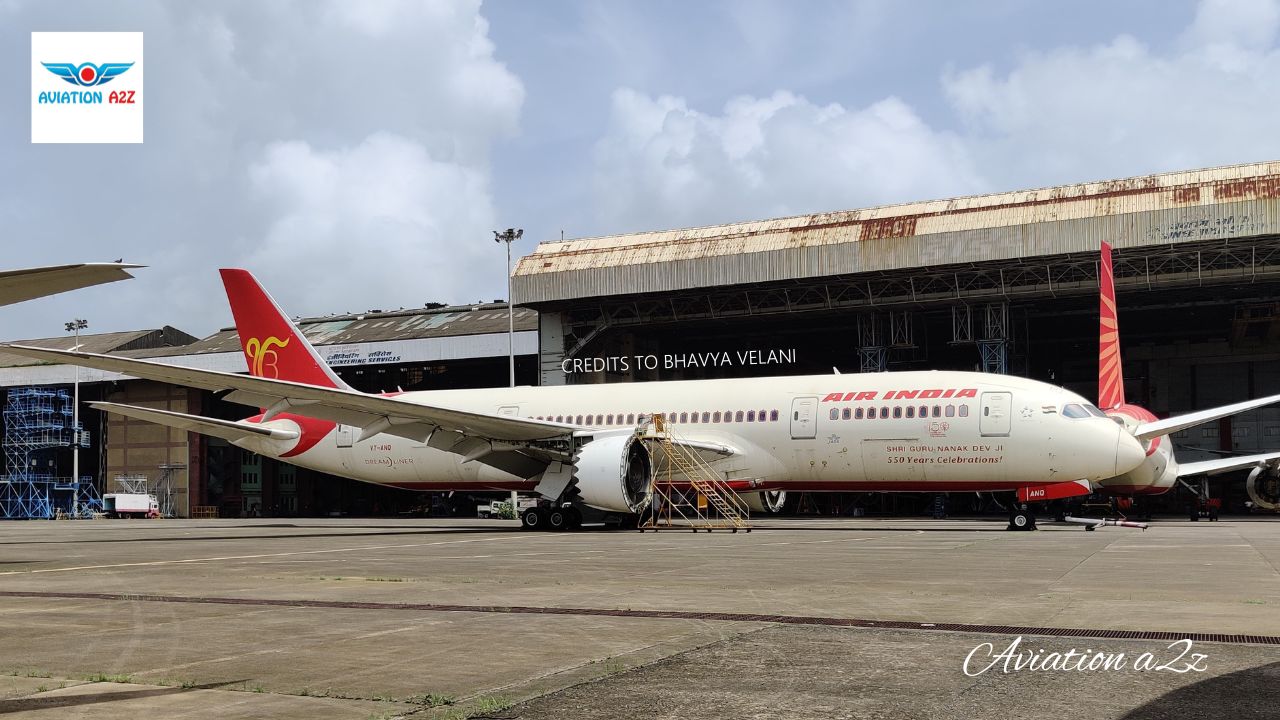
MUMBAI- AI Engineering Services Ltd (AIESL) is planning new maintenance, repair, and overhaul (MRO) hubs at Noida International Airport (DXN) and Navi Mumbai International Airport (NMIA). The move comes as airlines like Air India (AI), IndiGo (6E), and Akasa Air (QP) expand their own maintenance capabilities.
The company is evaluating a ₹200–300 crore investment while balancing growth with rising competition in India’s fast-growing aviation maintenance sector, Abhishek Law from Live Mint reported.
AIESL Targets Emerging Aviation Hubs for MRO Growth
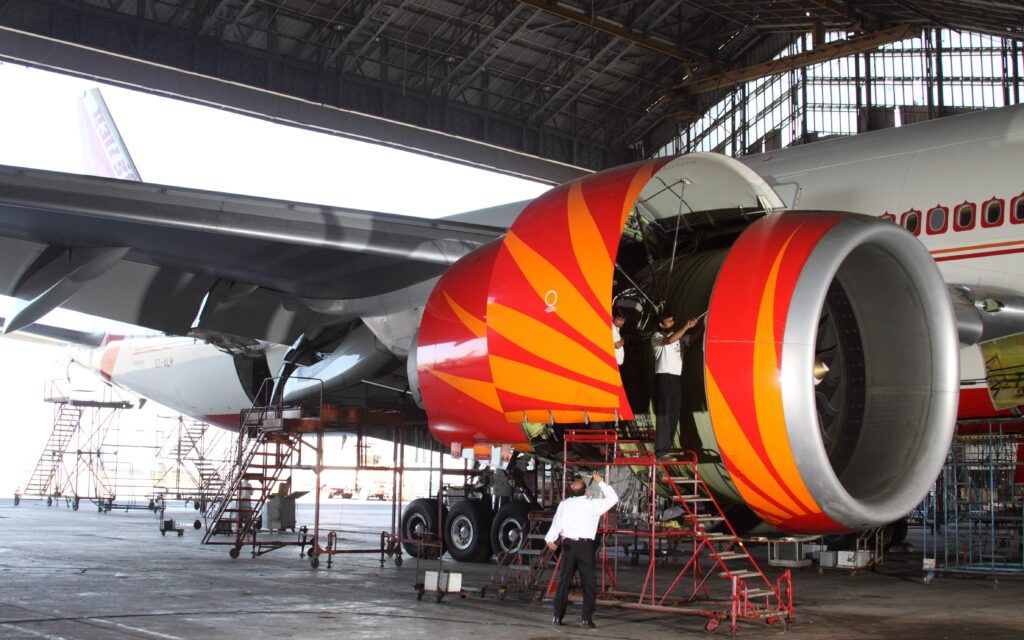
AI Engineering Services Ltd is actively exploring expansion into India’s next-generation aviation hubs. The company is in discussions to establish MRO facilities at Noida International Airport (DXN), commonly known as Jewar Airport, and Navi Mumbai International Airport (NMIA), which recently began operations.
According to LiveMint, AIESL plans to invest between ₹200 crore and ₹300 crore in these facilities. The company intends to adopt a phased investment strategy, beginning with one wide-body hangar at either location before scaling operations based on demand and financial position.
Each hangar is expected to require an investment of ₹100–150 crore. Project timelines indicate that facilities could become operational within two years after securing land and regulatory approvals.
Rising Competition from Airline-Owned MRO Facilities
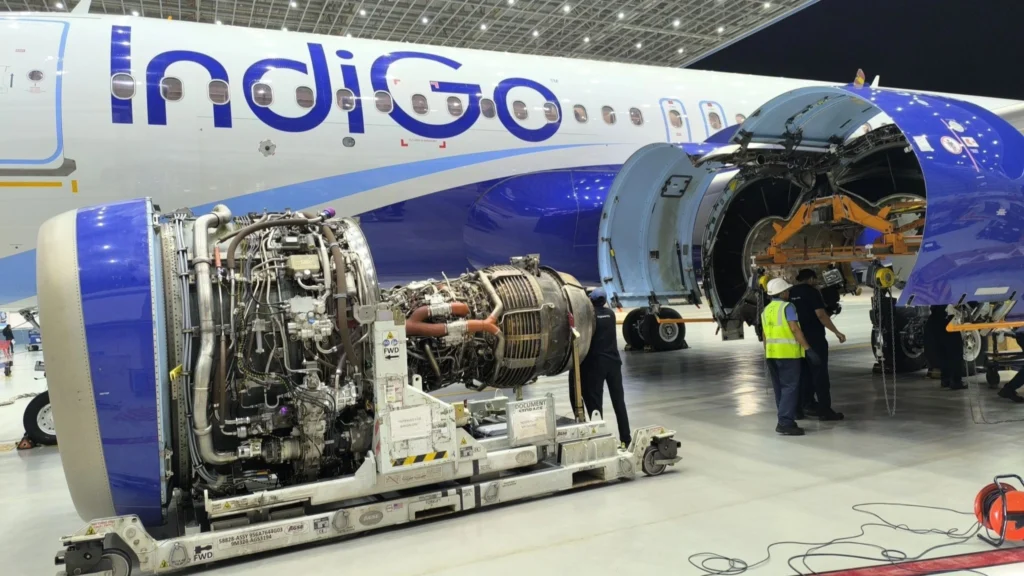
India’s aviation sector is witnessing a shift as major carriers develop in-house MRO capabilities. Air India (AI), IndiGo (6E), and Akasa Air (QP) have announced plans to build their own maintenance infrastructure, particularly at Bengaluru (BLR) and Jewar (DXN).
This trend increases competition for independent MRO providers like AIESL. Airline-owned facilities allow carriers to reduce turnaround time, improve operational control, and lower long-term maintenance costs.
Despite this, AIESL continues to position itself as a key third-party service provider with established expertise and infrastructure.
India’s Expanding MRO Market Opportunity
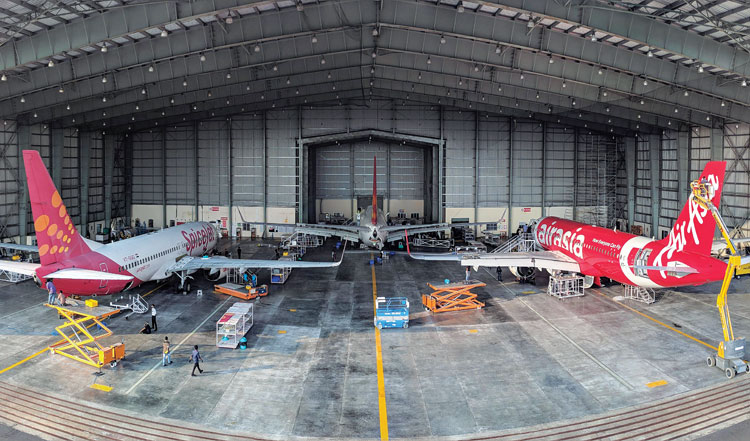
India’s MRO market, valued at $1.7 billion in 2021, is projected to exceed $4 billion by 2031. The country has over 1,000 aircraft on order, which will significantly increase demand for maintenance services.
Currently, nearly 90% of heavy maintenance work is outsourced to international hubs such as Singapore (SIN), Dubai (DXB), and Colombo (CMB). This highlights a gap in domestic capacity and a strong opportunity for local players.
AIESL aims to capture this demand by strengthening its domestic presence and reducing reliance on overseas MRO services.
Operational Capacity and Expansion Strategy
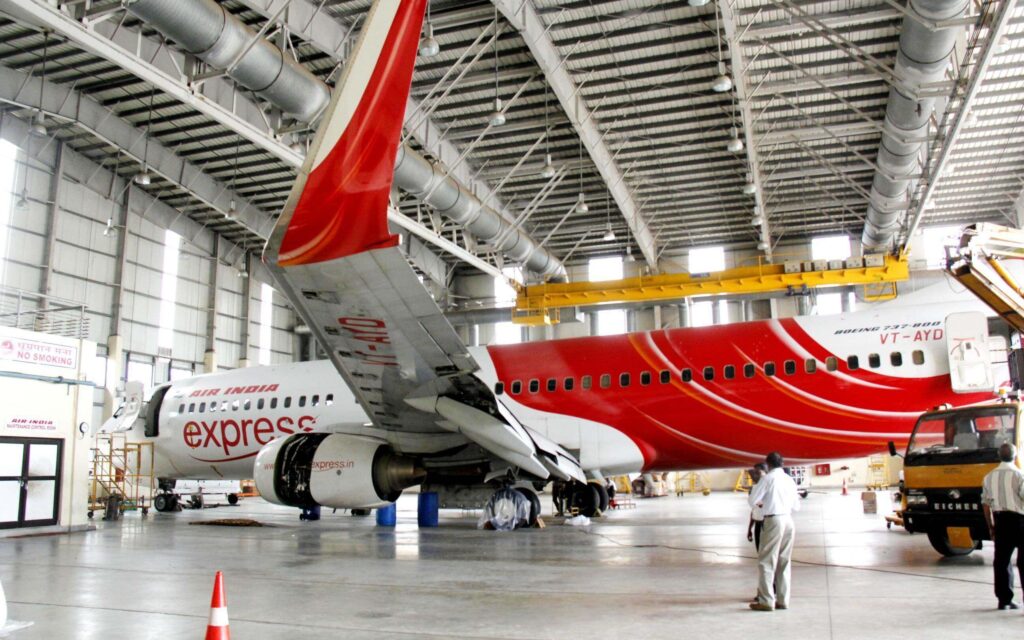
AIESL operates six major maintenance bases across Delhi (DEL), Mumbai (BOM), Chennai (MAA), Kolkata (CCU), Nagpur (NAG), and Thiruvananthapuram (TRV). The company can currently handle around 20 aircraft per day, including 5 to 6 wide-body jets.
Improving turnaround times remains a key focus. Enhanced operational efficiency could potentially increase capacity by two to three times without significant capital expenditure.
The company reported a turnover exceeding ₹2,100 crore in FY24. It expects revenue of approximately ₹1,750 crore and a profit of around ₹300 crore in FY25, subject to audit.
Preparing for Next-Generation Aircraft
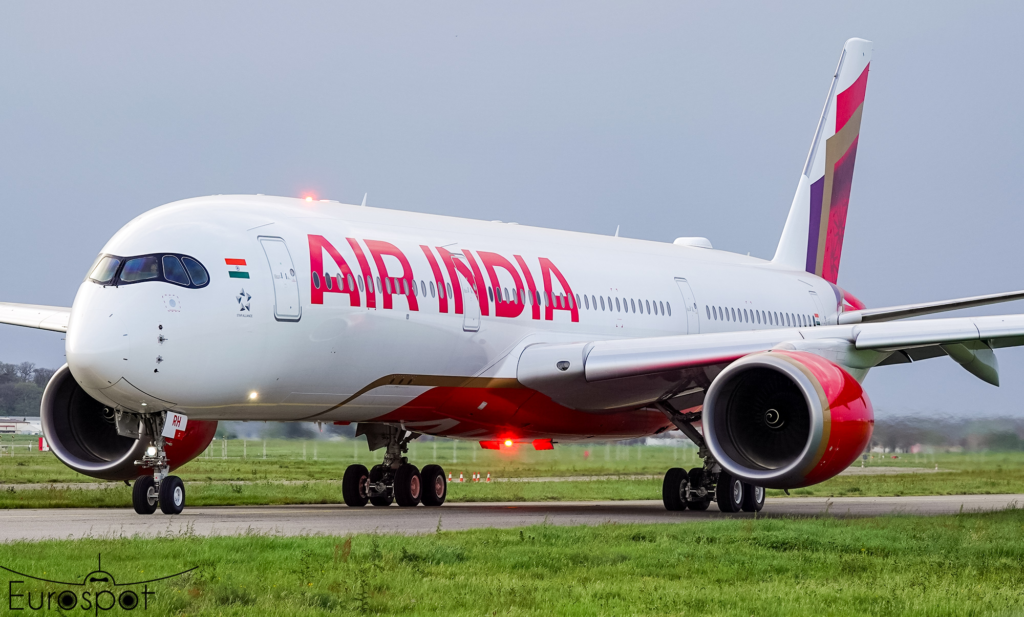
AIESL is aligning its capabilities with evolving fleet trends. The company is preparing to service newer aircraft such as the Airbus A350, Airbus A220, and Embraer jets.
Air India (AI) has already inducted Airbus A350 aircraft, while regional carriers are exploring smaller, long-range aircraft options. Supporting these platforms requires investment in technician training, specialized tooling, and regulatory certifications.
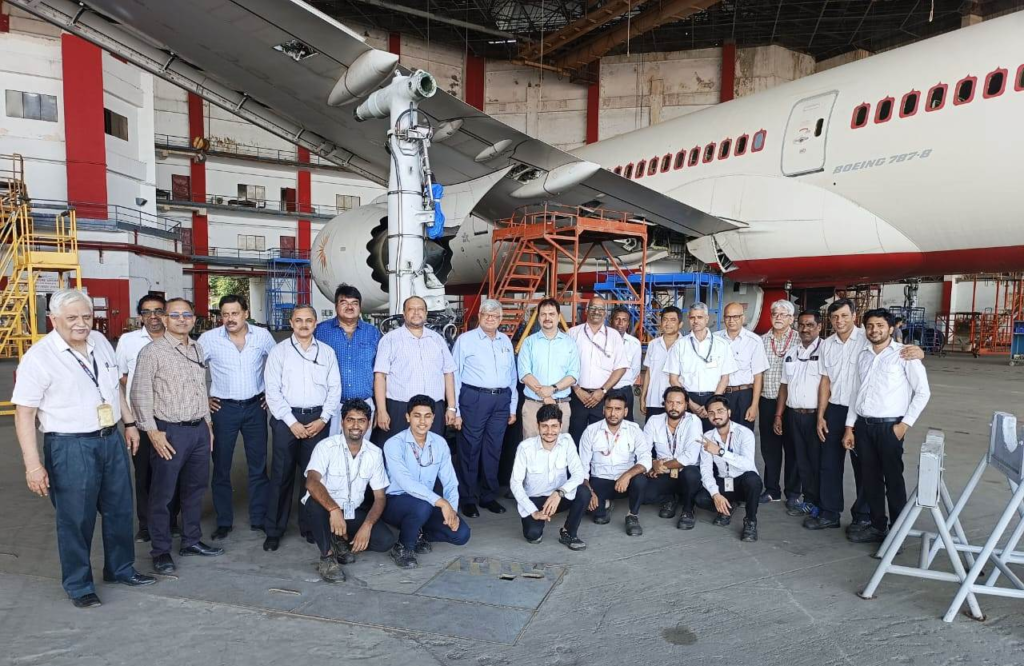
AIESL currently employs around 4,500 technicians and is focused on upgrading skill sets to meet future demand.
Global Certification and International Expansion
To expand its international footprint, AIESL has applied for certification from the European Union Aviation Safety Agency (EASA). Approval would allow the company to perform maintenance on European-registered aircraft.
The certification process is expected to take between six and twelve months. Once approved, AIESL can significantly expand its global customer base and strengthen its position in the international MRO market.
Stay tuned with us. Further, follow us on social media for the latest updates.
Join us on Telegram Group for the Latest Aviation Updates. Subsequently, follow us on Google News
