

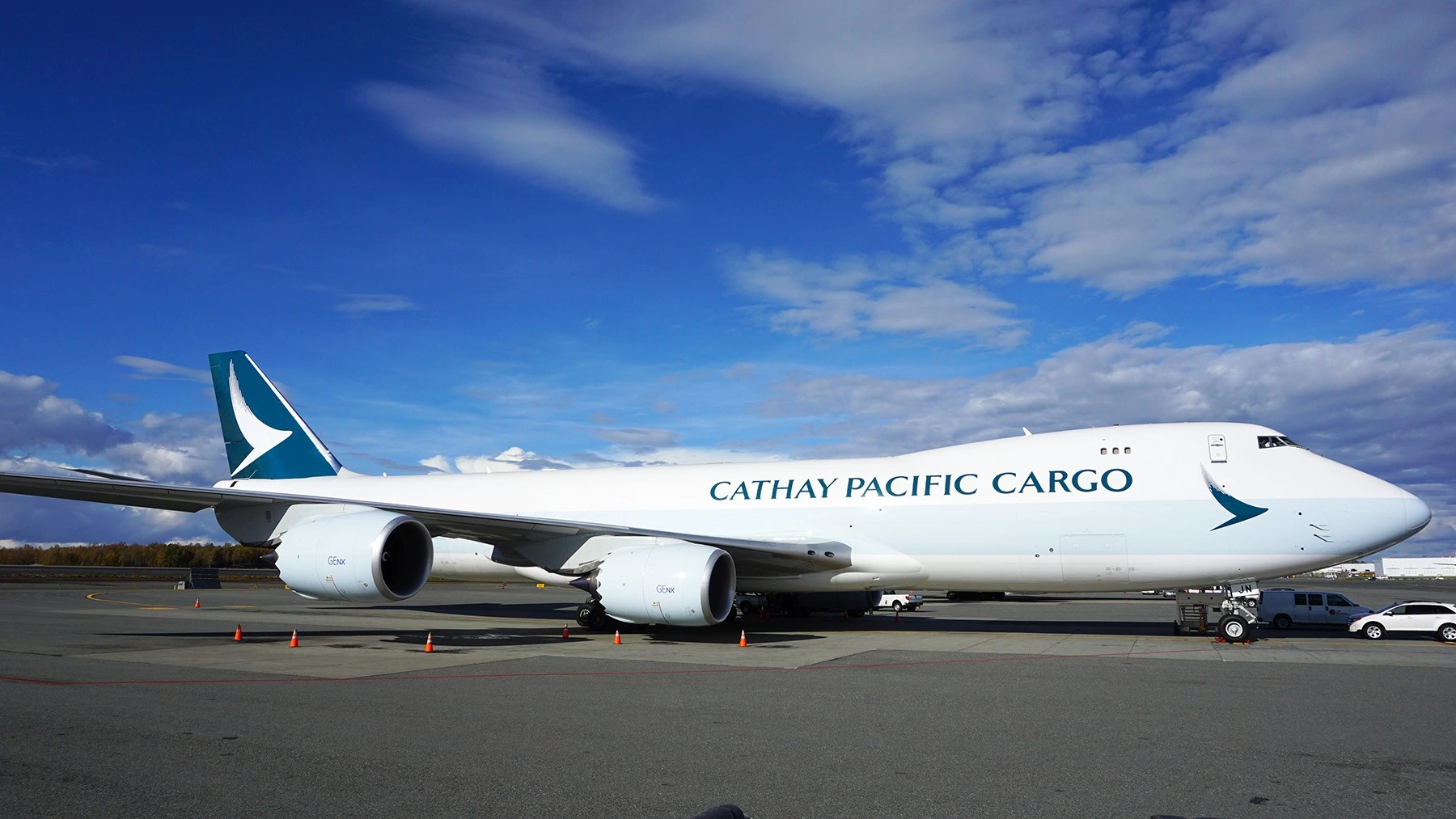
MUMBAI— Cathay Cargo (CX) has become the first international airline to confirm the temporary relocation of its dedicated freighter operations from Chhatrapati Shivaji Maharaj International Airport (BOM) to Navi Mumbai International Airport (NMI), with the transition scheduled to begin on August 3.
The move marks a significant step in the gradual shift of cargo traffic to Mumbai’s newly developed airport as infrastructure work continues at the city’s primary aviation gateway.
The airline said the relocation will remain in place until further notice, depending on operational requirements, while its existing three-times-weekly summer freighter schedule to Mumbai will continue without disruption.
The decision follows months of planning by airport authorities to ensure cargo services remain operational during ongoing airside development projects.
Cathay Cargo confirmed that the relocation is intended to support uninterrupted freight movement while construction activities continue at CSMIA.
The airport operator has been preparing for a temporary redistribution of freighter traffic as part of a wider modernization program designed to improve long-term operational efficiency.
The transition follows earlier plans announced by Mumbai International Airport Limited (MIAL), which proposed suspending dedicated freighter operations to facilitate construction of new taxiways linked to Runway 14/32.
The project is expected to enhance aircraft movement, increase runway capacity, and improve overall airport performance once completed.
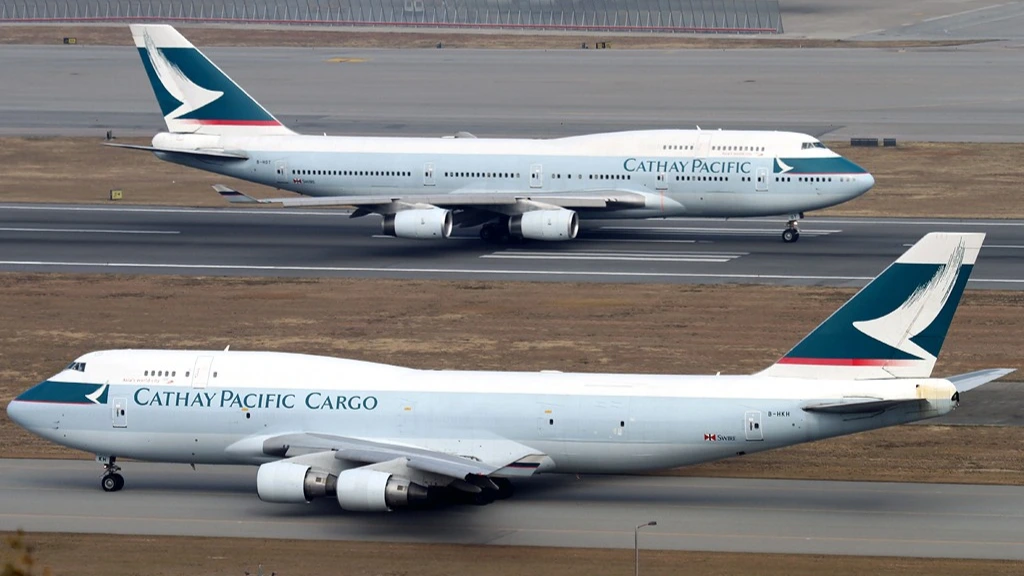
Cargo Transition to NMIA
Adani Airport Holdings, which operates both CSMIA and NMIA, has spent more than a year coordinating with airlines, cargo handlers, and logistics providers to prepare for the shift.
The company previously invited cargo operators to establish facilities at NMIA before commercial freight operations begin.
The proposed relocation initially generated concern across the global air cargo industry.
The International Air Transport Association (IATA) questioned whether airlines could permanently lose historic freighter slots during the transition, raising concerns over future scheduling flexibility.
Following discussions with regulators and industry stakeholders, airport authorities later confirmed that the affected cargo slots would be reinstated.
Officials said the infrastructure program and operational changes were managed through a consultative process designed to balance airport development with airline requirements.
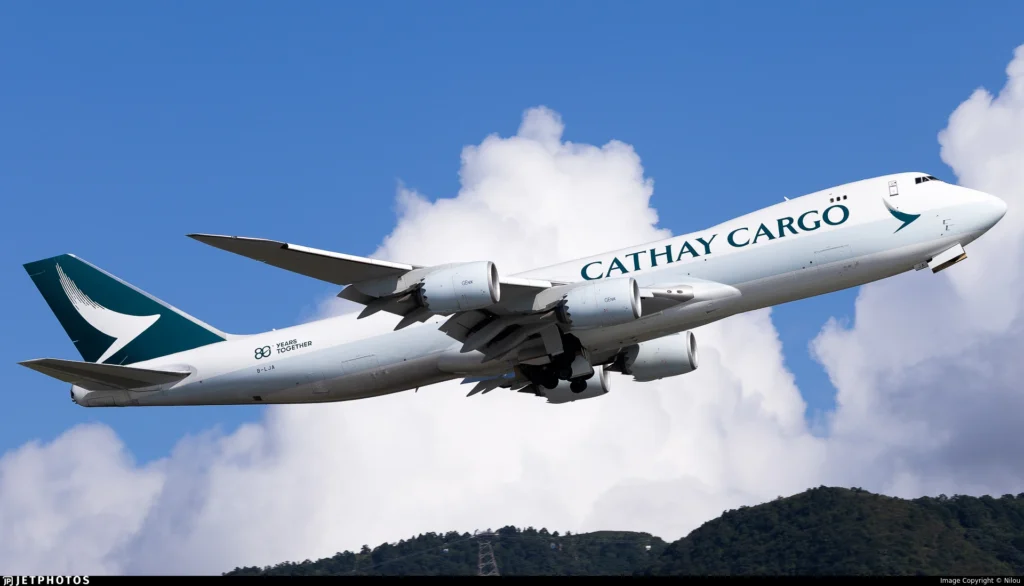
Regulatory Concerns Over Relocation
The cargo relocation also attracted attention from international regulators.
Earlier this year, the U.S. Department of Transportation reportedly warned that requiring foreign cargo airlines to relocate could raise questions under the U.S.-India Air Transport Agreement, particularly if the move affected established operating rights.
Industry observers also examined the transition because both airports are operated by the same parent company.
While some stakeholders questioned whether the relocation could accelerate traffic growth at the new airport, airport authorities maintained that the decision was driven by operational needs associated with ongoing infrastructure upgrades.
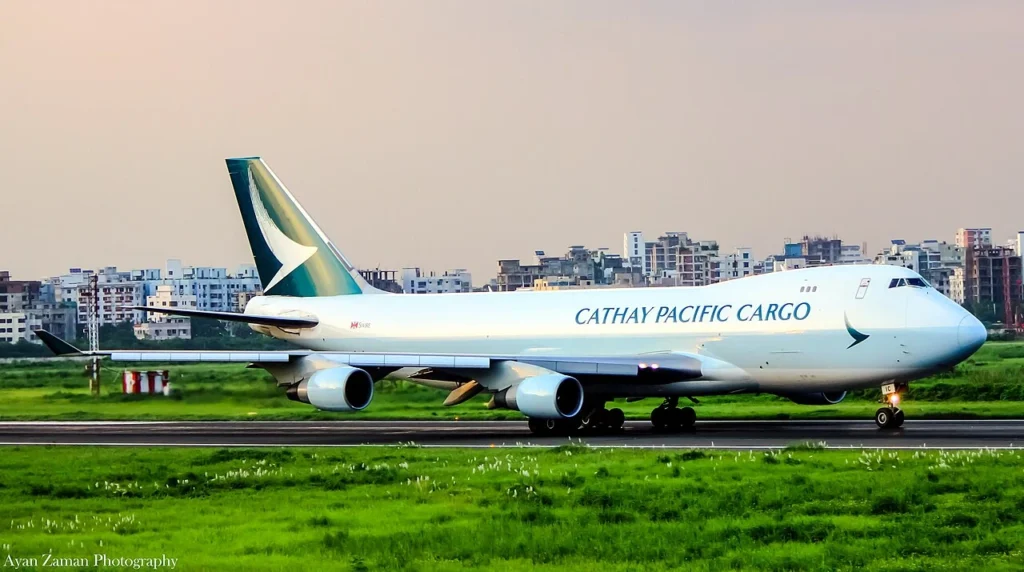
More Airlines Expected to Relocate
Cathay Cargo’s announcement may encourage additional international freight operators to finalize similar plans.
Air France Cargo has indicated its intention to move its twice-weekly Paris-Mumbai freighter service to NMIA from early August, subject to regulatory approvals, while Lufthansa Cargo continues discussions with airport authorities regarding operational arrangements.
Navi Mumbai International Airport is preparing to launch international passenger and cargo services in mid-July, with airport management expecting cargo activity to expand steadily during the coming months.
Officials anticipate the airport will eventually handle nearly 18 scheduled cargo flights each week as more airlines relocate their freighter operations, itln.in reported
With Cathay Cargo now confirming its transition, Mumbai’s air cargo sector has entered a new phase that could reshape freight operations across western India ahead of the traditional peak shipping season.
Note: Cathay Cargo operation relocation is subject to approval.
Stay tuned with us. Further, follow us on social media for the latest updates.
Join us on Telegram Group for the Latest Aviation Updates. Subsequently, follow us on Google News

