

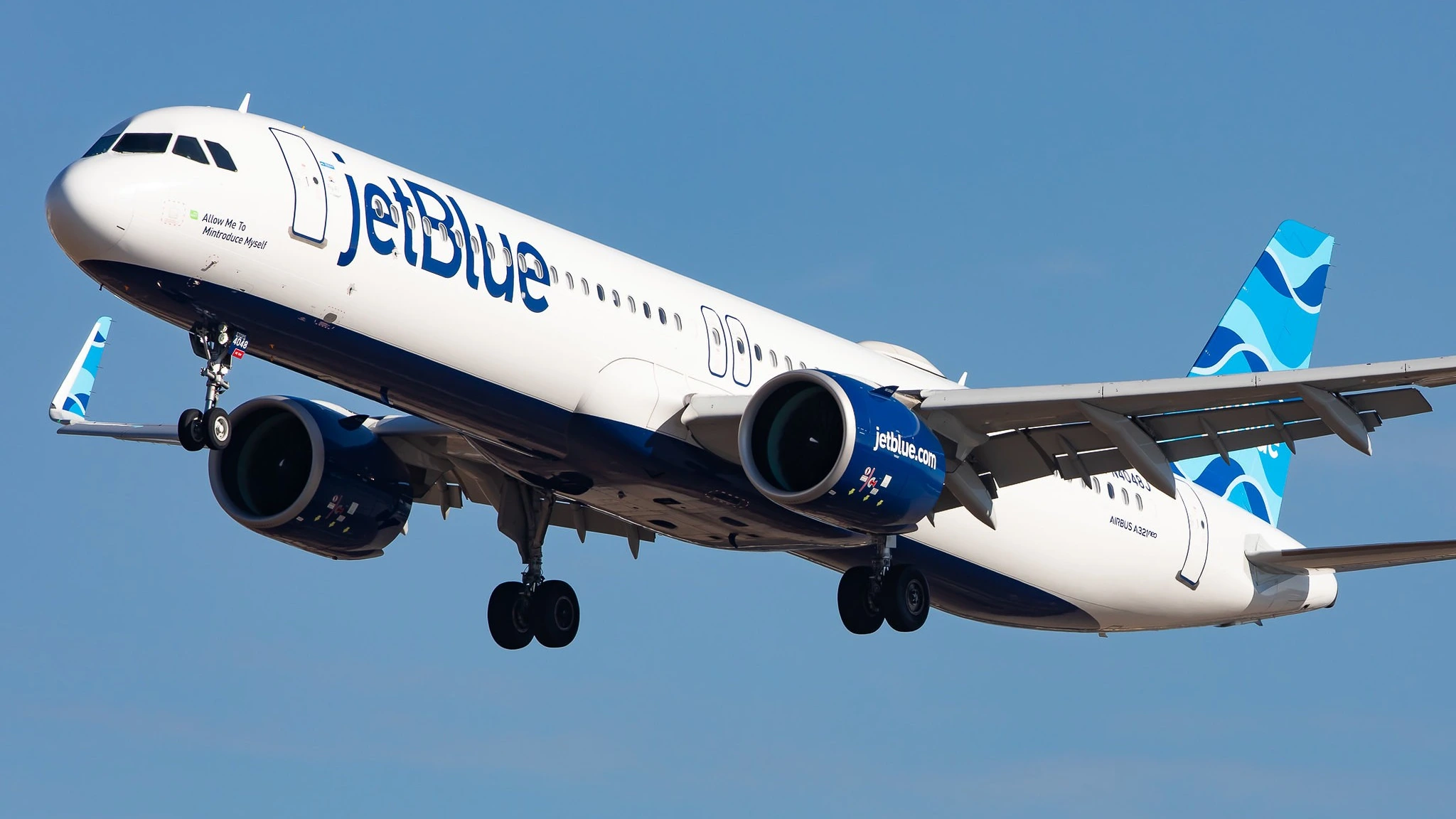
FORT LAUDERDALE— JetBlue Airways (B6) is transforming Fort Lauderdale-Hollywood International Airport (FLL) into a larger connecting hub as it expands its network across the Caribbean and Latin America.
The strategy follows the collapse of Spirit Airlines and positions South Florida as the airline’s primary growth market through 2026.
The carrier is redesigning its schedule at Fort Lauderdale (FLL) to improve one-stop travel from smaller U.S. cities to destinations across the Caribbean, Central America, and South America.
Executives say the new network strengthens JetBlue’s competitive position while allowing it to capture demand previously served by Spirit.

JetBlue’s Fort Lauderdale Expansion
JetBlue President Marty St. George described Spirit’s exit as one of the airline’s biggest strategic opportunities in years. With additional airport resources becoming available, the carrier has accelerated expansion plans centered on Fort Lauderdale.
The airline has introduced a banked schedule that aligns arriving and departing flights to create smoother connections.
Instead of focusing only on local passengers, JetBlue can now offer travelers from secondary cities convenient one-stop access to dozens of international leisure destinations.
Cities such as Albany are among the biggest beneficiaries of the new strategy. Previously, passengers had limited nonstop options beyond Florida, but they can now connect through Fort Lauderdale to destinations throughout the Caribbean and Latin America using a single itinerary.
Industry schedule data indicates JetBlue will offer approximately 6.3 million departing seats from Fort Lauderdale during 2026, representing an increase of about 55% compared with the previous year.
The expansion is expected to raise the airline’s share of airport capacity from roughly 20% to nearly 31%, making it the airport’s largest carrier.
The network expansion includes new or restored routes to Atlanta, Austin, Baltimore, Charlotte, Chicago O’Hare, Cleveland, Dallas/Fort Worth, Detroit, Houston Intercontinental, Jacksonville, Nashville, New Orleans, Orlando, Tampa, and Ponce in Puerto Rico.
Additional international services to Barranquilla and Cali in Colombia will begin later this year, followed by Columbus and Indianapolis.
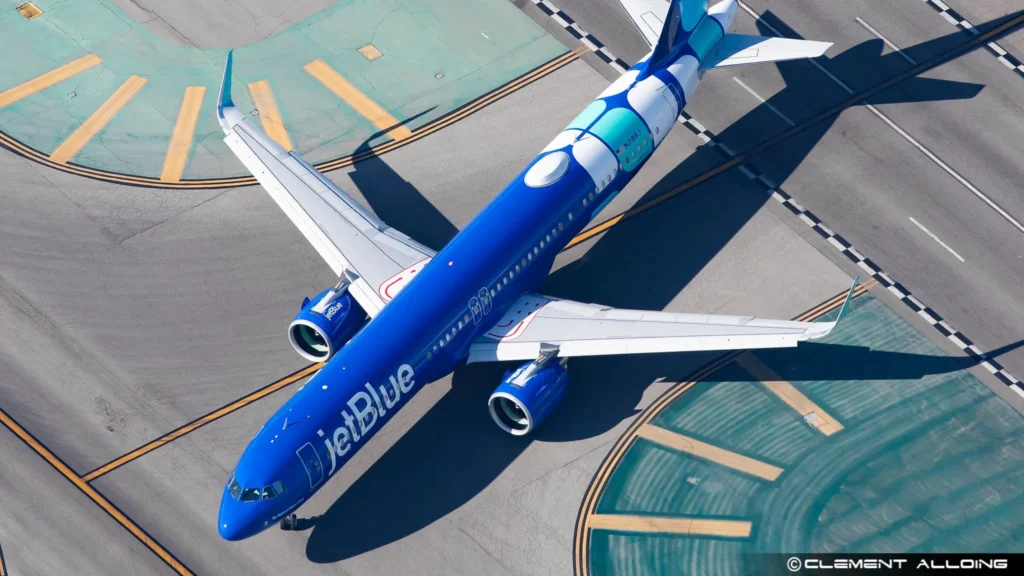
Network Expansion Strategy for JetBlue
Much of JetBlue’s growth has come from reallocating aircraft rather than adding significant fleet capacity.
The airline has reduced scheduled flying from New York John F. Kennedy International Airport (JFK) and Newark Liberty International Airport (EWR) while concentrating expansion in South Florida.
Although connecting traffic will increase substantially, Fort Lauderdale will continue to rely primarily on local travelers. Company executives noted that local demand remains exceptionally strong and will still account for the majority of passengers using the airport.
The redesigned network also strengthens JetBlue’s TrueBlue loyalty program. Customers from smaller cities gain access to a broader range of destinations through a single connection, increasing the value of the airline’s network and encouraging repeat travel.
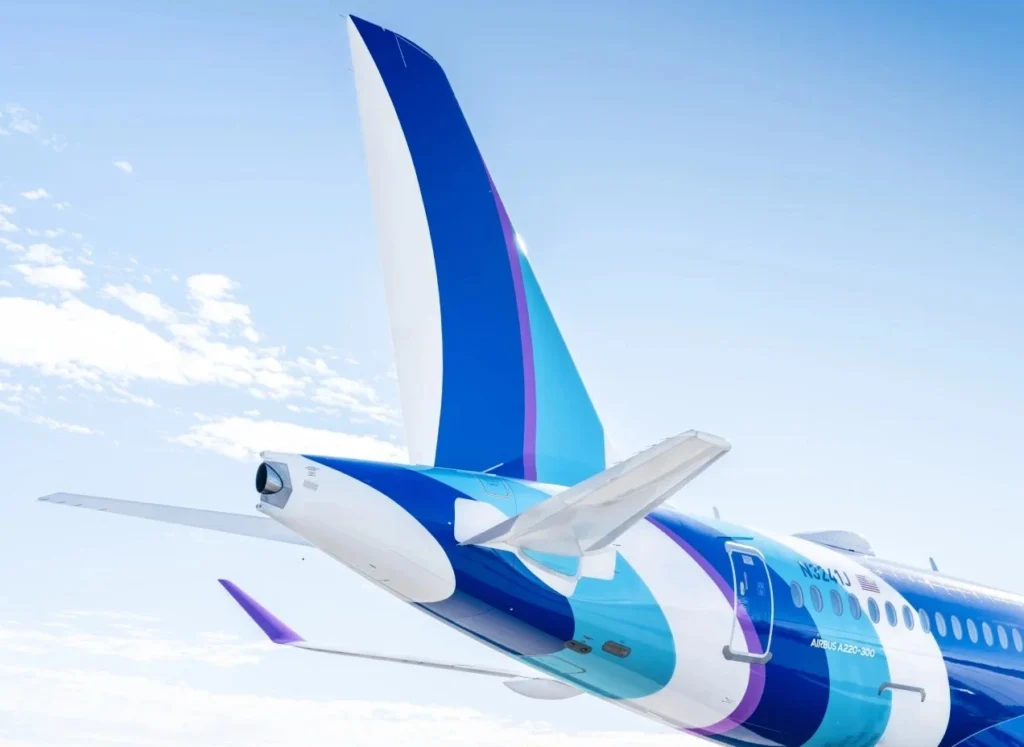
JetBlue Financial Performance
JetBlue’s investment in Fort Lauderdale is already producing encouraging commercial results. During the second quarter, unit revenue at the airport increased 11% despite capacity growing by nearly 40%.
The airline also recorded a 44% increase in TrueBlue enrollments in Fort Lauderdale, while new co-branded credit card acquisitions more than doubled. Company executives said every net capacity increase planned for the second half of 2026 will come from the South Florida hub.
JetBlue expects to operate more than 150 daily departures from Fort Lauderdale by late 2026 or early 2027.
However, future expansion will depend on airport infrastructure improvements, particularly additional international arrivals capacity and the planned Terminal 5 expansion, which is not expected to open before 2030.
The airline reported second-quarter operating revenue of $2.7 billion, up 14.5% year over year. Operating expenses climbed 20.8%, driven largely by higher fuel prices, resulting in a net loss of $247 million, Aviation Week reported.
JetBlue also completed a $500 million aircraft-backed financing transaction during the quarter to strengthen liquidity.
Stay tuned with us. Further, follow us on social media for the latest updates.
Join us on Telegram Group for the Latest Aviation Updates. Subsequently, follow us on Google News
