


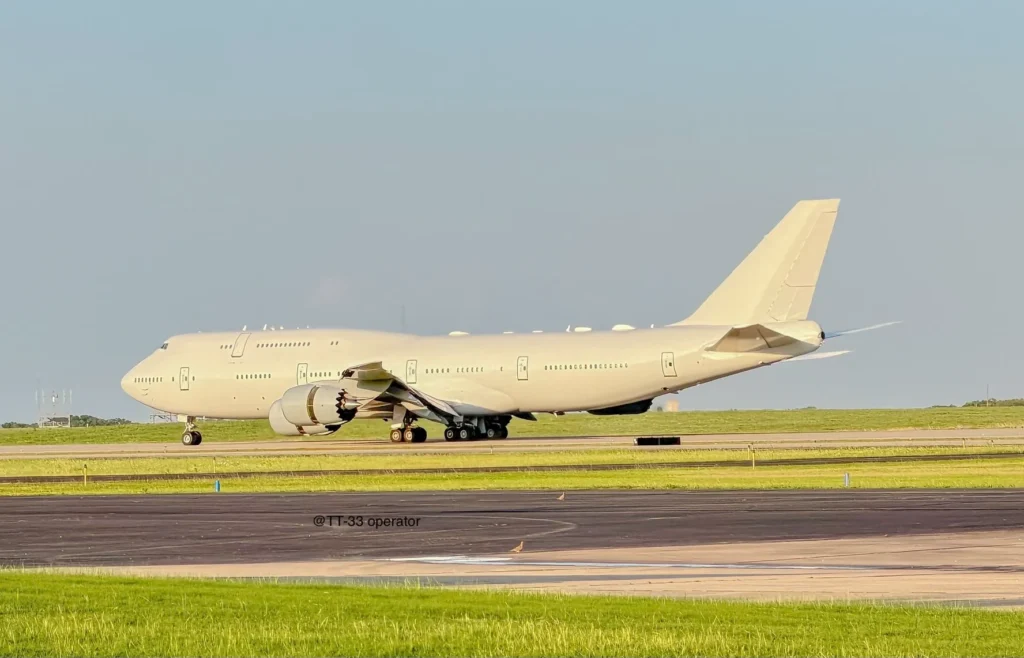
ARLINGTON- Boeing has booked another $280 million loss on the VC-25B Air Force One program, pushing its total out-of-pocket charges past $3 billion. The company still expects to deliver the first fully equipped jet to the US Air Force in 2028.
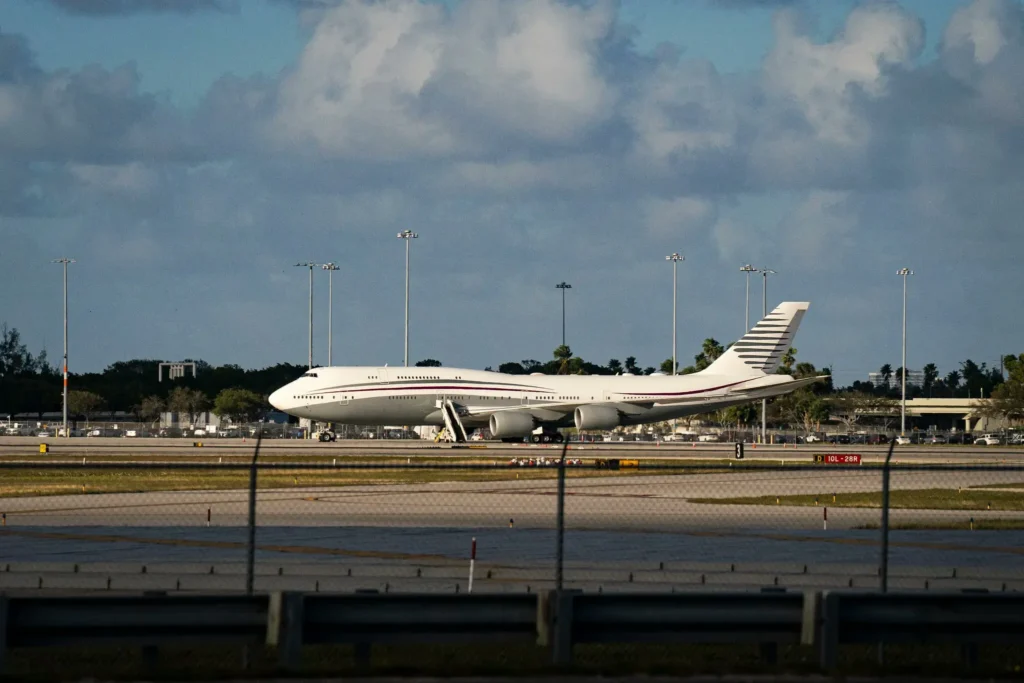
The charge follows last week’s news that the Qatari-gifted VC-25B Bridge jet, now flying presidential missions from Joint Base Andrews (ADW) outside Washington, DC (WAS), will leave service for roughly a month for further upgrades. Concerns persist that the aircraft lacks adequate defensive and other capabilities.
Fresh Charge Lands on a Fixed-Price Deal
Boeing announced the new loss, or “charge,” during its quarterly earnings call. Steve Parker, President and CEO of Boeing’s Defense, Space, and Security division, had first disclosed fresh cost growth on the program in an interview with Aviation Week earlier this month, but did not provide a specific dollar figure at that time.
The Air Force has been actively working to acquire the two VC-25Bs as one-for-one replacements for its aging VC-25A Air Force One aircraft since the late 2010s. The work involves converting two Boeing 747-8 airframes into presidential transports.
Boeing performs that conversion under a firm, fixed-price contract. The structure caps what the government pays, so cost growth above the agreed value falls on the company. Boeing has already absorbed billions of dollars in losses since the program began.
As of 2024, it had reported some $2.8 billion in charges, according to Aviation Week. The new $280 million charge pushes that figure past $3 billion.
Boeing President and CEO Kelly Ortberg explained the reasoning on the call.
We’ve made the decision to add significant resources to support the build and test schedule on VC-25B. We have also aligned with the Air Force on moving from an FAA [Federal Aviation Administration] to a military certification basis.”
Ortberg added that the extra resources will help mitigate potential risks during certification and flight tests, and that because the program is in a reach-forward loss, those investments produced the $280 million quarterly charge.
Boeing repeated the point in a press release issued the same day, attributing the loss primarily to an investment in additional production and certification resources. The company stated that it continues to anticipate first delivery in 2028.
The Air Force has infused additional funding into the effort. That includes a $15.5 million contract modification in December 2025 to support communications systems work.
The Government Accountability Office (GAO), in a report published in June, said the total estimated acquisition cost of the program on the US government side had risen from $6.263 billion to $6.608 billion between December 2018 and August 2025.

Schedule Slips Measured in Years
Boeing first announced last year that it was aiming to deliver the first fully equipped VC-25B by mid-2028. GAO’s June report said the Air Force hopes to receive the aircraft by March of that year.
Holding that timeline would represent a slight improvement in the program schedule. The original goal, however, was for the Air Force to have the first of these new Air Force One jets in hand by December 2024.
GAO set out the revised plan in its report.
“In September 2025, Boeing provided a revised schedule that would accelerate the aircraft delivery, to mid-2028 and mid-2029, respectively.”
Program officials told GAO the revised schedule reflects changes to the airworthiness certification approach and to aircraft requirements, including interior designs, weight limitations, and storage.
They said the supply chain is ramping up to ensure parts arrive on time to support the schedule, and that they are exploring use of the organic industrial base to mitigate supply chain risks and ensure a diversity of suppliers.
Structural Repairs and Deferred Upgrades
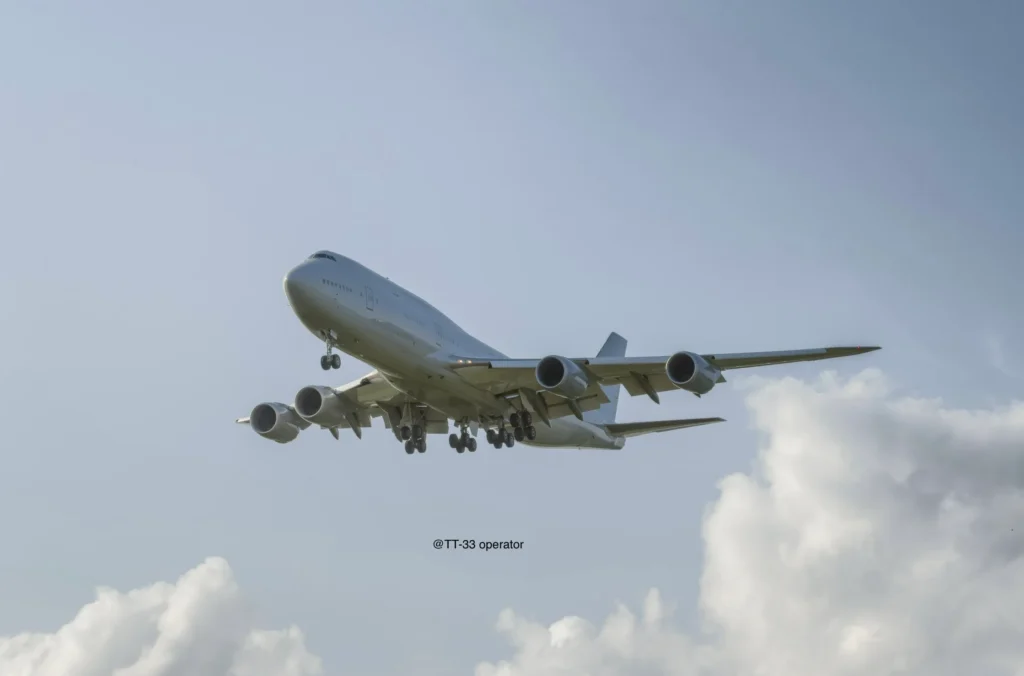
GAO also documented technical work still outstanding on the airframes. Repairs of the VC-25B stress corrosion cracks are ongoing and expected to be completed in 2026, according to officials, who are planning ongoing inspections after delivery.
The Air Force plans to upgrade mission communications systems after the aircraft are delivered, but the timelines are still being developed, according to program officials.
Cracking is a known issue that has been impacting 747-8s worldwide, regardless of their configuration. The FAA issued a formal airworthiness directive to all operators regarding these problems back in 2023.
The additional work required on the communications systems speaks to a wider consequence of long delays. Certain technologies intended to be incorporated originally have become out of date.
Certification remains a large open task. GAO noted that the program is developing 80 certification plans to demonstrate aircraft airworthiness, and that the Air Force had approved seven of these plans as of October 2025. The Air Force has yet to determine when operational testing will begin.
Bridge Jet Sits at Center of the Debate
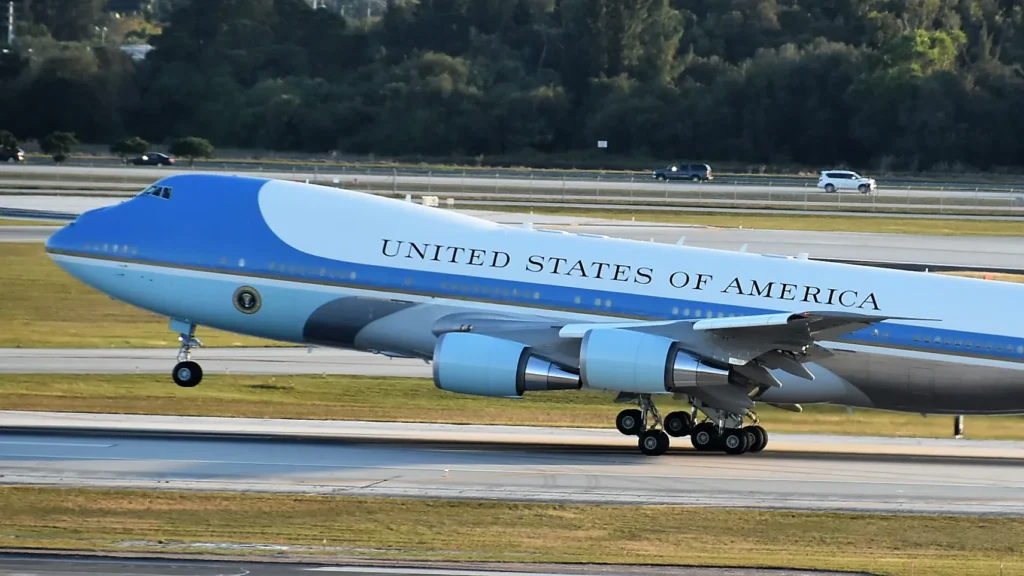
Delays and cost growth on the two fully fledged VC-25Bs are deeply intertwined with what is now known as the VC-25B Bridge aircraft.
Air Force One had already been of personal interest to President Donald Trump since he was a candidate back in 2015. Reports that he was looking for ways to speed up the acquisition of a new Air Force One plane emerged soon after he started his second term last year.
The Qatari government subsequently made the highly irregular donation of a 747-8i jet to the US military, after which the Air Force announced it would be turned into an interim presidential aircraft. Defense contractor L3Harris completed the conversion work in a span of roughly 10 months.
The basic justification for needing the Bridge VC-25B at all remains a subject of intense debate, and the aircraft has been a source of criticism and controversy from the start. That criticism has been further fueled by a recent chain of events that began with the jet’s official entry into service in the Air Force One role earlier this month.
Turkey Trip and Aircraft Swap
Trump took his first trip on the plane on July 1, traveling to North Dakota for events surrounding the 250th anniversary of the United States.
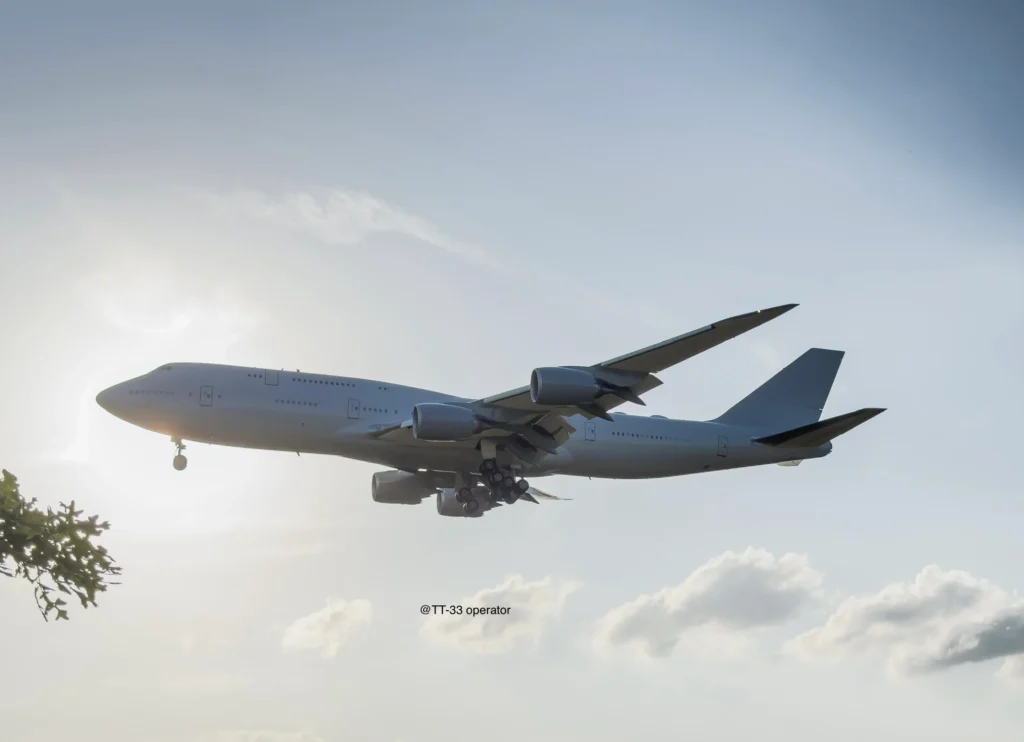
Just days later, the President traveled to the NATO summit in Turkey on the aircraft, then made an unexpected swap back to an older VC-25A for the return flight home. Observers tracking the movement noted the change as it happened, speculating that the two jets would meet for a fuel stop in the United Kingdom before the President returned to Andrews aboard the Bridge aircraft.
It has since been reported that a credible threat to Trump emanating from Iran prompted the Secret Service to advise the switch in aircraft. Reports before and after the trip said the ex-Qatari 747 lacked key self-defense features and other capabilities found on the VC-25As and planned for the future VC-25Bs from Boeing.
TWZ had repeatedly raised serious questions about potential defense capabilities, as well as the overall feasibility of using the former Qatari plane in the Air Force One role, since the plan first emerged. Before the Turkey trip, whether the Bridge jet would ever fly overseas in the Air Force One role was an open question.
The VC-25As do carry defensive and other capabilities that are not plainly visible, and the VC-25Bs could as well. The White House, the Air Force, and L3Harris have consistently pushed back on any operational security concerns.
Trump announced last week that the Bridge aircraft will be sent off to have its capabilities “maxed out.” The White House subsequently confirmed this and said the jet is expected to be out of service for roughly a month. The move has raised a host of new questions about the aircraft’s configuration and about what risks may have been accepted to meet the original delivery schedule.
Requirements Trimmed on Full VC-25Bs
There have also been signs that the requirements for the fully equipped VC-25Bs have been watered down over the years, at least to a degree, in an effort to accelerate that program.
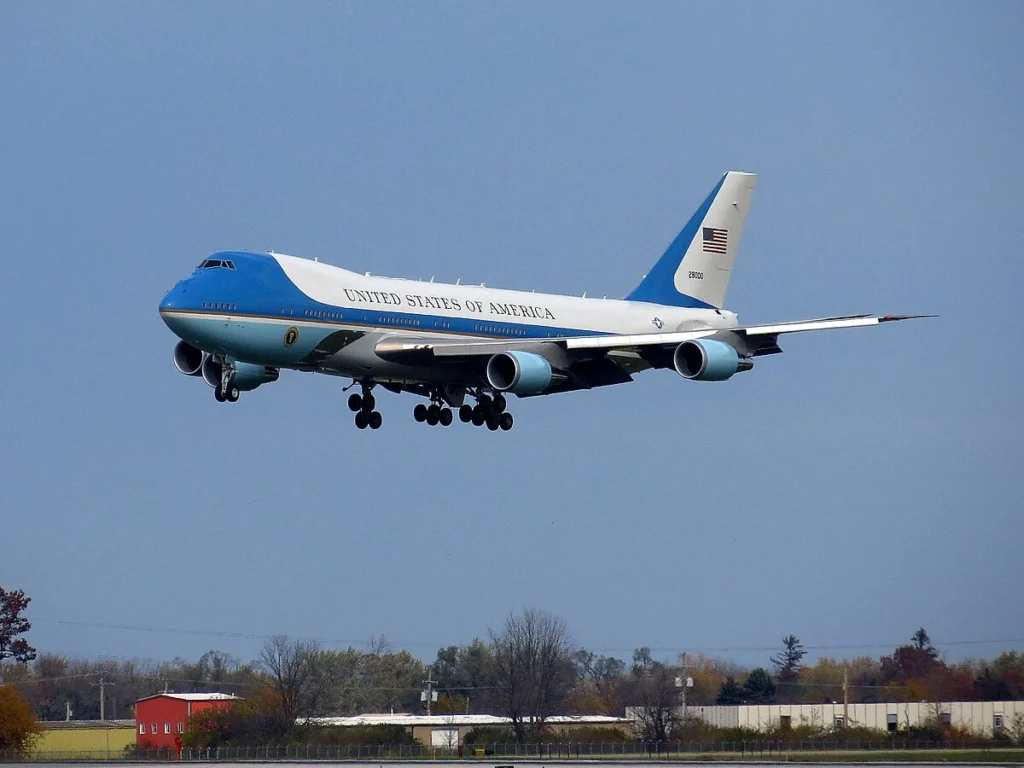
The most notable example is the lack of an in-flight refueling capability on the jets Boeing is converting now. The VC-25As have the ability to refuel in flight, and the Air Force has described this as a key capability in the past.
Older Jets Carry Load Until 2028
The VC-25As look set to continue serving at least through 2028.
One of the service’s Boeing 757-based C-32A aircraft carried President Trump on a trip to Michigan on Monday. Use of the C-32As in the Air Force One role is not at all uncommon, especially on domestic trips to smaller airports. That usage has increased as VC-25A availability has waned due to the age of those aircraft.
Despite the financial loss announced today, Boeing is still pressing ahead to deliver the first fully equipped VC-25B, now set to arrive in 2028. What will happen to the Bridge aircraft afterward, and how it will be used between now and then, remains to be seen.
Stay tuned with us. Further, follow us on social media for the latest updates.
Join us on Telegram Group for the Latest Aviation Updates. Subsequently, follow us on Google News
