

TEL AVIV- India is advancing discussions to procure the Sky Sting beyond visual range air-to-air missile from Rafael Advanced Defense Systems to strengthen the Indian Air Force (IAF).
The proposal gained momentum during Prime Minister Narendra Modi’s second state visit to Israel.
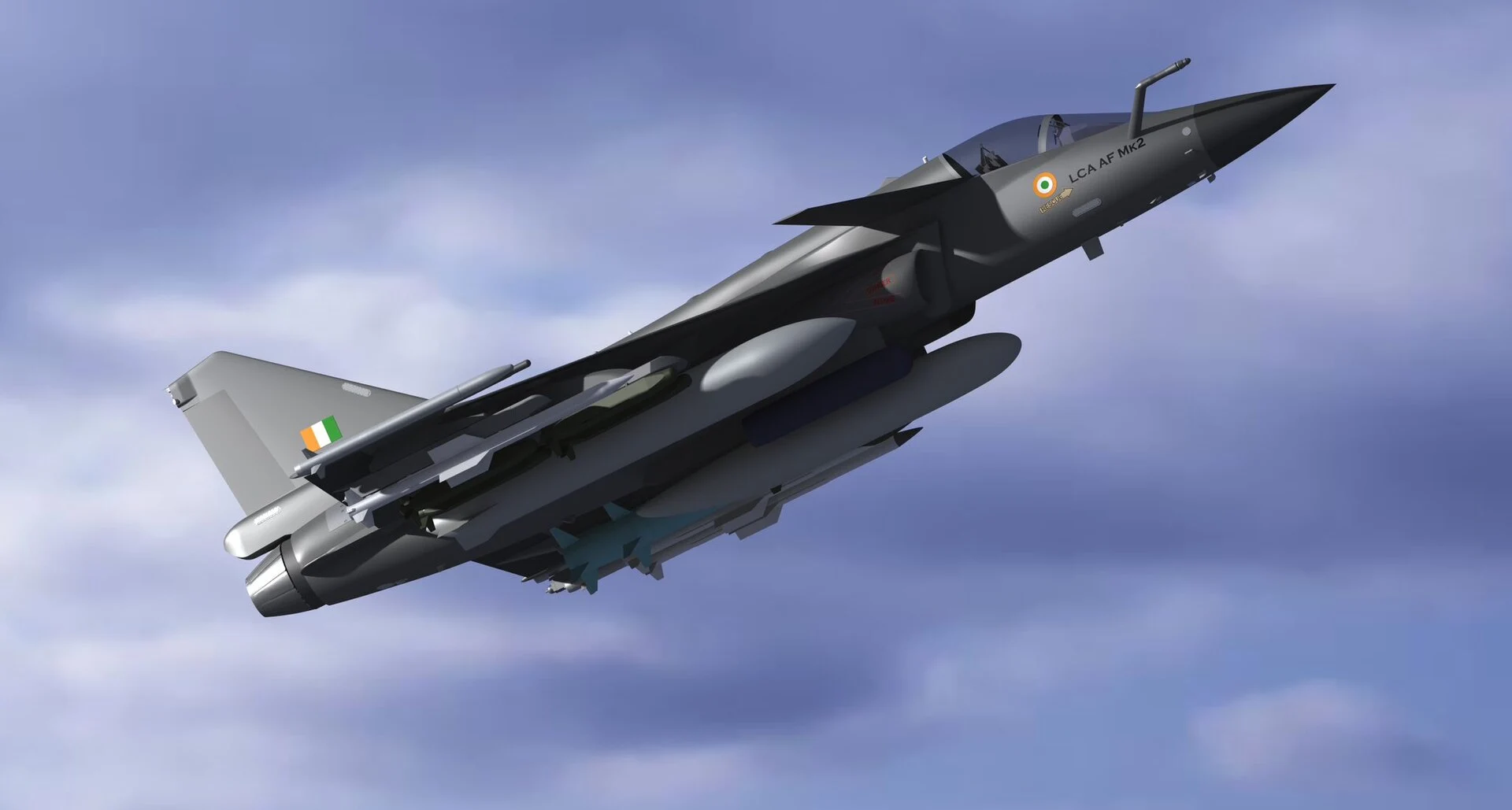
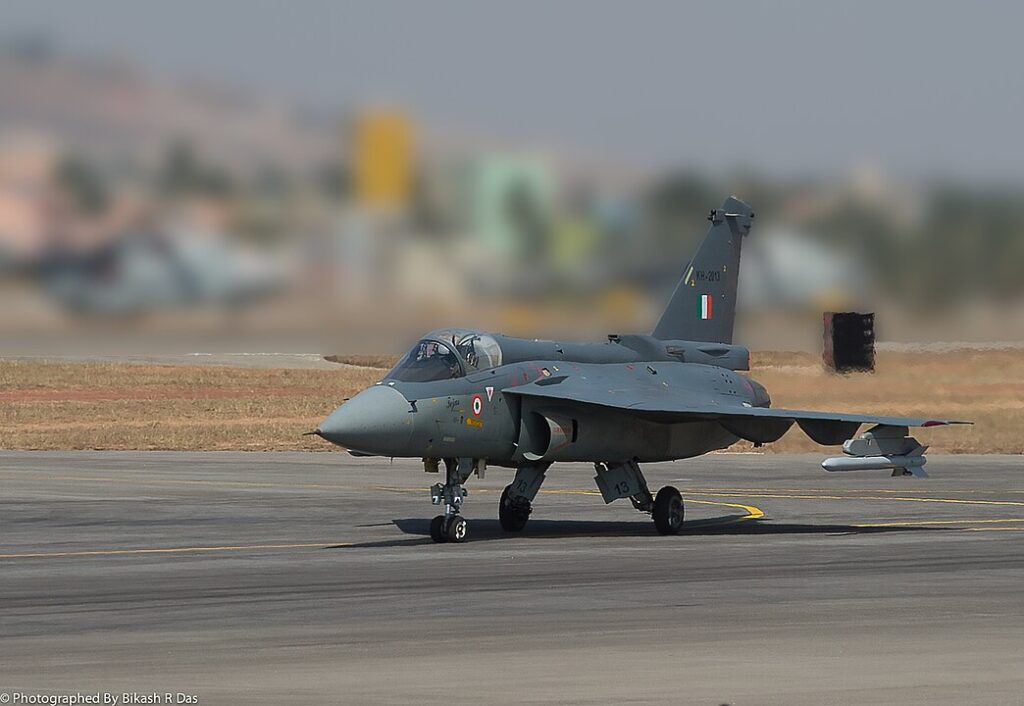
The 250 km class missile is being evaluated for integration with the HAL Tejas Mk1A and possibly the Su-30MKI fleet.
The move seeks to counter China’s PL-15 and PL-17 long-range missiles while balancing India’s domestic Astra development roadmap.
Sky Sting And India’s BVR Combat Requirements
Sky Sting is a sixth-generation, AI-enabled beyond visual range air-to-air missile currently under development in Israel. It reportedly offers a strike range of up to 250 km, placing it in the same class as China’s PL-15 and PL-17 systems.
While the PL-17 is not exported to Pakistan, the regional BVR balance remains a concern for Indian planners.
The missile uses a three-pulse solid fuel rocket motor that sustains energy through different flight phases and delivers terminal speeds exceeding Mach 5. This propulsion profile enhances no escape zone performance during the endgame stage.
Weighing between 180 and 200 kg, Sky Sting is suitable for carriage by lightweight fighters such as Tejas Mk1A without severely affecting payload flexibility.
The Indian Air Force is also assessing compatibility with the heavier Su-30MKI platform to expand long-range engagement capability across fleets.
The missile features an advanced radio frequency seeker with artificial intelligence-driven target discrimination. Its electronic counter-countermeasure capability enhances resistance against jamming and decoys.
A secure two way data link allows mid course guidance updates and real time communication between pilot and missile.
The proposal is expected to follow a phased model. India may initially procure limited numbers off the shelf, followed by localized production in partnership with Rafael. If approved, the system will undergo integration trials and validation before operational induction.
Astra Integration Challenges And Delivery Delays
India’s indigenous Astra Mk1 missile, developed by the Defence Research and Development Organisation and produced by Bharat Dynamics Limited, has a range of about 110 km.
Astra Mk2 is designed to exceed 200 km, while Astra Mk3, based on solid fuel ducted ramjet technology, is projected to enter the 350 km class.
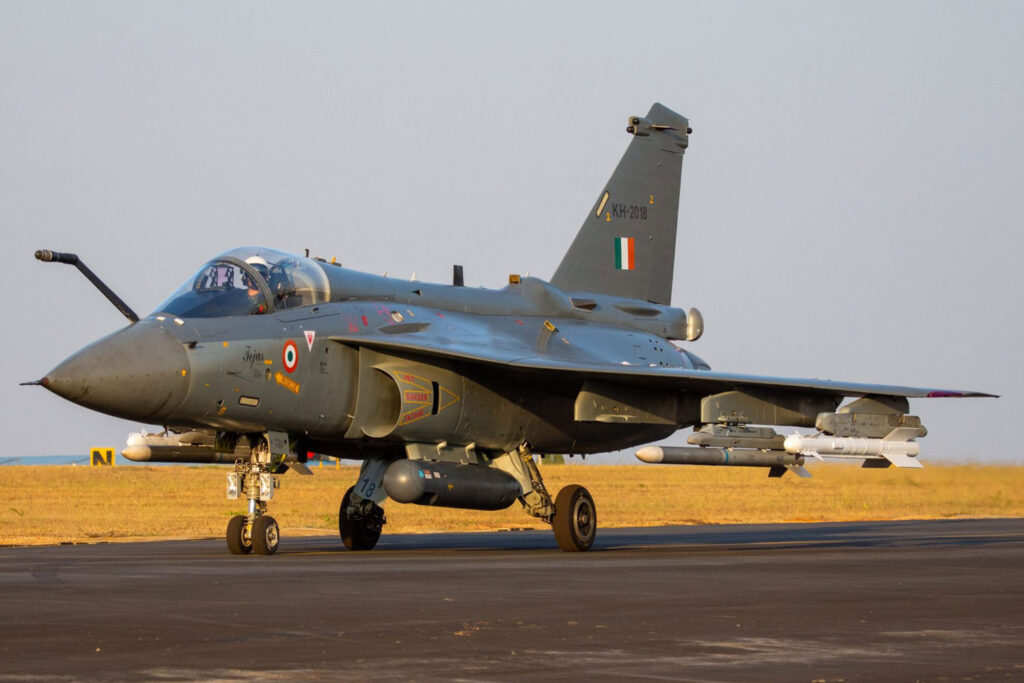
However, integration challenges have emerged between Astra Mk1 and the Israeli EL M 2052 AESA radar selected for Tejas Mk1A.
Hindustan Aeronautics Limited has reportedly faced technical difficulties in aligning the missile seeker and radar fire control logic. These integration issues have contributed to delays in Tejas Mk1A deliveries.
The Indian Air Force currently operates 29 squadrons against a sanctioned strength of 42, marking its lowest level since 1962.
Several Jaguar, MiG-29, and Mirage-2000 squadrons are scheduled for retirement in the coming years. At this stage, any delay in Tejas Mk1A induction affects overall combat readiness.
With 180 Tejas Mk1A aircraft on order, a ready to integrate missile such as Sky Sting could accelerate aircraft delivery timelines. This approach would allow parallel development of the indigenous UTTAM AESA radar and continued maturation of Astra Mk2 and Mk3.
Debate Over Imports Versus Self-Reliance
The Sky Sting proposal has triggered debate within India’s strategic community. Critics argue that importing a foreign BVR missile risks sidelining the Astra program at a critical stage.
Former Indian Air Force pilot and defense analyst Vijainder K Thakur has stated that the advanced features attributed to Sky Sting can be incorporated into future Astra variants, making immediate import questionable.
Supporters counter that bridging operational gaps does not equate to abandoning domestic development. India has previously adopted parallel acquisition strategies.
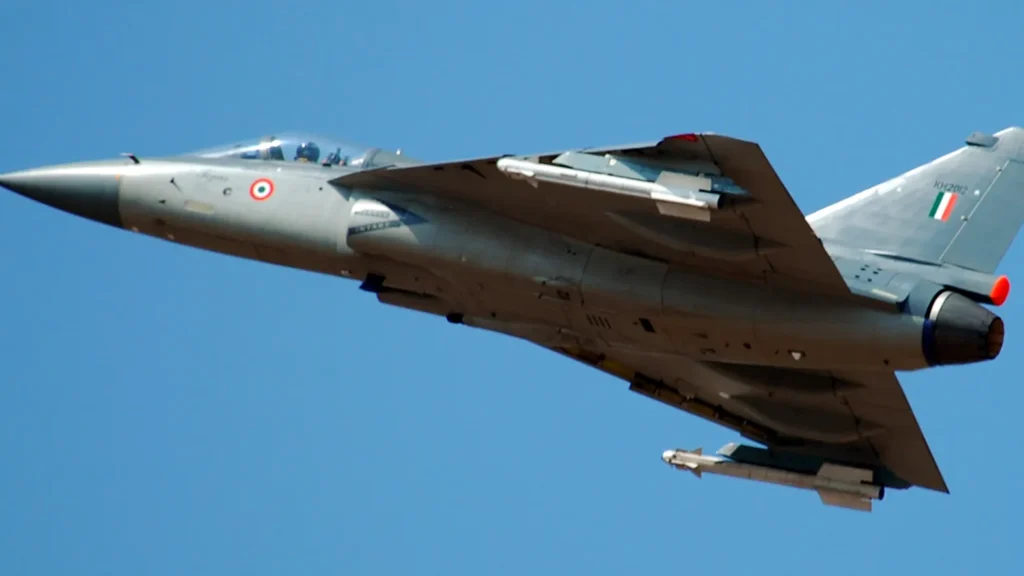
For example, the government ordered 180 Tejas Mk1A fighters while also exploring co production of additional advanced fighter aircraft to maintain squadron strength.
Air Chief Marshal AP Singh recently emphasized that India cannot prepare for future conflicts with outdated tools. This view underscores the urgency of fielding credible long range air combat capability in the near term.
The debate often reflects polarized narratives. One side prioritizes immediate imports to address capability gaps, while the other stresses long term self reliance under the Atmanirbhar Bharat framework.
A balanced approach seeks to procure critical systems when necessary while continuing investment in indigenous research and production.
Israel’s Role In The Tejas Ecosystem
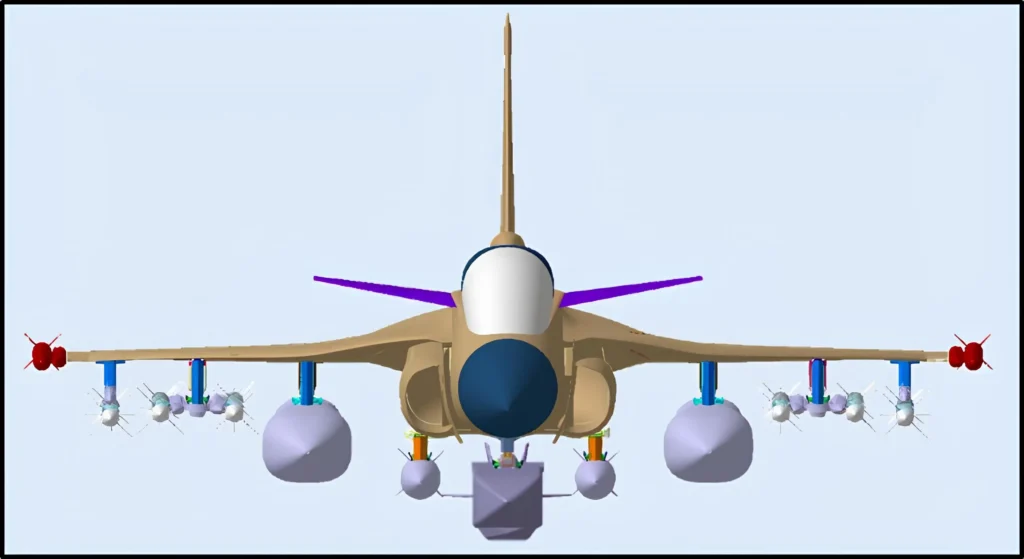
Israel occupies a central position in India’s aerospace modernization. The Tejas Mk1 variant integrates several Israeli systems, including the EL M 2032 multi mode radar from Elta Systems, the Litening targeting pod and Derby and Python-5 air to air missiles from Rafael, and the DASH IV helmet mounted display from Elbit Systems.
The Mk1A variant will incorporate the more advanced EL M 2052 AESA radar as a stopgap until India’s UTTAM AESA radar becomes operational.
It will also continue to use Israeli origin systems such as Litening pods, Derby and Python missiles, SPICE precision guidance kits, and the DASH V helmet mounted display.
India already operates multiple Rafael systems across services. These include the I Derby ER and Python-5 air to air missiles, the SPYDER air defense system, SPICE 2000 precision guided bombs, and Rampage air to surface missiles.
SPICE 2000 bombs were used during the 2019 Balakot airstrikes, and Rampage missiles were reportedly launched from Su-30MKI fighters during Operation Sindoor.
According to The Eurasian Times, Israeli platforms have frequently filled critical capability gaps in India’s arsenal while domestic systems progressed through testing and integration cycles.
In this context, Sky Sting would represent continuity rather than deviation in bilateral defense cooperation.

Strategic Implications For Regional Air Superiority
China’s deployment of long-range BVR missiles such as PL-15 and PL-17 has shifted the air combat equation in Asia.
A 250 km class missile with AI-enabled seeker logic and strong electronic protection would narrow this disparity for India.
When paired with AESA radar and network centric operations, extended range BVR missiles enhance first shot probability and survivability.
For the Indian Air Force, this capability supports deterrence and improves operational flexibility across contested airspace.
The final procurement decision will depend on cost, technology transfer provisions, production localization, and compatibility with India’s long term missile roadmap.
The outcome will shape both Tejas Mk1A induction timelines and the future trajectory of the Astra program.
Stay tuned with us. Further, follow us on social media for the latest updates.
Join us on Telegram Group for the Latest Aviation Updates. Subsequently, follow us on Google News
