

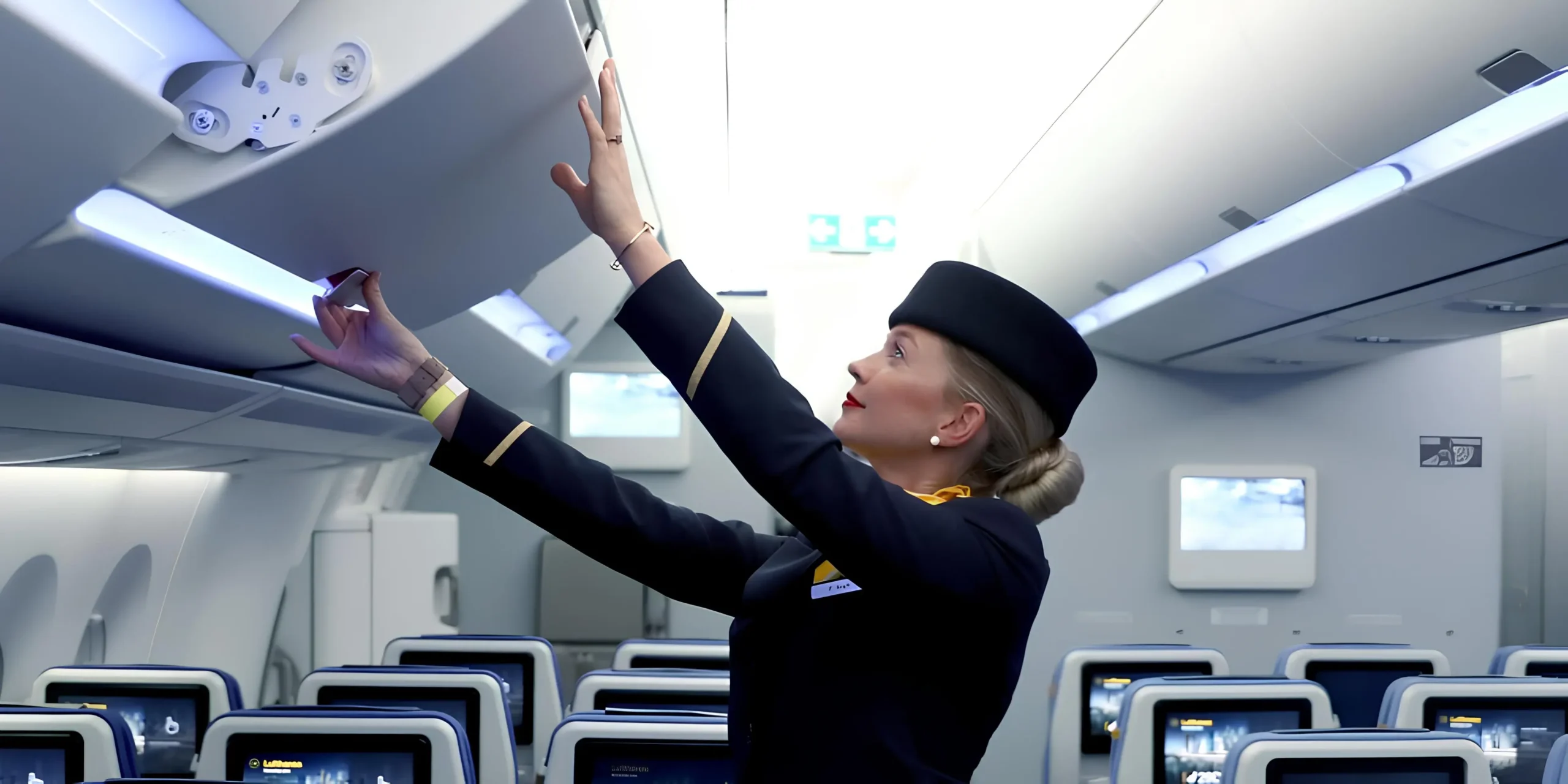
Aircraft cabin travel etiquette is evolving, and aviation experts now highlight one common carry-on mistake that can delay deplaning and create unnecessary inconvenience. Frequent flyers departing from major hubs such as Delta Air Lines (DL) at Hartsfield–Jackson Atlanta International Airport (ATL) are increasingly advised to avoid placing their carry-on bags in overhead bins located behind their assigned seats.
Industry professionals emphasize that proper carry-on placement is not just about convenience but also about efficiency, safety, and cabin flow. While travelers carefully follow TSA liquid limits and size regulations, many overlook how storing a bag behind their row can disrupt the disembarkation process and affect fellow passengers.

Carry-On Storage Rules
Aviation experts strongly discourage passengers from placing carry-on luggage in overhead bins behind their seats. When travelers store bags several rows back, they often must wait until most passengers have exited before retrieving their belongings.
This practice slows the overall deplaning process. Passengers attempting to move against the cabin flow to access their bags create congestion in the aisle, which delays everyone onboard.
Travel specialist Julian Kheel, founder and CEO of Points Path explains that storing luggage behind you can turn a smooth exit into a prolonged wait. Instead of stepping off promptly when the aircraft door opens, affected passengers remain stuck until the aisle clears.
Cabin Safety Concerns
Beyond efficiency, experts warn of safety and security risks. When a carry-on remains out of sight several rows behind, passengers lose immediate awareness of their belongings.
Limited visibility increases the possibility of accidental bag swaps. Although rare, misplaced or unattended bags can also heighten security concerns, especially on full flights where overhead bins are tightly packed.
According to Travel and Leisure, flight attendant and founder of Atlas+Wild, Sherry Peters, notes that physical strain is another overlooked factor. Reaching backward or twisting around seated passengers to retrieve a bag can strain muscles and increase the risk of minor injuries.
Keeping luggage in a bin directly above or slightly in front of the seat allows passengers to lift it in a forward motion. This approach reduces awkward movement and promotes a safer cabin environment during arrival.
Better Boarding Etiquette
Travel professionals acknowledge one exception. If overhead space near a passenger’s seat is unavailable, placing a carry-on behind may still be preferable to checking the bag, which can involve longer waits at baggage claim and a higher chance of mishandling.
However, experts advise that if nearby bins are full, passengers should aim to store luggage in a compartment slightly ahead of their row. This positioning allows them to retrieve the bag naturally as they exit the aircraft.
Crew members can also assist in identifying suitable storage space. Asking for guidance ensures fair bin usage and supports an orderly boarding and deplaning process.
Overhead bins are shared spaces, and thoughtful placement benefits everyone onboard. By keeping carry-on bags near or in front of their seats, passengers help maintain steady aisle movement, reduce stress, and improve the overall flight experience.
For frequent flyers and occasional travelers alike, small adjustments in carry-on habits can significantly enhance efficiency. Proper overhead bin etiquette ensures faster exits, smoother cabin operations, and fewer disruptions during one of the most time-sensitive phases of air travel.
Stay tuned with us. Further, follow us on social media for the latest updates.
Join us on Telegram Group for the Latest Aviation Updates. Subsequently, follow us on Google News
