

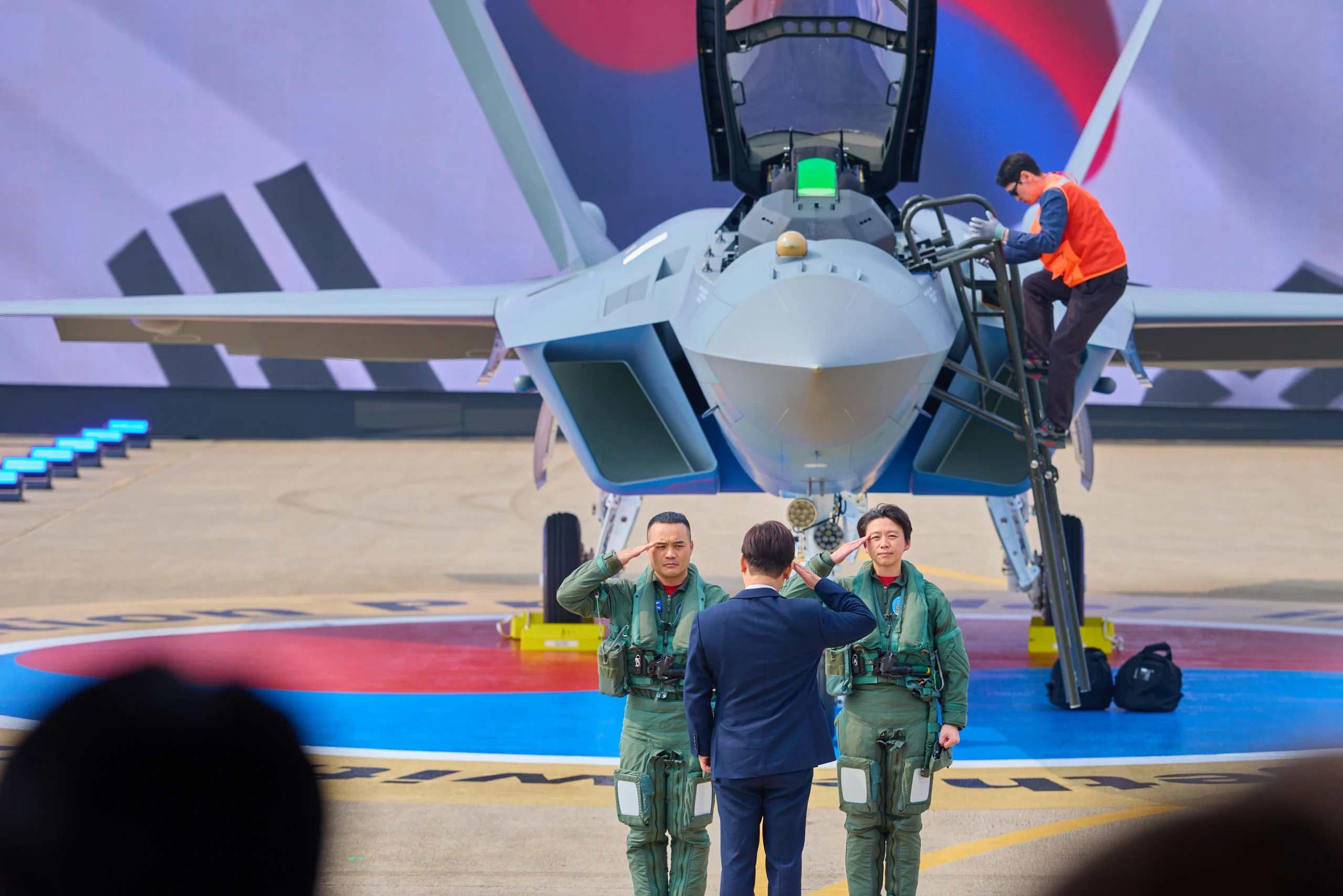
WASHINGTON— Military aviation strength depends on far more than aircraft inventories. While advanced fighter jets and bombers often dominate headlines, trained military pilots remain the foundation of every combat-ready air force.
Without enough qualified aviators, even the most modern fleets cannot sustain operations during prolonged conflicts.
As nations continue investing in airpower, pilot recruitment and training have become strategic priorities.
Unlike commercial airlines, military organizations require years of specialized instruction before pilots become mission-ready.
Major military aviation hubs, including Washington Dulles International Airport (IAD) and Beijing Capital International Airport (PEK), sit near countries that operate the world’s largest military pilot forces. However, these airports do not directly support military operations.
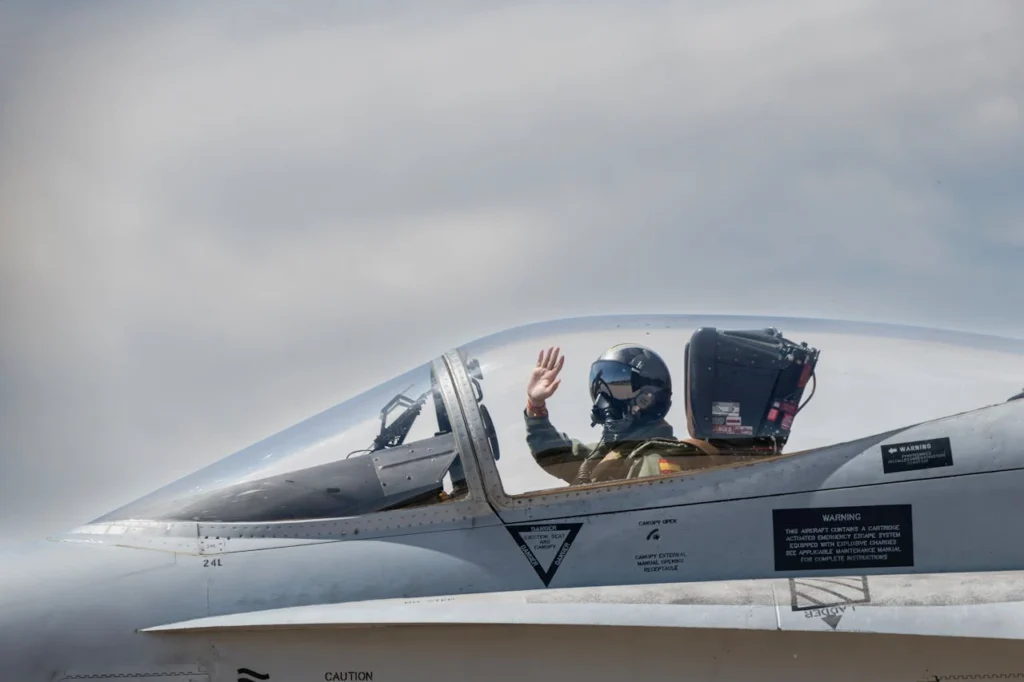
Global Air Force Pilot Rankings
The United States maintains the world’s largest military pilot force with an estimated 18,000 to 20,000 active pilots serving across the U.S. Air Force, Navy, Marine Corps, and Army Aviation.
Its extensive training infrastructure, global deployment capability, and continuous investment in advanced aviation technology have helped preserve this position.
China ranks second with an estimated 12,000 to 15,000 active military pilots.
The People’s Liberation Army Air Force (PLAAF) has expanded rapidly over the past decade by increasing pilot recruitment, modernizing training facilities, and introducing new-generation aircraft such as the J-20 stealth fighter.
Russia follows with an estimated 8,000 to 10,000 pilots, although analysts have questioned operational readiness due to combat losses, limited flight hours, and training challenges.
India ranks fourth with approximately 7,000 to 9,000 military pilots, supported by one of the world’s most diverse combat aircraft fleets and an expanding domestic training program.
North Korea, Pakistan, France, Egypt, South Korea, and the United Kingdom complete the top ten.
While their pilot numbers are considerably smaller, several of these countries emphasize advanced training, multinational exercises, and high operational standards over fleet size.
| Rank | Country | Estimated Active Pilots | Notable Characteristics |
|---|---|---|---|
| 10 | United Kingdom | ~2,000–2,500 | Smaller force with highly trained pilots and advanced combat capabilities. |
| 9 | South Korea | ~2,500–3,000 | Operates a modern fighter fleet backed by close US military cooperation. |
| 8 | Egypt | ~3,000–3,500 | Maintains the largest military aviation force in the Middle East and Africa. |
| 7 | France | ~3,000–3,500 | Highly skilled expeditionary air force with global operational reach. |
| 6 | Pakistan | ~3,500–4,500 | Experienced pilot corps with a strong operational and combat record. |
| 5 | North Korea | ~5,000–6,000 | Large pilot pool despite relying on an aging aircraft inventory. |
| 4 | India | ~7,000–9,000 | Expanding air arm supported by a diverse fleet and growing regional influence. |
| 3 | Russia | ~8,000–10,000 | One of the world’s largest pilot forces, though operational readiness remains a concern. |
| 2 | China | ~12,000–15,000 | Rapidly increasing pilot numbers alongside extensive fleet modernization. |
| 1 | United States | ~18,000–20,000 | World’s largest military pilot force with unmatched global reach and advanced training infrastructure. |
Data: The Flying Engineer
ALSO READ: Largest Air Force in the World By Fleet in 2026 | New List
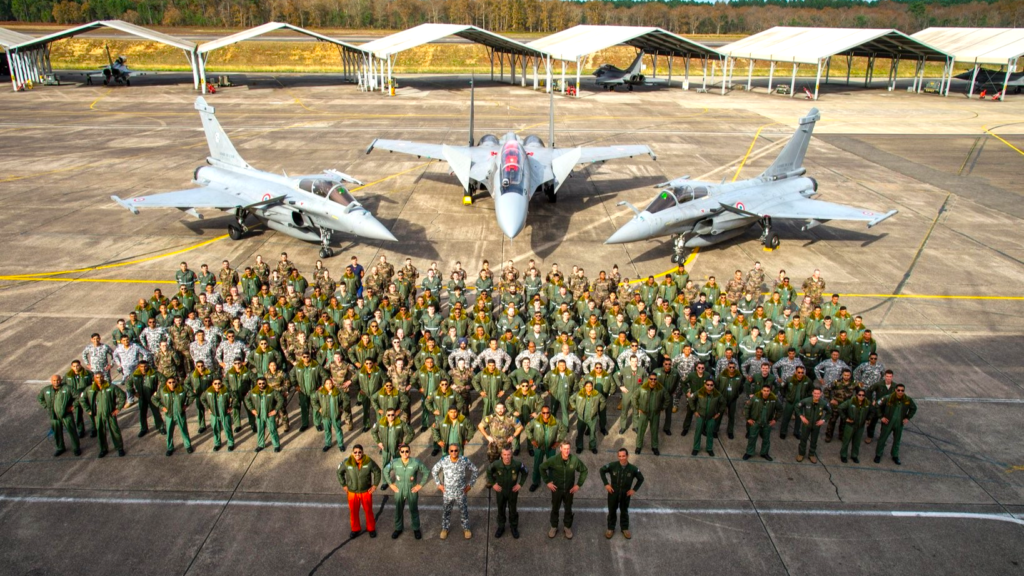
Why Pilot Strength Matters
Aircraft alone do not determine military capability. A nation may own hundreds of fighters, but without enough qualified pilots, many of those aircraft remain unavailable for operations.
Training military aviators typically requires between two and five years, depending on aircraft type and mission specialization.
Modern pilots must master advanced avionics, electronic warfare, precision weapons, and networked combat systems. Fifth-generation fighters have further increased training complexity, requiring significant simulator time alongside live flight instruction.
Operational readiness also depends on maintaining sufficient flight hours. Air forces that provide frequent flying opportunities generally produce more experienced pilots who can perform effectively during demanding missions.
Pilot shortages, retirement, and competition from commercial airlines continue to challenge many countries worldwide.

Future Military Airpower Trends
Military aviation is evolving as unmanned systems and artificial intelligence become increasingly integrated into combat operations.
However, these technologies are expected to complement rather than replace human pilots. Future aviators will likely oversee both crewed aircraft and autonomous wingmen while making complex tactical decisions that remain beyond current AI capabilities.
Commercial aviation growth also continues to compete for experienced military pilots, forcing many governments to improve retention programs, increase salaries, and expand training capacity.
Nations capable of sustaining strong pilot pipelines will remain better positioned to project long-term airpower.
Ultimately, pilot strength remains one of the most important indicators of military aviation capability. While aircraft technology continues advancing, trained aviators remain the decisive factor that transforms modern fleets into effective combat forces.
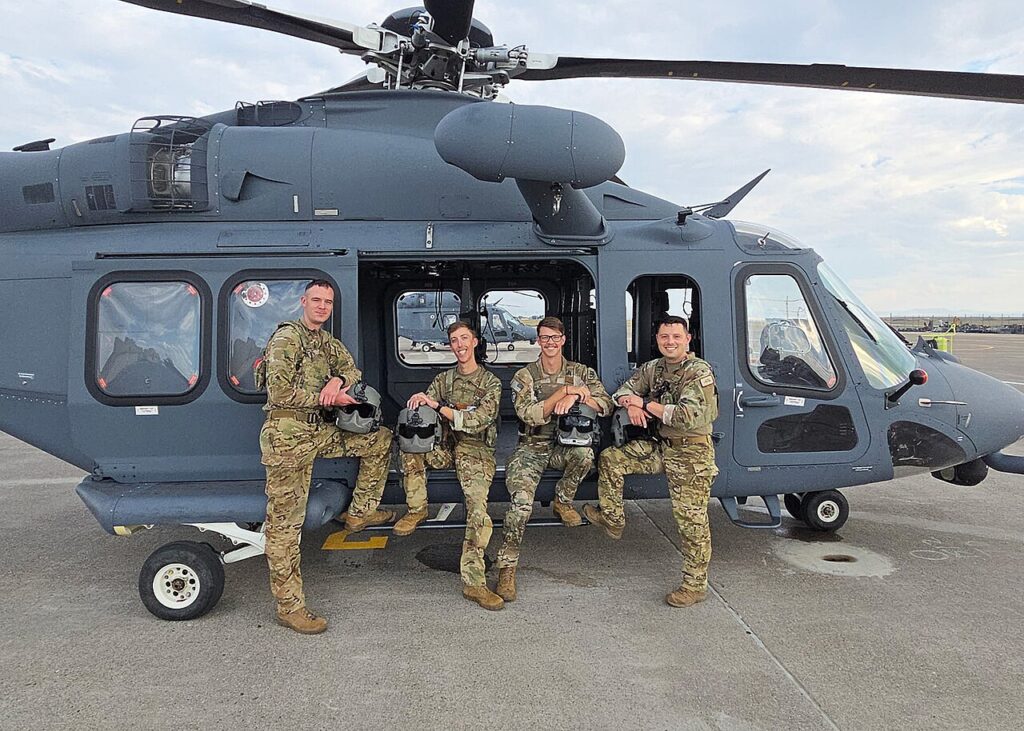
Frequently Asked Questions
Which country has the most military pilots?
The United States has the world’s largest military pilot force, with an estimated 18,000–20,000 active pilots serving across the Air Force, Navy, Marine Corps, and Army.
How many pilots does the US Air Force have?
The US Air Force operates around 12,000–14,000 active-duty pilots. Including the Air National Guard and Reserve, the total rises to about 16,000–18,000.
Why are pilots more important than aircraft?
Aircraft can be built or purchased, but training a combat-ready pilot takes years. Without enough qualified pilots, even the largest fleets cannot operate at full strength.
How long does it take to train a fighter pilot?
Training a fighter pilot typically takes 3–5 years, covering basic flight training, advanced jet instruction, fighter conversion, and operational combat qualification.
Stay tuned with us. Further, follow us on social media for the latest updates.
Join us on Telegram Group for the Latest Aviation Updates. Subsequently, follow us on Google News
