

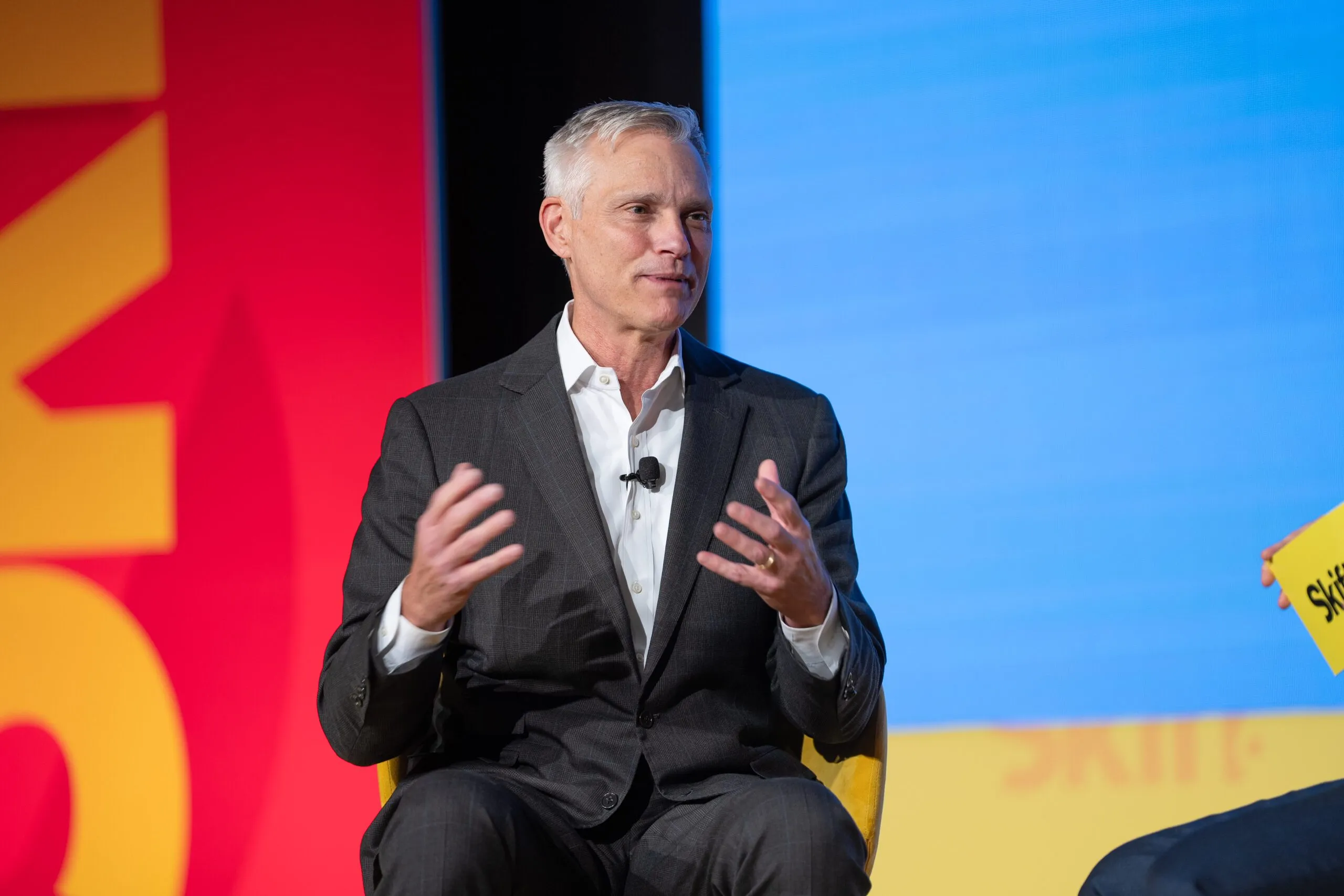
FORT WORTH— Leadership uncertainty is again surrounding American Airlines (AA) as questions grow about whether chief executive Robert Isom can retain the confidence of investors, employees, and labor groups. The discussion comes amid continued financial underperformance and recent operational disruptions that have drawn unwanted attention to the carrier’s management strategy.
American Airlines, headquartered near Dallas/Fort Worth (DFW), has faced mounting pressure following a turbulent earnings cycle and renewed criticism from unions. Chicago O’Hare (ORD) has emerged as a focal point in analyst discussions, as the airline competes aggressively in a market where profitability remains under scrutiny.

Leadership Under Pressure
Robert Isom’s position has come under sharper focus after American Airlines delivered results that lag behind its largest US rivals.
While peers report operating margins in the high single digits, American has struggled to generate consistent profitability, weighed down by high debt levels and elevated costs.
Financial analysts have raised concerns following recent earnings calls, where the airline offered limited clarity on its long-term network and hub strategy.
Labor relations have also added strain, with the flight attendants’ union publicly calling for leadership change, citing dissatisfaction with direction and execution.
Operational reliability has further complicated the picture. American recently experienced one of its most disruptive irregular operations periods in years, intensifying criticism that the airline has not invested enough in resilience, staffing, and infrastructure compared with competitors.
Strategy And Results
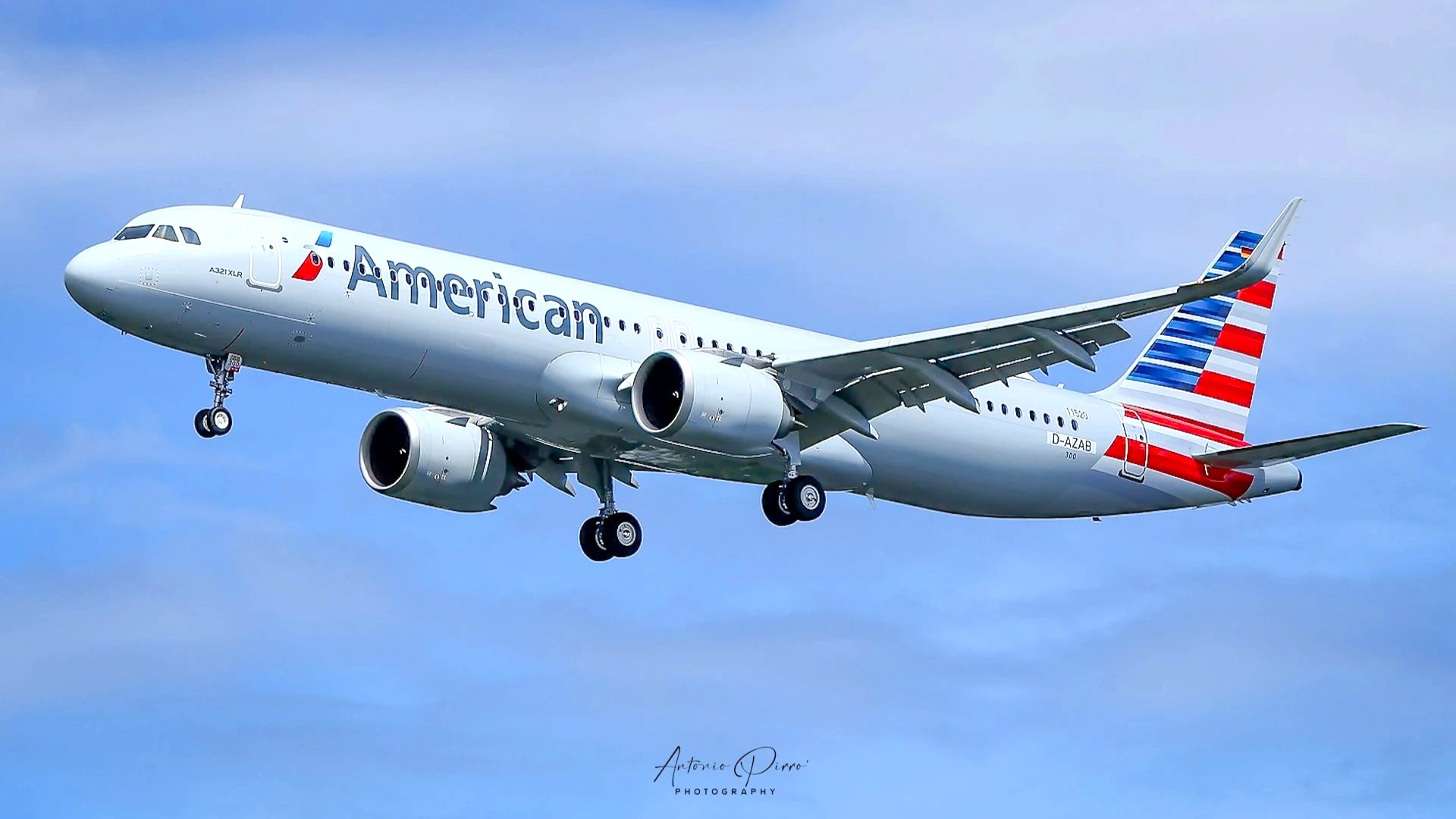
Critics argue that American’s strategic choices over the past decade have constrained its ability to rebound strongly from the pandemic.
The airline retired several aircraft types during the crisis, simplifying its fleet but also reducing flexibility, especially for long-haul growth and hub recovery.
The carrier has also been accused of prioritizing cost containment and high-density seating over premium products.
While rivals emphasize revenue from business-class cabins and loyalty-driven spending, American has been slower to expand premium capacity, limiting its ability to offset higher labor and operating expenses.
According to View From the Wing, Supporters of Isom counter that many of these decisions were shaped by unprecedented conditions and inherited challenges.
They note that American continues to invest incrementally in onboard products, lounges, and digital tools, while maintaining a large domestic network essential to its co-branded credit card business.
Bottom Line
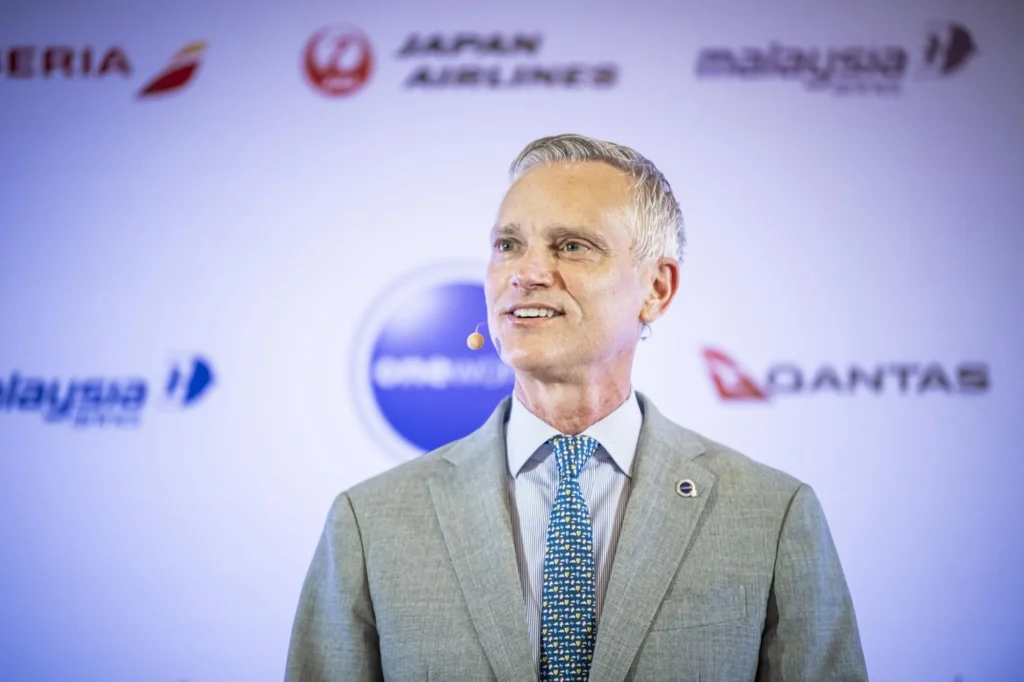
Despite visible headwinds, Robert Isom may not be as close to departure as external commentary suggests.
American Airlines’ board has historically shown limited appetite for abrupt leadership changes, even during periods of shareholder dissatisfaction.
For now, the airline appears focused on stabilizing operations and defending key markets rather than signaling a shift at the top.
Whether that approach reassures investors or prolongs uncertainty will likely determine how long Isom remains in the corner office.
Stay tuned with us. Further, follow us on social media for the latest updates.
Join us on Telegram Group for the Latest Aviation Updates. Subsequently, follow us on Google News
