

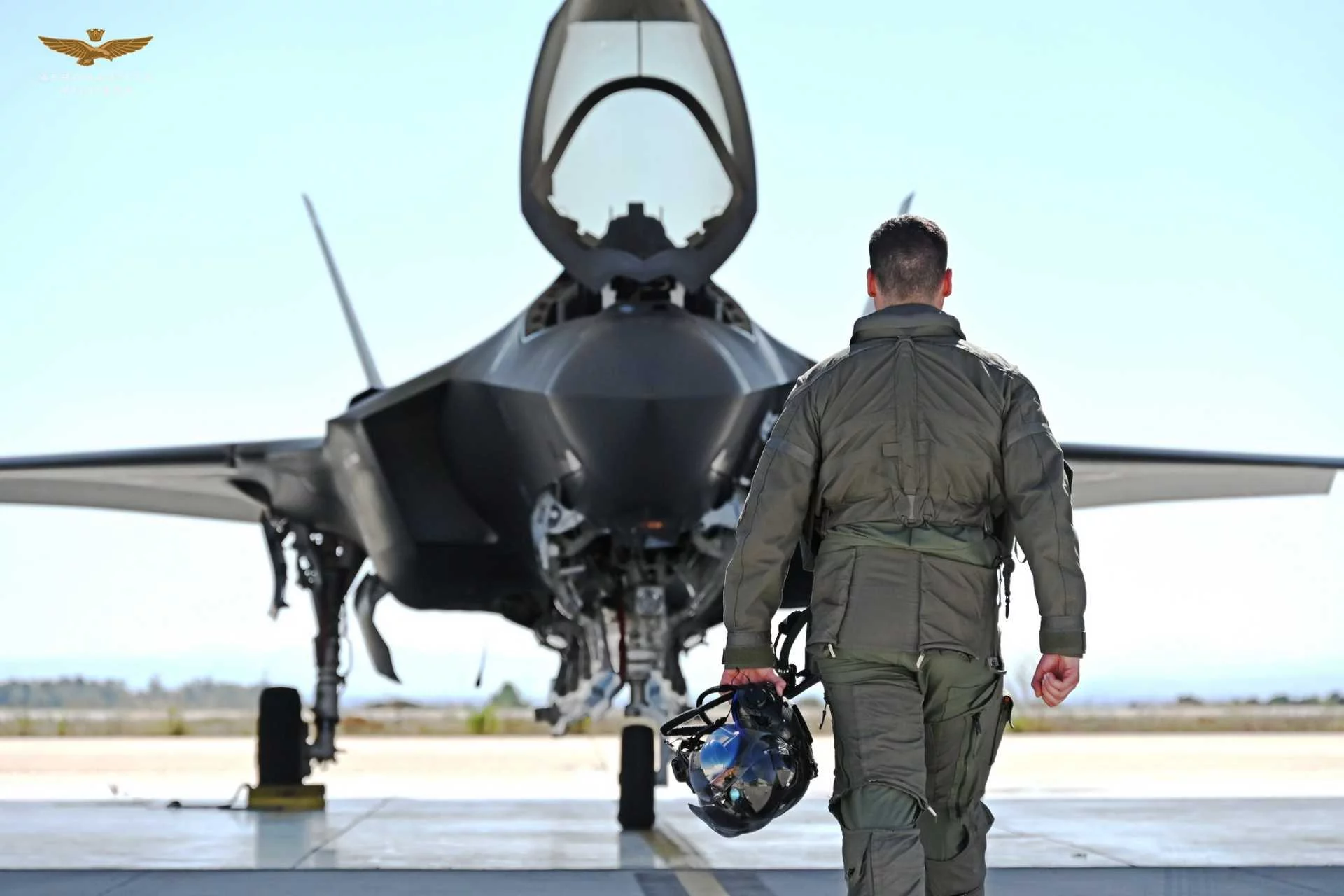
ARLINGTON- The US Air Force (USAF) has issued a Request for Information to identify contractors capable of training foreign pilots who receive American military assistance. The program will support a wide range of flight missions using demilitarized and commercial aircraft.
The training will take place at contractor facilities in the continental United States. It will include flight instruction, simulation, mission planning, and operational support skills under the Foreign Military Sales framework.
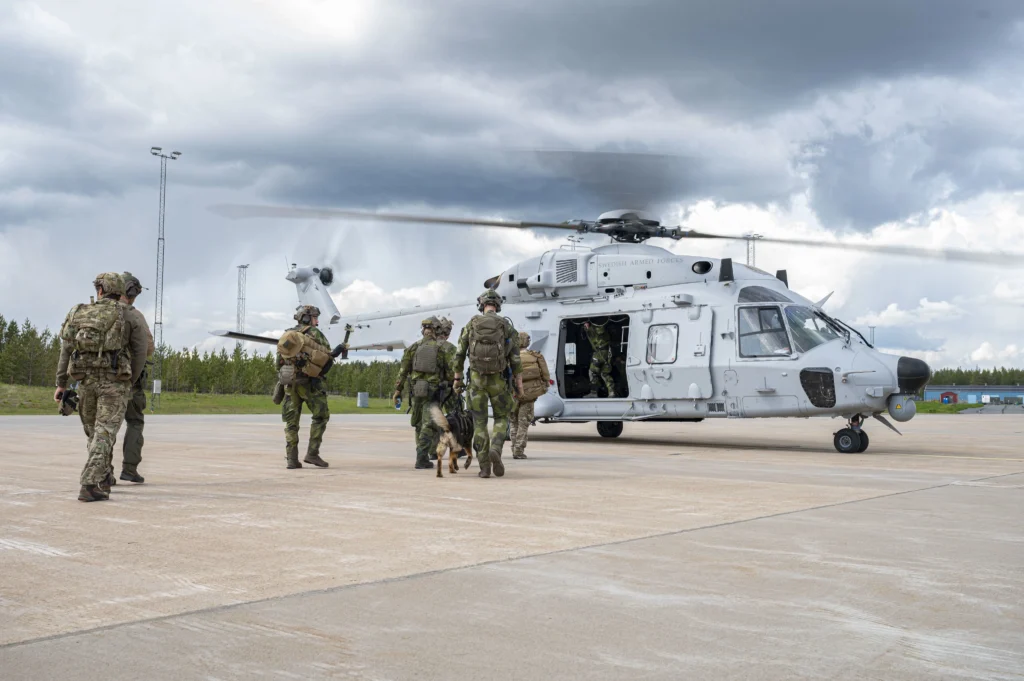
US Air Force to Train Foreign Pilots
The U.S. Air Force is assessing private sector capability to expand training support for international pilots and aircrew.
The effort is led by the Air Force Security Assistance Training Squadron under Air Education and Training Command, which already trains more than 9,000 students each year from 142 countries through the Foreign Military Sales program.
The Request for Information focuses on what industry providers can deliver across pilot, crew, and mission support training. Contractors would design and run structured programs that match aircraft type, mission profile, and operational environment.
The Air Force is not awarding contracts at this stage. It is collecting data on available expertise, infrastructure, and training methods.
Training programs must cover both combat and non-combat roles and align with U.S. and international aviation standards.
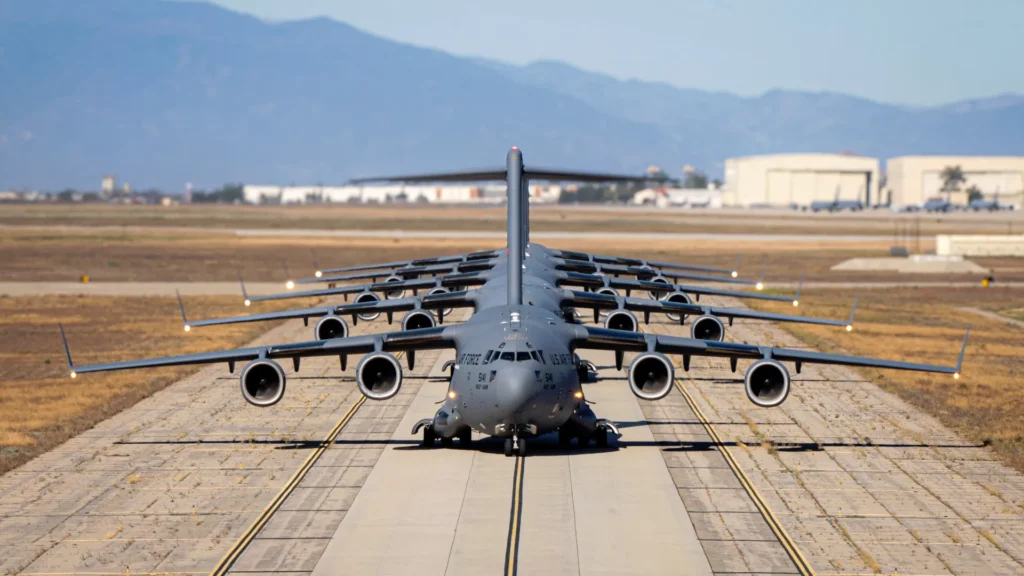
Mission Profiles Covered in the Training Scope
The Air Force outlined nine mission categories that contractors must be ready to support:
- Combat support and light attack
- Reconnaissance and observation
- Intelligence, surveillance, and reconnaissance
- Search and rescue
- Maritime patrol
- Electronic warfare
- Medical evacuation
- Transport and airlift
- VIP transport
Training must include basic flight skills, advanced maneuvers, and mission execution. Each syllabus should be adapted to aircraft configuration and partner nation requirements.
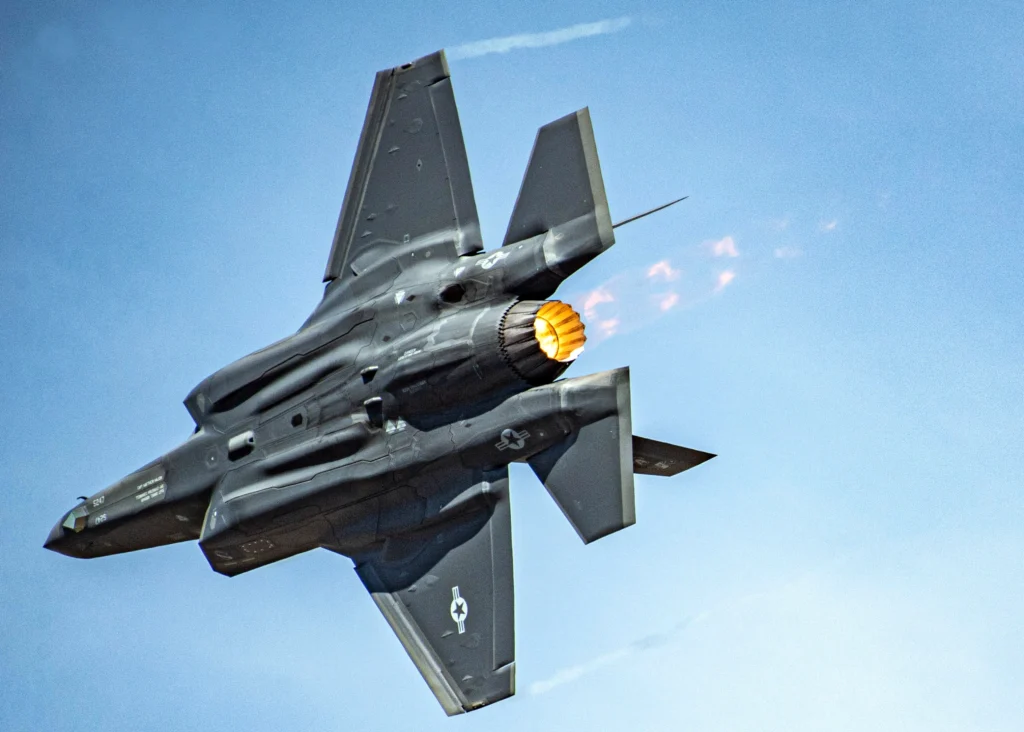
Aircraft Types Included in the Requirement
Unlike existing Air Force programs that train foreign pilots on front-line fighters such as the F-15, F-16, and F-35, this initiative focuses on older, lighter, and commercially derived aircraft often used by developing air forces.
Examples include:
Trainer and light aircraft
- T-38
- L-39
- AT-6 and T-6
- PC-9
- Cessna 172
Light and medium transport aircraft
- C-208
- C-145
- C-26
- KA-350
- C-212
- C-130
Business and passenger jets
- Learjet series
- C-500 class jets
- Gulfstream models
- Boeing 707
- Boeing 737
Helicopters
- MD500
- UH-1
- S-70
- Mi-17
Contractors must show they can maintain and operate mixed fleets, often under demanding field conditions.
Training Methods and Technology Expectations
The Air Force expects a blended training model that combines classroom instruction with digital learning tools. Acceptable delivery formats include:
- Electronic courseware
- Interactive simulation
- Virtual reality systems
- Full motion and fixed base simulators
Simulator sessions must support emergency procedure drills and full mission rehearsal. Academic instruction must also include communications, intelligence support, and logistics coordination.
All flight and ground training must comply with Federal Aviation Administration (FAA) rules and international flight regulations.
Operational Support and Cultural Readiness
The Air Force requires contractors with proven experience in training international students. Companies must demonstrate the ability to address cultural factors and varied operational doctrines among partner nations.
Bidders are also asked to explain:
- Training methodology and curriculum design
- Simulator integration approach
- Maintenance and technical training processes
- Aircrew and operational support instruction
- Use of new training technologies
Providers should also show awareness of the supplier market and aircraft support ecosystem tied to Foreign Military Sales users.
Responses to the Request for Information are due by March 4. The Air Force will use submissions to map industry capacity and shape future acquisition steps.
Stay tuned with us. Further, follow us on social media for the latest updates.
Join us on Telegram Group for the Latest Aviation Updates. Subsequently, follow us on Google News
