

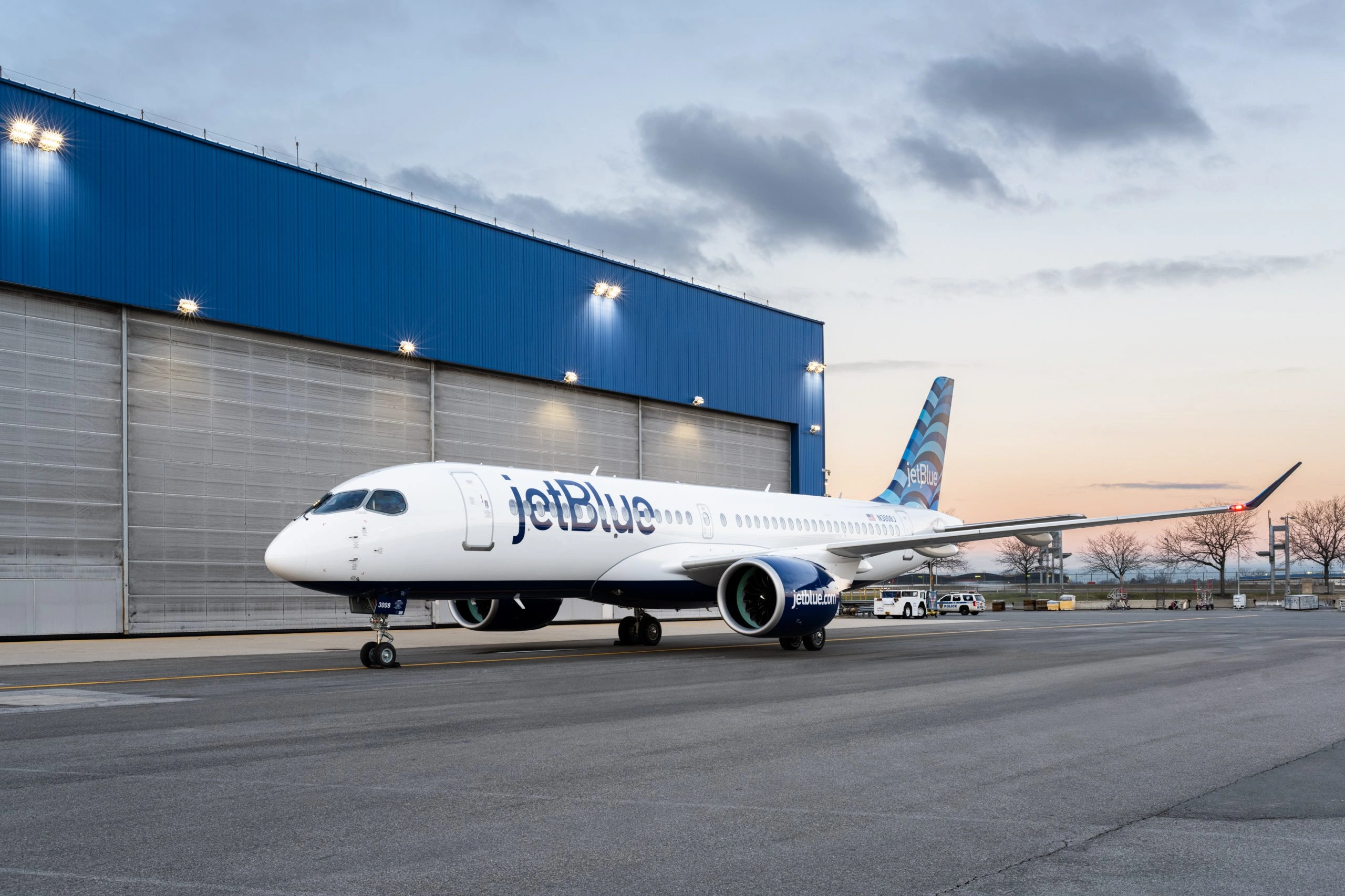
TOULOUSE— Airbus is moving closer to expanding its single-aisle product range, as momentum builds around a stretched version of the A220 family. The aircraft manufacturer is advancing discussions on what is widely expected to be called the A220-500, a higher-capacity variant designed to seat around 180 passengers.
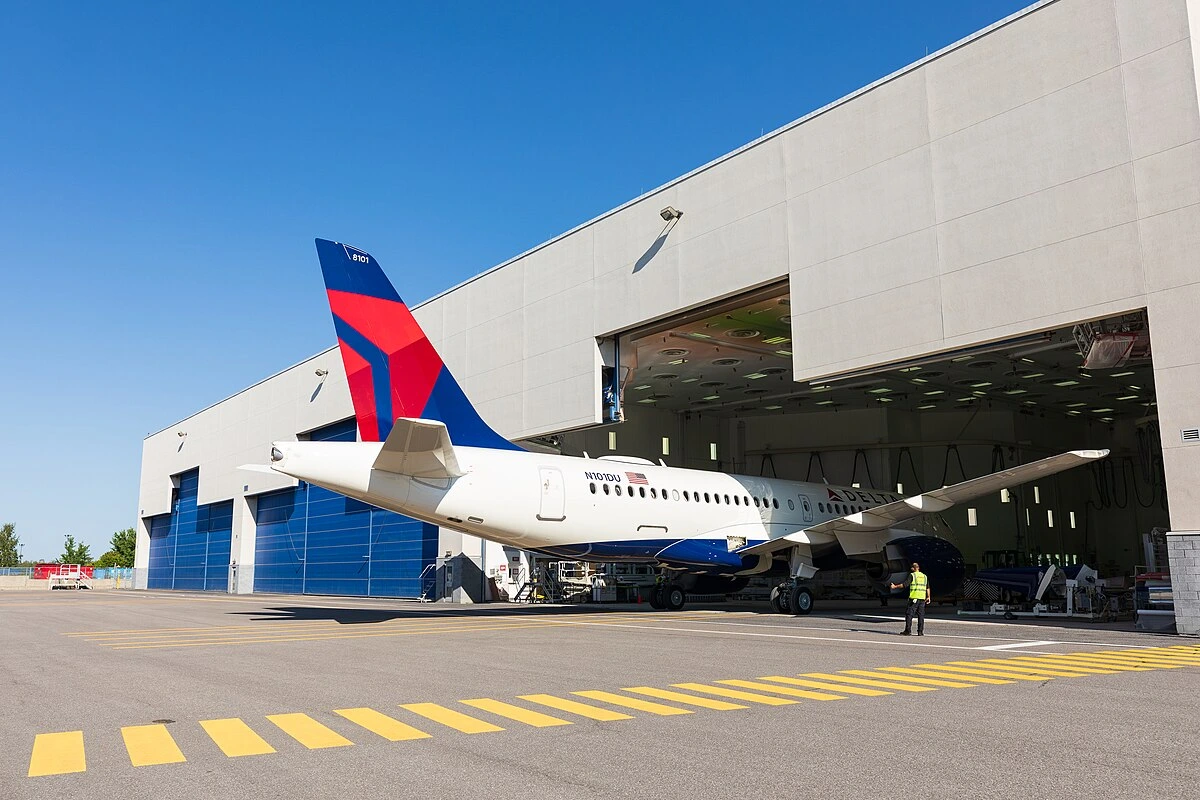
The proposed aircraft would sit above the existing A220-100 and A220-300, which currently accommodate roughly 110 to 160 passengers depending on layout. While Airbus has not formally launched the program, the company has begun a targeted sales effort to assess market appetite, particularly among airlines already operating the type, including Air France (AF), Air Canada (AC), and Delta Air Lines (DL).
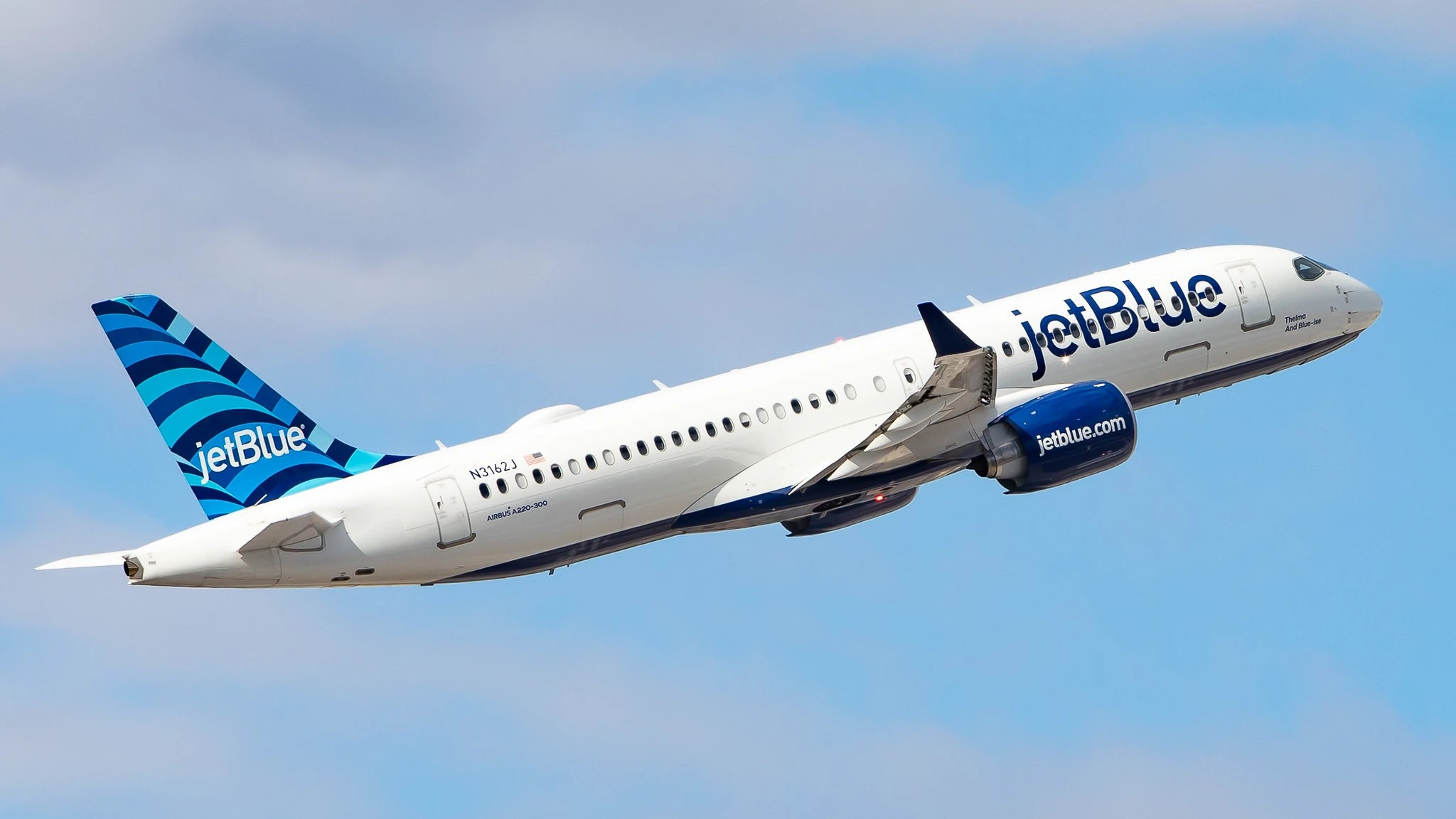
Airbus A220-500 Variant
Airbus is reportedly positioning the A220-500 as a straightforward fuselage stretch of the current A220-300. This approach would allow the manufacturer to limit structural and systems changes, keeping development costs and certification timelines under control.
Because of the added weight, the A220-500 is expected to offer less range than its smaller siblings. Industry expectations suggest the aircraft would be optimized for short- to medium-haul routes of up to four hours, rather than longer transcontinental missions.
This positions the jet squarely for high-density regional and intra-continental flying, particularly in Europe and parts of Asia.
According to OMAAT, Airbus has delayed the A220 stretch concept in the past due to production challenges and ongoing issues related to engine durability.
However, with supply chains stabilizing and leadership signaling renewed focus on the program, the manufacturer appears more confident about advancing the design, provided it can secure sufficient launch commitments.
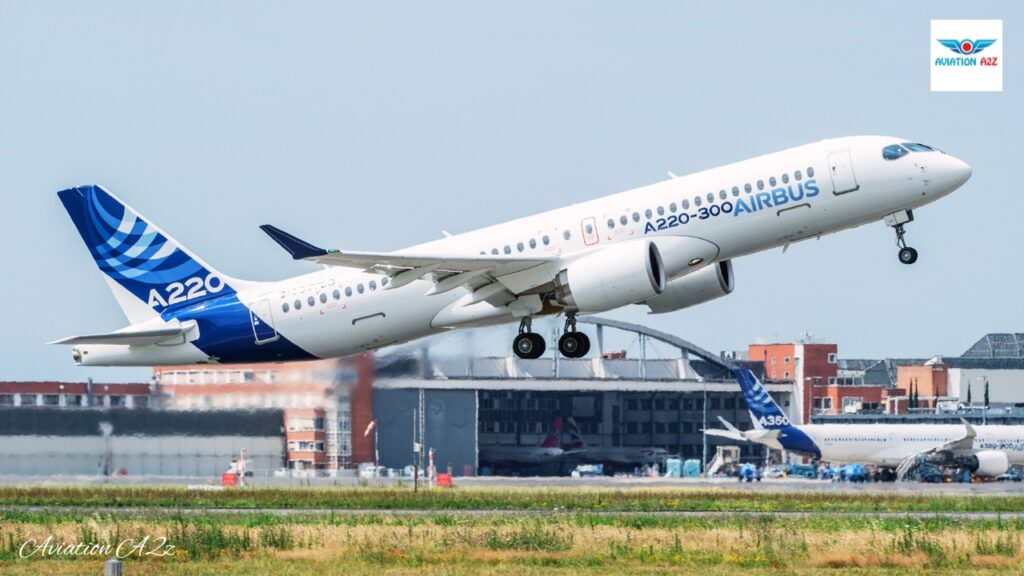
Market Positioning
At first glance, a 180-seat A220 may appear to overlap with Airbus’ own A320neo family, which already dominates this capacity segment. The A320neo offers greater range and cargo capability, raising questions about why airlines might opt for an A220-500 instead.
The key differentiator lies in operating economics and passenger appeal. The A220 platform is widely regarded for its fuel efficiency on shorter routes and its passenger-friendly cabin, featuring a 2-3 seating layout and larger windows.
Airbus is expected to price the A220-500 competitively, potentially making it an attractive alternative for airlines that do not require the full performance envelope of the A320neo.
Fleet strategy also plays a role. Airlines operating multiple A220 variants could benefit from crew commonality, maintenance efficiencies, and simplified training.
From Airbus’ perspective, shifting some demand toward the A220 line could free up production capacity for the highly sought-after A321neo, which continues to face long delivery backlogs.
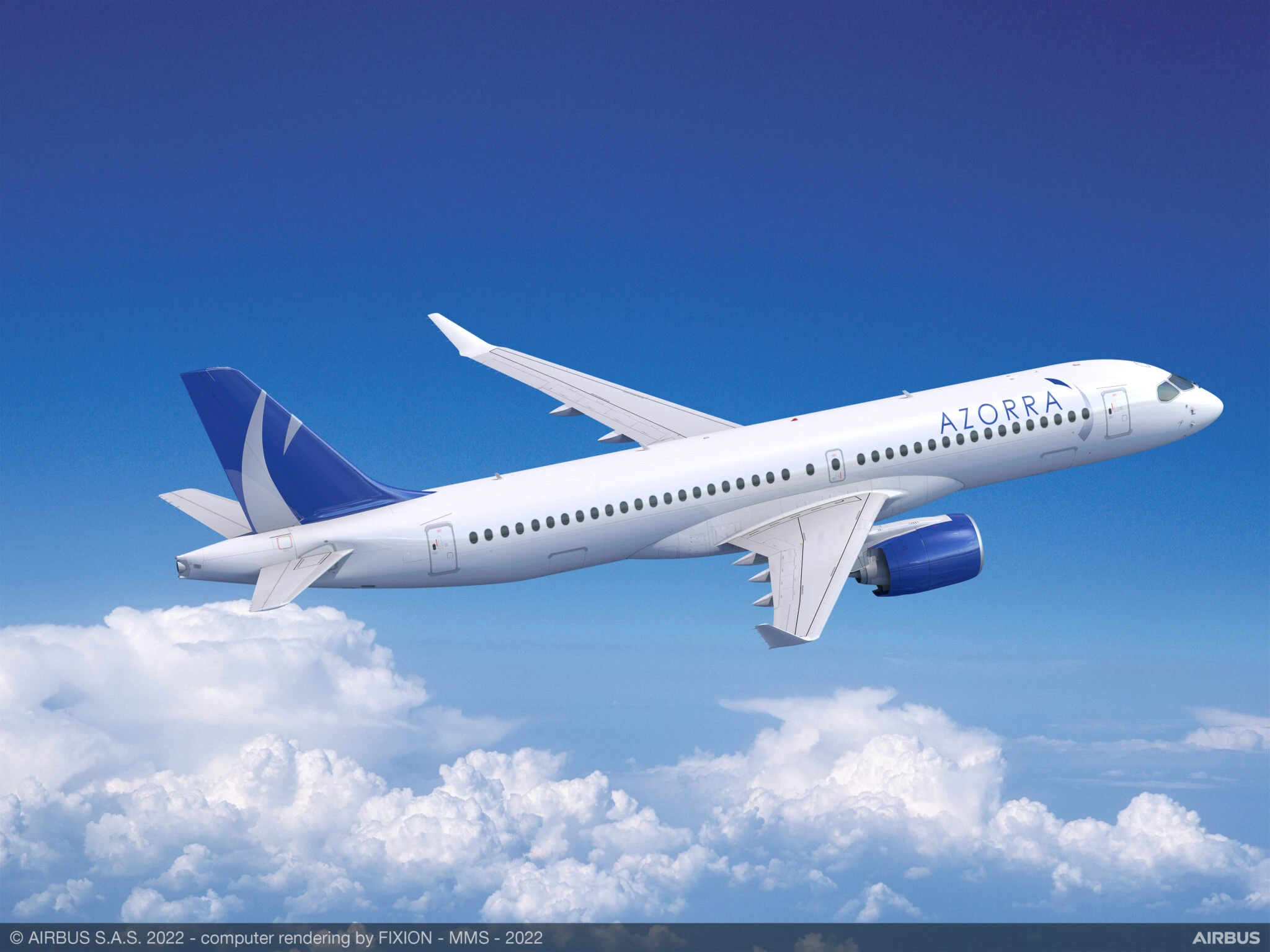
Airline Interest
Several major carriers have previously expressed interest in a larger A220, provided performance and cost targets are met.
Air France has been frequently cited as a potential customer, given its dense European network where range limitations would be less critical. Air Canada and Delta Air Lines, both early adopters of the A220, are also viewed as logical candidates.
A formal launch decision is expected to hinge on securing enough pre-orders to justify investment.
Industry observers believe an official announcement could align with a major airshow, potentially as early as 2026, if commercial discussions progress as planned.
Bottom Line
Airbus is steadily advancing plans for a stretched A220-500, targeting a capacity of roughly 180 seats and focusing on short- to medium-haul operations.
While the aircraft would overlap with the A320neo in size, its lower operating costs and strong passenger appeal could carve out a distinct niche.
If customer commitments materialize, the A220-500 could become a strategic addition to Airbus’ narrowbody portfolio.
Stay tuned with us. Further, follow us on social media for the latest updates.
Join us on Telegram Group for the Latest Aviation Updates. Subsequently, follow us on Google News
