

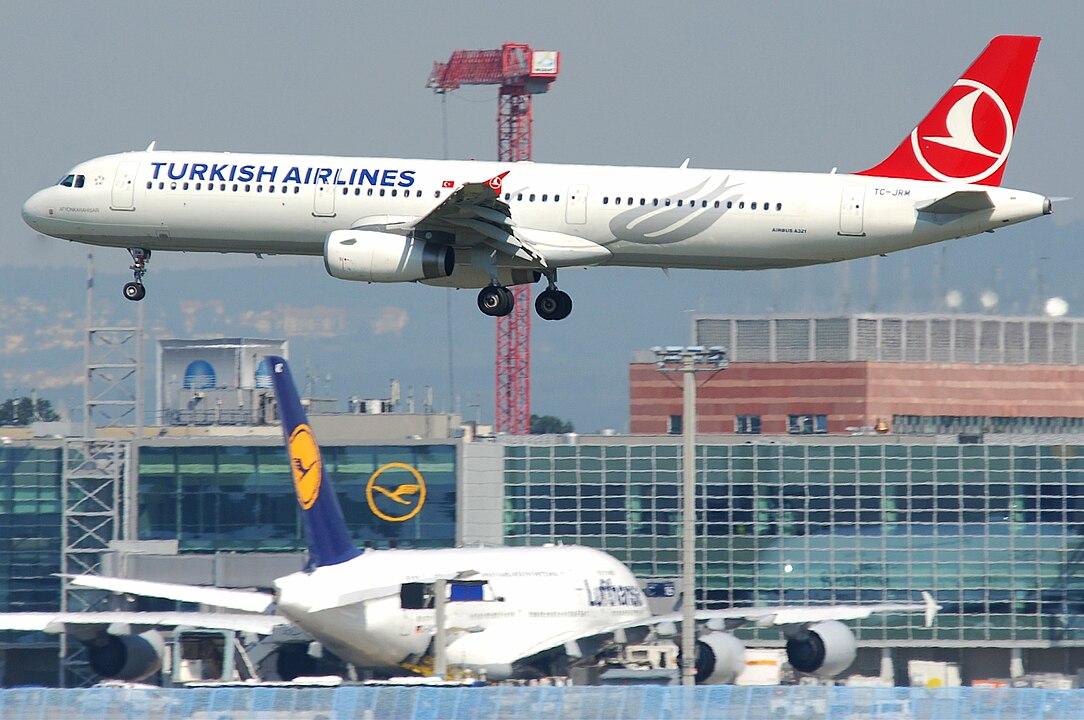
ISTANBUL- A tense but professional exchange recently unfolded between a Turkish Airlines (TK) pilot and Muscat International Airport (MCT) air traffic control (ATC) during an approach from Istanbul Airport (IST) on a roughly 4-hour and 30-minute flight.
The disagreement centered on a descent clearance to 2,200 feet that conflicted with the airline’s published minimum vectoring altitude (MVA) charts.
Despite the controller’s repeated and insistent demands, including the statement, “I don’t follow anyone’s orders”, the pilot respectfully declined, citing company safety procedures.
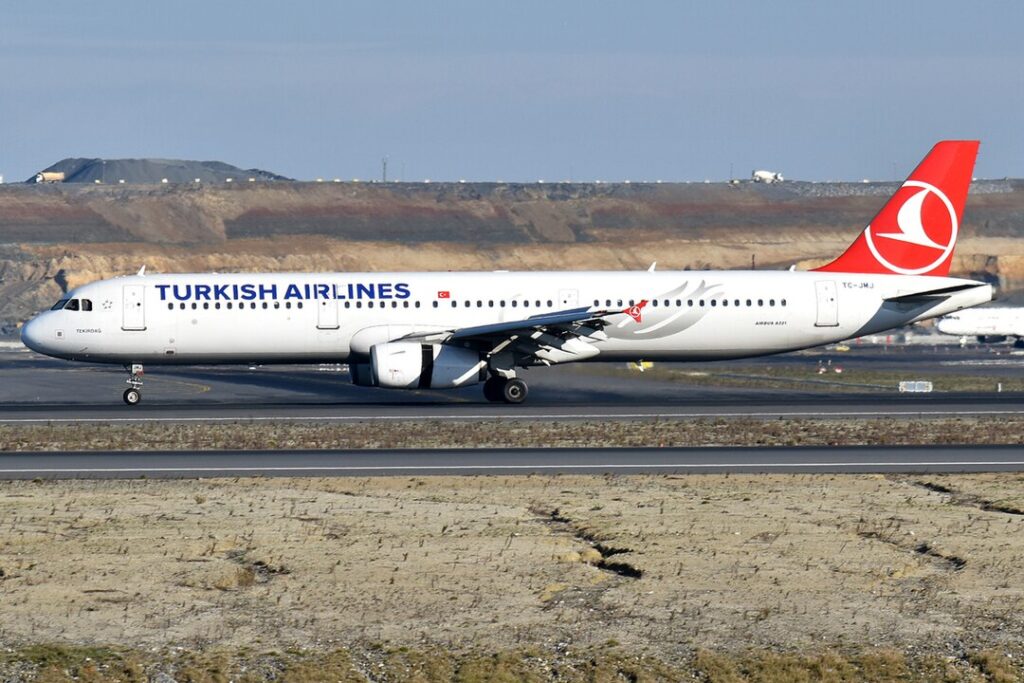
Turkish Airlines Pilot Defies Muscat ATC
In the United States, they typically make publicly accessible air traffic control audio available, while other countries rarely release similar recordings.
This makes the Muscat ATC exchange unusual and noteworthy from an aviation transparency standpoint.
VASAviation captured and visualized the interaction, publishing synchronized ATC audio and flight path data.
The availability of this recording offers rare insight into real-time decision-making between pilots and controllers outside US airspace.
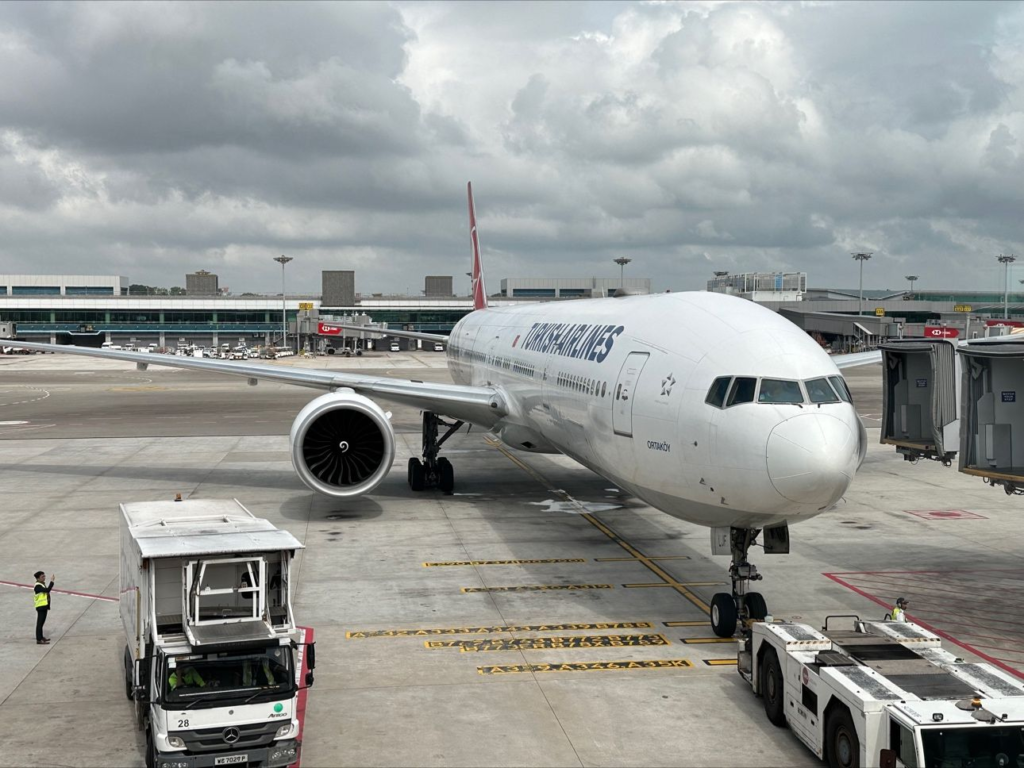
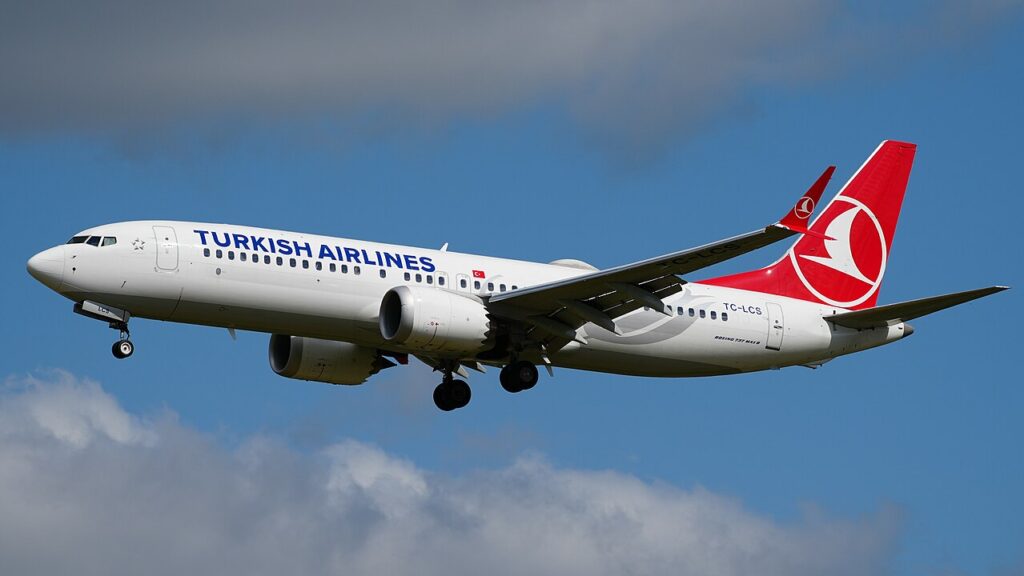
The flight involved a Turkish Airlines Airbus A321neo on final approach into Muscat. During descent, the air traffic controller instructed the crew to descend to 2,200 feet.
The pilot declined the instruction, stating that the airline’s minimum vectoring altitude charts did not indicate 2,200 feet as an acceptable altitude in that sector. The pilot maintained that without independent verification, the clearance could not be accepted.
The exchange escalated verbally but remained controlled. At one point, the controller asserted authority, while the pilot responded firmly, including the statement that he does not follow orders that conflict with verified safety procedures.
Minimum Vectoring Altitude and Pilot Responsibility
Air traffic controllers issue instructions to manage traffic flow, but pilots retain final responsibility for the safe operation of the aircraft.
Company charts exist to ensure terrain and obstacle clearance and to provide an independent safety reference.
In this case, the pilot’s minimum vectoring altitude data did not support the requested descent. Without confirmation that the altitude met safety margins, rejecting the instruction aligned with standard aviation risk management.
A commonly cited analogy applies here. If a controller instructs a pilot to cross a runway while another aircraft is occupying it, the pilot is not required to comply. Safety responsibility ultimately remains with the flight crew.
Tone, Irony, and Professional Conduct
The controller repeatedly emphasized that safety was not being compromised, while simultaneously pressuring the pilot to disregard company procedures. This created a clear irony within the exchange.
Despite this pressure, the Turkish Airlines pilot remained calm, consistent, and apologetic in tone. He reiterated limitations, proposed alternatives, and avoided language that could escalate the situation.
According to OMAAT, this type of communication reflects best-in-class cockpit discipline under operational stress.
This behavior aligns with modern crew resource management principles and reflects the type of decision-making expected on the flight deck of a commercial airliner.
Industry Implications and Closing Perspective
The incident demonstrates how procedural misalignment between local ATC practices and airline charting can lead to conflict during high-workload phases of flight.
It also reinforces why pilot authority cannot be overridden when safety data cannot be verified.
While the exchange was tense, it did not devolve into a punitive or retaliatory confrontation, a scenario sometimes observed in more adversarial ATC environments. The outcome remained professional, controlled, and focused on safety.
Conclusion
A Turkish Airlines pilot and a Muscat air traffic controller engaged in a firm disagreement over descent altitude during approach.
The controller instructed a descent to 2,200 feet, while the pilot declined based on minimum vectoring altitude charts that did not support the clearance.
The pilot’s calm, policy-driven response and willingness to propose alternatives underscore the central role of pilot judgment in aviation safety.
Stay tuned with us. Further, follow us on social media for the latest updates.
Join us on Telegram Group for the Latest Aviation Updates. Subsequently, follow us on Google News
