

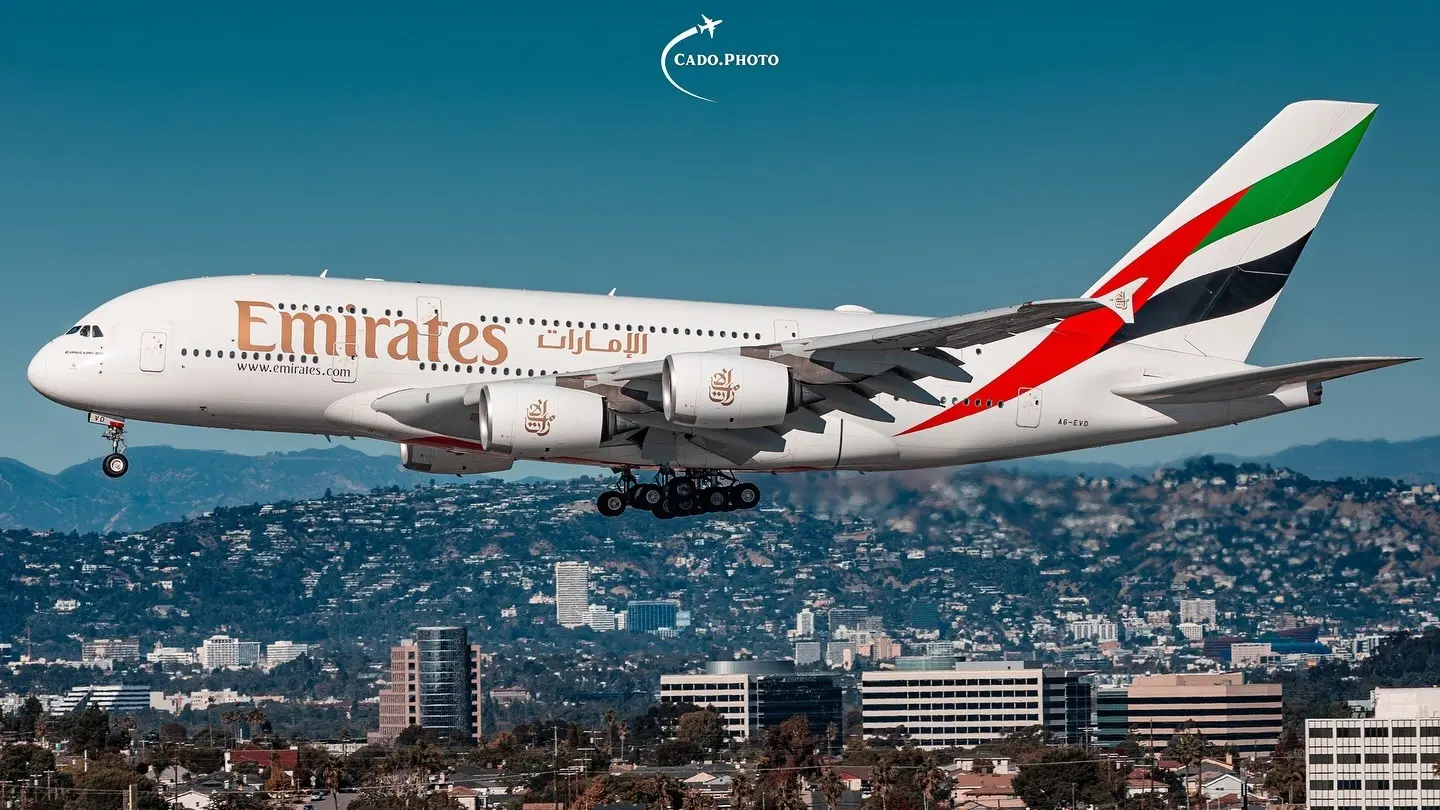
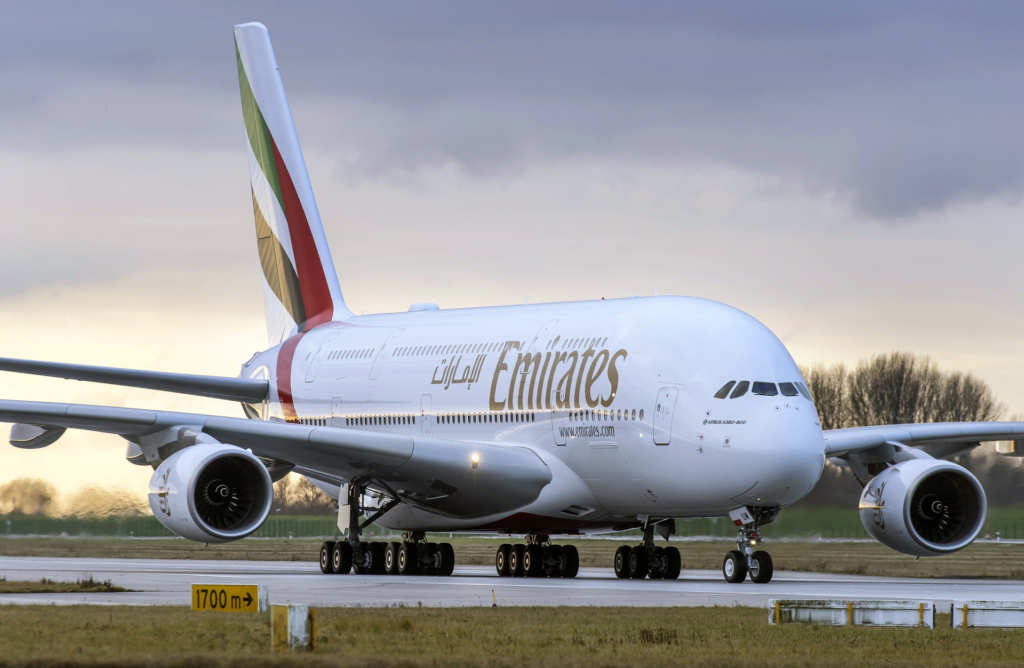
NEW YORK- Emirates Airline (EK) and John F. Kennedy International Airport (JFK) featured in a tense radio exchange after the airline’s A380 crew questioned the clarity of taxi instructions. The incident unfolded as Emirates flight EK201 arrived from Dubai (DXB) and attempted to navigate the airport’s busy afternoon traffic.
The pilots of the Airbus A380 raised concerns about inconsistent directions while taxiing toward their gate at JFK. Their request for clearer communication sparked a sharp response from controllers, resulting in an extended on-frequency dispute.
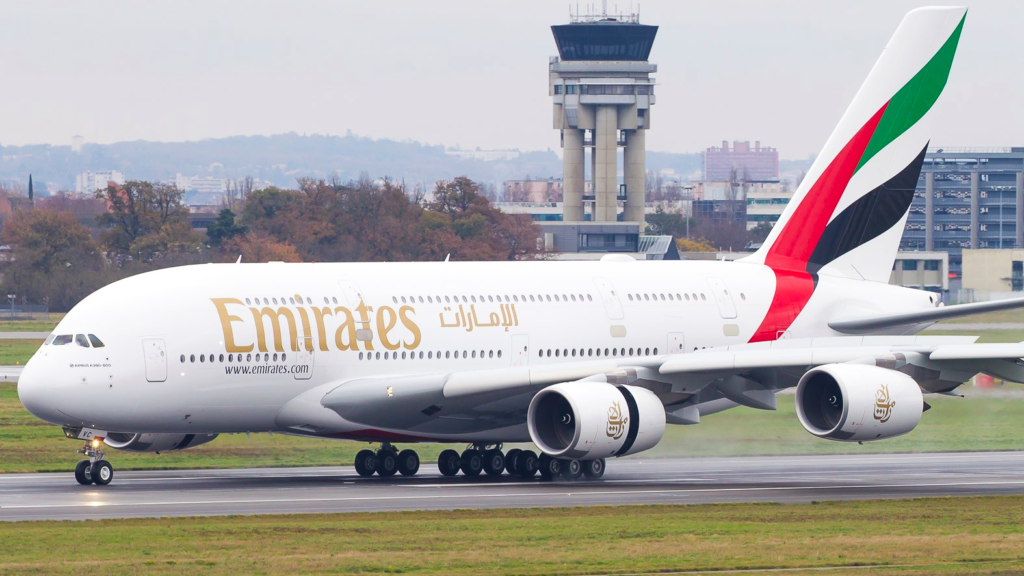
Emirates A380 Pilots and New York ATC Argument
The exchange began when the arriving Emirates A380 reported that its assigned gate remained occupied. Controllers instructed the aircraft to turn right onto taxiway A and hold short of taxiway D. While crossing an active runway, the crew received a different instruction to continue straight on taxiway A and again hold short of taxiway D.
The aircraft slowed as the pilots attempted to interpret the updated routing, but controllers urged the crew to expedite their progress due to the traffic behind them. The crew asked for clarification because the directions did not align with their expectations or the airport’s usual flow.
After taxiing for several minutes, the pilots had not yet switched to the ground frequency, prompting the tower controller to remind them.
The tension surfaced when the Emirates pilot stated that the earlier instructions were unclear and asked the controller to provide clearer, more professional guidance.
The controller challenged the claim, prompting the pilot to add that four people in the cockpit, including a native English speaker, shared the same confusion. Rather than closing the matter, controllers continued the argument on a second frequency.
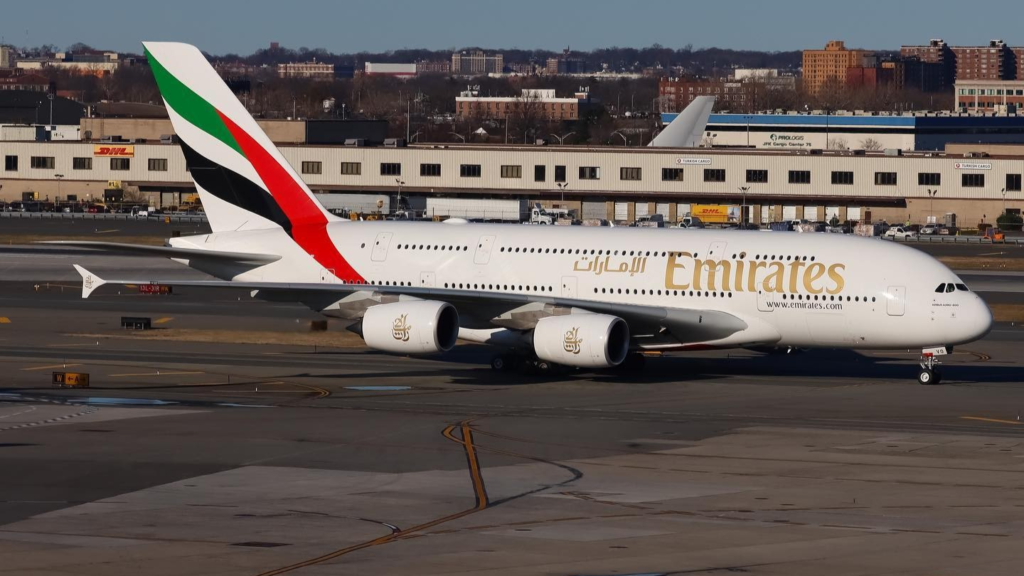
Why Communication Broke Down
The core issue stemmed from routing changes that required the Airbus A380 to taxi around a large portion of the airport. The shift from a right turn on taxiway A to proceeding straight ahead created an unexpected pattern for the crew, who believed they lacked context for such a routing choice.
The situation escalated for several reasons. The instructions changed during a runway crossing, a phase where clarity is crucial.
Controllers pressed for faster taxi movement despite signs that the crew needed confirmation. Once challenged, the controllers focused less on clearing the traffic and more on defending their original commands, OMAAT flagged.
Emirates and New York ATC Comms
Here’s a detailed transcription of the communication between Emirates pilots and New York ATC as flagged by You Can See ATC and recorded by LiveATC.net:
Tower: Emirates 201 heavy, turn left when able, then left on Kilo, monitor ground 121.9. Good day.
Pilot (EK201): Left when able, left on Kilo, monitor 121.9, Emirates 201 heavy.
(Emirates continues taxiing; a bit later, the tower updates the route while they are apparently still on tower frequency.)
Tower: Emirates 201 heavy, correction, instead of Kilo, make it Lima, then Bravo, hold short of Taxiway Tango.
Pilot: Say again for Emirates 201 heavy?
Tower (more curt): Emirates 201 heavy, taxi Lima, then Bravo, hold short of Tango. You should be on the ground, not with me.
Pilot: We were told to monitor, that’s why we’re still with you. The instructions were unclear; there’s no need to be rude.
Tower: You were told to monitor the ground, sir. That means you change to the ground.
Pilot: Then please be more professional next time.
Tower: Contact ground, Emirates 201 heavy.
Pilot: Going to ground, Emirates 201 heavy.
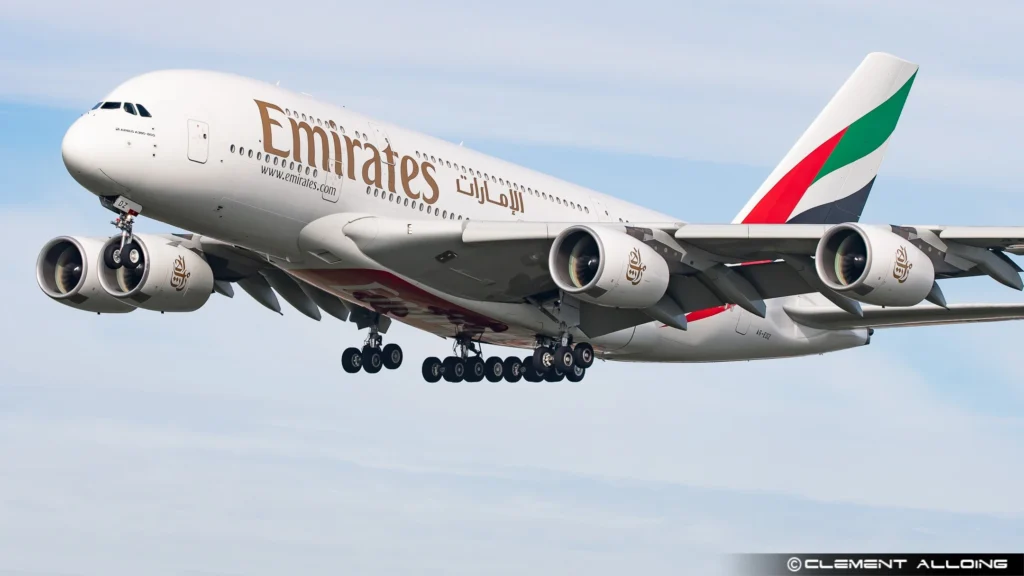
Operational Takeaways
This incident highlights the importance of unambiguous surface instructions at complex airports such as JFK. Large aircraft like the A380 require more time and space to maneuver, which increases the need for clear and stable routing directions.
Miscommunication on a runway or near one can introduce operational risk, especially during peak traffic periods.
Repeated frequency changes and extended arguments also distract crews from monitoring ground movement and completing post-landing tasks. A brief clarification from controllers, or a more patient response to the crew’s questions, could have prevented the dispute.
Broader ATC Culture at Major Hubs
Some major hub airports develop communication styles that assume familiarity with local procedures.
Pilots arriving from international routes may not share that level of familiarity. When phrasing becomes abrupt or informal, misunderstandings can increase, particularly for long-haul crews transitioning after extended duty periods.
A culture that prioritizes rapid movement over collaborative communication can lead to conflict when crews ask for clarity. In this case, both tower and ground controllers continued to challenge the pilots instead of closing the exchange and moving on.
Stay tuned with us. Further, follow us on social media for the latest updates.
Join us on Telegram Group for the Latest Aviation Updates. Subsequently, follow us on Google News
