


OTTAWA- Canada has joined the Global Combat Air Program (GCAP) as an observer without paying a participation fee. The program is developing a sixth-generation fighter with Italy, Japan and the UK.
Canada’s observer role will allow it to assess future fighter technology and industrial opportunities while its F-35 procurement remains under review.
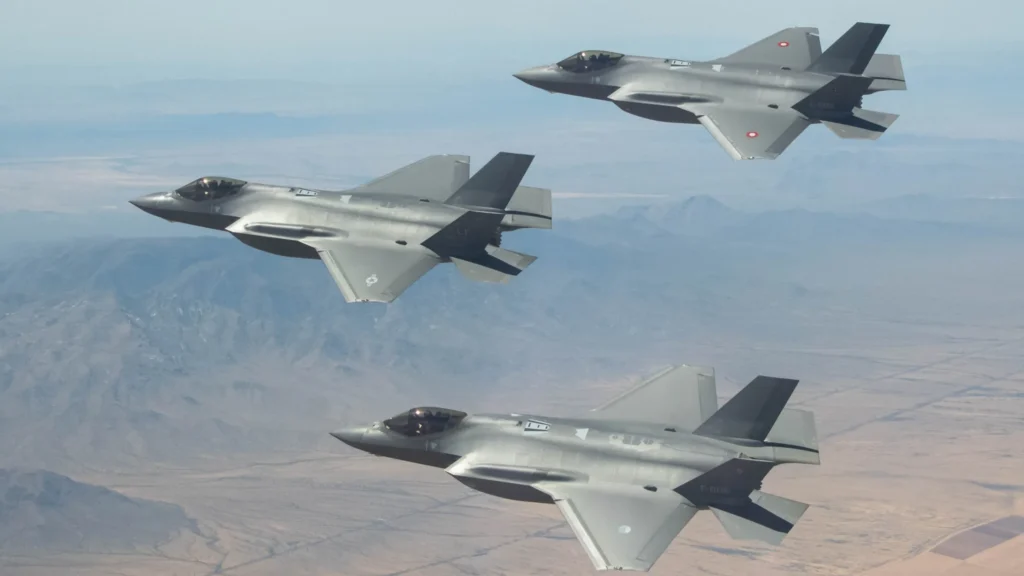
Canada Enters GCAP as Observer Without Paying a Fee
Canada has become the first country to receive observer status in the Global Combat Air Program, a multinational effort involving Italy, Japan and the UK to develop a sixth-generation fighter aircraft.
National Defence confirmed that observer status does not require Canada to pay a fee or make a financial commitment to the program at this stage.
However, the department said there would be resource implications if Canada eventually sought to become a full member of the GCAP fighter development program.
The potential cost of full membership remains unclear. Any financial commitment would depend on future discussions between Canada and the governments participating in the consortium.
Canada’s observer status gives the federal government an opportunity to better understand GCAP before deciding whether deeper participation would serve the country’s defence and industrial interests.
National Defence said observer participation will help Canada assess potential operational, industrial and economic benefits associated with greater involvement in the program.
The government is also examining opportunities for long-term industrial collaboration and participation in future defence technology development.
National Defence spokesperson Cheryl Forrest said Canada’s aerospace and defence sector is positioned to contribute to the capabilities being developed through GCAP. She said early engagement could allow Canadian companies to help shape the program, invest in emerging technologies at an early stage and secure meaningful participation throughout the program’s life.
Canada is assessing those opportunities against its long-term defence requirements, relationships with allies and potential industrial benefits.
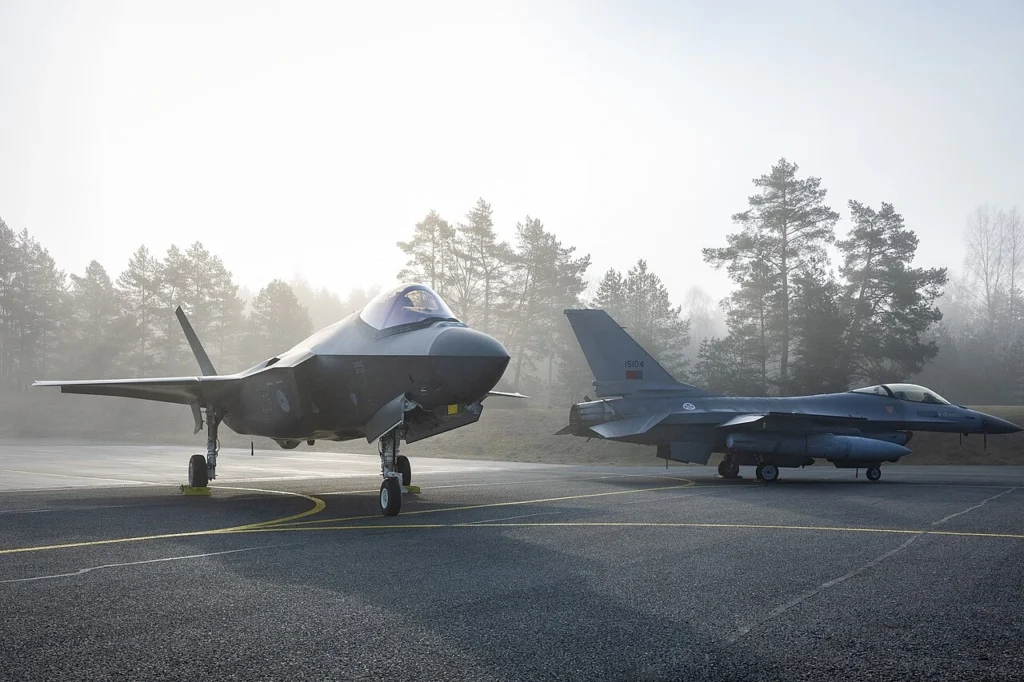
Defence Minister Comments on Emerging Technology
Defence Minister David McGuinty defended Canada’s decision to participate as an observer while speaking to reporters in Calgary on Thursday.
McGuinty said the government has an obligation to understand the direction of military technology as capabilities advance rapidly.
He said he had been in the UK two weeks earlier to sign Canada onto GCAP as an observer country.
McGuinty described the decision as “smart hockey” and said Canada needs to remain connected to cutting-edge defence research.
The comments reflect the government’s stated interest in evaluating future military technology before making a long-term commitment to the program.
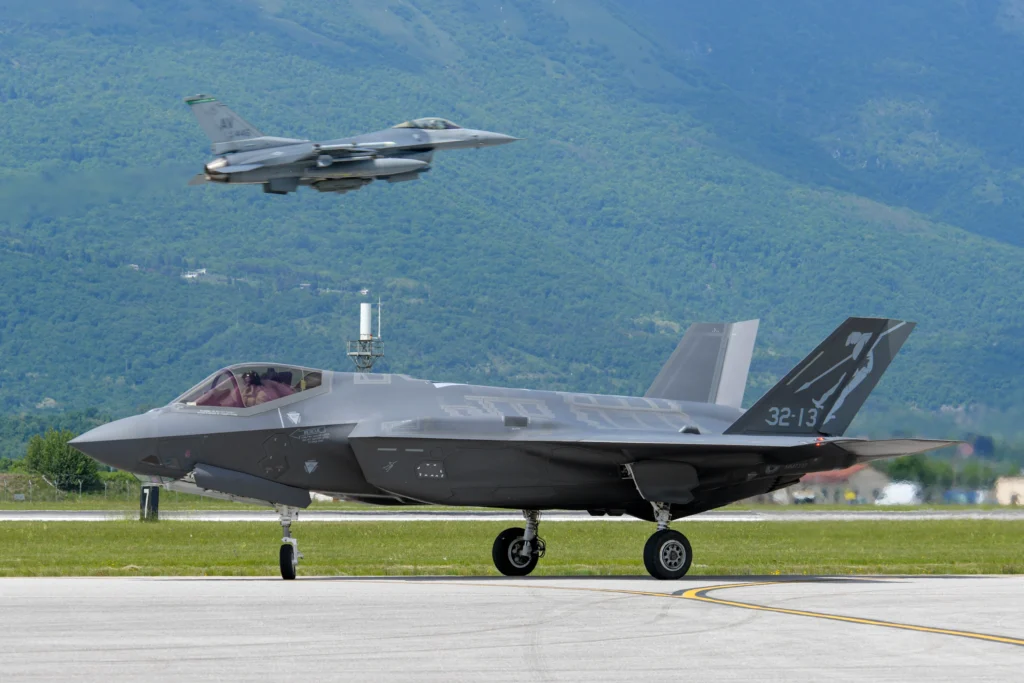
First GCAP Observer Arrangement
Canada is the first country to join GCAP with observer status.
Because there was no existing observer model for Canada to follow, National Defence said an observer arrangement is being drafted.
The arrangement will establish how Canada participates in the program and provide the framework for its observer role.
The government can use that involvement to gather information about GCAP’s development, technology and potential industrial opportunities without making the financial commitment associated with full membership.
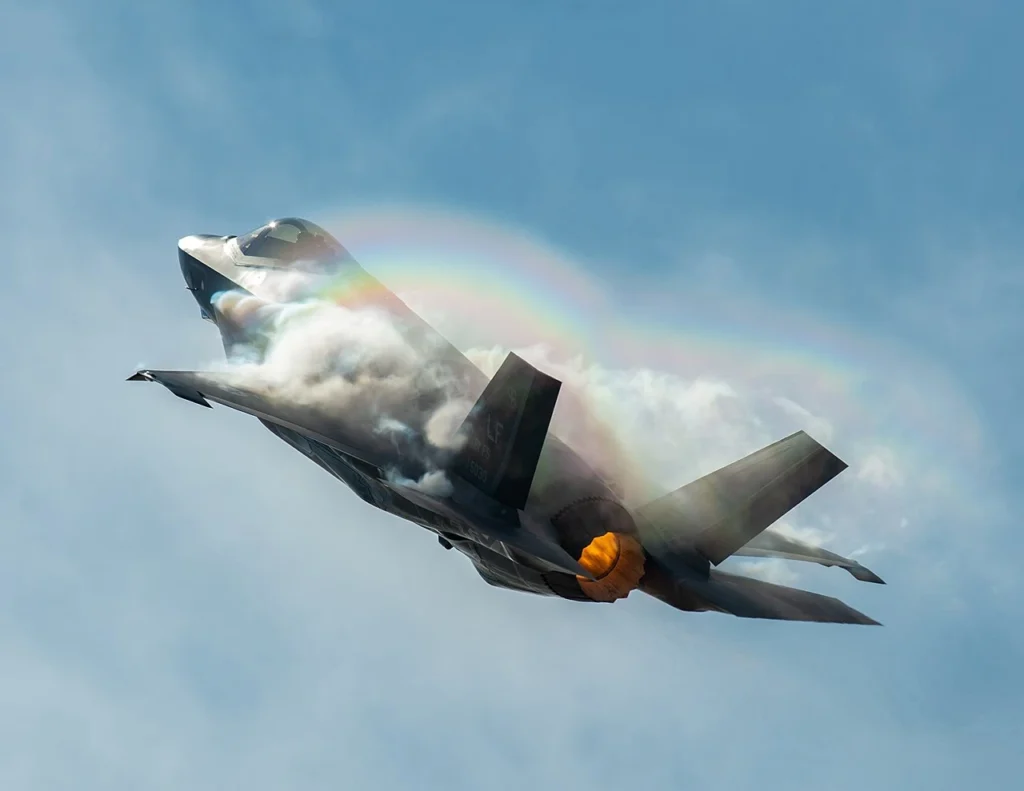
F-35 Procurement Under Government Review
Canada’s plan to purchase 88 F-35 stealth fighters remains under a political review by Prime Minister Mark Carney’s government.
The review began more than a year ago in response to the trade war initiated by US President Donald Trump.
The Carney government has not indicated what decision it will make regarding the future of the F-35 procurement.
Canada has already made a financial commitment to purchase 16 F-35 aircraft from the planned fleet of 88 jets.
The F-35 review is therefore taking place alongside Canada’s new observer role in GCAP, giving the government an opportunity to assess different aspects of its future fighter and defence technology requirements.
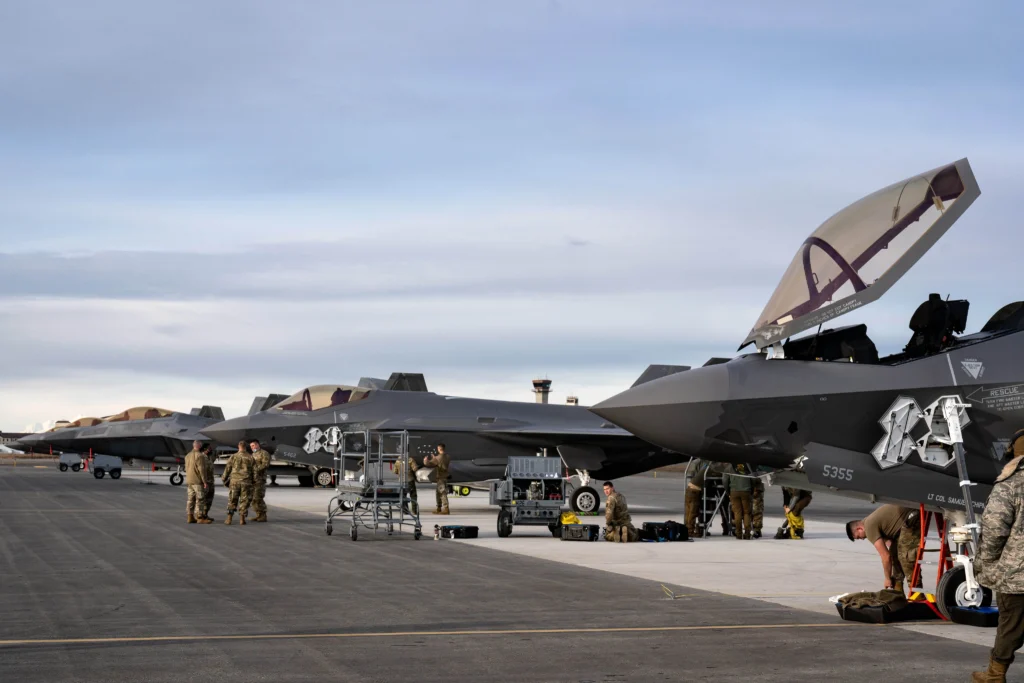
Canada Spent Heavily on F-35 Program Participation
Canada’s experience with the F-35 program provides a financial comparison for the government as it considers future international fighter initiatives.
According to the Auditor General’s 2025 report on the F-35 procurement, National Defence spent about $1 billion between 1997 and 2023 to participate in the eight-nation Joint Strike Fighter program.
That spending occurred before Canada purchased any F-35 aircraft.
Canada also has an established industrial relationship with the international F-35 program. Federal government briefing materials state that each F-35 produced through the global program contains about $3.6 million in Canadian-made components.
The figures demonstrate the scale of Canada’s previous involvement in an international fighter development and procurement program.
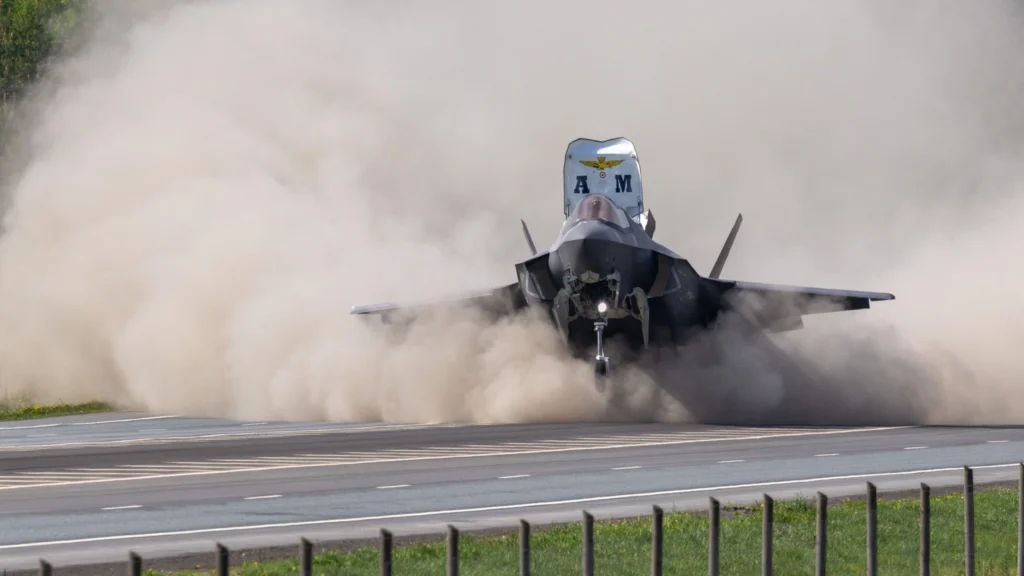
F-35 Review
The government’s F-35 review extends beyond the fighter aircraft itself.
A recently published federal government response to a House of Commons industry committee report said the review is examining economic and industrial outcomes for Canada, including issues related to sovereign unmanned systems.
The response specifically noted potential issues involving sovereign control of drones that would operate alongside the aircraft.
The government has designated aerospace and uncrewed systems as sovereign capabilities and continues to invest in domestic development and production.
The issue is part of the broader assessment of how future fighter aircraft and unmanned systems could contribute to Canada’s defence capabilities and domestic industrial capacity.
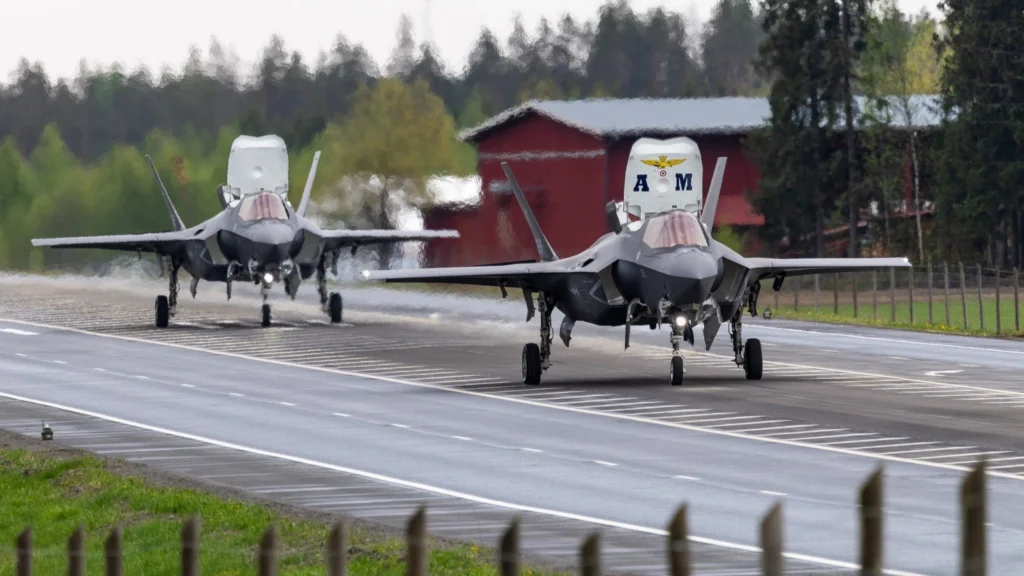
Multiple Fighter Options
Canadian aerospace companies have recently begun signing cooperative partnerships in preparation for a possible mixed fighter fleet.
One scenario under consideration involves a fleet that includes Saab Gripen fighters alongside F-35 aircraft.
These partnerships indicate that parts of Canada’s aerospace sector are preparing for potential procurement outcomes while the federal government continues its review.
The government has not confirmed that it will pursue a mixed fleet, nor has it announced a change to its existing F-35 procurement plan.
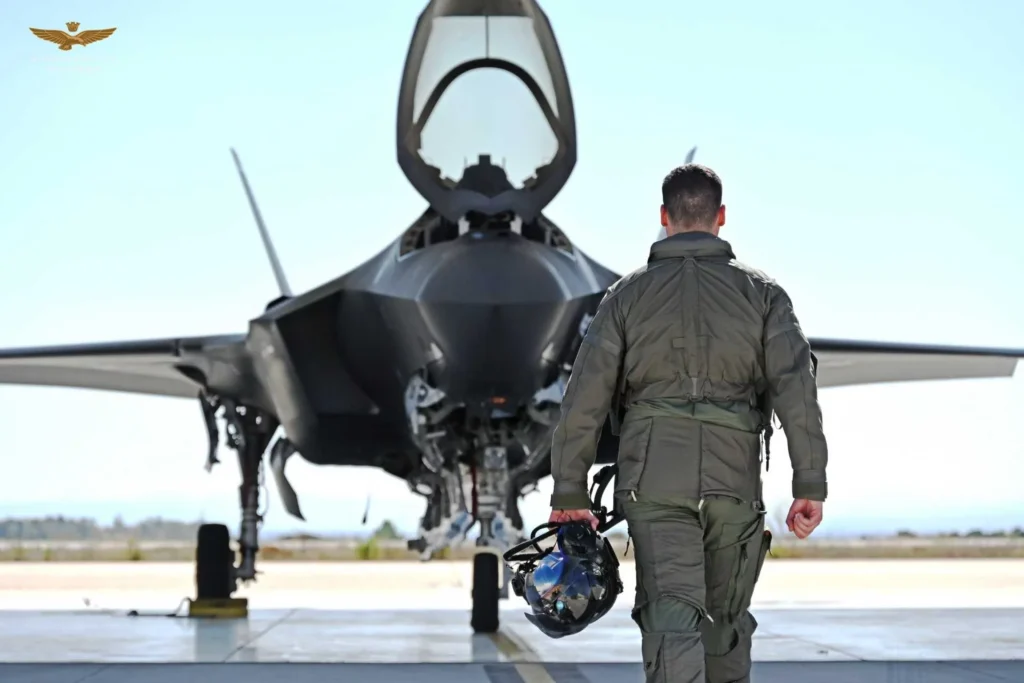
Canada’s Fighter Decision Remains Open
Canada’s GCAP observer status does not commit the country to purchasing or co-developing the sixth-generation fighter.
Instead, the arrangement gives Ottawa an opportunity to evaluate the program and assess whether deeper participation could provide long-term defence, technology and industrial benefits.
A decision to join GCAP as a full member would involve further discussions with Italy, Japan and the UK and would carry resource implications that have not yet been determined.
At the same time, Canada continues to review its F-35 procurement and related sovereign unmanned-system capabilities.
The government must ultimately weigh operational requirements, relationships with allies, industrial benefits and long-term defence priorities before determining its future fighter strategy.
Global News reported on Canada’s GCAP observer status as the government continues to assess its fighter procurement and broader defence technology options.
Stay tuned with us. Further, follow us on social media for the latest updates.
Join us on Telegram Group for the Latest Aviation Updates. Subsequently, follow us on Google News
