

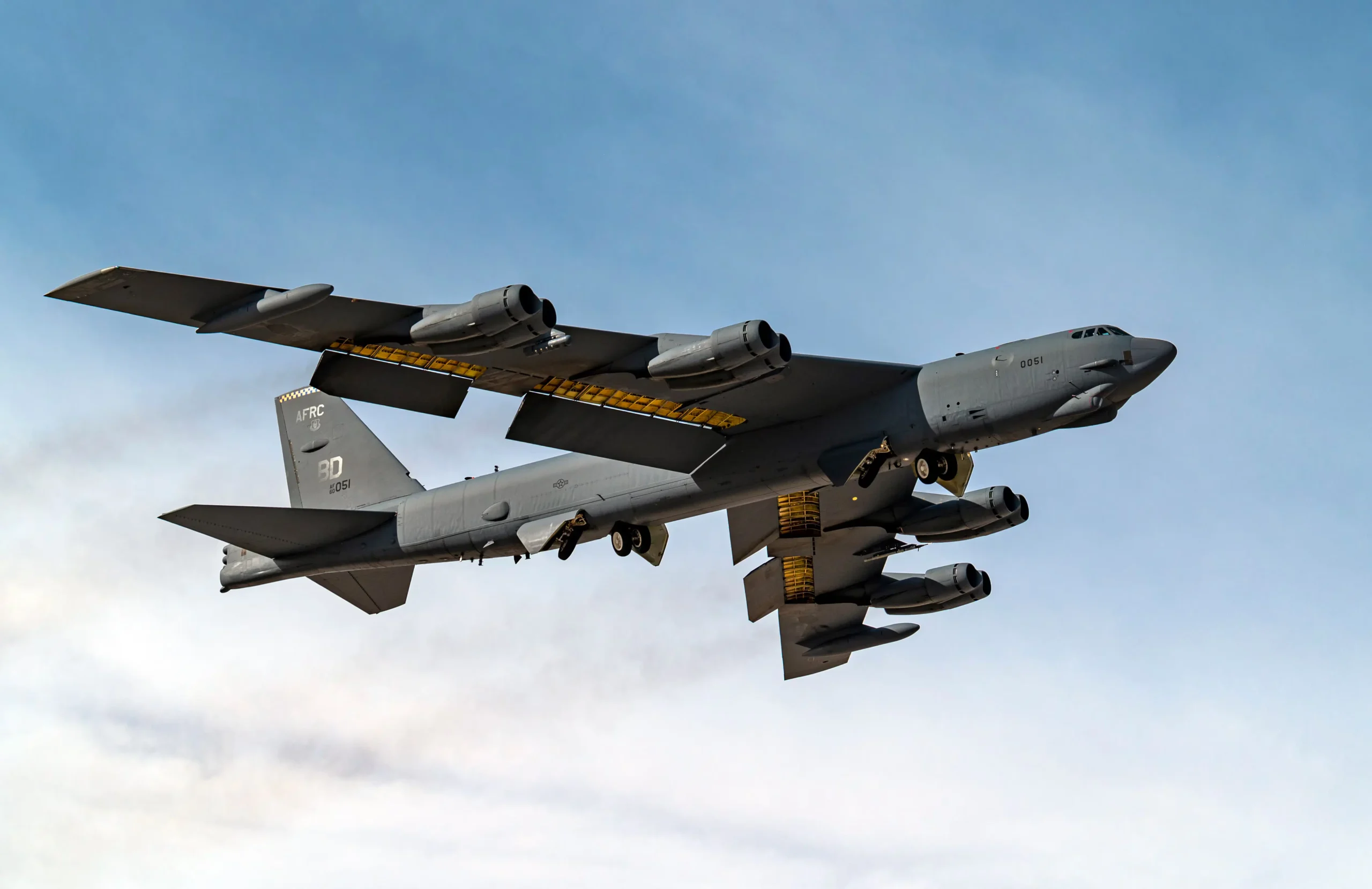
ARLINGTON- Boeing has secured a contract valued at more than $2 billion to continue modernization work on the US Air Force’s B-52H strategic bomber fleet. The funding supports engine integration activities under a long-running propulsion upgrade program.
The Washington D.C. Area remains central to program oversight as the US Air Force advances propulsion, radar, and mission system upgrades designed to keep the B-52 operational for decades beyond its original service life.

Boeing $2 Billion Deal for B-52 Bomber
According to Flight Global, Boeing received US Air Force approval on December 23, 2025, for more than $2 billion in funding under the B-52 Commercial Engine Replacement Program.
The initiative has been underway since 2018 and represents a major step toward replacing the bomber’s legacy propulsion system.
The latest contract specifically funds the integration of new engines on two B-52H aircraft, marking a defined milestone within the broader re-engining effort rather than a fleet-wide installation phase.
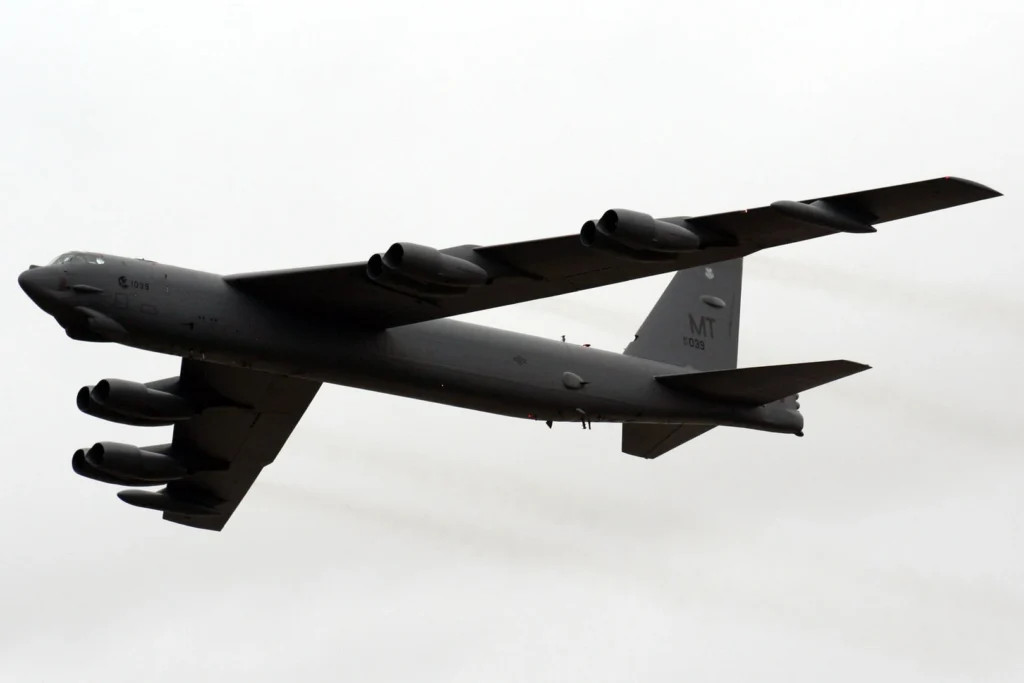
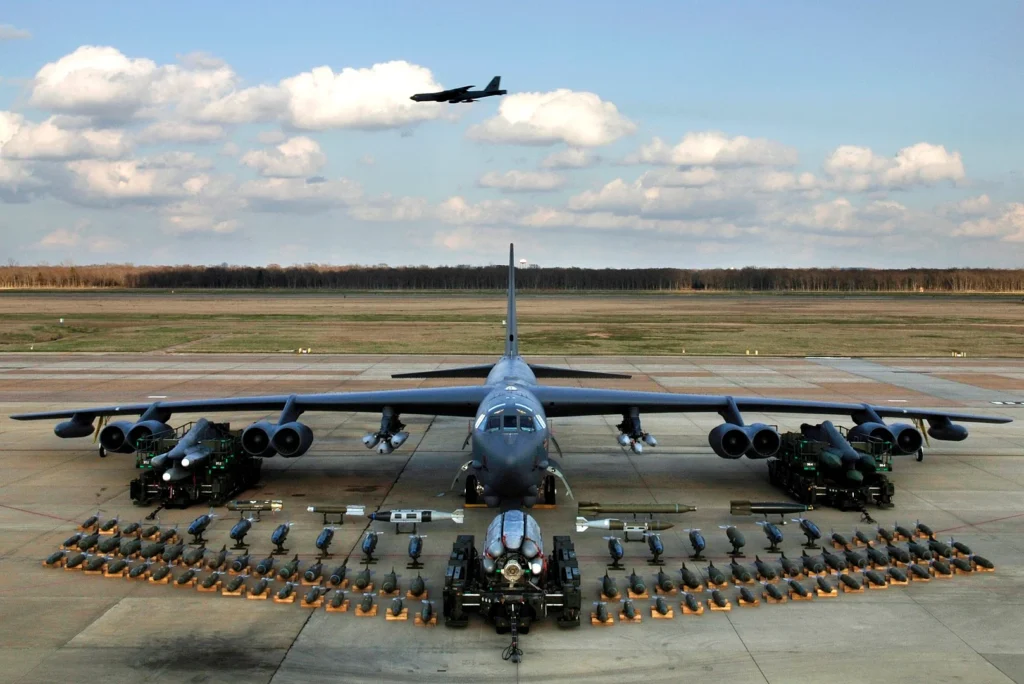
Each B-52H is currently powered by eight TF33 turbofan engines supplied by Pratt & Whitney, mounted in a distinctive dual-pod underwing configuration. These engines have supported operations for decades, but no longer meet long-term efficiency and sustainment objectives.
The new propulsion system is intended to improve reliability, reduce maintenance demands, and align the bomber with modern performance standards required for extended service.
Critical Design Review and Technical Validation
Funding approval followed the successful completion of a critical design review in December 2024 by propulsion supplier Rolls-Royce.
The review assessed the engine system’s ability to meet performance requirements while remaining within defined cost and schedule parameters.
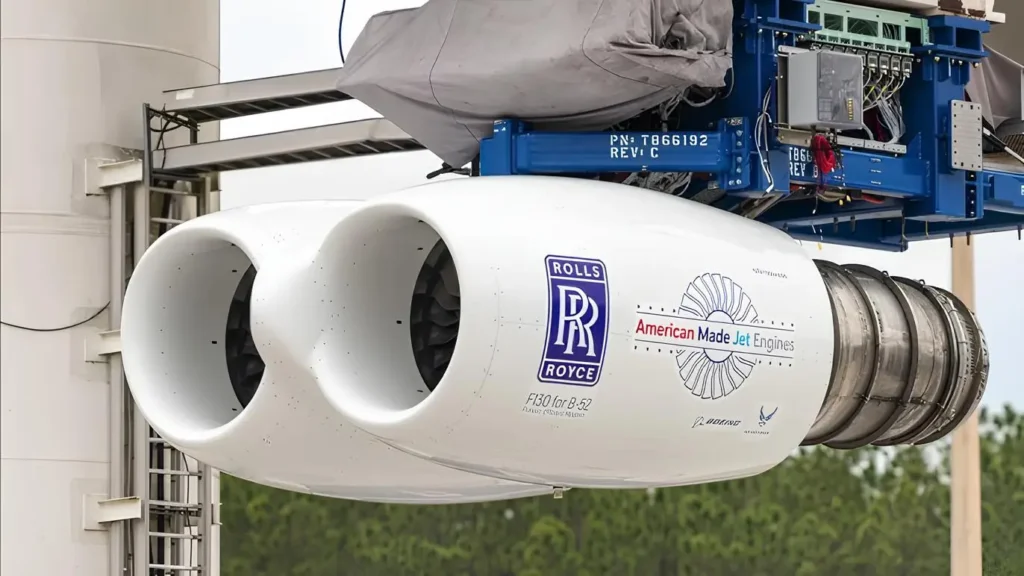
Rolls-Royce secured the CERP contract in 2021, defeating rival bids from GE Aerospace and Pratt & Whitney. The selected engine is the F130, a military derivative of the BR725 commercial turbofan.
Engine Testing and Program Timeline
Stand testing of the F130 began in 2023, using the B-52’s unique dual-pod engine arrangement to replicate operational conditions accurately.
This testing approach is critical to validating integration with the aircraft’s existing structure.
Rolls-Royce is expected to assemble more than 600 F130 engines for the program at its Indianapolis, Indiana, facility, underscoring the industrial scale of the effort.
While the contract value exceeds $2 billion, the Pentagon will distribute the funds incrementally over the program’s duration, which is expected to run through 2033. Just under $36 million has been released immediately to support near-term test and integration work.
The re-engining program forms part of a comprehensive service life extension that will redesignate the B-52H fleet as the B-52J.
In addition to new propulsion, all 76 aircraft will receive an active electronically scanned array radar supplied by Raytheon, upgraded communications for conventional and nuclear missions, improved avionics, and redesigned crew compartments.
Weapon system integration is also progressing, with emphasis on long-range air-to-ground strike missiles tailored for modern conflict environments.
Radar Testing and Operational Outlook
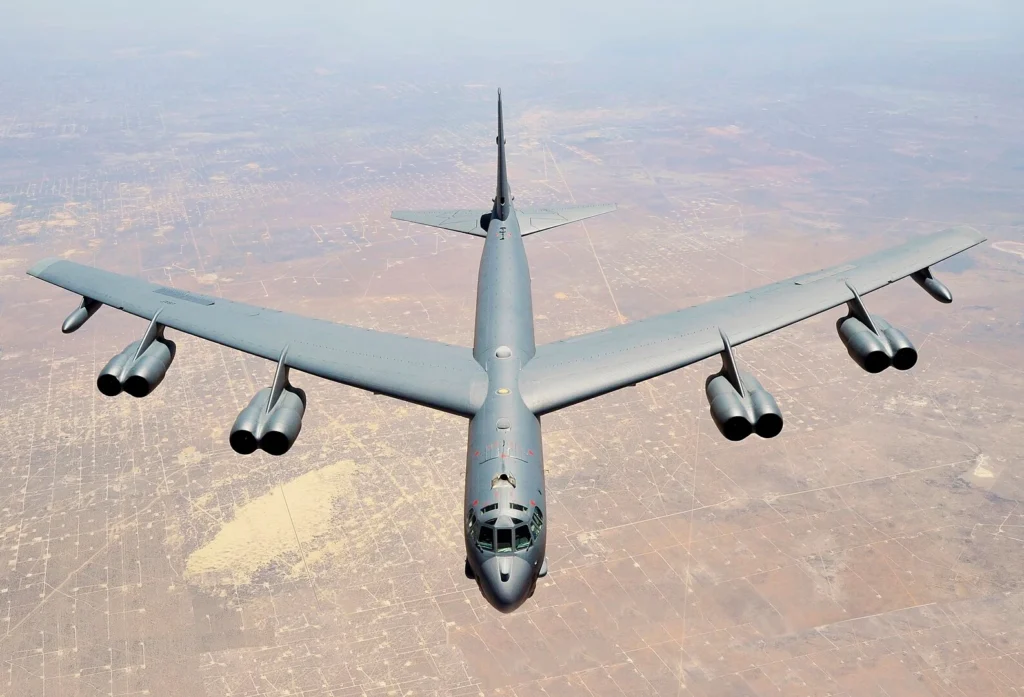
Boeing recently delivered a B-52H equipped with the new AESA radar to the US Air Force for ground and flight testing.
These tests are scheduled to continue through 2026, with a production decision for a fleet-wide radar upgrade expected later that year.
Current projections place initial operating capability for the B-52J, including both the F130 engines and new radar, in 2033.
This timeline remains 3 years later than the original target but aligns with updated planning estimates.
Strategic Role
The modernization program is central to plans to keep the B-52 in frontline service for at least another 3 decades.
While the B-1B and B-2 bombers will be retired as next-generation systems enter service from Northrop Grumman, the B-52J is expected to retain an active operational role.
The US Air Force operates 76 B-52H bombers with an average age of 64 years, based on data from aviation analytics firm Cirium.
Despite the fleet’s age, senior leaders have publicly discussed the possibility of the aircraft reaching 100 years of active service.
Stay tuned with us. Further, follow us on social media for the latest updates.
Join us on Telegram Group for the Latest Aviation Updates. Subsequently, follow us on Google News
