

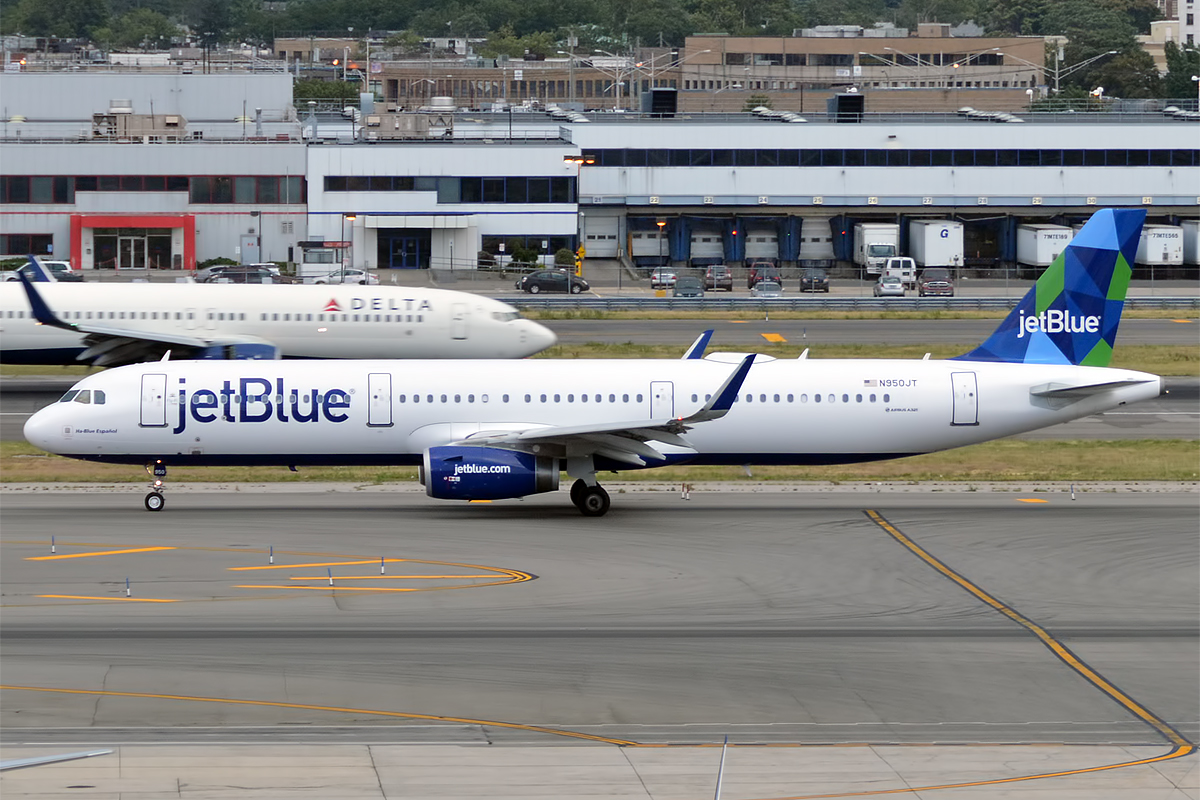
NEW YORK- JetBlue Airways (B6) and Delta Air Lines (DL) experienced significant post-Christmas operational disruption as severe winter weather forced hundreds of flight cancellations and delays.
Major Northeast airports, including New York City and Boston, were among the most affected during the peak holiday travel period.
The disruption centered on key hubs and focus cities as airlines attempted to manage safety and network stability.
JetBlue and Delta Cancel Flights
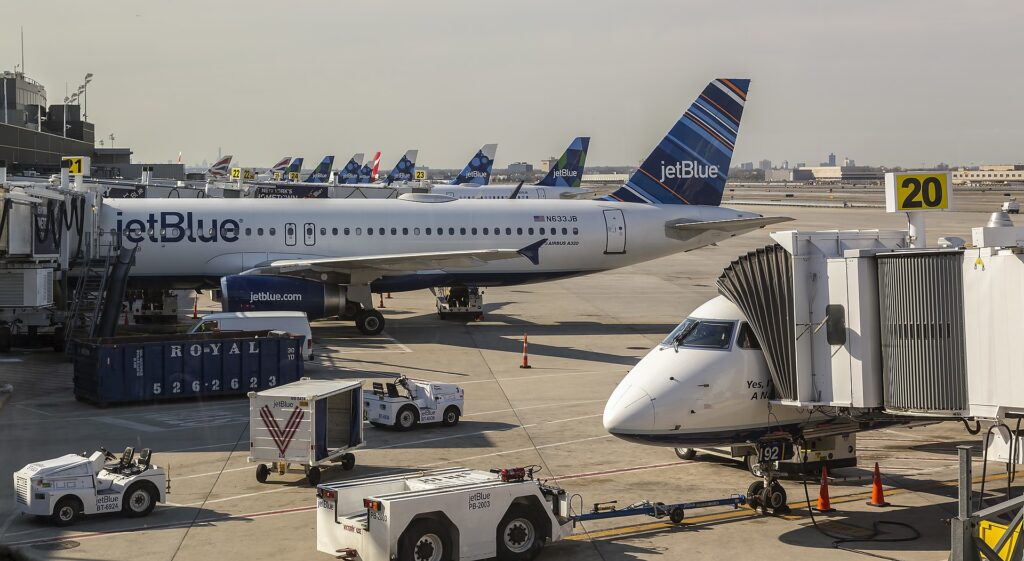
The post-Christmas travel surge began under pressure on December 26, when JetBlue and Delta collectively canceled nearly 500 flights, with delays continuing to mount across their networks.
According to FlightAware flight-tracking data, JetBlue reduced its planned schedule by 22 percent on Friday alone, canceling 218 flights and delaying an additional 135.
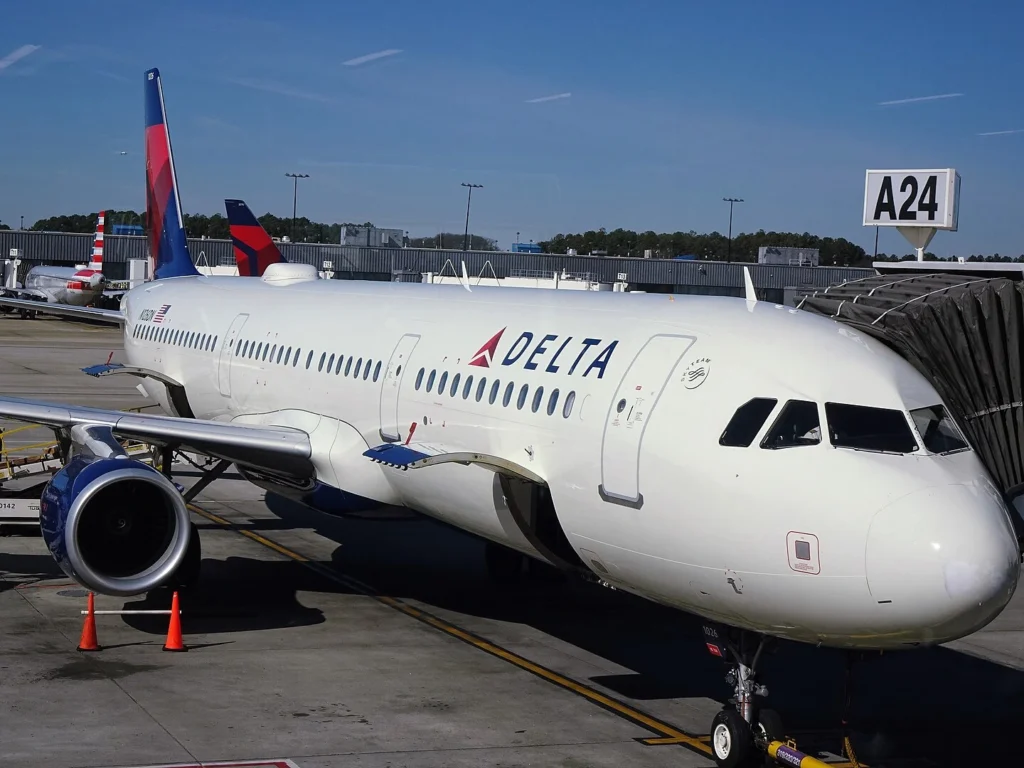
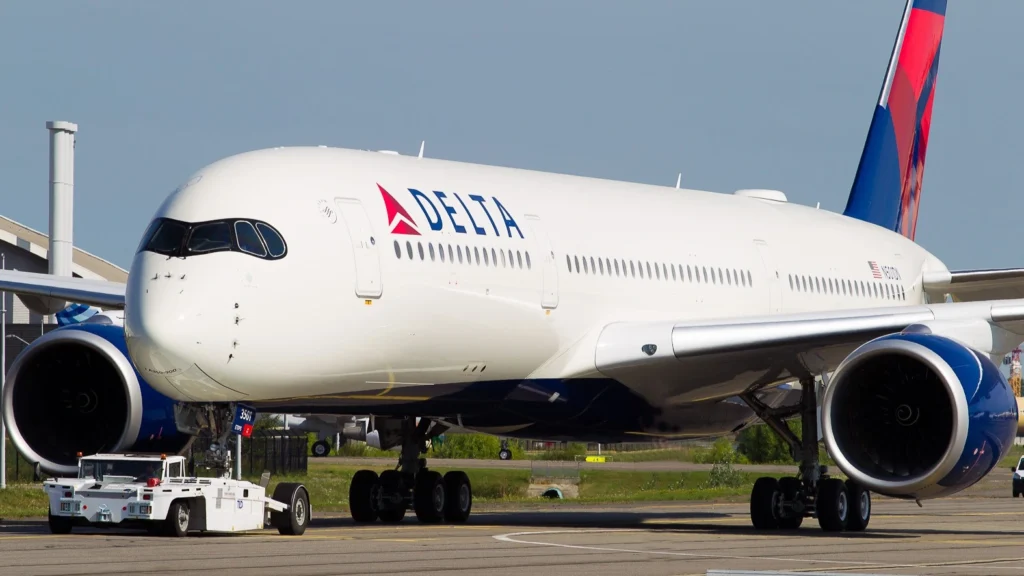
Delta’s mainline operation performed comparatively better but still faced notable disruption. The airline canceled approximately 5 percent of its scheduled flights, 163 cancellations in total, and delayed 247 flights.
Delta’s regional carrier, Endeavor Air, experienced a heavier impact, canceling nearly 10 percent of its planned operations, highlighting the vulnerability of regional networks during adverse weather.
In contrast, American Airlines (AA) and United Airlines (UA) experienced a lesser degree of disruption.
Both carriers collectively canceled only a few dozen flights, but delays still spread across their networks, underscoring that JetBlue and Delta bore the brunt of the Northeast disruption.
Snowfall Forecast Drives Proactive Cancellations
The primary driver of the operational breakdown was severe winter weather across the Northeast.
Forecasts called for up to 8 inches of snow in New York City by Saturday morning, prompting airlines to cancel flights in advance to avoid unsafe operating conditions and limit downstream disruption.
Cancellations were already extending into the following day as conditions continued to deteriorate.
According to PYOK, these early cancellations were intended to stabilize airline operations ahead of the busiest travel days, though the scale of disruption remained significant.
TSA Warnings and Ripple Effects
The Transportation Security Administration (TSA) warned that December 27 would be one of the busiest travel days of the season, with Sunday close behind.
Airlines projected that as many as 2.86 million passengers would fly nationwide, increasing the risk of cascading delays as aircraft and crews became displaced.
Weather-related disruption in one region often spreads rapidly across the country. Aircraft and crew members falling out of position can trigger additional cancellations far from the original storm zone, compounding passenger inconvenience.
Focus on Crew Tracking
Attention remained on Delta to assess whether its crew tracking software could withstand sustained disruption or whether localized weather issues would escalate into a broader operational failure.
During last year’s CrowdStrike-related software incident, Delta’s temporary loss of visibility into pilot and flight attendant locations exacerbated the airline’s challenges.
The industry has seen the consequences of such failures before. Southwest Airlines’ holiday meltdown in December 2022 stranded an estimated 2 million passengers after crew scheduling systems collapsed.
Since then, Southwest has invested millions of dollars in modernizing its crew tracking infrastructure and has not experienced a comparable disruption, offering a potential model for resilience during peak travel periods.
Stay tuned with us. Further, follow us on social media for the latest updates.
Join us on Telegram Group for the Latest Aviation Updates. Subsequently, follow us on Google News
