

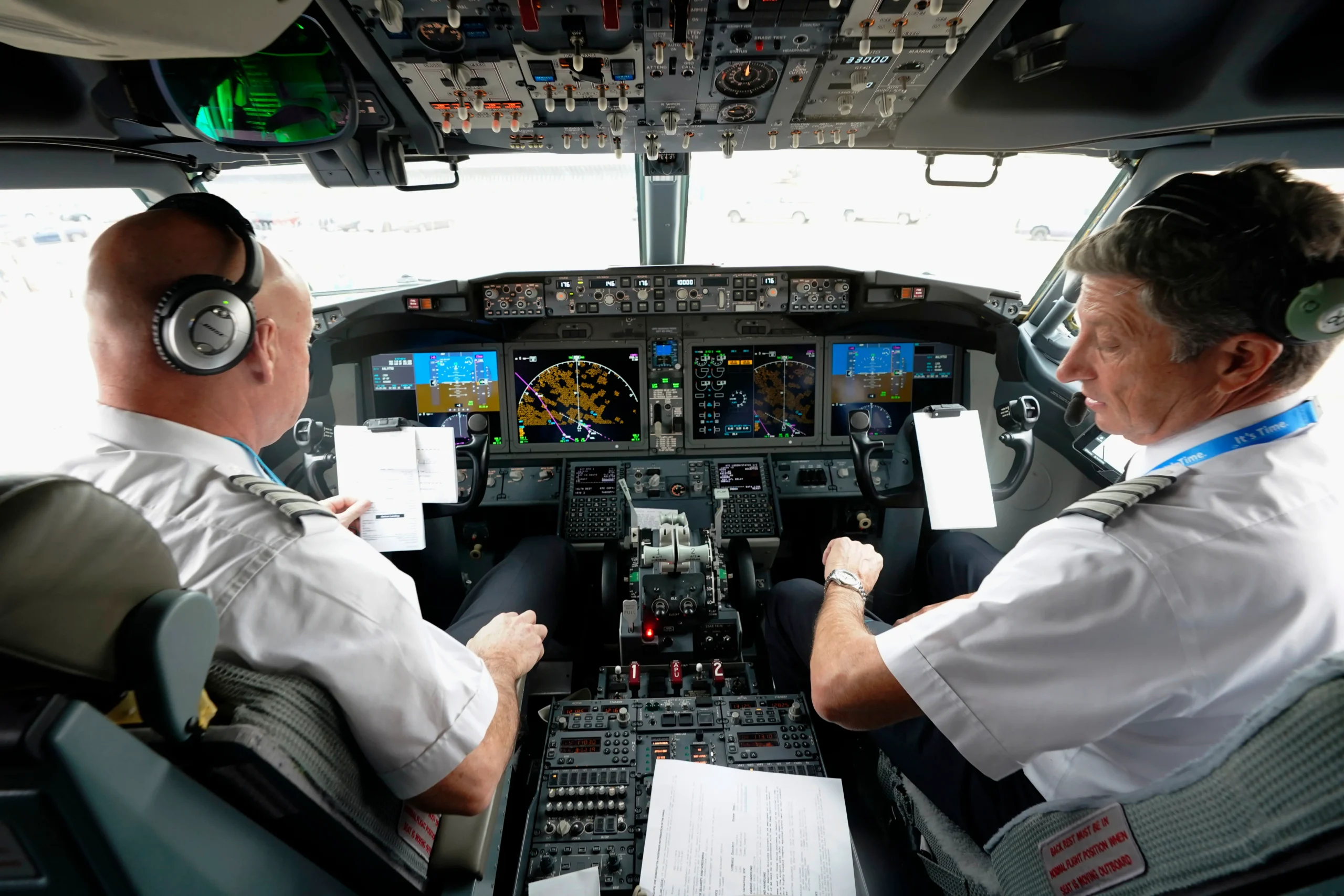
Commercial pilots rely on standardized radio phraseology to communicate with air traffic control quickly and accurately during abnormal situations.
Among the most important emergency terms is “PAN-PAN,” a code used worldwide to report urgent situations that require assistance but do not pose an immediate threat to the aircraft or its occupants.
Although passengers rarely hear these communications, they play a vital role in aviation safety. Whether the issue involves a mechanical malfunction, a medical emergency, or fuel concerns, pilots use internationally recognized terminology to help controllers respond efficiently.
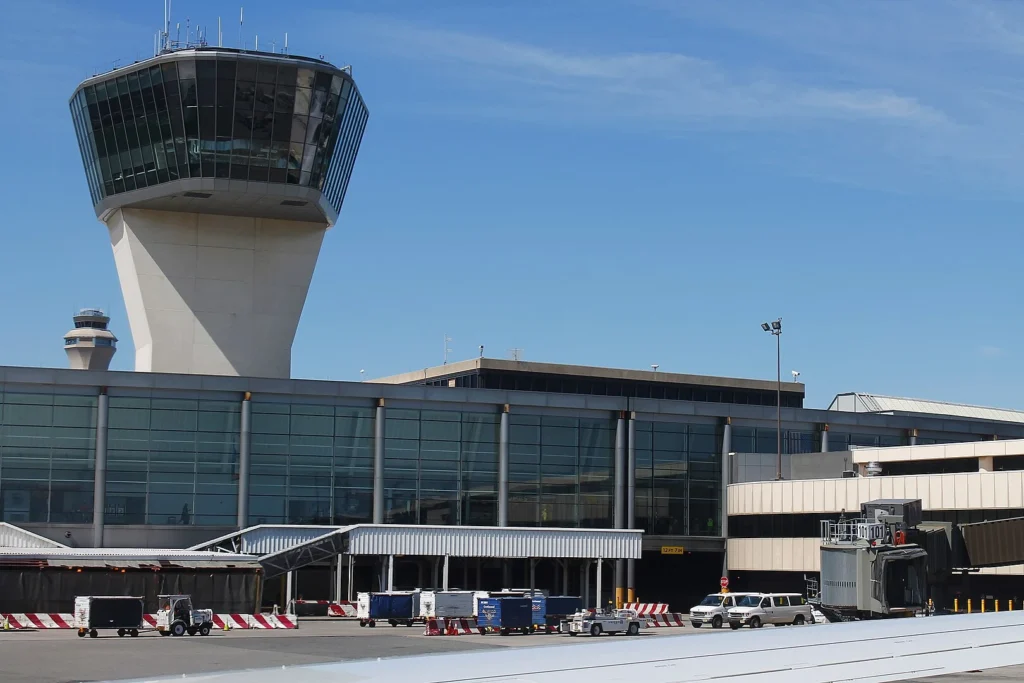
Unlike incidents involving a specific airline or airport, these procedures apply across the global aviation industry and are used by airlines operating from airports such as Miami International Airport (MIA), London Heathrow Airport (LHR), and Singapore Changi Airport (SIN).
Inside the PAN-PAN Signal
PAN-PAN is the internationally recognized urgency signal used when an aircraft requires assistance but is not facing immediate danger.
The term originates from the French word panne, meaning breakdown or mechanical failure, and is spoken three times—“PAN-PAN, PAN-PAN, PAN-PAN”—to ensure it stands out over routine radio traffic.
Pilots may declare PAN-PAN for a variety of situations. These can include minor mechanical issues, passenger medical emergencies, navigation problems, or fuel-related concerns that require priority handling without meeting the threshold for a full distress call.
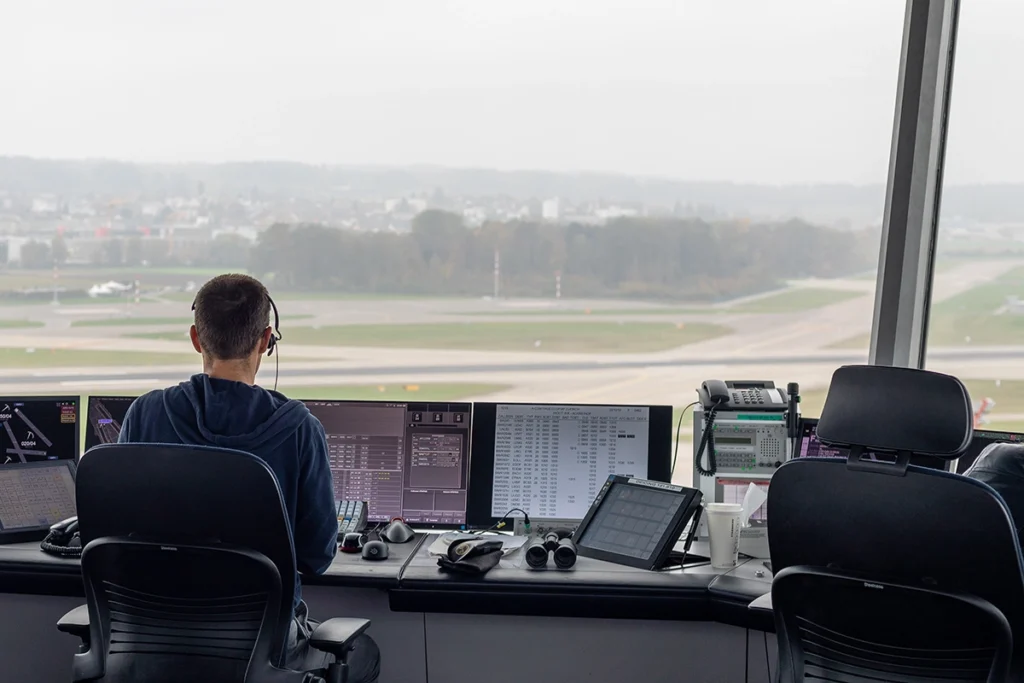
Once air traffic controllers receive the urgency message, they begin coordinating support. They may provide direct routing, prioritize the aircraft for landing, and prepare airport emergency services if needed, while continuing to separate other traffic safely.

PAN-PAN vs MAYDAY Key Differences Explained
Although both terms indicate abnormal situations, they represent different levels of urgency. PAN-PAN signals an urgent condition that requires assistance but does not place the aircraft in immediate peril.
MAYDAY, on the other hand, is reserved for grave and imminent danger requiring immediate assistance. It is commonly used during severe engine failures, onboard fires, loss of aircraft control, or other life-threatening emergencies.
The call also takes absolute priority over every other radio transmission.
According to the Federal Aviation Administration (FAA), distress communications beginning with the MAYDAY command radio silence on the active frequency, allowing controllers and pilots to focus entirely on resolving the emergency.
Urgency communications using PAN-PAN receive priority over routine traffic but remain secondary to MAYDAY.
What Passengers Should Do During Emergencies
Passengers are unlikely to hear pilots make a PAN-PAN or MAYDAY call because these transmissions occur over dedicated air traffic control frequencies, Travel and Leisure reported.
Instead, flight attendants receive updates from the cockpit and manage the cabin while the flight crew coordinates with controllers.
If travelers notice smoke, a passenger medical emergency, unusual sounds, or another potentially serious issue, they should immediately inform a flight attendant. Cabin crew members are trained to relay critical information to the cockpit and follow established emergency procedures.
Meanwhile, air traffic control gathers the aircraft’s identification, position, and intentions before coordinating runway access and arranging emergency responders if necessary.
This structured communication system enables pilots, controllers, and airport teams to respond rapidly while maintaining the highest level of flight safety.
Stay tuned with us. Further, follow us on social media for the latest updates.
Join us on Telegram Group for the Latest Aviation Updates. Subsequently, follow us on Google News
