

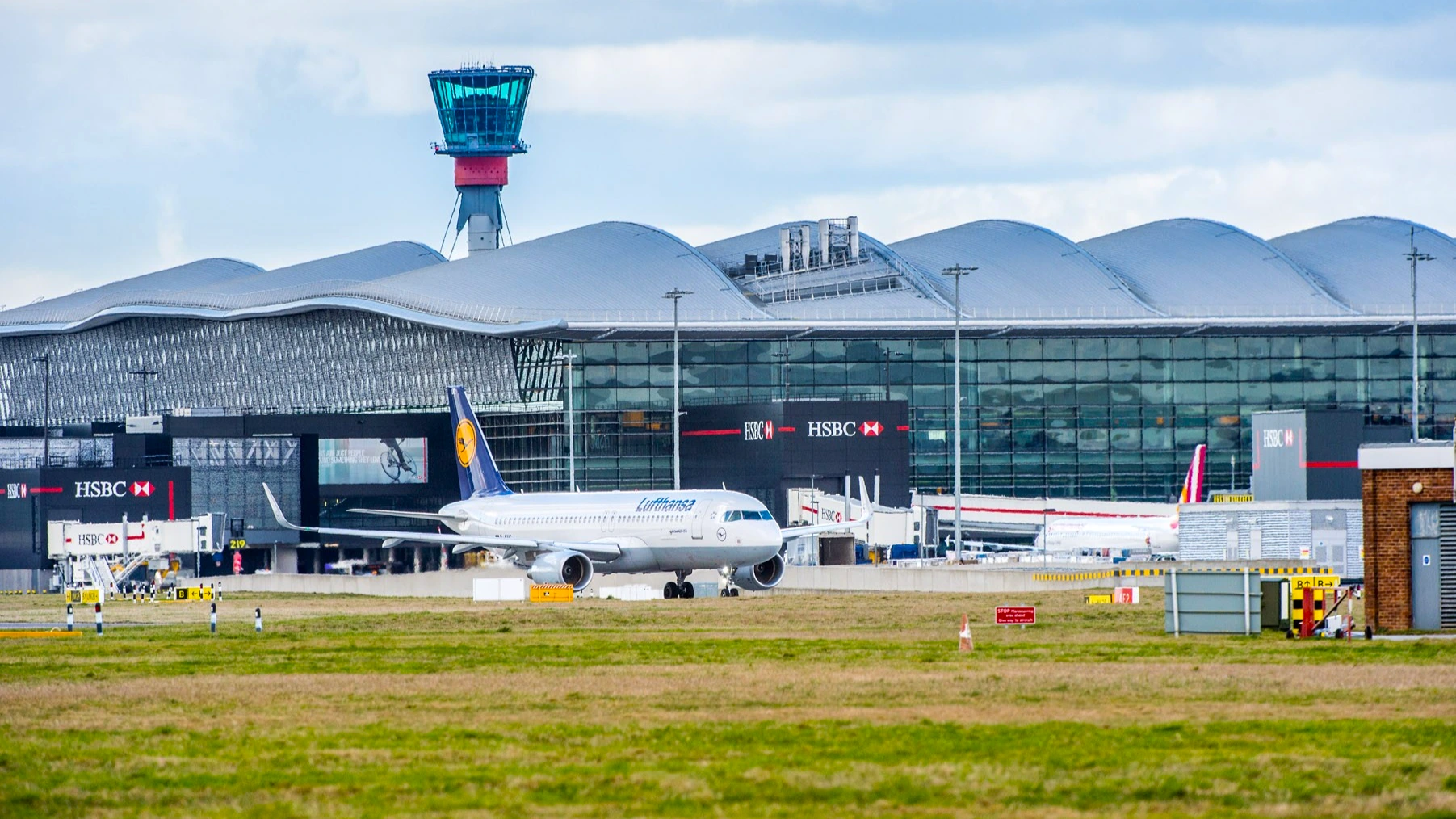
LONDON– The long-running debate over expanding Heathrow Airport (LHR) has intensified again as the UK government advances plans for a third runway.
Supporters argue that expansion would strengthen Britain’s global connectivity and support economic growth, while critics say the project would deliver limited benefits at a high financial and environmental cost.
Heathrow Airport (LHR), the United Kingdom’s busiest international gateway, currently serves hundreds of destinations worldwide and remains one of Europe’s leading aviation hubs.
However, environmental groups, regional leaders, economists, and some airlines continue to question whether the proposed expansion can meet climate goals, protect communities, and provide value for passengers.
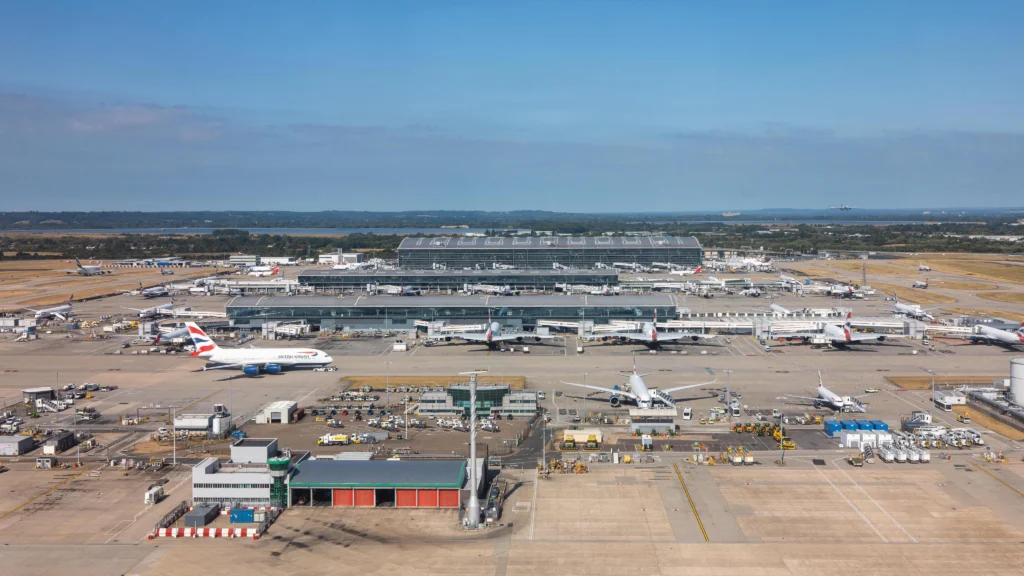
Economic Questions Facing Heathrow’s Expansion
One of the central arguments against Heathrow expansion concerns its economic impact. Government assessments and independent analyses suggest that the direct contribution to national economic output would be relatively small when measured against overall UK GDP.
Critics also argue that much of the projected economic gain would remain concentrated in London and the South East rather than being shared evenly across the country.
Recent studies indicate that some regions could experience slower job growth if traffic shifts toward Heathrow instead of regional airports.
Concerns have also emerged that a significant portion of future profits would flow to international investors due to Heathrow’s ownership structure.
Questions over project costs continue to shape the debate. Heathrow previously estimated expansion costs at tens of billions of pounds, but some analysts and airlines believe the final figure could be substantially higher.
Additional spending on roads, rail links, and supporting infrastructure could further increase the overall price.
Airlines have warned that higher airport charges could eventually be passed on to travelers through increased fares.
Recent regulatory decisions allowing Heathrow to recover some early development costs have reinforced concerns that passengers may bear part of the financial burden over the coming decades.
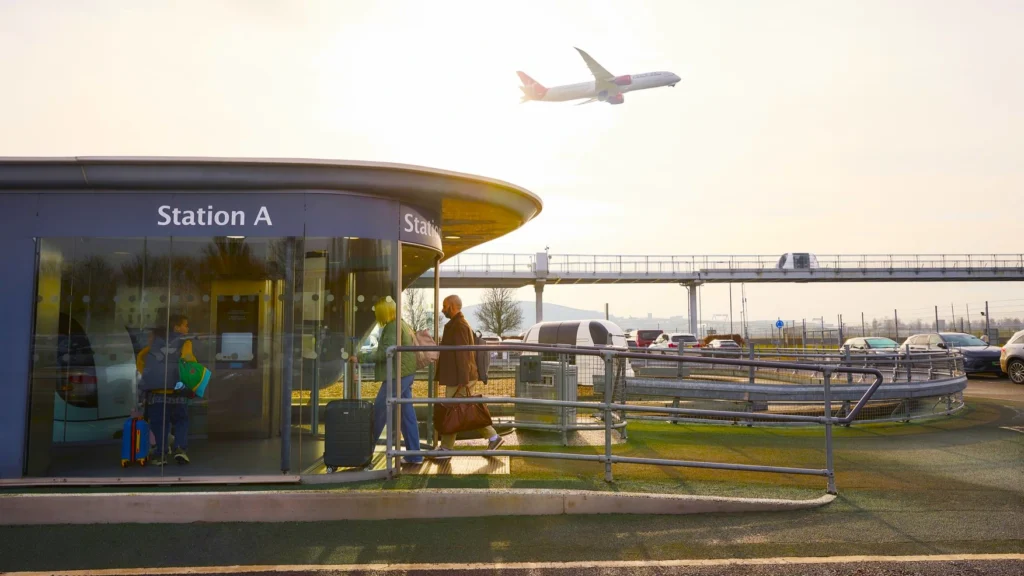
Environmental Impact of Heathrow’s Third Runway
Climate change remains one of the strongest objections to Heathrow’s third runway proposal. Aviation is a major source of greenhouse gas emissions, and critics argue that a large increase in flights could make the UK’s legally binding net-zero targets more difficult to achieve.
Government policy requires any expansion project to meet strict environmental conditions, including limits on carbon emissions, air quality impacts, and noise exposure.
However, campaign groups maintain that future emission reductions rely heavily on technologies that are still developing, such as sustainable aviation fuel and carbon removal systems.
Opponents also highlight broader climate effects beyond carbon dioxide emissions, including contrails and non-CO2 pollutants. These factors can increase aviation’s overall contribution to global warming, although measuring them precisely remains a challenge.
Air quality concerns continue to attract attention as well. Additional aircraft movements and road traffic could increase emissions in surrounding areas, affecting communities near the airport.
London authorities and environmental organizations have repeatedly stated that pollution limits and public health considerations must remain central to future planning decisions.
Wildlife and biodiversity issues form another part of the debate. Government assessments have indicated that several protected sites near Heathrow could face environmental risks if expansion proceeds, requiring detailed mitigation plans before approval.
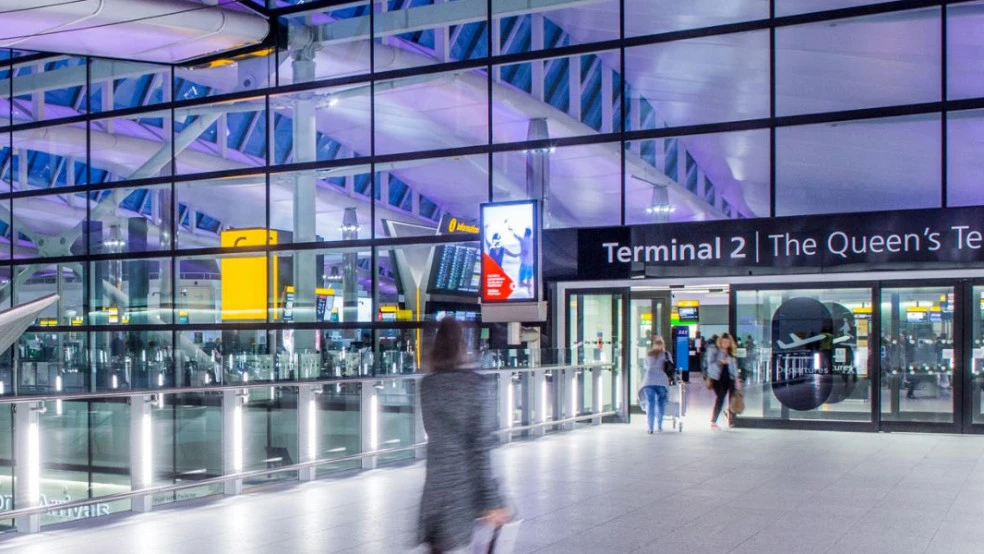
Community Concerns and Noise
The social impact of Heathrow expansion extends beyond economics and climate policy. Residents living near the airport remain concerned about noise, housing, and quality of life.
A third runway would increase aircraft operations significantly, potentially exposing more communities to regular aircraft noise.
Health experts have linked long-term exposure to high noise levels with sleep disruption, stress, and other health impacts. Critics argue that more detailed flight path information is needed before any final decisions are made.
Property and community impacts also remain controversial. Expansion proposals could require the relocation or demolition of homes, businesses, and local facilities. Residents in affected areas have expressed concerns about preserving community identity and protecting historic villages.
Supporters of the project argue that expansion would strengthen Britain’s role in global aviation, create jobs, and improve international connectivity.
Heathrow has also pledged that any development would align with environmental commitments and support the UK’s net-zero goals, Friends of the Earth reported.
The government has stated that no final approval will be granted unless expansion satisfies economic, environmental, and community requirements.
As consultations continue, Heathrow’s third runway remains one of the most significant and closely watched infrastructure debates in British aviation.
Stay tuned with us. Further, follow us on social media for the latest updates.
Join us on Telegram Group for the Latest Aviation Updates. Subsequently, follow us on Google News
