

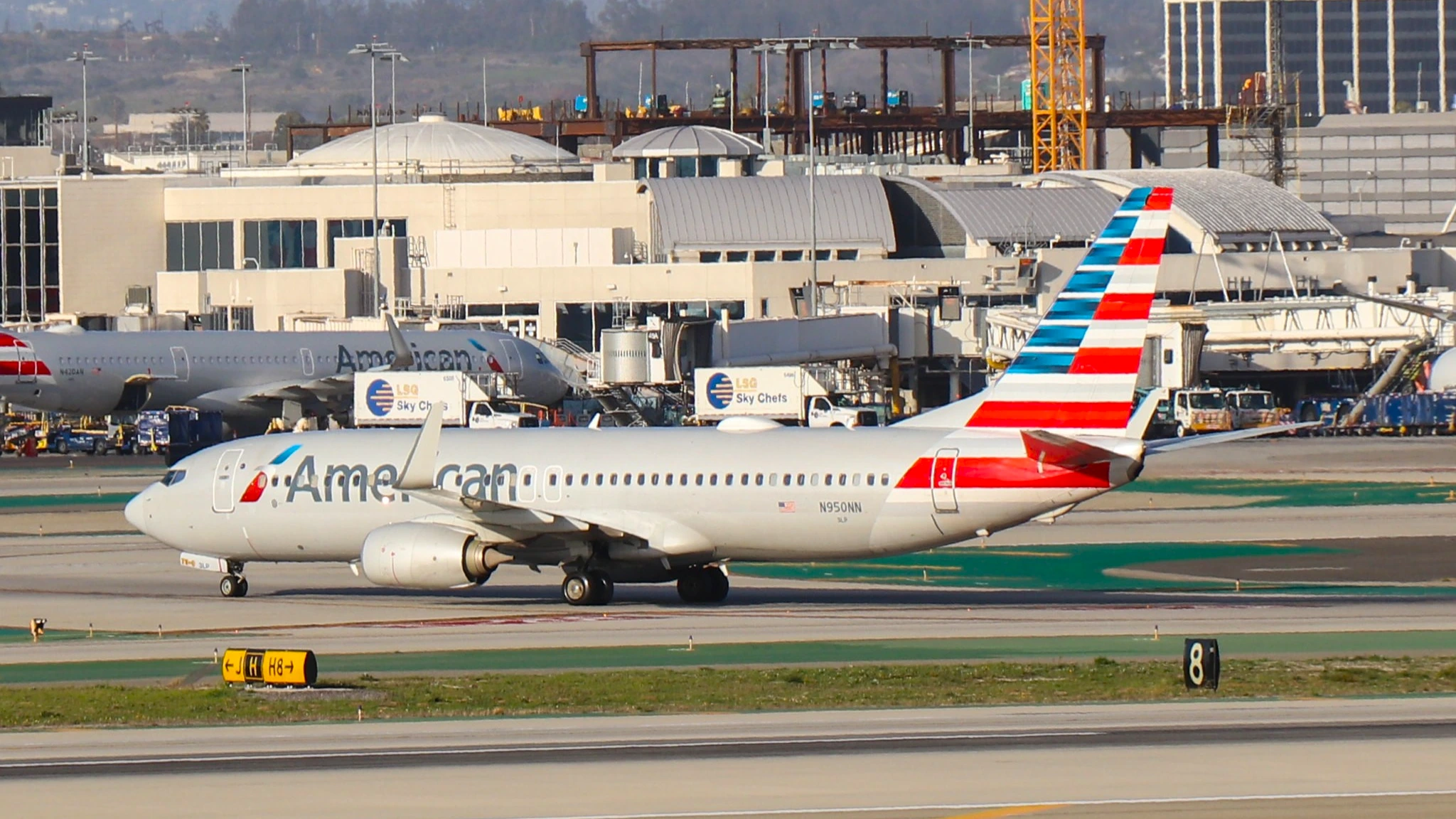
NEW YORK- American Airlines (AA) Flight 1256 experienced a pressurization-related issue shortly after departure, prompting the crew to return the aircraft to New York for safety reasons.
The Boeing 737 landed without incident at JFK after the crew reported passenger discomfort and confirmed an overweight landing precaution.
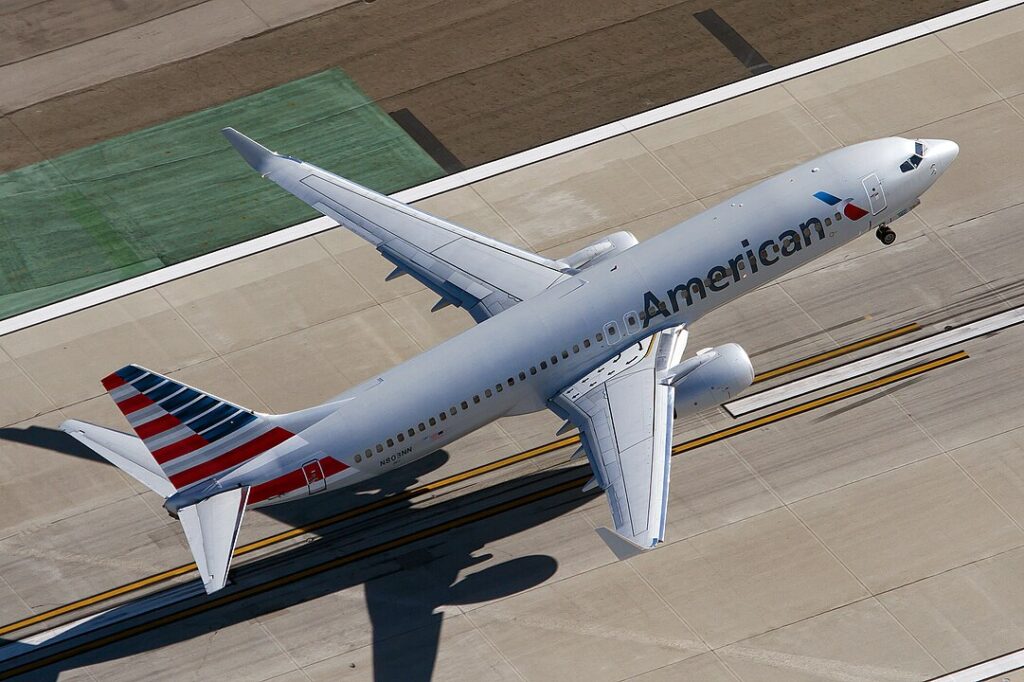
American 737 Returns to JFK
Shortly after departure from JFK, American Airlines Flight 1256 was instructed to climb and follow standard departure headings under New York Departure control on October 22, 2025. During the climb, the flight crew elected to level off at 11,000 feet to assess an emerging situation in the cabin.
The pilots informed air traffic control that they were dealing with pressurization issues. At the same time, several passengers seated in the rear of the aircraft began feeling unwell.
While no emergency was declared, the crew initiated applicable checklists and maintained close coordination with ATC while troubleshooting the issue.
After completing initial checks, the flight crew determined that continuing to Chicago was not advisable. The captain advised ATC that a return to JFK would be the safest course of action, citing both the pressurization system issue and reported passenger illness.
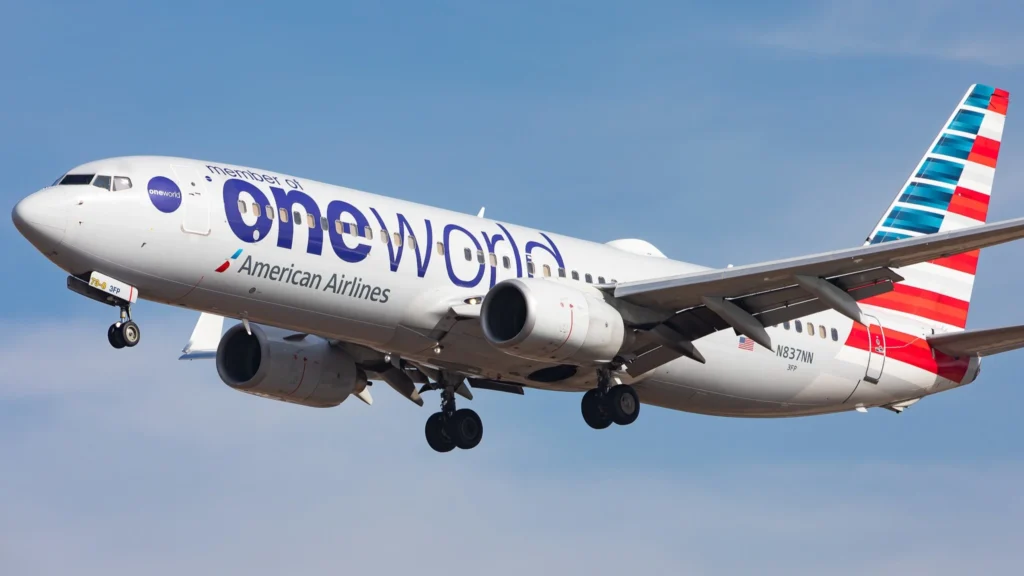
ATC Coordination and Approach Planning
Once the decision to return was confirmed, air traffic control obtained the required operational details, including the number of souls on board and fuel remaining. The crew reported 156 passengers and crew onboard with approximately 23,600 pounds of fuel.
Controllers coordinated vectors for an ILS approach to Runway 31R at JFK. During descent, the crew confirmed that the aircraft would land overweight by approximately 1,000 pounds. As a standard precaution, emergency crews were positioned along the runway before landing.
Weather conditions at the time included gusty winds, turbulence, and a wind shear advisory. Despite these factors, the approach remained stable, and the aircraft was cleared to land behind a departing Boeing 777.
ATC and AA Pilots Comms
Here’s a detailed transcription of communication between New York JFK ATC and American Airlines Pilots as flagged by You Can See ATC, provided by LiveATC.net:
Pilot: Departure, American 1256, 2,600, RNAV 4.
ATC: American 1256, radar contact. Turn left heading 090, maintain 5,000.
Pilot: Left 090, 5,000, American 1256.
{ts:22}
ATC: American 1256, climb to 17,000, up to 7,000.
Pilot: American 1256.
{ts:37}
ATC: American 1256, turn left heading 040.
Pilot: Left 040, American 1256.
ATC: Heading 010, American 1256.
{ts:49}
Pilot: Departure, 268. 010 on the heading and 2,800.
ATC: 268, American 1256.
{ts:58}
Pilot: American 1256, we’re going to have to level off here at 11,000 to look at a little situation.
ATC: American 1256, roger that. Just stay with me then. Turn right heading 090. Are you declaring an emergency?
Pilot: Oh no, not yet. 090 heading first.
{ts:78}
ATC: American 1256, turning 180.
Pilot: American 1256, turning 190.
{ts:94}
ATC: Right turn 190 for American 1256.
Pilot: American 1256, turning 200. How’s the check going?
Pilot: Uh, we’re almost done with the checklist here. We’ll let you know if we need to come back or not.
ATC: Roger.
{ts:113}
ATC: American 1256, turning 270.
Pilot: 270 for American 1256.
{ts:127}
ATC: 1256, heading 040.
Pilot: 040, American 1256.
{ts:140}
Pilot: New York, American 1256, I think we’re going to have to return to JFK.
ATC: Roger that, sir. What’s the situation?
Pilot: Uh, we had some pressurization issues, and then we got a couple of people in the back feeling a little bit sick. So best to come back.
{ts:151}
ATC: Souls on board and fuel in pounds?
Pilot: We have 156 souls on board and right now we have 23.6 lbs in the fuel and no hazmat. 23,600 lbs of fuel.
{ts:164}
ATC: Yes sir, roger that. American 1256, you can expect ILS 31 right approach, heading 130.
Pilot: Okay, expecting 31 right and turn right to 130.
ATC: Right turn to 130 for American 1256. Descend to 10,000, altimeter 29.74.
Pilot: Down to 10,000, 29.74 for American 1256.
{ts:198}
ATC: American 1256, just want to verify, is this going to be an overweight landing?
Pilot: 84 for American 1256, we’ll be overweight by 1,000 lbs.
{ts:212}
ATC: American 1256, turn right heading 190, maintain 9,000.
Pilot: 190, 9,000 for American 1256.
{ts:232}
ATC: American 1256, heading 280, maintain 3,000, cleared ILS 31 right.
Pilot: 280, 3,000, cleared for ILS 31 right, American 1256.
ATC: Kennedy Tower 119.1.
Pilot: 119.1, American 1256.
{ts:252}
Pilot: Kennedy Tower, American 1256 on the ILS for 31 right.
ATC: 1256, emergency equipment will be standing by. Wind 260 at 22 gust 25, caution wind shear, turbulence. You’re following a heavy Triple Seven, runway 31 right, cleared to land.
Pilot: Cleared to land, 1256.
{ts:271}
ATC: Traffic off, that’s going to be above you off your 9-12 o’clock there and 3 miles, northbound is a 421 at 3,500. Looking for traffic?
Pilot: Mayday, 56, whiskey whiskey.
{ts:305}
ATC: Continue on Bravo. Do you require any further assistance?
Pilot: Whiskey whiskey Bravo, negative, American 1256.
ATC: Roger. Taxi left on Uniform and then right Alpha to the ramp. On Alpha, you can monitor ground control 121.9.
Pilot: Can you repeat that?
ATC: No problem. Left on Uniform and then right on Alpha, taxi to the ramp and monitor ground on 121.9.
Pilot: Left Uniform, right Alpha, 121.9.
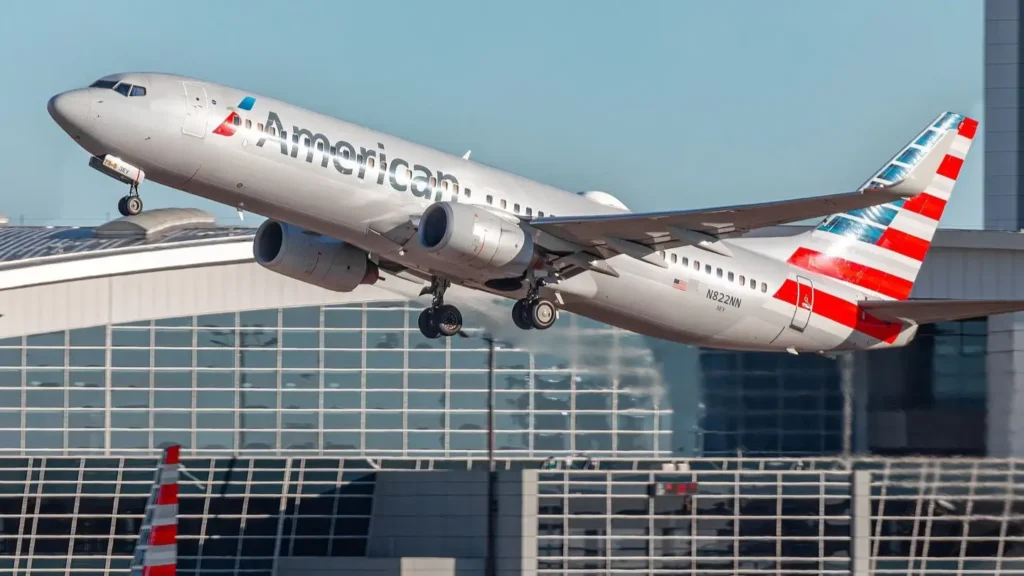
Safe Landing and Taxi to Gate
American Airlines Flight 1256 landed safely on Runway 31R with emergency equipment standing by. No mayday was declared, and the crew did not request medical or operational assistance after landing.
Following rollout, air traffic control issued taxi instructions directing the aircraft to the ramp via Uniform and Alpha taxiways. The flight then taxied normally and monitored ground control, concluding the incident without further complications.
Pressurization irregularities, while uncommon, are treated with high priority due to their potential impact on passenger comfort and safety. Flight crews are trained to manage such scenarios conservatively, particularly when passengers exhibit physical symptoms.
In this case, the decision to return early limited operational risk and ensured timely ground-based support if required. There were no reports of injuries following the landing.
Stay tuned with us. Further, follow us on social media for the latest updates.
Join us on Telegram Group for the Latest Aviation Updates. Subsequently, follow us on Google News
