

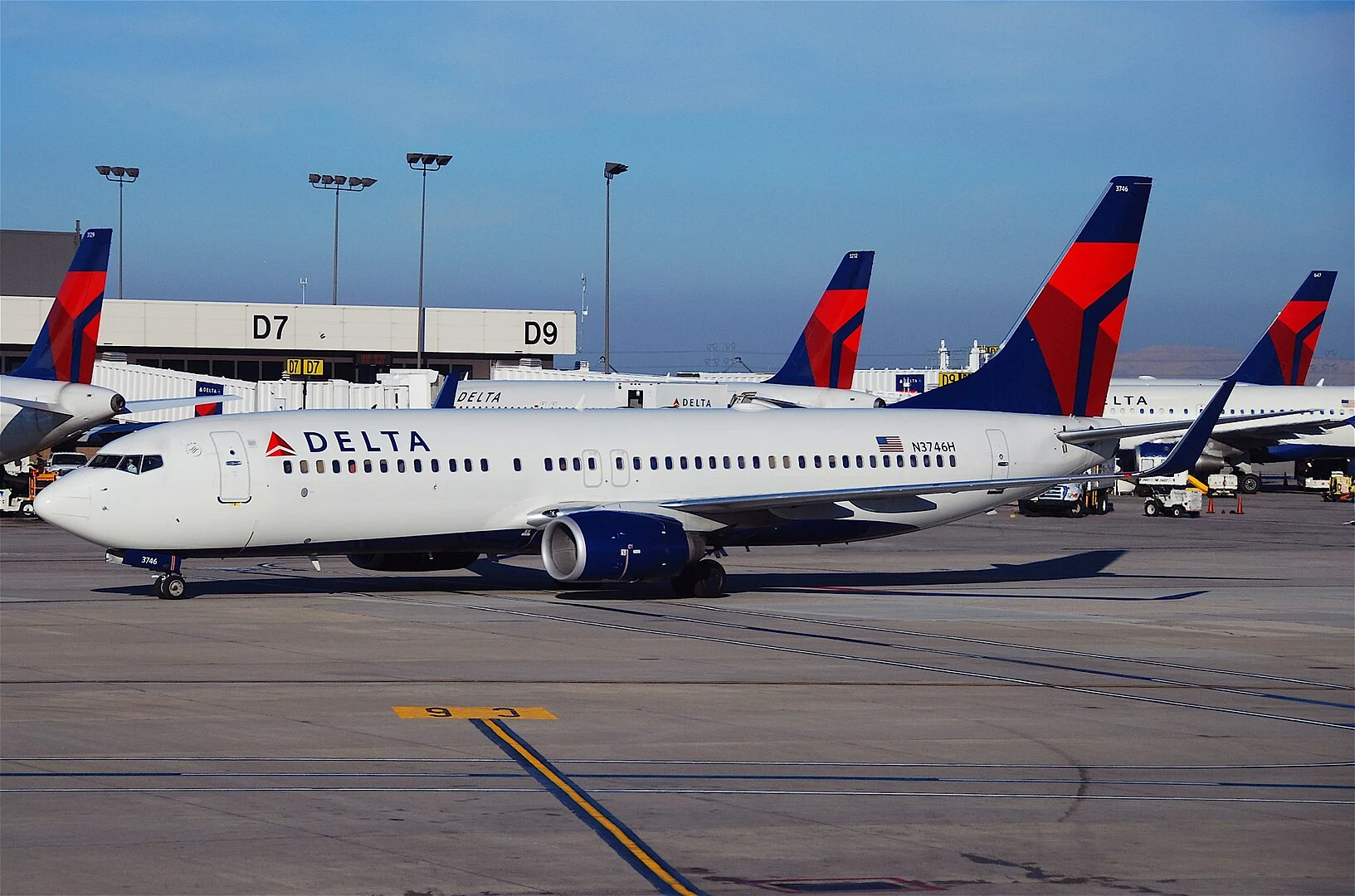
ATLANTA- Delta Air Lines (DL) faces mounting operational strain as freezing weather grips its Atlanta Hartsfield–Jackson hub (ATL) amid ongoing FAA-mandated flight reductions. The combined pressure from air traffic staffing shortages and winter storms has experts warning that the carrier may be approaching a critical point.
Over the weekend, Delta recorded the highest number of cancellations among U.S. airlines, cutting hundreds of flights and delaying thousands more. Analysts say the coming days will test the airline’s ability to stabilize operations and protect its long-held reputation for reliability.
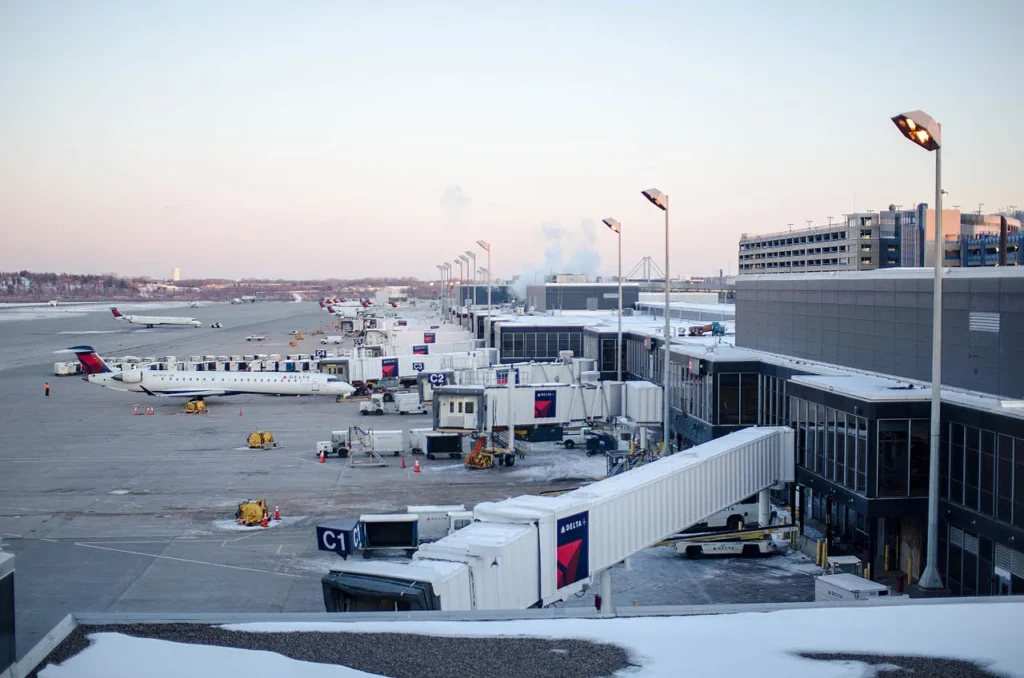
Delta’s Winter Turbulence and FAA Flight Reductions
Industry experts have cautioned that Delta Air Lines could be just “inches away” from a full-scale operational breakdown. According to data from FlightAware, the airline canceled 586 flights—about 16% of its Sunday schedule—and delayed more than 1,300 additional departures.
These disruptions were driven by a mix of freezing conditions at Atlanta Hartsfield–Jackson International Airport (ATL) and nationwide Air Traffic Control (ATC) staffing shortages.
While Delta forecasts a swift recovery, analysts remain skeptical. The ‘Flighty’ tracking platform suggested a 50% likelihood of a complete Delta meltdown and a 15% risk of broader U.S. airspace disruption.
The airline’s key challenge lies in repositioning flight crews overnight to ensure the Monday morning “first wave” of departures launches smoothly.
Delta has already canceled up to 10% of its flights through November 11, in line with Federal Aviation Administration (FAA) directives to ease pressure on the overstretched ATC network.
However, these proactive cuts may only represent an early phase of broader disruptions. Delta acknowledged that “compounding constraints” from staffing shortages could trigger last-minute cancellations and delays across its network.
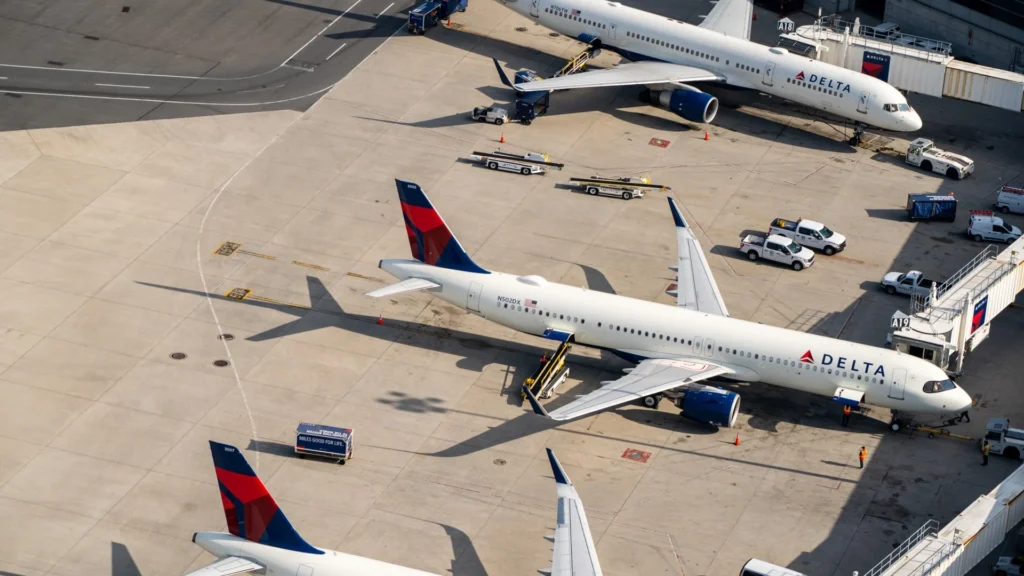
FAA’s Directive Adds More Pressure
Transportation Secretary Sean Duffy recently announced what he called a “safety-driven, data-driven decision” to temporarily reduce flight volumes nationwide.
Yet, this policy has had unintended consequences, with even more ATC controllers failing to report for duty. Duffy has since warned that, if federal operations do not stabilize soon, flight cancellations could rise to as much as 20%.
These ATC shortages have rippled across the country, affecting not just Delta but multiple U.S. carriers that rely heavily on precise coordination within the national airspace system. Delta’s situation is especially precarious due to its concentration of flights through Atlanta, one of the world’s busiest hubs.
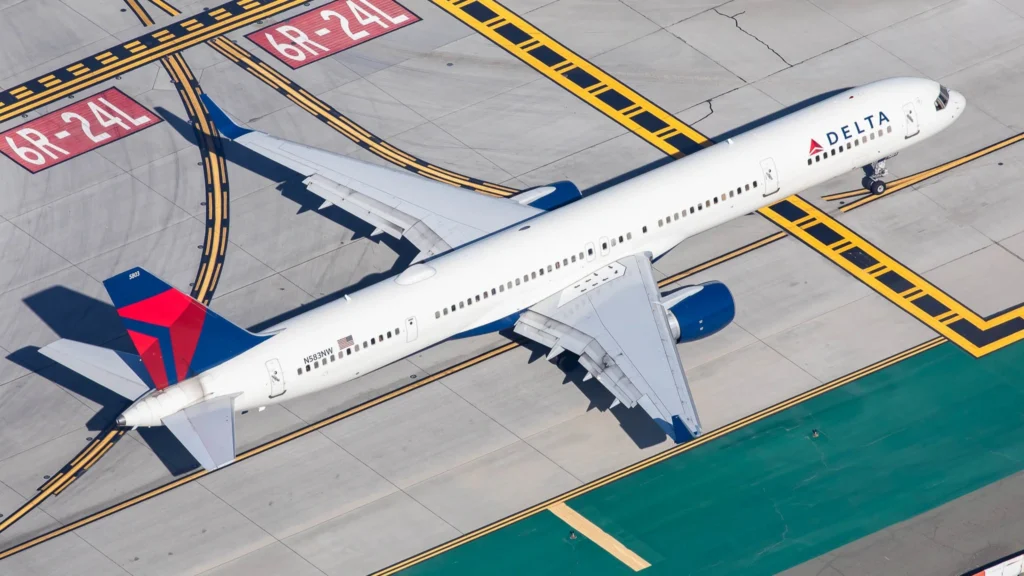
Legacy of Operational Strain
Delta’s current struggles come on the heels of a major setback last July when the CrowdStrike IT outage disrupted several airlines’ operations.
While most competitors recovered within hours, Delta’s systems and crew scheduling tools lagged, causing prolonged turmoil. Over five days, the airline canceled 7,000 flights, incurring an estimated $500 million loss.
The same vulnerabilities—crew positioning, IT dependency, and hub congestion—are once again under scrutiny. This winter’s challenges could further test Delta’s ability to recover swiftly and maintain customer trust.
Passenger Impact and Airline Response
In recent days, Delta informed passengers via email that it would not reimburse hotel stays, rental cars, or meal expenses tied to FAA-related flight cancellations or delays.
The airline maintains that these disruptions fall under federal operational mandates, not internal mismanagement.
Still, for travelers, the experience remains the same: canceled flights, crowded terminals, and limited rebooking options. With winter weather only beginning, analysts say Delta’s performance in the coming week may determine whether the airline averts—or succumbs to—a full operational crisis.
Stay tuned with us. Further, follow us on social media for the latest updates.
Join us on Telegram Group for the Latest Aviation Updates. Subsequently, follow us on Google News
