

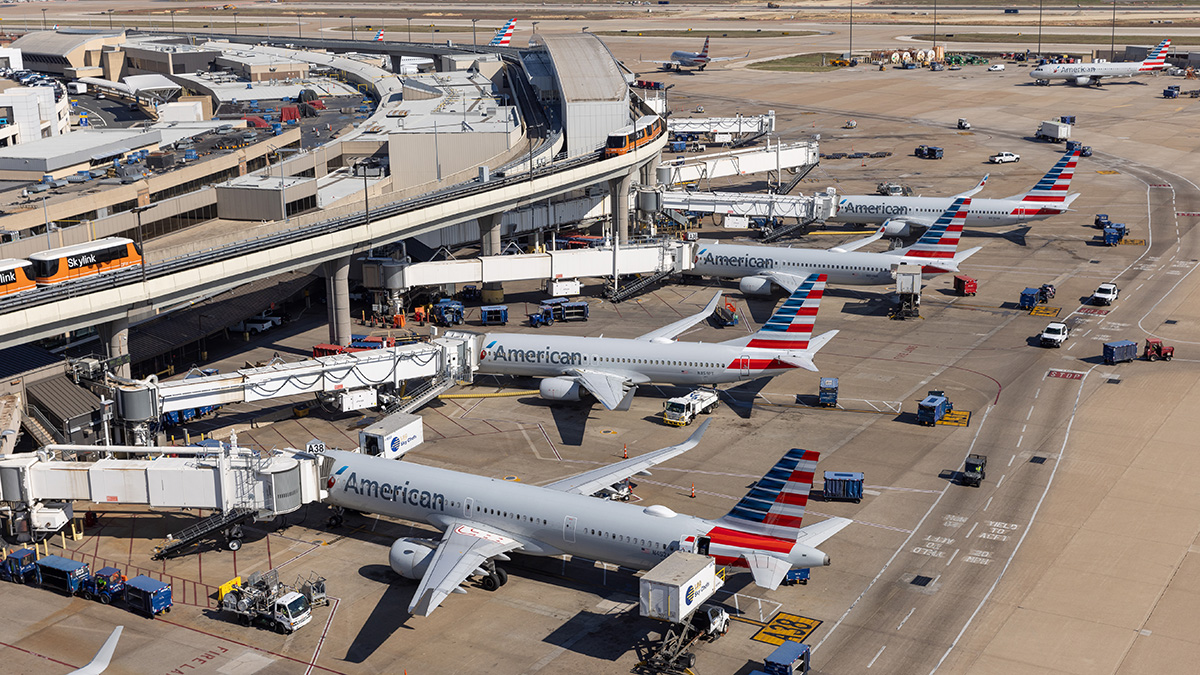
FORT WORTH- American Airlines (AA) operates a fleet of more than 1000 aircraft as of September 2025. AA achieved a major fleet milestone on August 29, 2025, when the airline formally took delivery of its 1,000th mainline aircraft, a Boeing 787-9 Dreamliner fitted with its new Flagship Suite premium cabin.
This marks a symbolic moment in the airline’s history as it nears its centennial, and underscores the ongoing fleet renewal strategy aimed at modernizing its wide-body and narrow-body fleets while expanding premium service.
Today, American blends a large number of Airbus narrow-bodies and Boeing narrow-body/wide-body jets. Many of its newer aircraft include advanced premium seating, updated interiors, and more efficient engines.
Orders granted in recent years are aligned with replacing older airframes, increasing capacity, improving passenger comfort, and preparing for future growth. Below is a detailed look at what constitutes American’s current mainline fleet, what is on order, and key announcements/delivery timelines.
American Airlines Fleet in 2025
Narrowbody Fleet
American Airlines maintains the largest narrowbody fleet in the world, and it forms the backbone of the carrier’s domestic and short-haul international network.
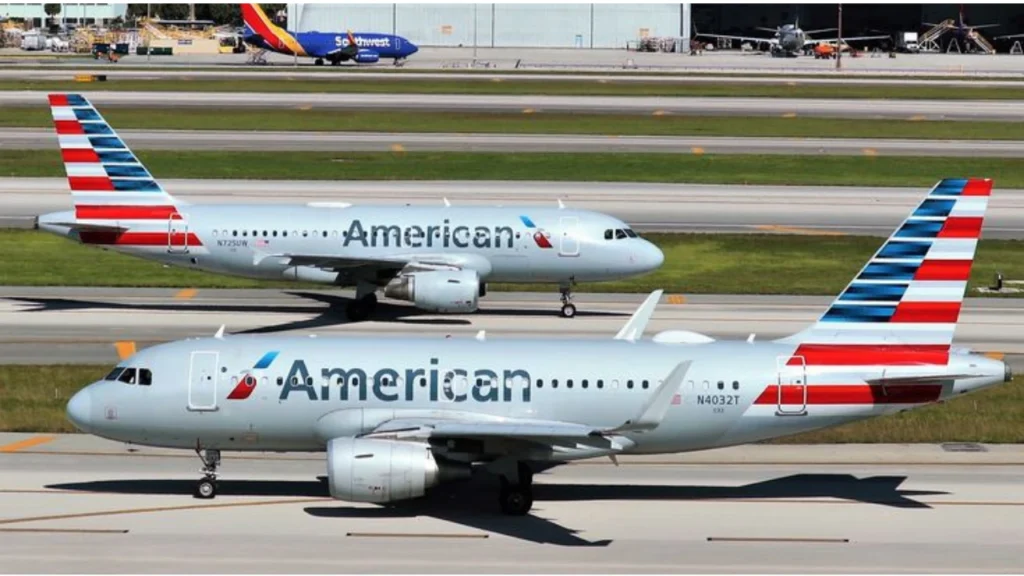
The Airbus A319-100 remains an important part of the fleet, with 132 aircraft in service. American is the largest operator of this type, and the jets are currently undergoing a retrofit to increase the number of premium “Domestic First” seats. Despite their age, they continue to serve efficiently across U.S. domestic routes and shorter flights.
The Airbus A320-200 fleet consists of about 48 aircraft. These older “ceo” models are gradually approaching retirement, but they continue to fill vital roles in domestic and near-international sectors. American has no additional A320ceo on order, meaning their role will decline as new-generation aircraft arrive.
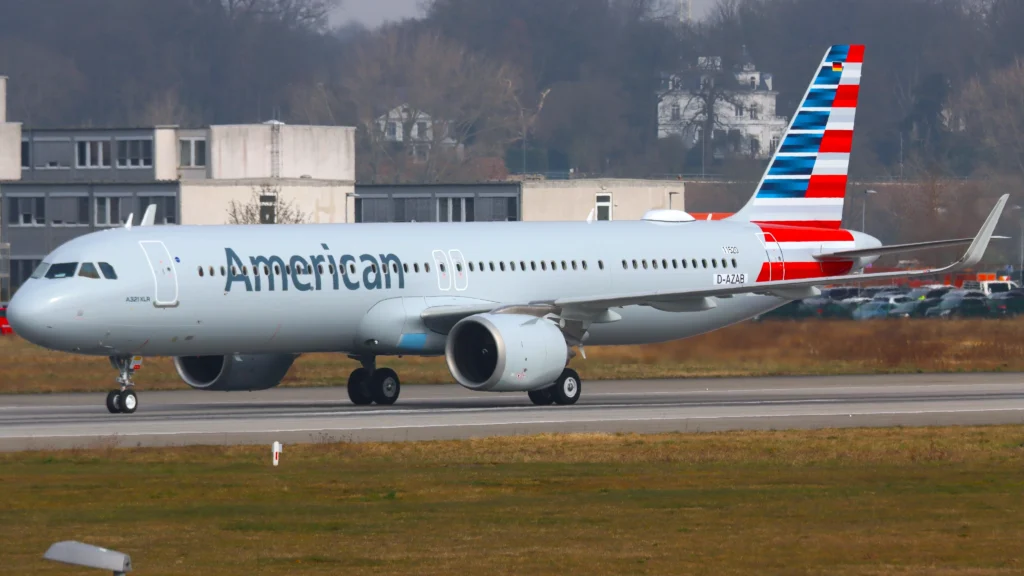
The Airbus A321-200 is one of the airline’s most significant assets, with roughly 203 aircraft in service, making American the largest operator of the type worldwide. These aircraft are versatile, deployed on both standard domestic flights and premium-heavy transcontinental services. American is moving toward standardizing the configurations as part of its ongoing cabin retrofit program.
The Airbus A321neo fleet has grown to 74 aircraft in service, with 96 more on order following a major purchase in March 2024 that included approximately 85 additional units. Some of the fleet also consists of aircraft that were formerly operated by Alaska Airlines. Deliveries will continue well into the 2030s, solidifying the A321neo as the future backbone of the narrowbody fleet.
American also took delivery of its first Airbus A321XLR in 2025, marking a new era for long-range narrowbody operations. The airline has one in service and 49 more on order, with deliveries running through the decade. The A321XLR will allow American to operate thinner long-haul routes more economically, bridging the gap between domestic and international operations.
Boeing Narrowbody Fleet
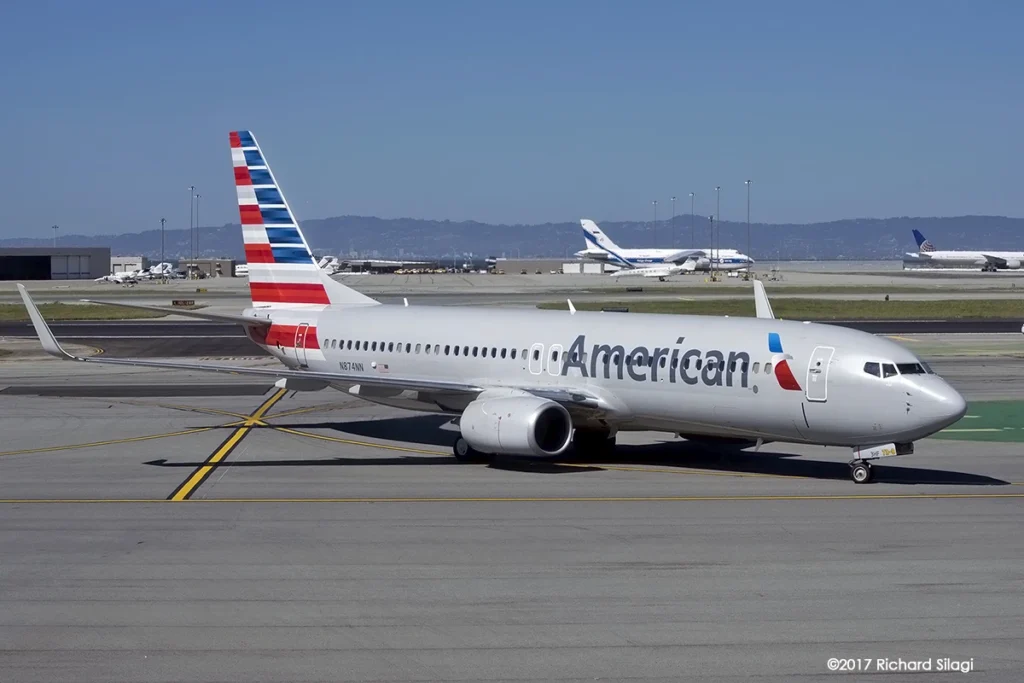
Alongside its Airbus fleet, American continues to rely heavily on Boeing narrowbodies. The Boeing 737-800, with about 303 aircraft still in service, remains the backbone of short-haul flying. While aging, these jets continue to dominate American’s schedules and are likely to remain in service for several more years until replacements arrive in larger numbers.
The Boeing 737 MAX 8 now numbers around 79 aircraft in service, with an additional 21 pending delivery. These aircraft offer improved fuel efficiency and are central to American’s ongoing fleet renewal strategy.
Looking ahead, the Boeing 737 MAX 10 represents one of the most important parts of American’s future narrowbody fleet. While none are yet in service, the airline has placed orders for 115 aircraft, with deliveries expected to begin in 2026. These higher-capacity aircraft will be ideal for high-demand domestic routes and certain short international markets.

Widebody Fleet
American Airlines continues to operate a diverse widebody fleet, used primarily for long-haul international services across the Atlantic, Pacific, and to South America.
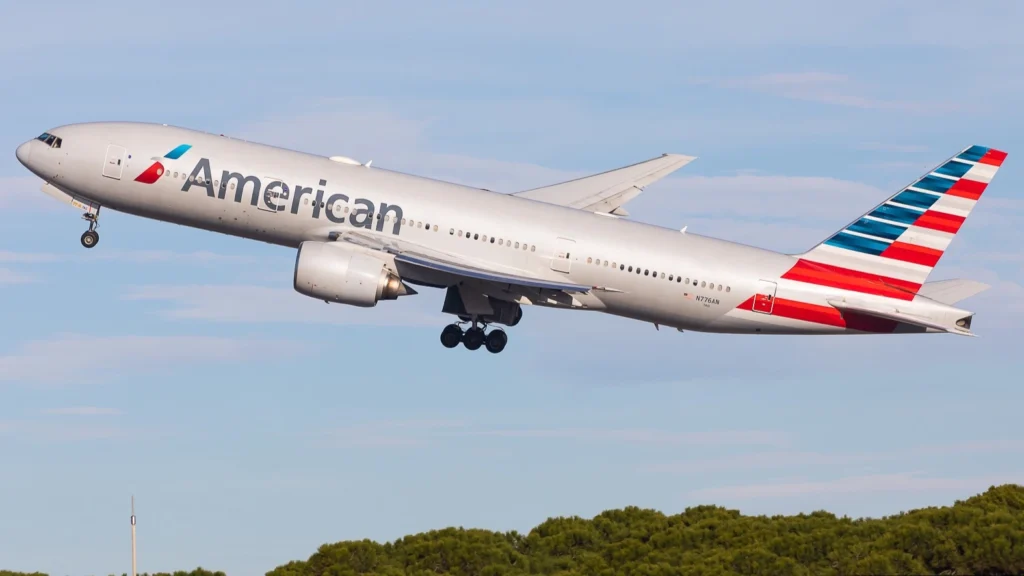
The Boeing 777-200ER remains a workhorse, with around 47 aircraft in service. While some are approaching retirement, they continue to operate on a mix of international and high-capacity domestic routes. Many are being refitted with American’s new Flagship Suite product, ensuring they remain competitive until newer aircraft gradually take over.
The larger Boeing 777-300ER fleet includes 20 aircraft, primarily deployed on the busiest international routes such as London, São Paulo, and Tokyo. These jets are also undergoing cabin retrofits to align with American’s premium-focused strategy, offering upgraded suites and interiors for long-haul travelers.
The Boeing 787-8 Dreamliner fleet currently stands at about 37 aircraft, making American one of the largest operators of this variant. The 787-8 plays an important role on long-haul routes where demand is steady but doesn’t justify the larger 777-300ER.
The Boeing 787-9 fleet has expanded to 22 aircraft, with additional units arriving in 2025, including American’s 1,000th mainline aircraft, a milestone celebrated in August of this year. Deliveries are ongoing, with roughly 30 more on order, and these aircraft represent the latest generation of American’s international product. The 787-9s are being delivered with new premium cabins and interiors designed to compete strongly in the transatlantic and transpacific markets.
American also has future orders for the Boeing 737 MAX 10 and additional widebodies, but its 2025 fleet strategy is clearly centered on growing the 787 family while gradually reducing reliance on older 767s (now retired) and eventually modernizing the 777-200ER fleet.
Fleet Size, Average Age
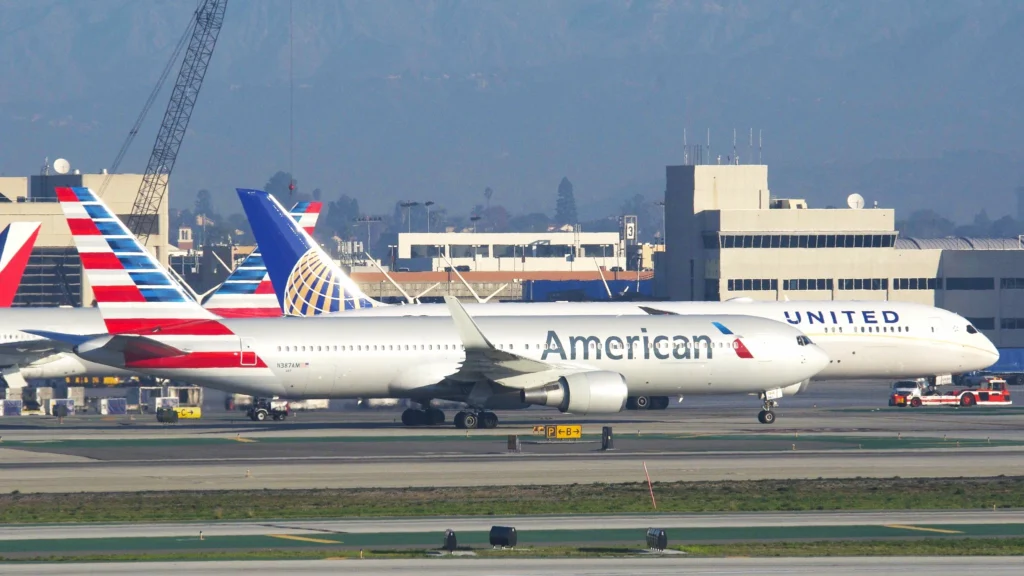
With the addition of the 1,000th aircraft, American Airlines now operates just over 1,000 mainline aircraft, reinforcing its place among the very largest airline fleets globally.
The average age of the mainline fleet is in the mid-teens (14-15 years range). Older narrow-body aircraft (A319s, older A320ceos) are in the later stages of their lifecycle.
Bottom Line
With the 1,000th mainline aircraft now delivered, American Airlines has both reached a symbolic threshold and set in motion an accelerated modernization effort.
The fleet composition emphasizes a mix of narrow-body aircraft (A319, A320, A321 families, and 737 fleets) that serve domestic and short/medium international routes, paired with newer wide-body long-haul aircraft like the 787-9 that enhance premium offerings and enable further global connectivity.
Looking forward, the large order backlog (hundreds of aircraft, especially A321neo, 737 MAX 10, and 787-9s) shows that American does not view this milestone as an endpoint but as a foundation for continued growth. Retrofitting and replacing older aircraft improve fuel efficiency, cost structure, and passenger comfort—critical in an increasingly competitive global aviation market.
As deliveries unfold through 2026 and beyond, expect to see more premium cabins, longer-range narrow-body service (via A321XLR), and gradual retirements of legacy types. In short, American Airlines’ fleet in mid-2025 is not just large, it’s evolving.
Stay tuned with us. Further, follow us on social media for the latest updates.
Join us on Telegram Group for the Latest Aviation Updates. Subsequently, follow us on Google News.
