

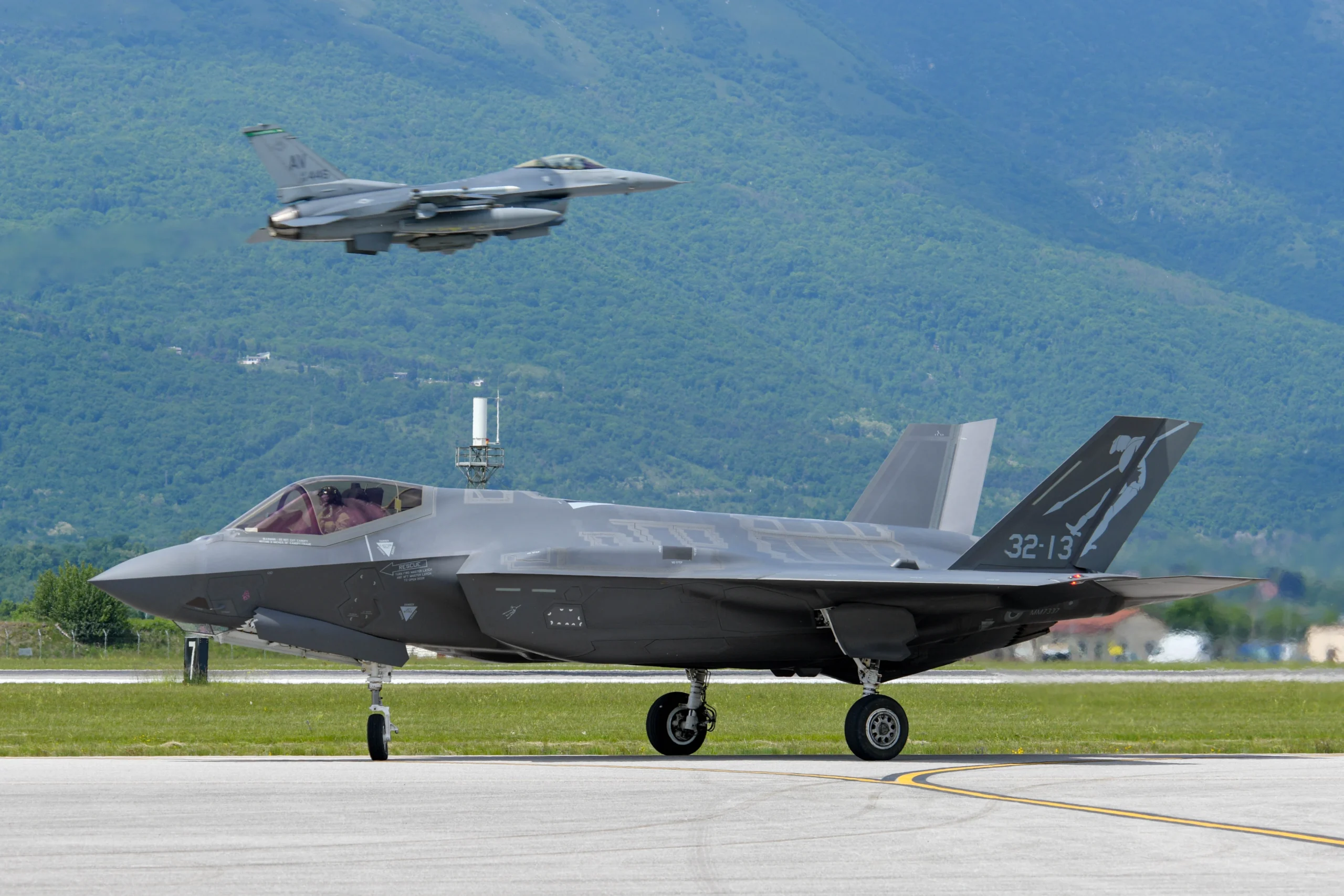
JAPAN— Japan is strengthening its role in the Global Combat Air Programme (GCAP) as it prepares for the next generation of air combat.
The sixth-generation fighter programme, developed jointly with the United Kingdom and Italy, is designed to give Tokyo greater control over aircraft technology, weapons integration, software development and future upgrades.
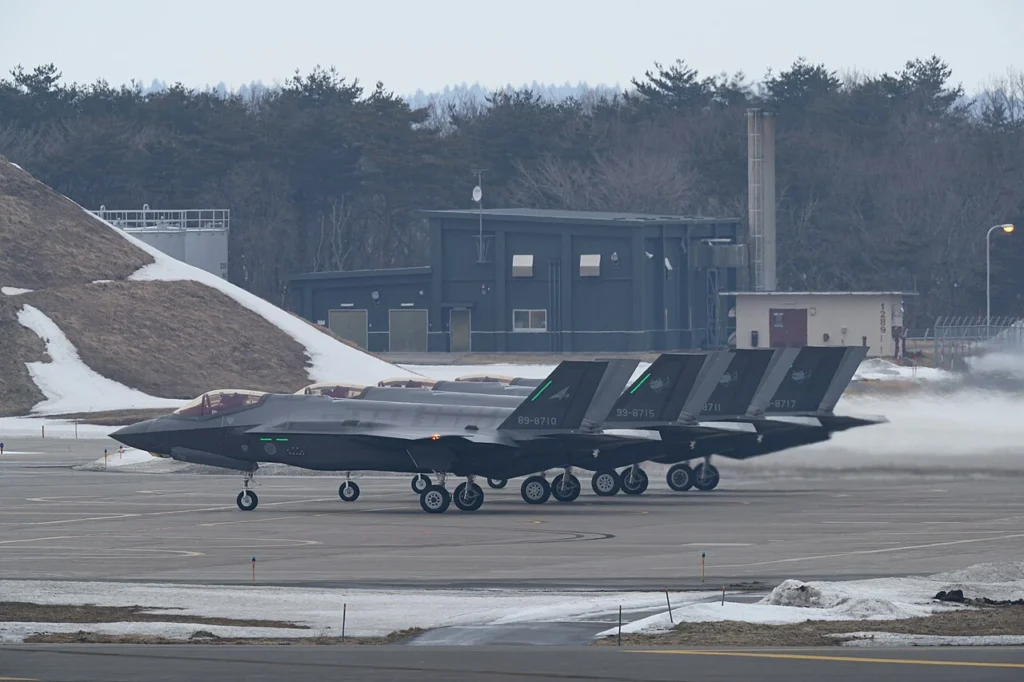
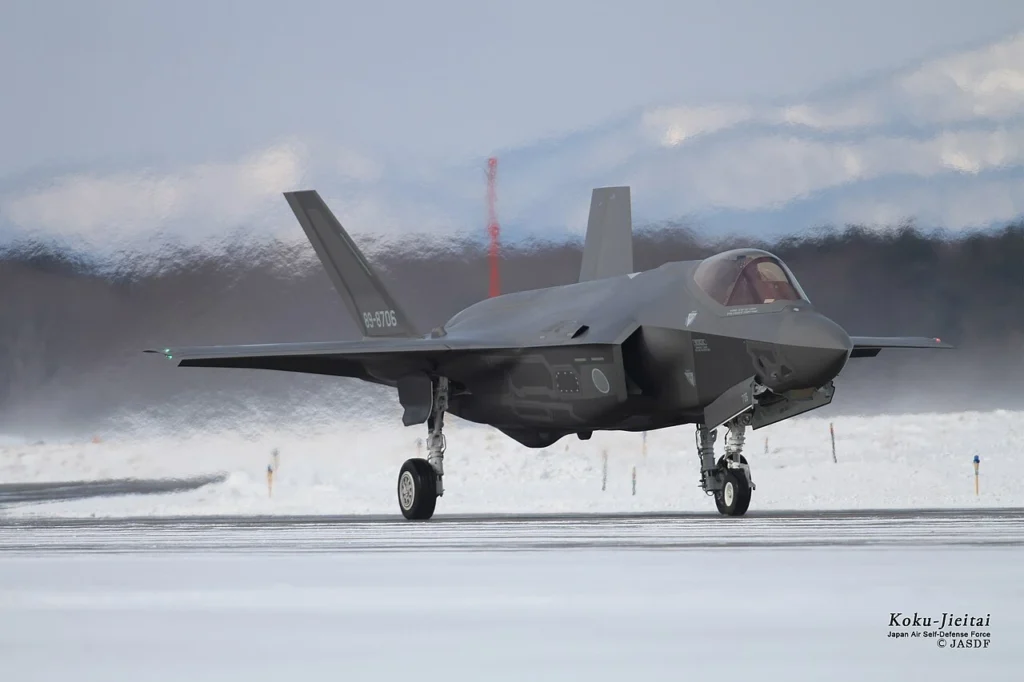
The move does not mean Japan is stepping away from the F-35 programme. The Japan Air Self-Defense Force plans to operate 147 F-35 fighters, including 105 F-35As and 42 F-35Bs, while GCAP is being developed as a future combat platform targeted to enter service in 2035.
GCAP will also combine advanced sensors, artificial intelligence, communications and uncrewed aircraft capabilities, giving Japan a broader role in shaping its future airpower.
Japan’s F-35 Access Limits and Restrictions
The F-35 has become a central part of Japan’s modern air-defense structure, providing stealth, advanced sensors, and networked combat capabilities.
However, the aircraft’s tightly controlled software and weapons architecture mean international operators do not have unlimited freedom to modify the fighter.
According to the source material, F-35 partner nations require approval from U.S. authorities and Lockheed Martin for areas including software updates, source-code access, and integration of domestically developed weapons.
A Japanese official cited in the source said the inability to independently integrate weapons has created restrictions and could lead to delays when Japan requests changes.
That issue becomes more important as Japan develops capabilities designed specifically for its own regional security requirements.
Tokyo wants its future fighter to evolve with Japanese weapons, sensors, and mission systems without depending on another country for every major modification.
Israel is identified in the source material as a unique exception because its F-35I Adir has been adapted to accommodate domestic weapons.
Japan, however, has chosen to pursue greater technological independence through a separate sixth-generation programme rather than relying solely on modifications to its F-35 fleet.

Japan Builds GCAP Sixth-Generation Fighter
GCAP was created by combining Japan’s F-X fighter project with the UK-led Tempest programme and Italy’s participation.
The three countries are developing a common sixth-generation combat aircraft intended to replace Japan’s Mitsubishi F-2 and the Eurofighter Typhoon operated by the European partners.
The programme has moved beyond an initial political agreement and into major industrial development.
In July 2026, Japan, the UK and Italy awarded a roughly $6.1 billion contract to advance GCAP development, reinforcing the partners’ commitment to the programme and its 2035 target.
The industrial structure is also expanding. Edgewing, the joint venture involving Japan’s Japan Aircraft Industrial Enhancement, BAE Systems and Leonardo, is responsible for delivering the aircraft programme, while companies from all three countries are working on major technologies.
Japan’s Mitsubishi Electric is preparing three new facilities to support GCAP electronics production, highlighting the transition from early design work toward industrial-scale development.
Reuters reported that the company expects GCAP-related activity to begin contributing to its profits around fiscal 2029 or 2030.
Greater Fighter Control and Independence
GCAP is designed as more than a conventional fighter aircraft, with the programme aiming to create a highly connected combat system that links a crewed sixth-generation fighter with uncrewed combat aircraft, advanced sensors and other assets across multiple operational domains.
The aircraft is expected to serve as a central airborne platform, coordinating uncrewed collaborative combat aircraft while processing large volumes of information through advanced sensors, communications and artificial intelligence.
A key part of this architecture is the Integrated Sensing and Non-Kinetic Effects and Integrated Communications Systems (ISANKE & ICS), which is intended to combine sensing, communications and electronic effects within a wider combat network.
Japan is also playing a major role in propulsion and electronics development, with IHI working alongside Rolls-Royce and Italy’s Avio Aero on the power and propulsion system, while Mitsubishi Electric is working with Italian and British companies on advanced sensing and communications technologies.
For Tokyo, this structure provides an opportunity to shape the fighter from the beginning while sharing the enormous development costs with two European partners.
Although the multinational approach can reduce financial pressure and combine specialist expertise, it also creates challenges involving technology sharing, intellectual property, work allocation, budgets and national priorities.
Despite these complexities, GCAP remains targeted for 2035, giving Japan a future platform designed to complement its F-35 fleet while providing greater influence over critical technologies, weapons integration, and future upgrades, the EurAsian Times reported.
Stay tuned with us. Further, follow us on social media for the latest updates.
Join us on Telegram Group for the Latest Aviation Updates. Subsequently, follow us on Google News


.jpg)