

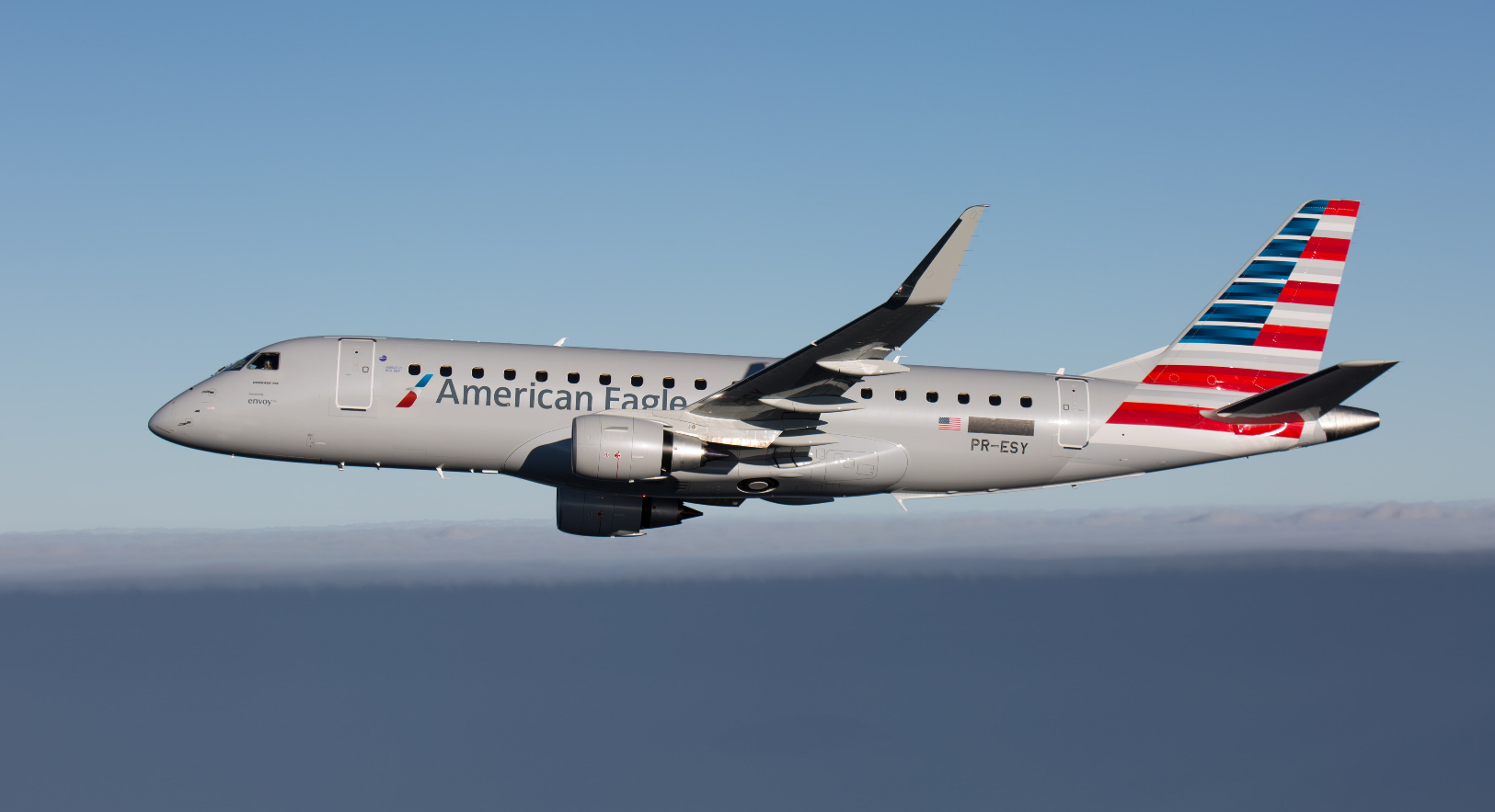
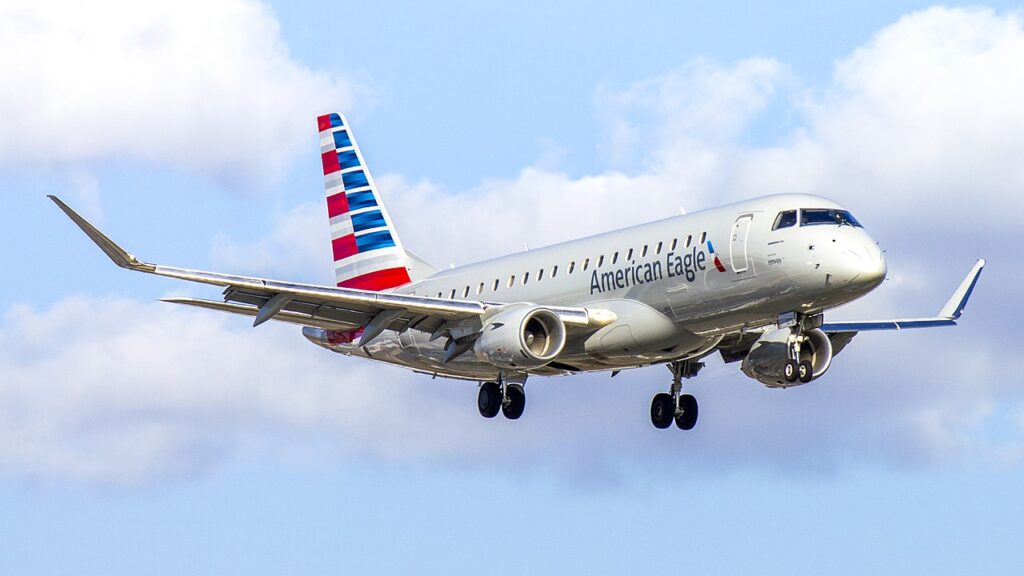
FORT WORTH- American Airlines (AA), through its wholly owned subsidiary Envoy Air (MQ) under the American Eagle brand, operated Flight AA 3927 from Dallas Fort Worth(DFW) to Lexington (LEX) on August 11, 2026.
The Embraer E175LR regional jet diverted first to Louisville (SDF) after severe thunderstorms disrupted the approach to Lexington, then abandoned 2 approaches at Louisville before declaring a fuel emergency and diverting to Evansville (EVV). The aircraft landed safely after about 3 hours in the air.
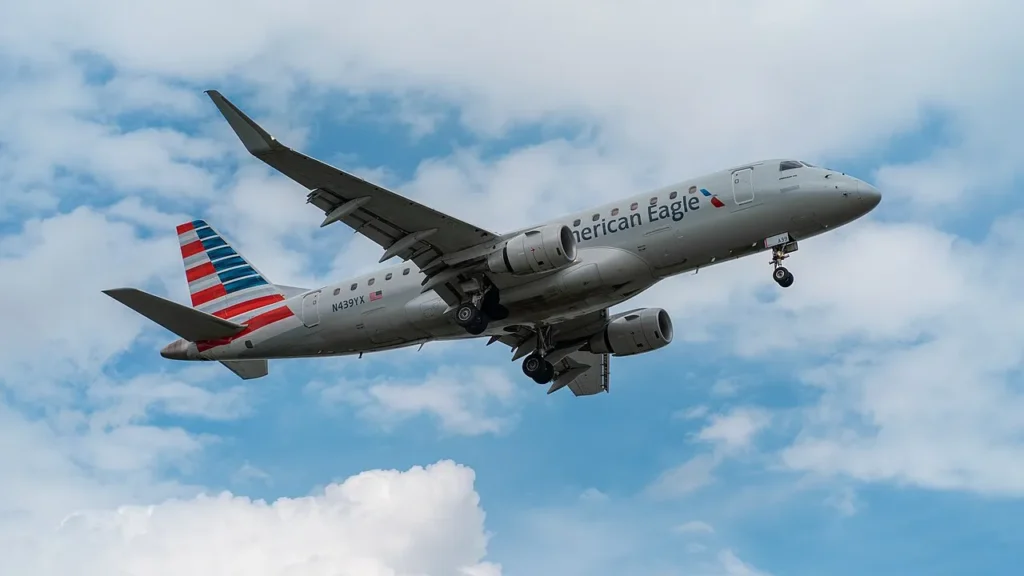
American Eagle Flight Divert After 3 Failed Approaches
American Airlines (AA) Flight AA 3927 departed Dallas Fort Worth at about 2:09 PM on August 11 for a scheduled 2-hour flight to Lexington.
Envoy Air operated the flight under the American Eagle brand using an Embraer E175LR registered as N285NN. The aircraft can carry up to 76 passengers and around 3 crew members.
As the aircraft approached Lexington, severe thunderstorms affected conditions across the airport. The pilots discontinued the approach at about 2,200 feet because the weather made a landing unsuitable.
Rather than attempt another approach at Lexington, the crew diverted immediately toward nearby Louisville.
The weather situation changed quickly. By the time the aircraft reached Louisville, thunderstorms were also affecting the area around the airport.
According to FlightRadar24 data cited by PYOK, the aircraft flew toward Louisville’s Runway 35R and descended to below 600 feet before the crew abandoned the approach. The aircraft then climbed back to about 4,000 feet after air traffic control instructed the pilots to go around.
The crew made a second approach at Louisville using the parallel Runway 35L. The aircraft descended to approximately 1,500 feet before the pilots again discontinued the approach because heavy rain and reduced visibility made conditions unsuitable for landing.
This was the third abandoned approach of the flight, following the initial attempt at Lexington and 2 attempts at Louisville. The repeated approaches and diversions extended the flight well beyond its planned schedule.

Limited Fuel Led to Emergency Declaration
By the time the third approach was abandoned, the aircraft had been airborne for about 2 hours and 40 minutes. That was more than 30% longer than the scheduled 2 hour flight.
Flight AA 3927 had therefore spent substantial additional time in the air because of the weather diversions and repeated landing attempts.
Commercial flight planning includes fuel for expected delays, alternate airports and other operational requirements. However, 3 unsuccessful approaches at 2 airports created an unusual sequence that extended the flight well beyond its original plan.
Reports indicated that the aircraft had approximately 30 minutes of fuel remaining when the crew declared a fuel emergency. The pilots then used transponder code 7700 to indicate an emergency, and air traffic control directed the aircraft toward Evansville Regional Airport in Indiana.
The aircraft landed safely at Evansville after about three hours in the air. The diversion provided the crew with another suitable landing option after the weather prevented a safe arrival at Lexington and then at Louisville.
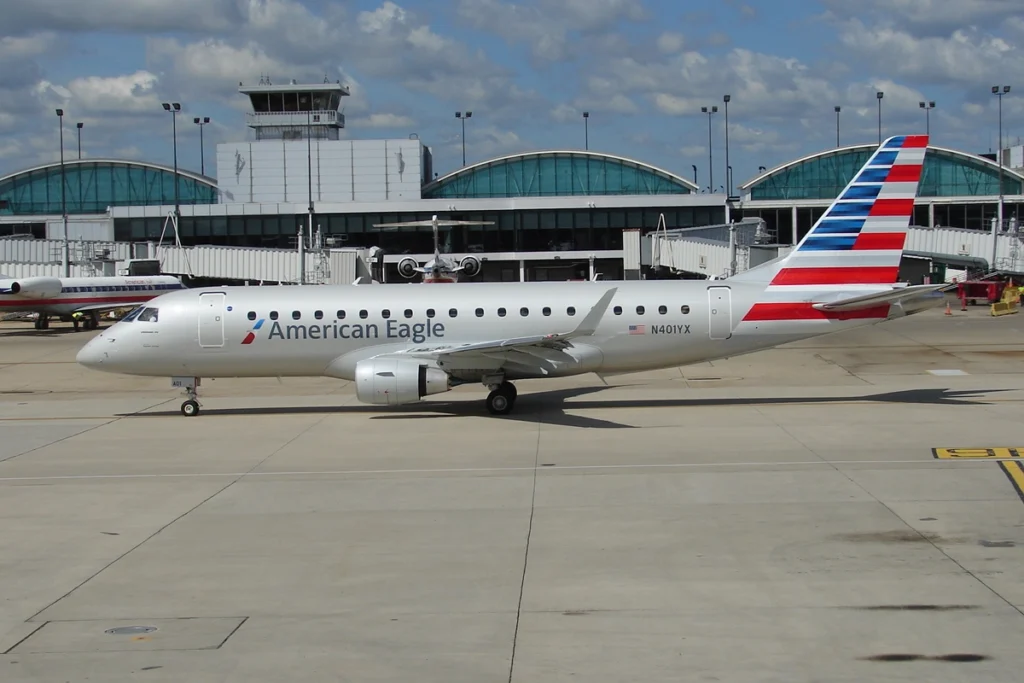
Fuel Emergency Means for Flight
A fuel emergency does not automatically mean that an aircraft is about to lose power or fall from the sky. It indicates that the crew considers the remaining fuel situation serious enough to require prompt assistance and priority handling from air traffic control.
FAA procedures distinguish between urgency and distress situations. A pilot experiencing an urgency condition can use the signal “PAN-PAN,” while a distress condition calls for “MAYDAY.”
Pilots can also provide air traffic control with information including the nature of the problem, intentions, requested assistance, and fuel remaining.
Code 7700 is the standard civil transponder emergency code. It alerts air traffic control that an aircraft is experiencing an emergency, but the code itself does not identify the specific nature of the emergency.
In the case of AA 3927, the reported fuel emergency followed three abandoned approaches and an extended period of flight caused by severe weather.
The emergency declaration allowed air traffic control to treat the aircraft as an emergency and help the crew reach a suitable airport without unnecessary delay.
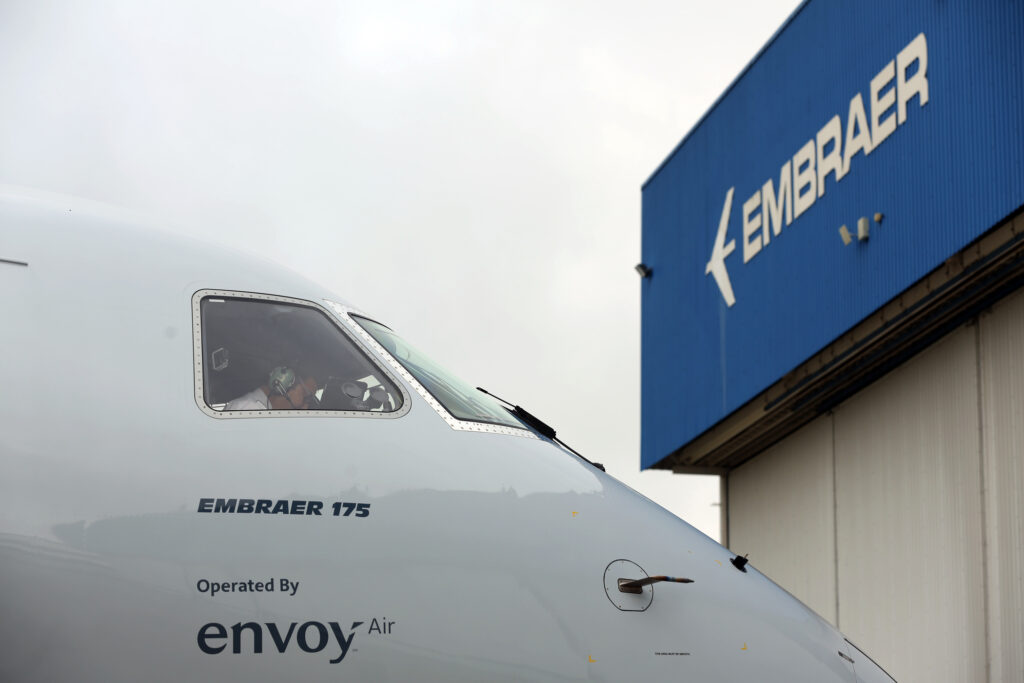
Why Airlines Do Not Fill to Maximum Fuel Capacity
Airlines do not normally load the maximum possible amount of fuel before every flight. Extra fuel adds weight to the aircraft, and carrying unnecessary weight increases fuel consumption.
Instead, flight planning balances the expected fuel required for the route with regulatory and operational reserves, including the possibility of holding, using an alternate airport or diverting because of weather.
Pilots and dispatchers must account for conditions that could increase fuel use while also avoiding unnecessary weight.
That balance becomes more difficult when weather conditions deteriorate after departure. A flight can begin with fuel planned for expected operational scenarios and later require additional time because of holding, missed approaches or a diversion.
Each additional maneuver consumes fuel and reduces the remaining options for another landing attempt.
The AA 3927 incident illustrates why crews must continuously reassess weather, airport conditions and fuel status during a flight.
The original plan called for a routine 2 hour trip to Lexington, but severe thunderstorms resulted in 3 abandoned approaches across 2 airports before the crew declared a fuel emergency and selected Evansville as the final diversion airport.
Safe Landing at Evansville
Despite the prolonged flight and repeated approach failures, Flight AA-3927 ultimately landed safely at Evansville Regional Airport.
The sequence shows how pilots can discontinue an approach when weather conditions are unsuitable, divert to another airport, and escalate the response when remaining fuel becomes a critical operational consideration.
The incident also highlights the role of air traffic control in supporting aircraft experiencing emergencies. Once the crew declared the fuel emergency and transmitted the emergency code, ATC directed the aircraft toward Evansville, where the flight completed its journey safely.
Stay tuned with us. Further, follow us on social media for the latest updates.
Join us on Telegram Group for the Latest Aviation Updates. Subsequently, follow us on Google News
