

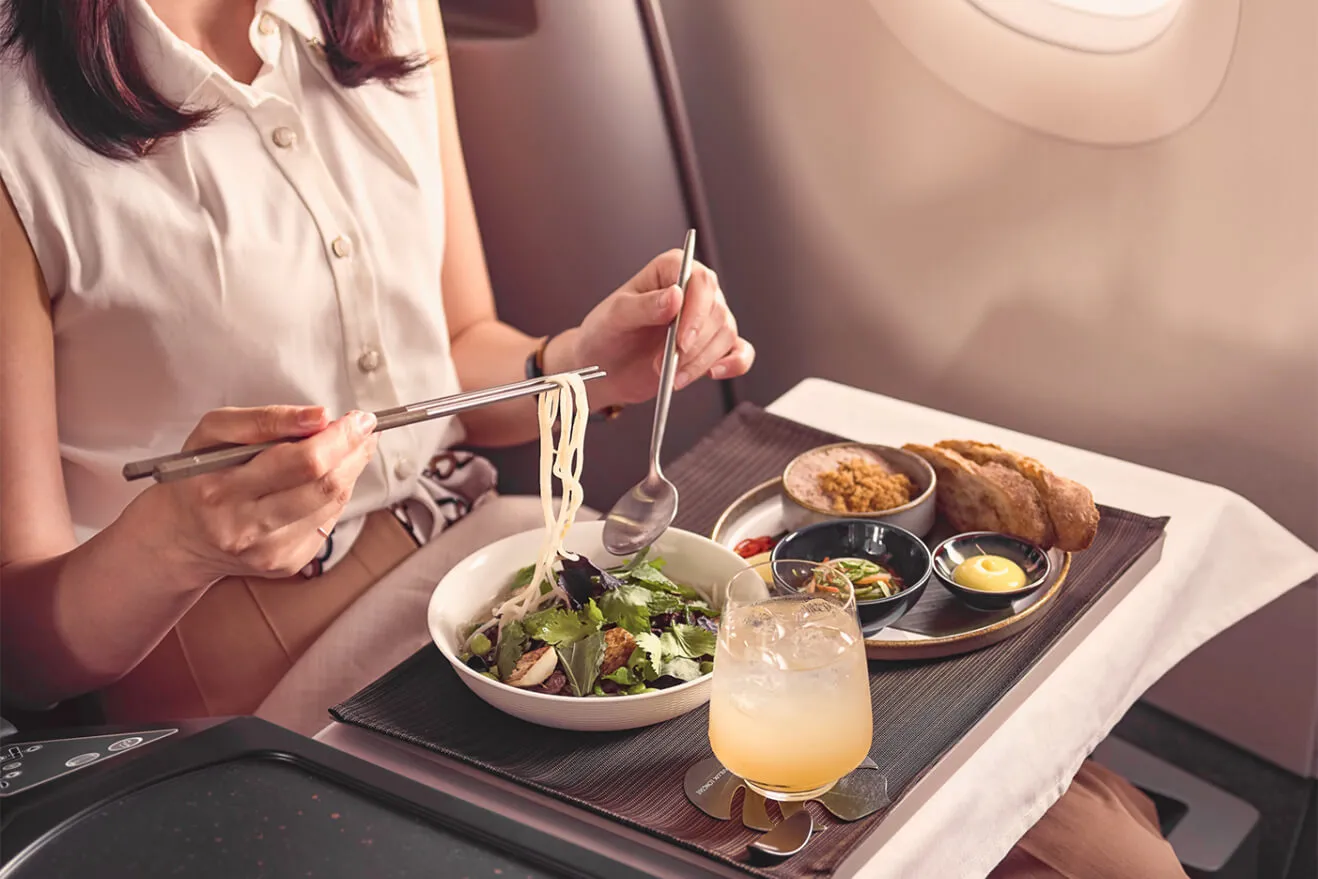
NEW YORK- A passenger on a long-haul transcontinental flight shared that they were served their pre-ordered special meal first and began eating immediately.
The passenger seated beside them objected, calling it “rude” to start before everyone else in the row had their food. This sparked debate over what’s considered acceptable dining etiquette on board commercial flights.
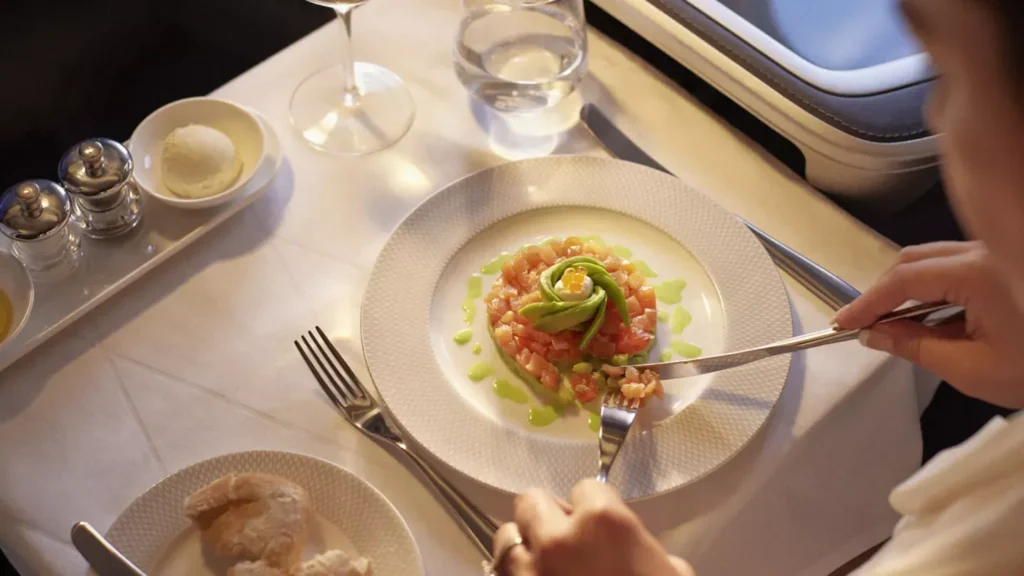
Understanding Airline Dining Etiquette
Special meals are typically served ahead of the main service. Cabin crews on airlines like American Airlines (AA) or Delta Air Lines (DL) do this to streamline operations and avoid confusion when handling customized requests. These meals are stored separately and delivered before the main trolley service begins, ensuring accuracy and maintaining food quality.
Complaints about passengers eating early are practically unheard of in aviation circles. Frequent flyer forums such as Flyertalk and Reddit show no evidence of travelers objecting to others eating once served, especially when seated separately and not traveling together.
The reality is simple: on an aircraft, each passenger operates independently. There’s no social expectation to synchronize dining unless traveling as a group. When a flight attendant hands over your meal, it’s entirely appropriate to eat right away.
Why Special Meals Come Out First
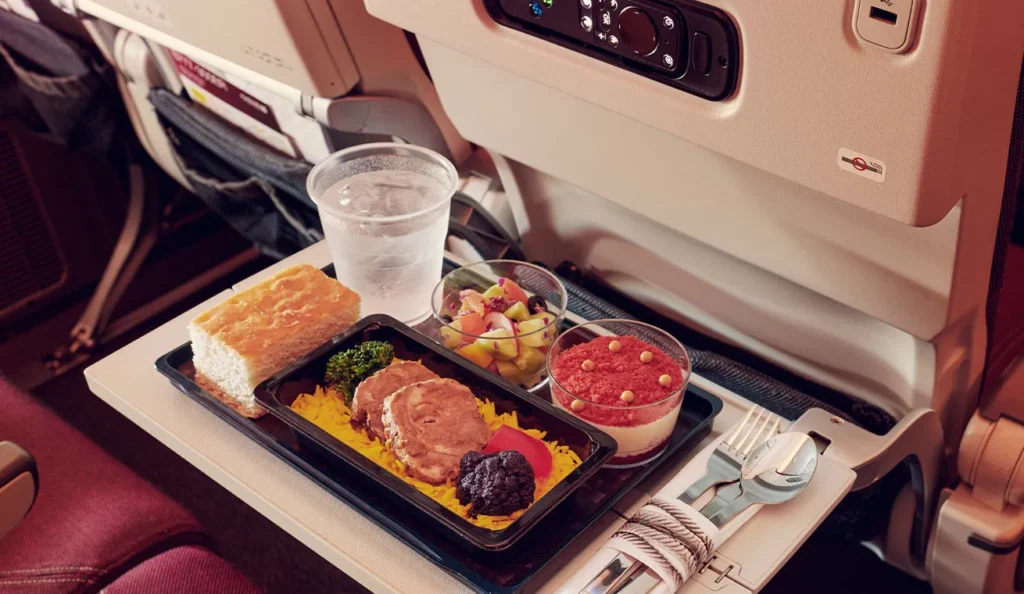
Airlines follow a structured meal distribution process. Special meals—such as vegetarian, diabetic, kosher, or allergy-specific options—are labeled by seat and stored apart from standard trays.
By serving them first, flight attendants can prevent mix-ups, avoid service delays, and ensure those with dietary needs receive meals correctly heated.
This process is particularly common on long-haul routes from major airports like Los Angeles (LAX), New York (JFK), or Dallas/Fort Worth (DFW), where multiple special meal requests are loaded for each cabin section. Serving these meals first keeps the service efficient and organized.
Practical Etiquette in the Air
There are only a few universally accepted in-flight courtesies that matter during meal service:
- Keep your seat upright while the person behind you is eating.
- Avoid unpacking or eating foods with strong odors.
- Follow crew instructions and be considerate when moving around during service.
Beyond that, passengers are free to enjoy their meals as soon as they’re served. Air travel isn’t a shared dining event; it’s individual service designed for efficiency and comfort. The idea that everyone in a row must wait is more myth than etiquette, ViewfromtheWing highlighted.
Similar Incidents
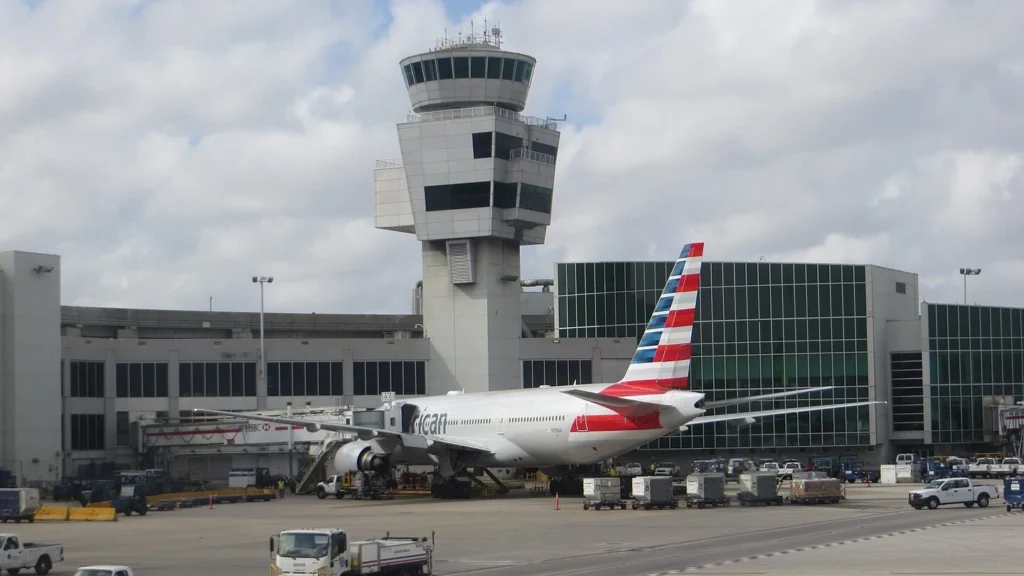
A Black first-class passenger flying with American Airlines from Boston Logan International Airport (BOS) to Miami International Airport (MIA) on May 3, 2025, has drawn national attention after alleging she was the only traveler in the premium cabin not served a meal.
The video documenting the incident, originally shared on TikTok, has gone viral with more than 10 million views, reigniting discussions around service quality and racial bias in U.S. air travel.
The Boston-based influencer said she received no meal at all during the domestic first-class flight, despite being awake and having purchased her ticket five days in advance. According to travel blog OMAAT, the flight operated on a Boeing 737—a common aircraft type for the busy BOS–MIA route.
She claimed every other first-class passenger was served a full meal, while she was only offered drinks. No crew member reportedly explained the omission, leading her to believe she was deliberately skipped. In her video, she expressed frustration at both the lack of communication and the absence of any apology, noting that she had not eaten all day in anticipation of the in-flight meal.
The silence from cabin crew intensified public reaction. Many viewers questioned how such a lapse could occur in a premium cabin, where service consistency is expected. The event has added to broader concerns about American Airlines’ handling of customer experience, particularly when it involves passengers of color.
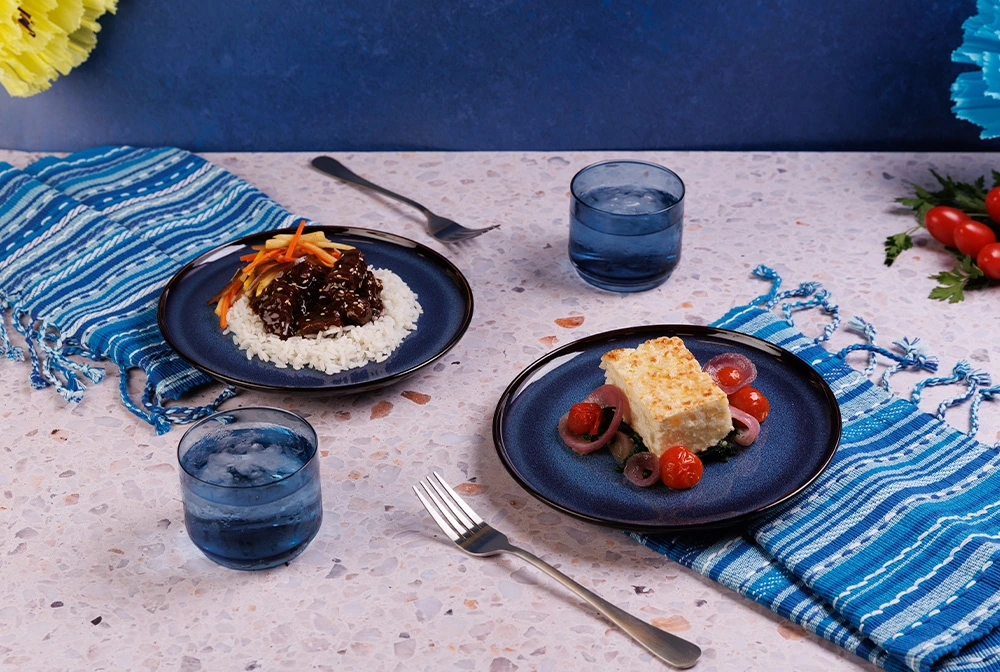
Possible Operational Causes
Aviation analysts have pointed out that several operational factors could explain why a meal might not be available for one passenger, even in first class. Airlines typically cater meals based on the exact number of sold premium seats. However, errors can occur due to:
- Last-minute aircraft or gate changes
- Underloading by the catering vendor
- Quality control rejections before departure
- Accidental spills or dropped trays during service
- Crew prioritizing pre-selected meals for other passengers
The passenger’s seat, reportedly in the last row of the first-class cabin, could also have contributed. Airlines often serve from front to back, giving priority to those who pre-order meals through their app or booking system. Still, the absence of any communication from the crew remains a critical service failure.
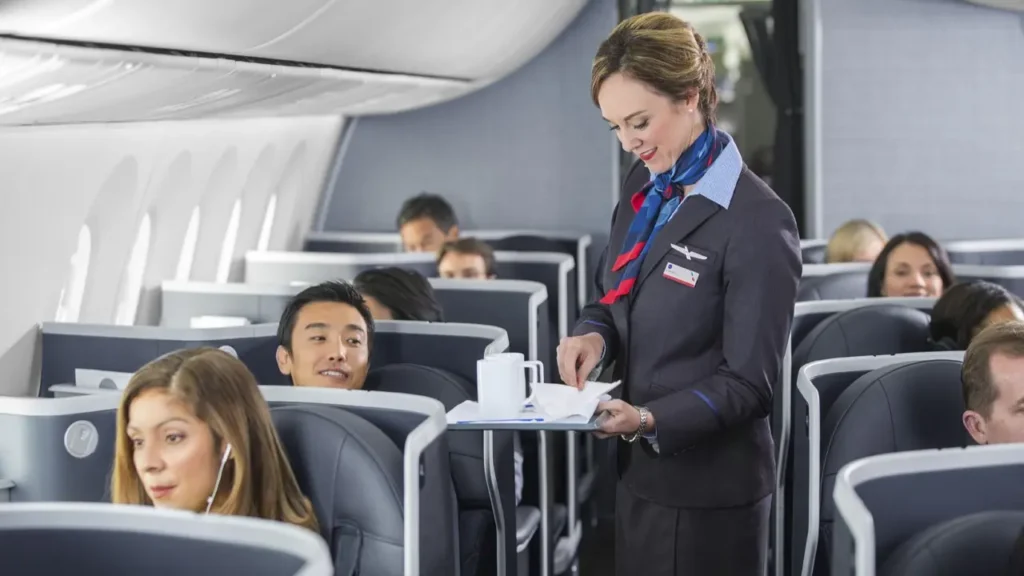
Addressing the Racial Bias Concern
While no confirmed evidence links this incident to racial discrimination, the passenger’s suspicion is not without context.
American Airlines has previously faced scrutiny for similar complaints, including a widely reported 2023 incident where multiple Black men were removed from a flight after another passenger complained about body odor.
That history has intensified public reaction. Many argue that, regardless of intent, the lack of acknowledgment or explanation undermines trust.
Aviation professionals agree that even in cases of operational error, standard customer service protocol requires staff to inform and apologize to affected passengers.
Bottom Line
Airplane dining is not a formal or communal experience. Once the crew hands you your tray, you’re free to eat.
The real discourtesy lies not in eating early, but in policing how others manage their in-flight meal.
Stay tuned with us. Further, follow us on social media for the latest updates.
Join us on Telegram Group for the Latest Aviation Updates. Subsequently, follow us on Google News
