

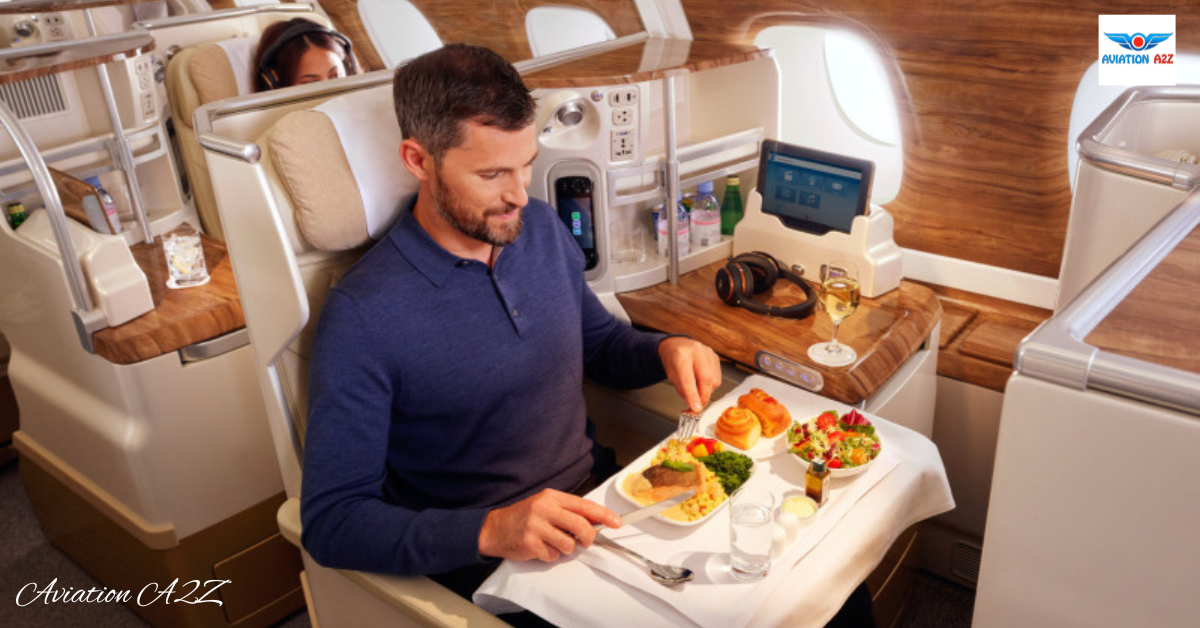
Air travel may be a routine part of modern life, but what passengers choose to eat before and during a flight can have a surprising impact on their comfort and health.
At 35,000 feet, changes in cabin pressure, humidity, and oxygen levels can affect digestion, hydration, and even energy levels.
Worst Foods to Eat on Flights
To better understand which foods to skip while flying, T+L consulted seven nutrition experts who shared their key advice for travelers. While airlines continue to enhance their in-flight dining, experts warn that certain food and drink choices can lead to discomfort midair.
From bloating and dehydration to fatigue and sluggishness, small dietary decisions can make a big difference during long flights. Here’s a look at what the professionals say you should avoid the next time you board.
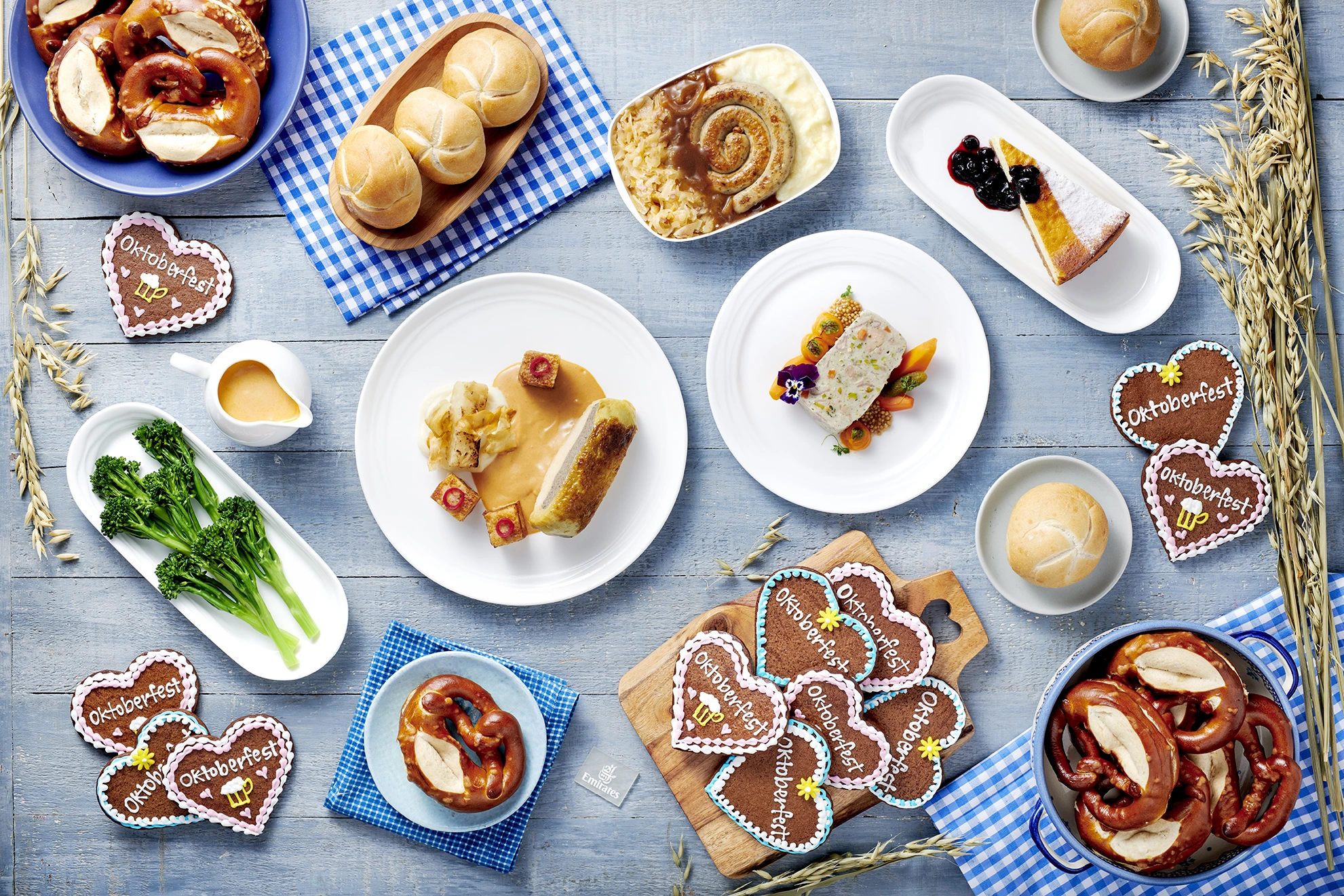
Gas-Causing and Fizzy Foods
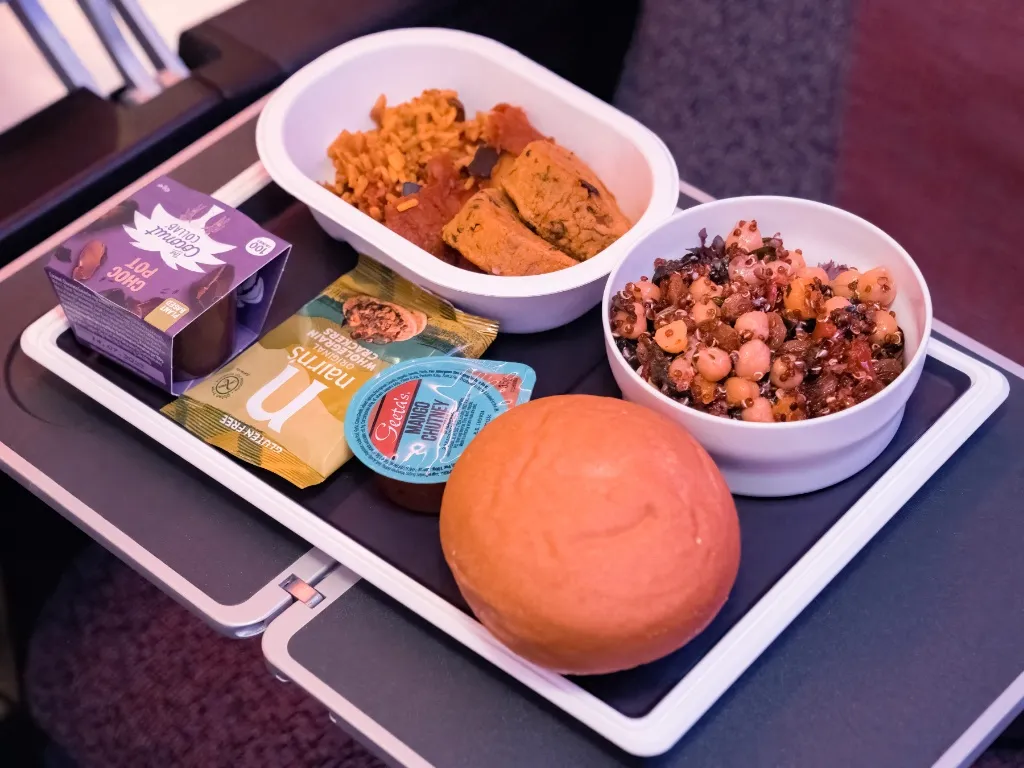
Foods that produce gas—like beans, lentils, and cruciferous vegetables such as cabbage, broccoli, and Brussels sprouts—are at the top of the “do not eat” list.
Dr. Marra Burroughs, a registered dietitian and clinical nutritionist, explained that cabin pressure changes can intensify gas and bloating, leading to cramping and discomfort.
Similarly, experts suggest skipping fizzy drinks like soda and sparkling water. Holistic nutritionist Amber Attell noted that carbonated beverages can expand inside the stomach due to reduced cabin pressure, causing bloating.
Dana Hunnes, senior dietitian at UCLA Health, added that combining low pressure with gas-producing beverages “is a recipe for midair discomfort.”
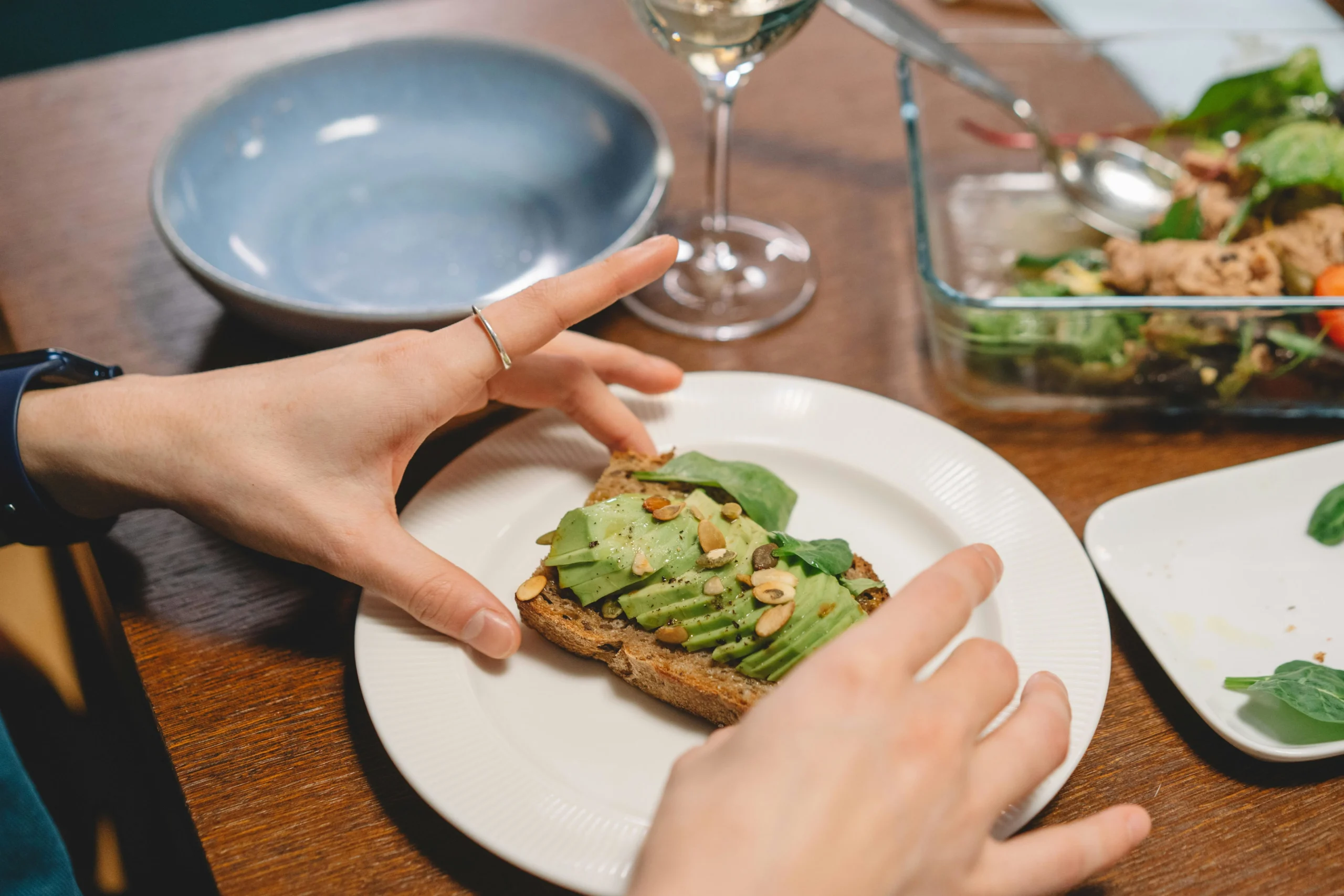
Skip Salty and Sugary Snacks
Many passengers enjoy chips, salted nuts, or sweet treats while flying, but these can have hidden downsides.
High-sodium foods contribute to water retention, worsening swelling in the feet and ankles—a common issue during long flights. Burroughs advised avoiding such snacks to help prevent inflammation.
Added sugars can also leave passengers feeling drained, Burroughs explained:
Simple carbohydrates cause quick energy spikes followed by fatigue… Pairing sugary foods with protein or healthy fats can help maintain balance.”
Instead of processed snacks, nutritionists recommend protein-rich options like unsalted nuts, yogurt, or hummus to stay full without sugar crashes.
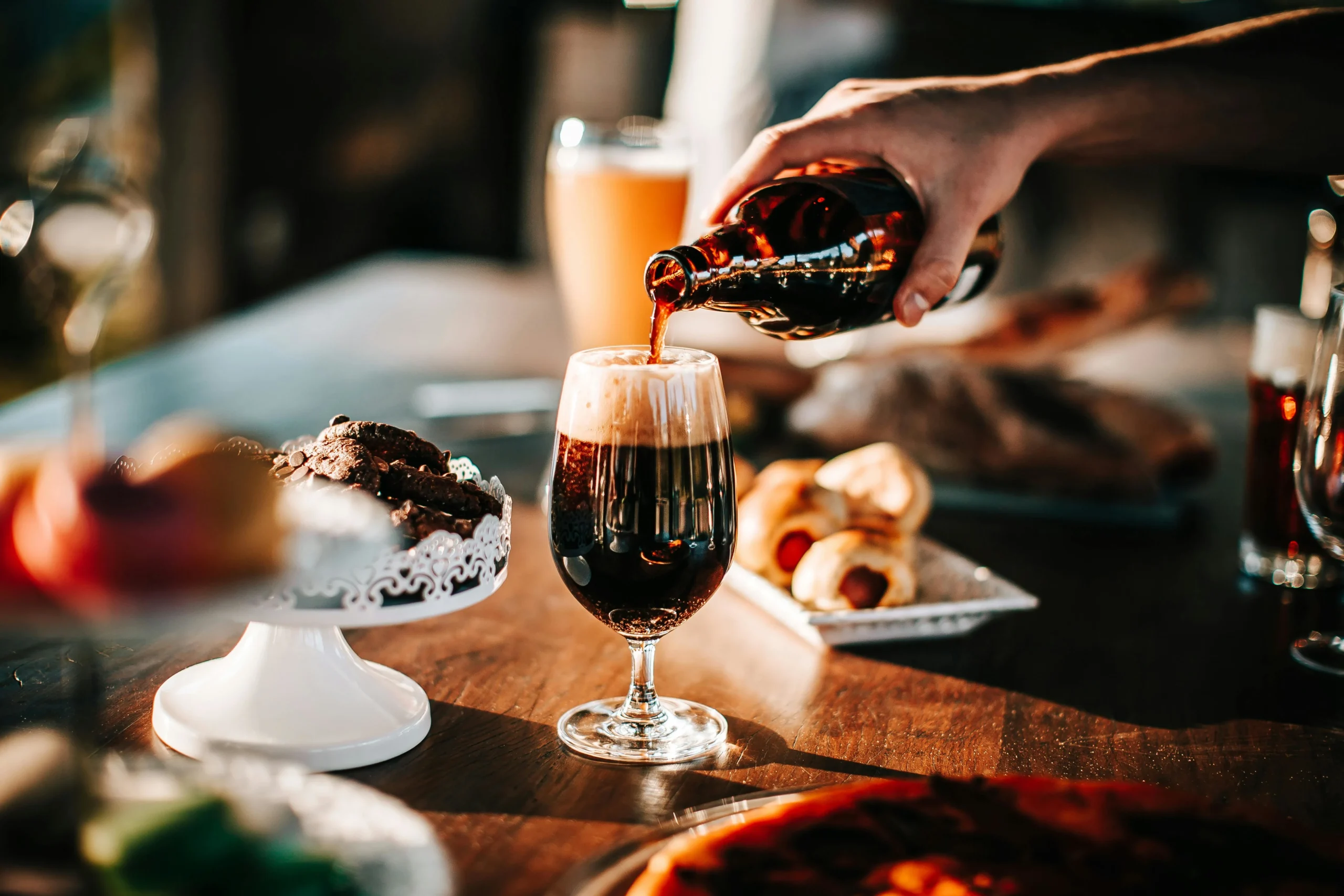
Alcohol, Coffee, and Tap Water
Dehydration is one of the biggest health risks during air travel, and certain drinks make it worse. Functional nutrition expert Elizabeth Katzman cautioned against alcohol and coffee in-flight, as both pull moisture from the body:
Cabin air is already dry, and adding dehydrating drinks only makes jet lag and fatigue worse..
Fiorella DiCarlo, a registered dietitian, warned that drinking alcohol on planes can lower blood oxygen levels and disrupt sleep quality, while caffeine increases dehydration and restlessness. Experts also agree that passengers should never drink unsealed tap water onboard.
Hope Barkoukis, chair of the Department of Nutrition at Case Western Reserve University, said airplane water tanks “are not always cleaned as frequently as one might expect,” recommending sealed bottled water instead.
Bottom Line
Flying comfortably starts long before takeoff. Skipping gas-producing foods, avoiding fizzy or high-sodium snacks, and choosing hydration over caffeine or alcohol can help travelers arrive refreshed and healthy.
Experts emphasize eating balanced, protein-rich meals before boarding and keeping hydrated throughout the flight.
Even though the list of foods to avoid may seem long, small choices can make a significant difference at altitude.
Stay tuned with us. Further, follow us on social media for the latest updates.
Join us on Telegram Group for the Latest Aviation Updates. Subsequently, follow us on Google News
