

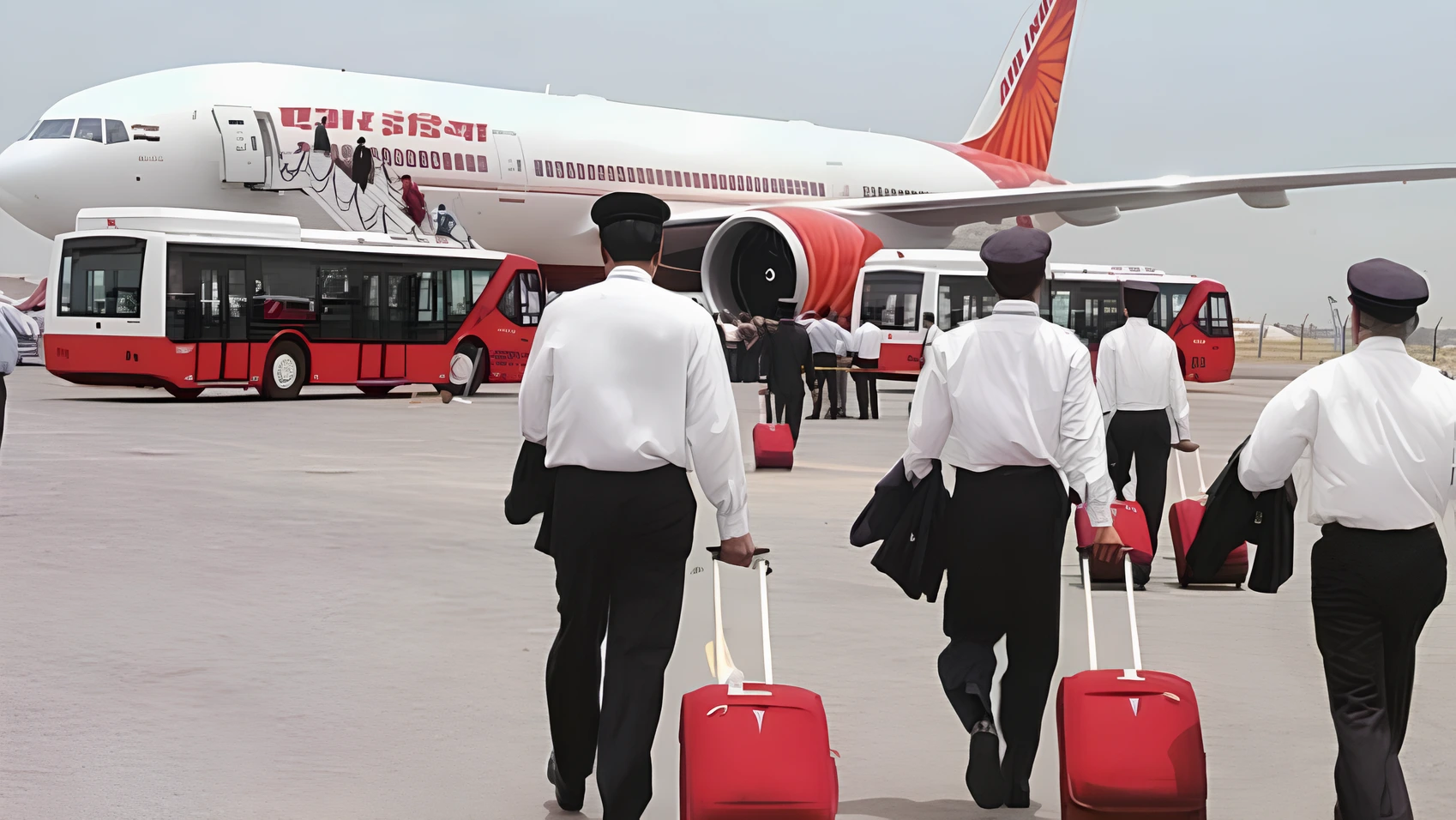
DELHI- Scheduling lapses continue to trouble Air India (AI), nearly five months after the Directorate General of Civil Aviation (DGCA) reprimanded the carrier for regulatory violations.
Two pilots have now been grounded — one for flying with a lapsed English Language Proficiency (ELP) license, and another for operating a flight without completing mandatory corrective training after failing a proficiency check.
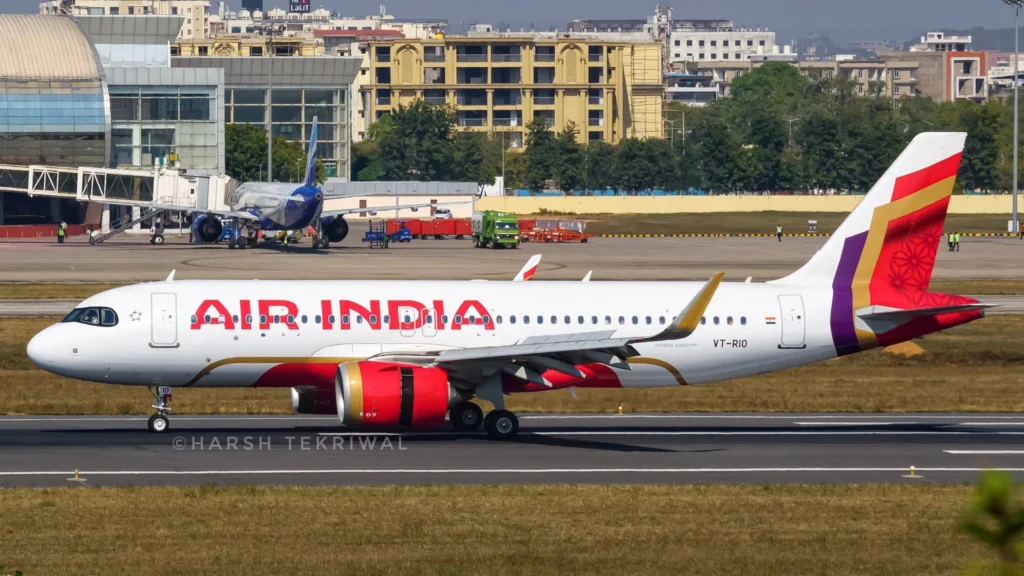
Two Air India Pilots Grounded
The latest incidents highlight persistent gaps in Air India’s rostering and compliance monitoring systems. The airline confirmed that an Airbus A320 co-pilot operated a flight despite failing his Instrument Rating–Pilot Proficiency Check (IR–PPC) and skipping the required retraining.
According to the procedure, pilots who fail the PPC must complete corrective training and undergo another evaluation before returning to flight duty.
Air India stated that both the co-pilot and the scheduling officer responsible were “off-rostered” as soon as the error was detected, and disciplinary action was initiated. The airline said the event had been reported to the DGCA for review.
In another case, a senior captain commanded an A320 flight despite holding an expired ELP certificate — a mandatory qualification for operating any commercial flight. Air India confirmed the violation with TOI, grounding the pilot and reporting the incident to the regulator.
Regulator’s Ongoing Oversight
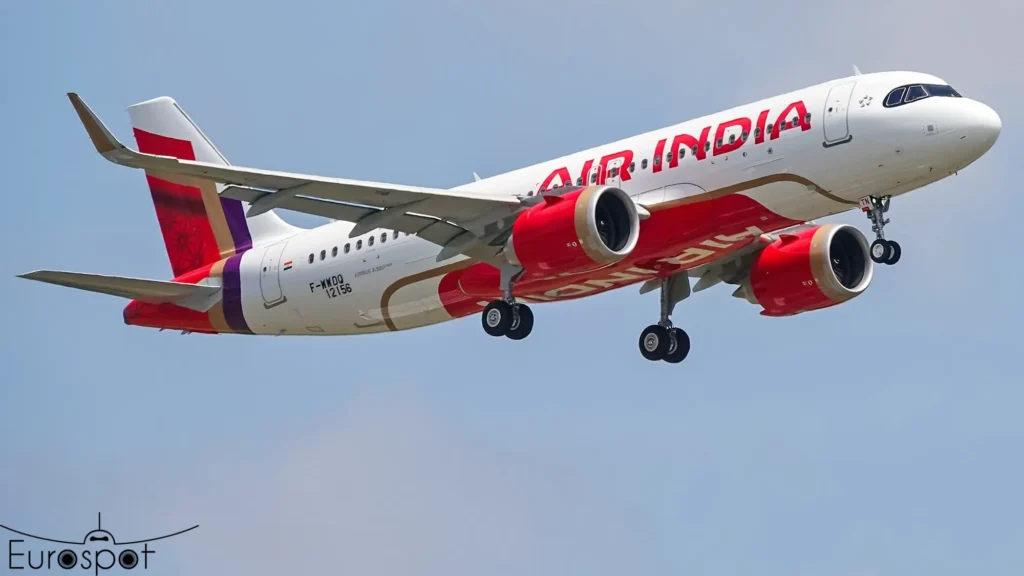
The DGCA has sought a detailed report from Air India on both incidents, calling them serious breaches of flight safety compliance. The regulator had earlier identified “systemic failures” in Air India’s scheduling processes, including lapses in licensing, rest, and recency requirements.
Following a June 12 incident involving a near miss after takeoff from Delhi (DEL), the DGCA had warned Air India of strict enforcement measures.
The regulator removed three senior officials from crew scheduling duties and warned that future violations could lead to heavy penalties or suspension of the airline’s operator license.
Systemic Accountability and Future Compliance
Aviation safety experts say repeated oversights indicate deeper issues in Air India’s internal monitoring mechanisms. They argue that compliance systems must flag expired qualifications automatically before any pilot is rostered for duty.
While Air India has taken internal action and strengthened its audit processes, the repeated nature of these errors continues to raise concerns over the reliability of its flight operations management.
The DGCA’s ongoing scrutiny suggests that stricter enforcement could follow if systemic improvements are not evident soon.
ALSO READ: IndiGo A321neo Pilots Grounded by DGCA After Bangkok to Mumbai Flight Suffers…
Similar Incident
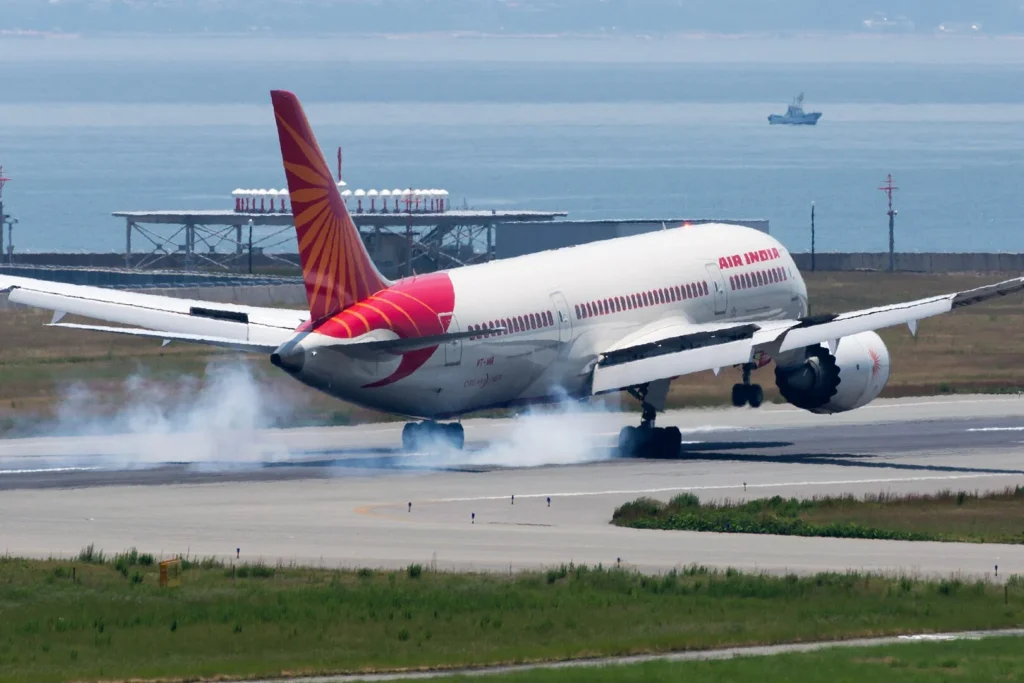
The Directorate General of Civil Aviation (DGCA) took the entire crew of an Air India (AI) flight off-duty after the pilot-in-command allegedly breached cockpit safety norms on a Delhi (DEL)–Dubai (DXB) service in 2023
According to officials familiar with the case, the Air India flight AI 915 pilot reportedly invited a female companion into the cockpit mid-flight, violating DGCA’s strict security and operational rules. The airline has since initiated disciplinary proceedings and grounded the crew pending investigation.
DGCA Steps In After Cockpit Misconduct Report
The incident occurred on February 27, 2023, aboard Air India flight AI 915, operating between Indira Gandhi International Airport (DEL) and Dubai International Airport (DXB). The Directorate General of Civil Aviation (DGCA) acted after a report revealed that the pilot had allowed an unauthorized person inside the cockpit—a direct violation of India’s civil aviation safety protocols.
DGCA regulations clearly mandate that only authorized and breathalyzer-tested personnel are permitted to enter the cockpit area. Any deviation from these norms constitutes a serious breach of flight safety procedures. Following the initial findings, DGCA ordered the removal of all crew members from active duty while the investigation continues.
Air India has also issued a chargesheet to Capt. Harsh Suri, the pilot-in-command and summoned all operating crew, including flight attendants, for formal questioning. The move underscores the regulator’s strict enforcement of cockpit discipline and adherence to global aviation safety standards.
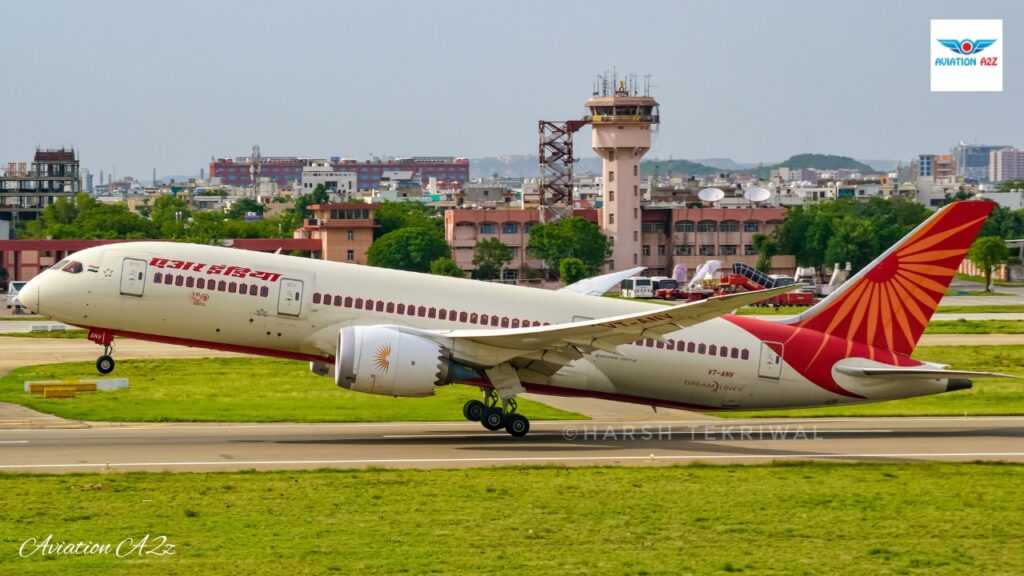
Details from the Internal Complaint
An internal report submitted to Air India management revealed that the pilot expressed interest in upgrading a female passenger from economy to business class before takeoff.
The cabin crew reported that the captain referred to the passenger as his “sweet friend” and requested that he move her to business class once boarding was complete.
The report noted that business class on that flight was already full, with 16 passengers and two seats listed under the Minimum Equipment List (MEL)—making any upgrade impossible. Despite this, the captain allegedly allowed the woman into the cockpit during the flight, prompting the DGCA’s intervention.
Regulatory Framework and Safety Implications
Under DGCA Civil Aviation Requirements (CAR), all crew members and any individuals entering the cockpit must undergo a breathalyzer (BA) test before each flight. This rule ensures the physical and mental fitness of personnel responsible for flight safety.
The DGCA’s swift response reflects its zero-tolerance approach to cockpit violations, especially those compromising operational integrity.
Air India, under new management, has been working to strengthen internal compliance measures, and this case highlights ongoing challenges in maintaining consistent enforcement across fleets and routes.
Stay tuned with us. Further, follow us on social media for the latest updates.
Join us on Telegram Group for the Latest Aviation Updates. Subsequently, follow us on Google News
