

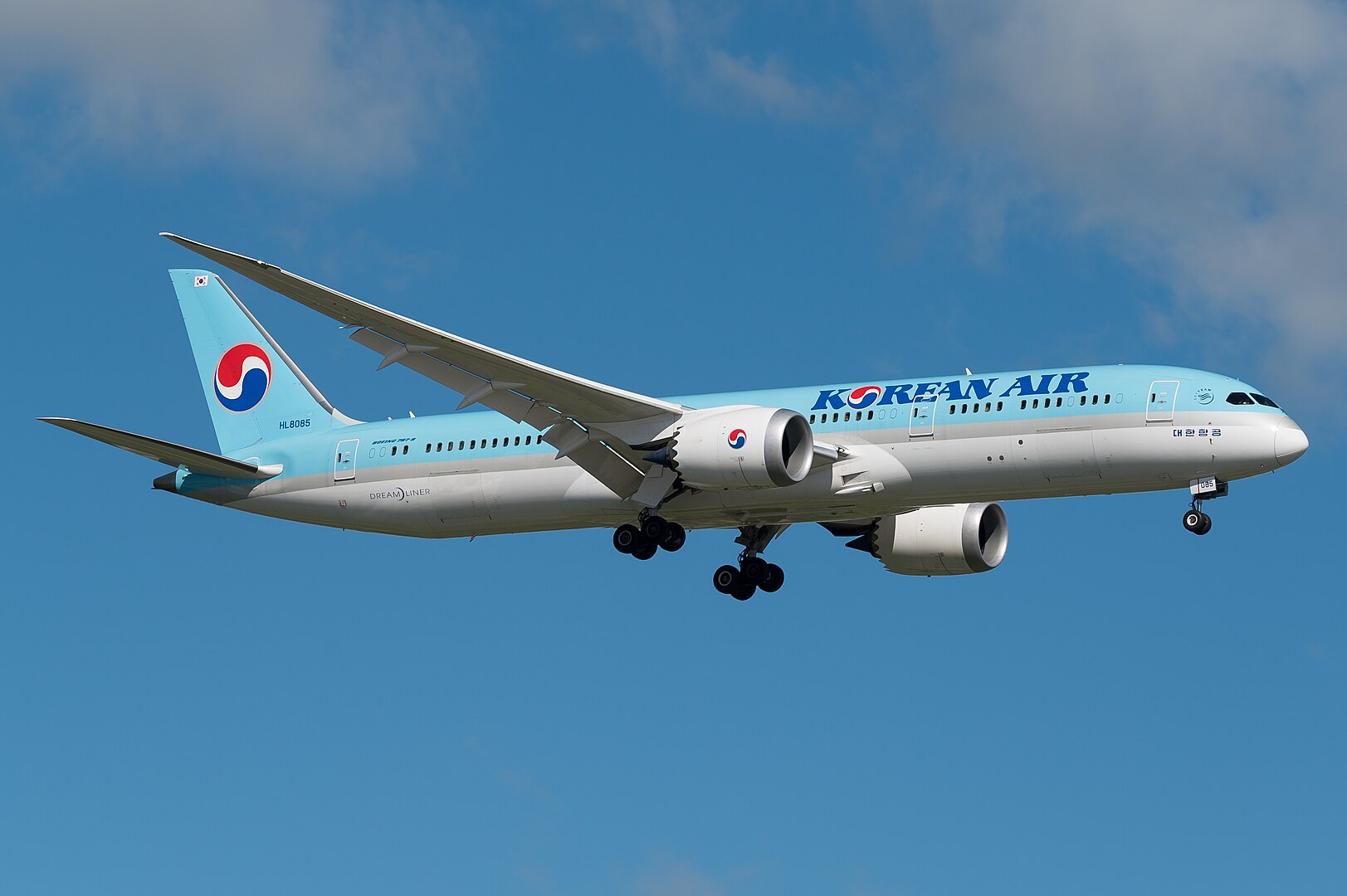
SEOUL- Korean carriers including Jin Air (LJ) and Eastar Jet (ZE) are moving beyond China’s main business hubs, expecting the travel rebound between the 2 countries to create sustainable demand for smaller-city and regional tourism routes.
New services will connect Incheon (ICN) and Daegu (TAE) with destinations such as Yichang, Zhangjiajie and Ningbo, as passenger traffic between Korea and China reached 9.54 million in the first half of 2026.
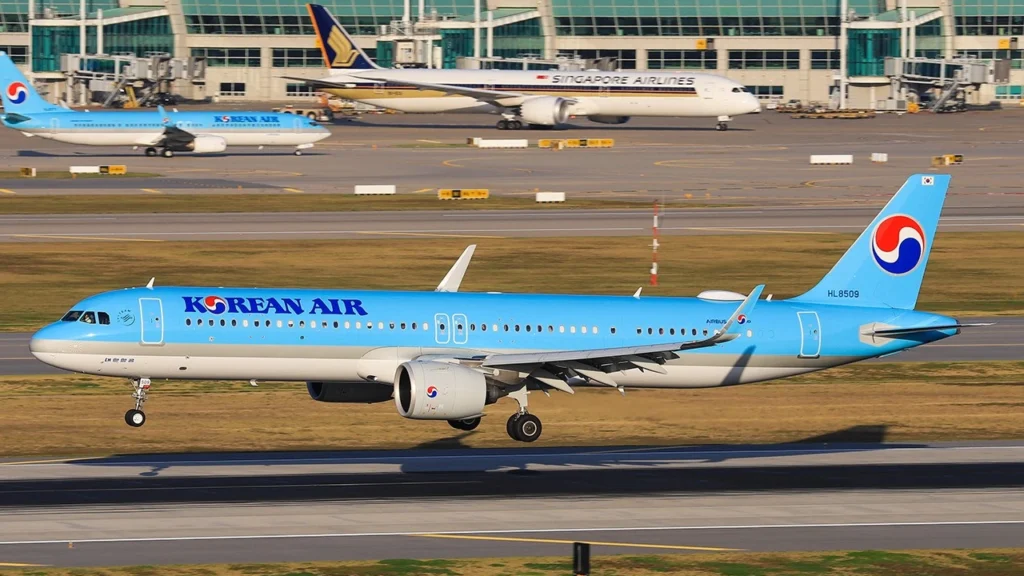
Regional Chinese Cities Enter Korean Carrier Networks
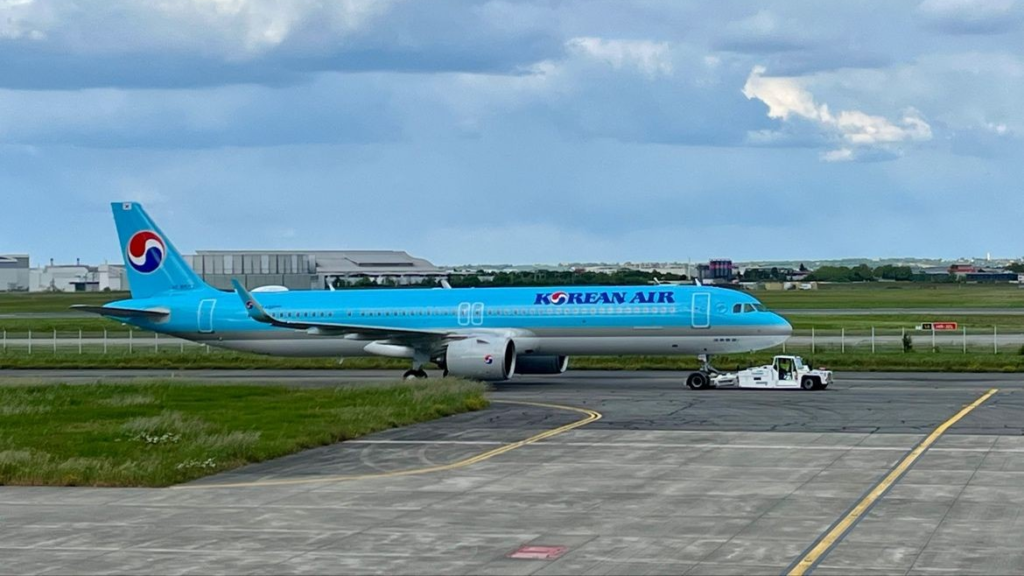
Jin Air, an affiliate of Korean Air, will launch flights between Incheon and Yichang on September 17. The carrier will also resume services to Qingdao and Yantai this month.
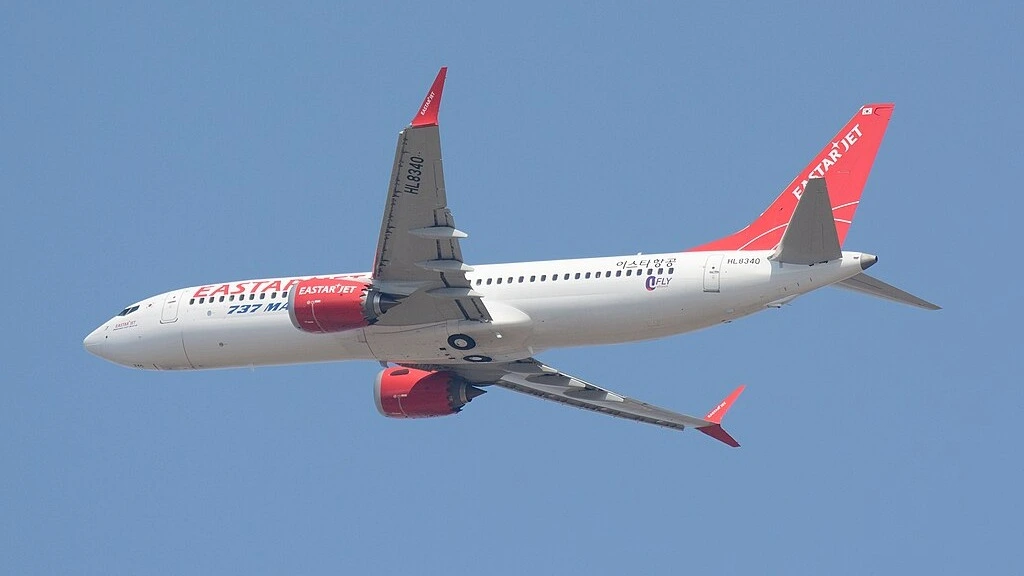
Eastar Jet will open a Daegu to Zhangjiajie route on September 1. The airline plans to add charter flights to Datong, Nantong and Ningbo after securing rights for 11 Korea-China routes in April.
Passenger numbers on Korea-China routes rose 22% year over year to 9.54 million in the first half of 2026, according to Korea’s Aviation Information Portal System.
Chinese visitor arrivals in Korea grew at an even faster pace. Arrivals increased 27.1% to 3.21 million during the same period, according to data compiled by the Korea Tourism Organization (KTO).
The recovery has given airlines greater confidence to restore routes suspended during the pandemic and to explore markets beyond Beijing and Shanghai.
The route additions have also been supported by the first expansion of bilateral aviation rights since 2019.
Under an agreement reached in May, weekly passenger flight rights between Korea and China will increase from 608 to 664, as reported by The Korea Times.
The additional capacity includes 14 weekly services reserved for routes connecting Korean regional airports with 10 Chinese cities.
Regional Airports Outpace Seoul Metropolitan Area
Demand for routes through regional airports is already growing faster than flight capacity. The number of flights from Chinese cities to 5 Korean regional airports increased 17.3% to 12,375 in the first half, while passenger traffic jumped 28.6% to about 665,000, KTO data showed.
The trend accelerated in June, when arrivals through regional airports including Gimhae, Daegu and Cheongju surged 42.5% from a year earlier, according to KTO. Arrivals through airports in the Seoul metropolitan area rose 18.2% over the same period.
KTO has partnered with Eastar Jet to develop additional China routes and tourism products through regional airports.
The effort forms part of a wider plan to direct more international visitors and tourism spending beyond Seoul.
Relaxed Visa Rules
Easier visa access has provided another boost. Since March 30, Chinese travellers who have previously visited Korea have been eligible for 5 year multiple-entry visas, while residents of 14 major Chinese cities can obtain visas valid for up to 10 years.
A KTO representative said tourist visa issuance had increased since the rules were relaxed, although more time was needed to determine whether the change would produce a sustained rise in repeat visits.

Chinese Travel Habits Shift
Changing travel habits are also reshaping demand. Lee Hong-keun, director of KTO’s China team, said Chinese visitors were moving away from large tour groups centred on duty-free shopping toward independent, short-duration trips focused on food, K-pop concerts and local experiences.
Busan has emerged as the most attractive destination outside Seoul, helped by its coastal environment, relatively affordable prices and convenient public transportation, Lee said.
Liu Ziyang Sees Structural Recovery
Strained China-Japan relations may have prompted some Chinese travelers to choose Korea instead, but industry observers cautioned against treating diverted demand as the main driver of the recovery.
Liu Ziyang, director of the Korea-China Economic Development Institute at Kyonggi University, described the shift from Japan as a “marginal rather than decisive factor.”
“The recovery in the Korea-China aviation market is no longer being driven by tourism alone, but increasingly reflects a broader revival in business travel, educational cooperation and people-to-people exchanges,” Liu said.
He characterised the upturn as a structural recovery rather than a short-term substitution effect, saying a more diverse passenger base could make the market less dependent on peak travel seasons and package tours.
Korean Air Leisure Routes
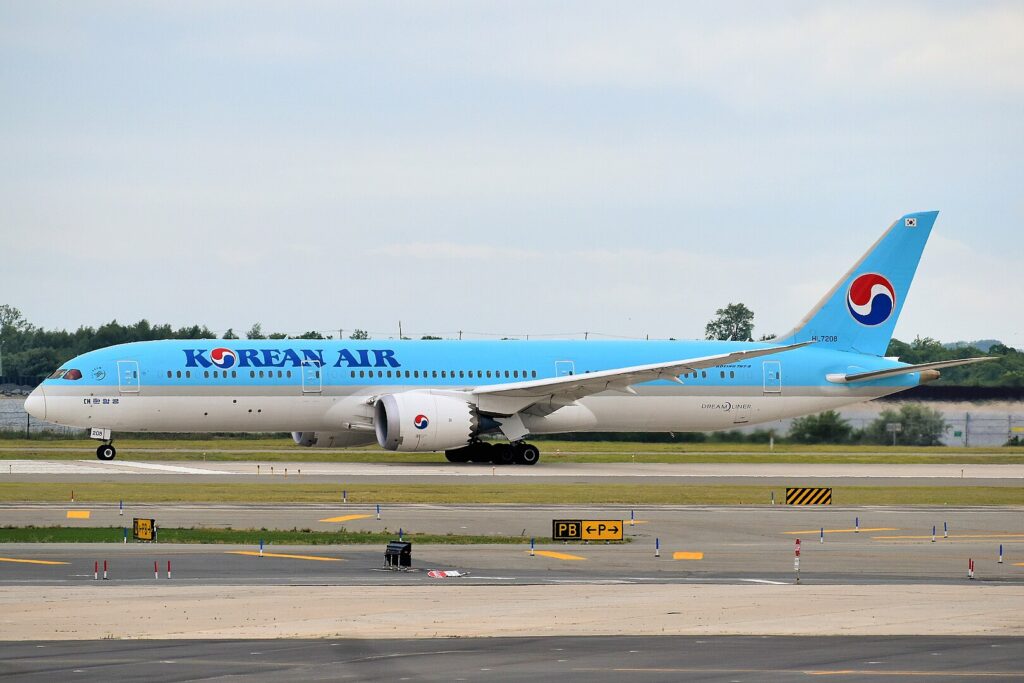
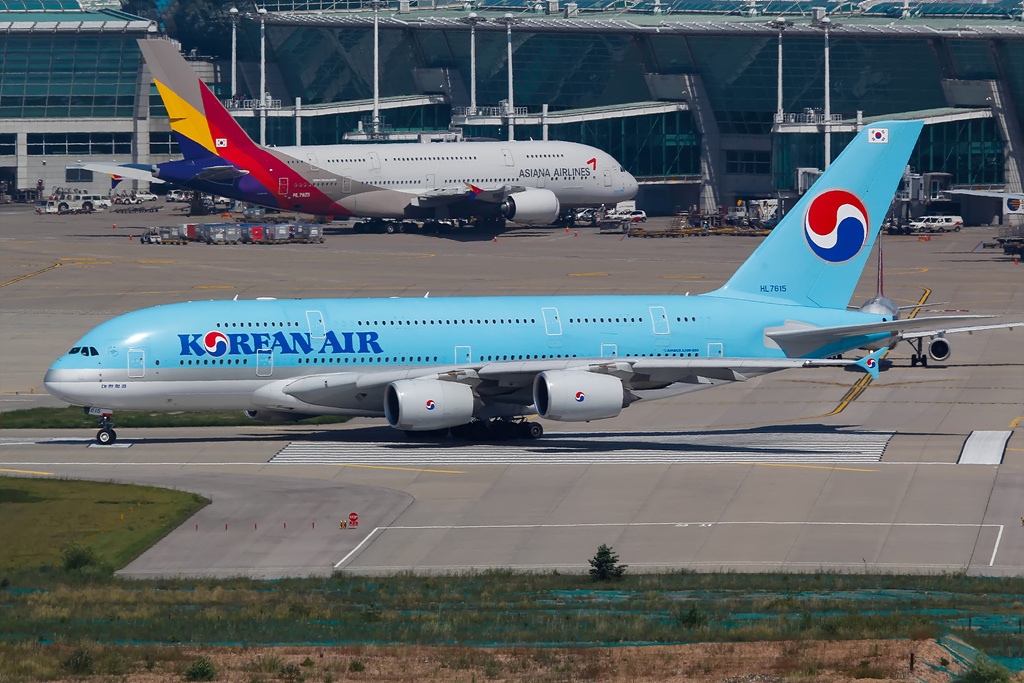
Korean Air said its passenger growth had been led by high-density routes to Beijing and Shanghai, along with leisure services to Zhangjiajie, Xiamen and Zhengzhou.
The carrier has also secured traffic rights for an Incheon to Wuxi route and is evaluating its launch.
Fare Competition
The rush to add flights could intensify fare competition on mature routes.
“The influx of capacity could intensify fare competition in the short term, particularly on mature routes between Seoul and major Chinese cities,” Liu said.
“Over the longer term, however, direct links between Korea’s regional airports and smaller Chinese cities could become a new source of tourism growth for both countries.”
Korean Air said the market’s durability will depend on visa arrangements, bilateral trade and investment, fuel prices and exchange rates.
Stay tuned with us. Further, follow us on social media for the latest updates.
Join us on Telegram Group for the Latest Aviation Updates. Subsequently, follow us on Google News
