

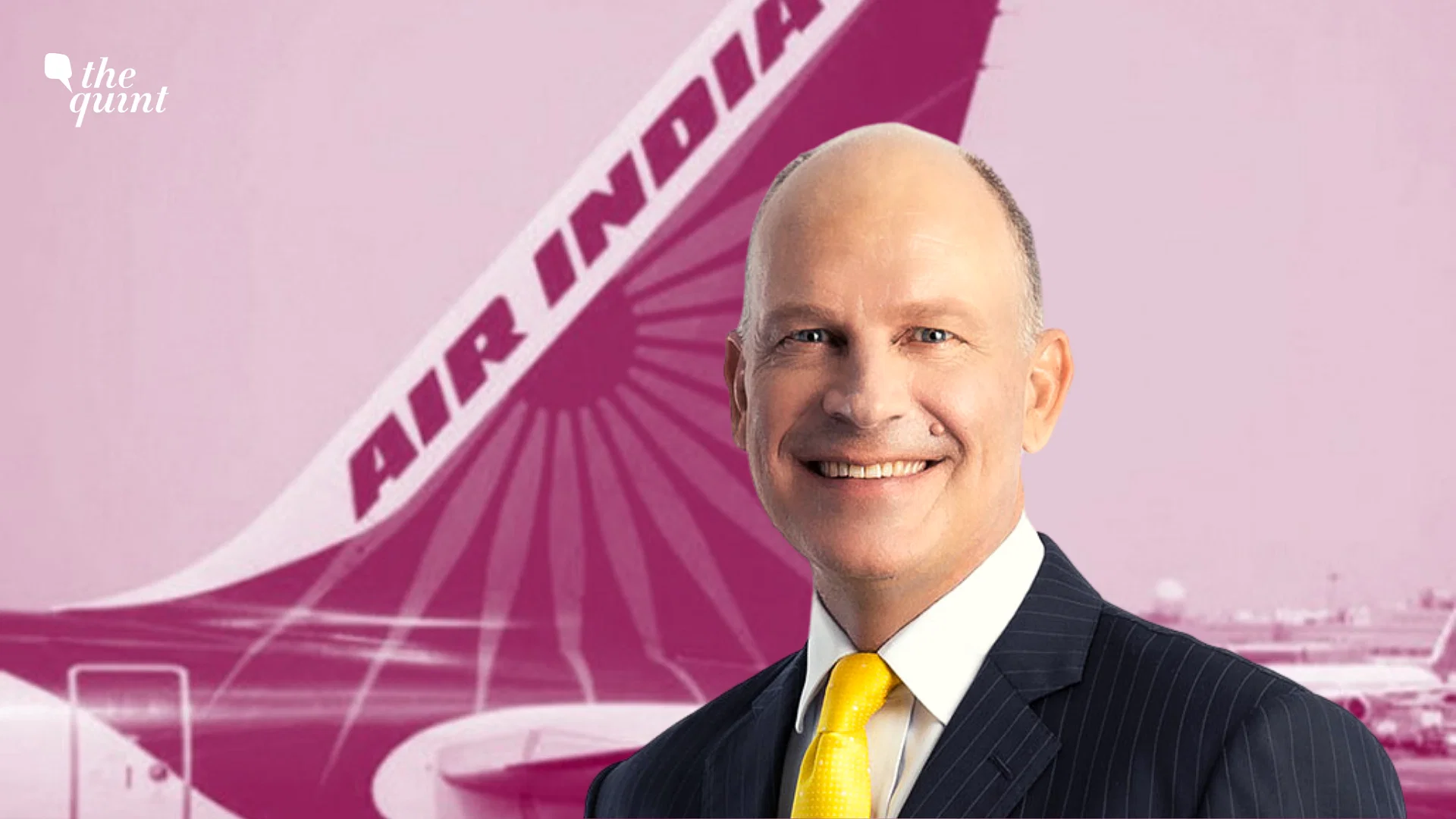
Air India (AI) is undergoing one of the largest transformation programmes in global aviation.
Since returning to the Tata Group in 2022, the airline has aggressively pursued fleet expansion, service upgrades, mergers and operational restructuring in an attempt to rebuild itself into a world-class international carrier.
The airline has ordered hundreds of aircraft, merged multiple Tata aviation businesses and invested heavily in product modernisation. However, the turnaround has also faced major challenges, including supply chain disruptions, operational reliability issues and mounting financial pressure.
Leading this transformation in 2026 is CEO and Managing Director Campbell Wilson, whose compensation reflects the enormous complexity of rebuilding India’s flag carrier. Although Wilson announced plans to step down in 2026, he remains central to Air India’s leadership transition period.
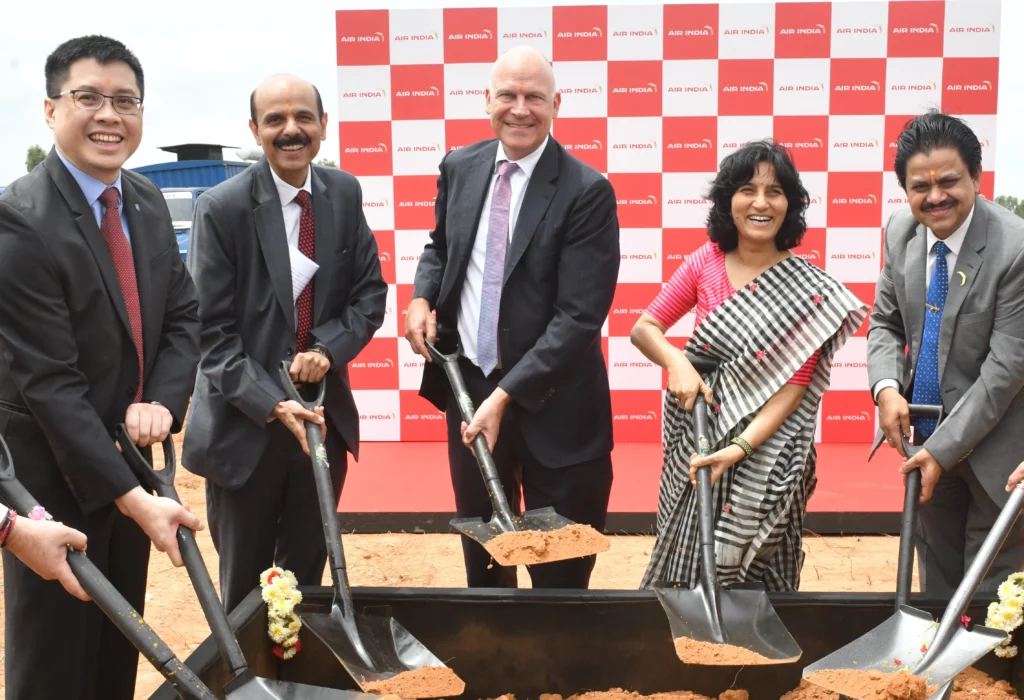
Who is Air India CEO, Campbell Wilson?
Campbell Wilson is a New Zealand-born aviation executive who became CEO and Managing Director of Air India in 2022 following the airline’s privatisation under the Tata Group. Before joining Air India, Wilson spent more than 25 years with Singapore Airlines and its low-cost subsidiary Scoot.
He began his aviation career with Singapore Airlines in New Zealand before taking on commercial and management roles across Canada, Hong Kong, Japan and Singapore. Wilson later became the founding CEO of Scoot, helping establish the airline as a major low-cost carrier in Asia.
At Air India, Wilson oversaw one of the industry’s most ambitious transformation efforts, including:
- The merger of four Tata airline entities
- Large-scale fleet orders
- Cabin retrofit programmes
- Operational restructuring
- Technology and customer service upgrades
His leadership style is often described as structured, commercially disciplined and transformation-focused. Despite facing criticism over operational challenges and delays, Wilson has played a major role in reshaping Air India after decades of state ownership.
ALSO READ: AirAsia CEO Salary in 2026
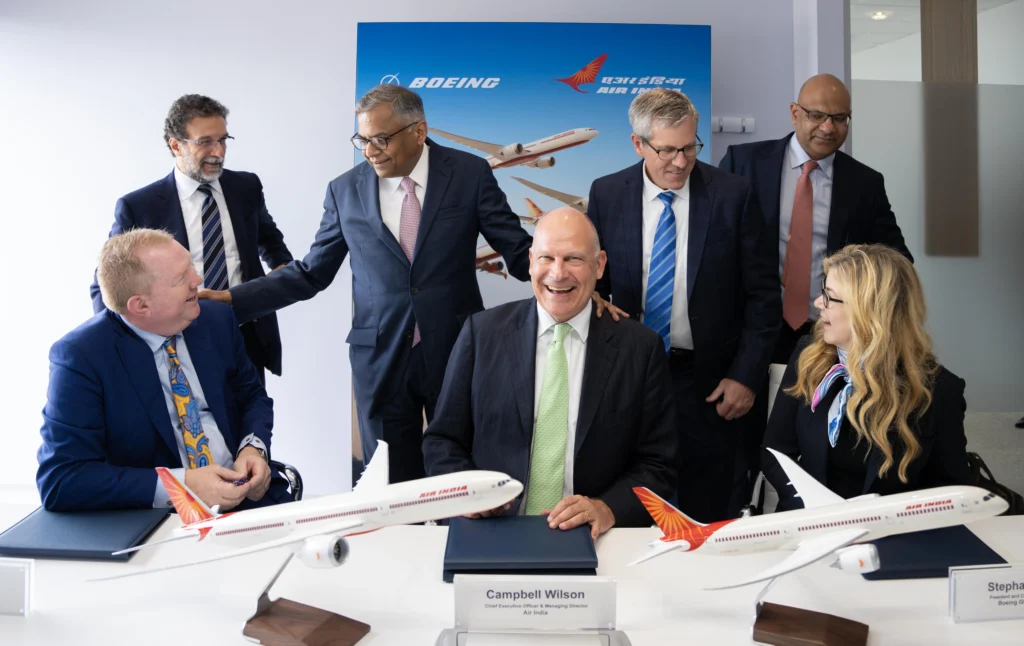
Campbell Wilson Salary and Compensation in 2026
Executive compensation at Air India combines fixed salary with substantial performance-linked incentives tied to turnaround targets and long-term strategic milestones.
Recent reports indicated that Air India’s board approved a major pay increase for Wilson, potentially lifting his compensation package to approximately ₹27.75 crore annually beginning in 2025.
Based on those disclosures and expected 2026 incentives, his estimated compensation structure is:
- Base salary: approximately ₹8–9 crore
- Annual performance bonus: around ₹7–8 crore
- Long-term incentives/retention awards: roughly ₹8–9 crore
- Benefits, housing and executive allowances: about ₹2–3 crore
This places his estimated total compensation at ₹25–29 crore, equivalent to roughly US$3–3.5 million in 2026.
Reports also suggested that nearly 60% of his package is performance-linked, meaning actual realised earnings depend heavily on operational and financial targets.
ALSO READ: British Airways CEO Salary in 2026
Salary Comparison
To better understand Campbell Wilson’s estimated ₹25–29 crore (US$3–3.5 million) compensation, it helps to compare it with nearby South Asian competitors.
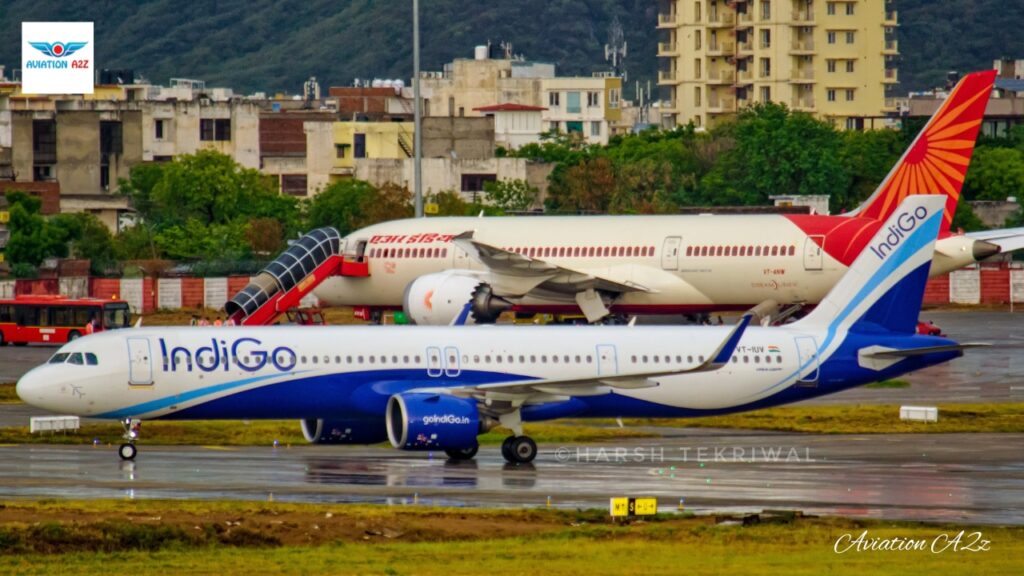
At IndiGo, CEO Pieter Elbers leads India’s largest airline by market share. His estimated compensation in 2026 was around ₹18–22 crore (US$2.1–2.6 million) annually. While IndiGo is more profitable and operationally efficient, its business model is simpler due to its largely narrow-body low-cost structure.
Meanwhile, at SriLankan Airlines, executive compensation remains significantly lower. CEO-level pay is estimated at around LKR 180–250 million (US$600,000–850,000) annually, reflecting the airline’s smaller scale and financial limitations.
Compared with these peers, Wilson’s package sits at the upper end of South Asian airline executive compensation, largely because Air India’s turnaround involves enormous restructuring complexity, fleet investment and integration challenges.
ALSO READ: Lufthansa Group CEO Salary in 2026
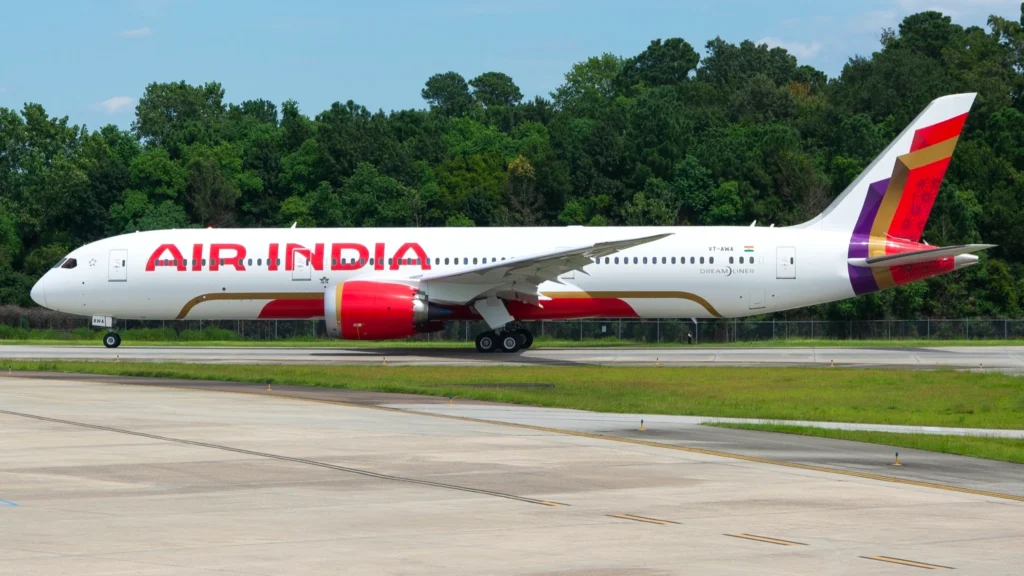
Air India Strategic Focus for 2026
Air India enters 2026 focused heavily on transformation and operational improvement.
A major priority remains fleet modernisation, although aircraft delivery delays continue affecting timelines. Wilson previously stated that 2026 would bring the airline’s “most significant” customer experience improvement phase.
The airline is also concentrating on:
- Wide-body cabin retrofits
- International network growth
- Integration of Air India and Vistara operations
- Expansion of Air India Express
- Technology and service upgrades
Operational reliability and safety oversight have become especially important amid increased scrutiny and financial pressure. Meanwhile, geopolitical issues such as the Middle East conflict and airspace restrictions have added further operational costs and complexity.
Despite challenges, Air India continues pursuing its long-term ambition of becoming a major global network carrier capable of competing with Gulf and Southeast Asian airlines.
Bottom Line
Campbell Wilson’s estimated ₹25–29 crore (US$3–3.5 million) compensation in 2026 reflects the immense challenge of rebuilding Air India into a globally competitive airline.
Compared with South Asian peers such as IndiGo and SriLankan Airlines, his pay sits at the top end of the regional market, driven largely by the scale of Air India’s transformation programme.
Ultimately, much of his compensation depends on operational execution, financial recovery and the long-term success of the Tata Group’s aviation strategy.
Air India CEO Salary FAQs
His estimated total compensation is around ₹25–29 crore annually.
Yes. Reports suggest roughly 60% is linked to performance targets.
It is somewhat higher due to the scale and complexity of Air India’s transformation.
Stay tuned with us. Further, follow us on social media for the latest updates.
Join us on Telegram Group for the Latest Aviation Updates. Subsequently, follow us on Google News
