


DELHI- India’s aviation regulator, DGCA, has directed Air India (AI) to reinspect the Ram Air Turbine (RAT) system for proper stowage across all Boeing 787 aircraft where the Power Conditioning Module (PCM) was recently replaced.
The move follows two incidents involving Air India 787s—one on the Amritsar (ATQ)–Birmingham (BHX) route and another on the Vienna (VIE)–Delhi (DEL) flight—prompting heightened scrutiny of aircraft systems and a request for detailed input from Boeing (BA) on preventive actions.
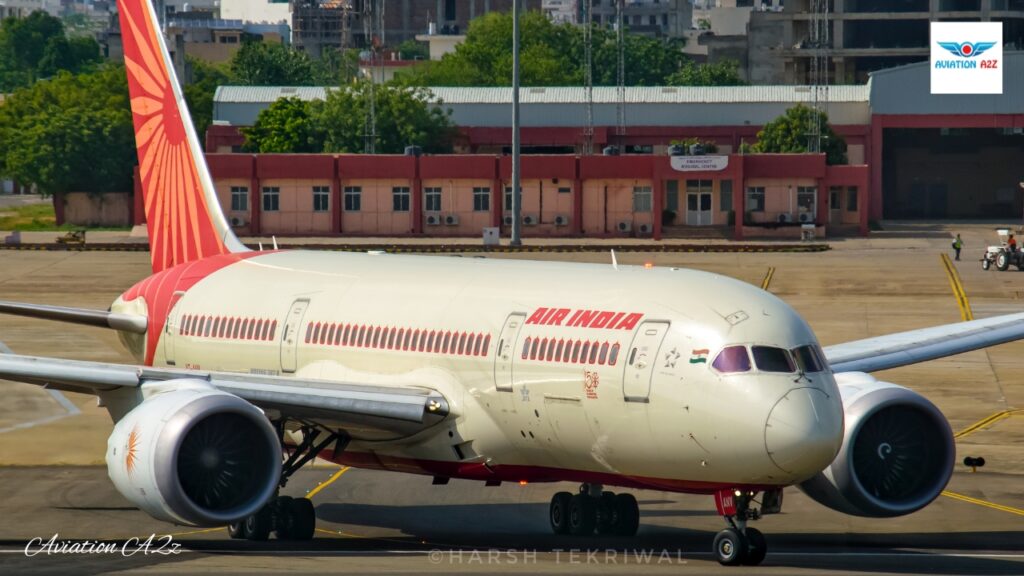
DGCA Orders 787 RAT Reinspection
The Directorate General of Civil Aviation (DGCA) has instructed Air India to reinspect the RAT installation on all Boeing 787 aircraft that underwent PCM replacement in recent months. The directive aims to ensure safety compliance and rule out any systemic faults after two consecutive technical events.
On October 4, the RAT deployed unexpectedly during flight AI-117 from Amritsar to Birmingham, just before landing. Five days later, on October 9, flight AI-154 from Vienna to Delhi experienced autopilot and multiple system failures, forcing the crew to divert the aircraft, registered VT-ANO, to Dubai (DXB).
The RAT is an emergency power device that deploys automatically in case of total electrical or hydraulic failure, generating power from airflow. Its uncommanded activation during normal operations signals potential technical inconsistencies within the electrical system.
According to DGCA officials, Air India has been asked to verify correct RAT stowage and review the maintenance work package, particularly the “D Check” procedures, to ensure alignment with PCM-related modifications.
The regulator added that investigations are underway to identify the cause and assess the reliability of recent maintenance actions.
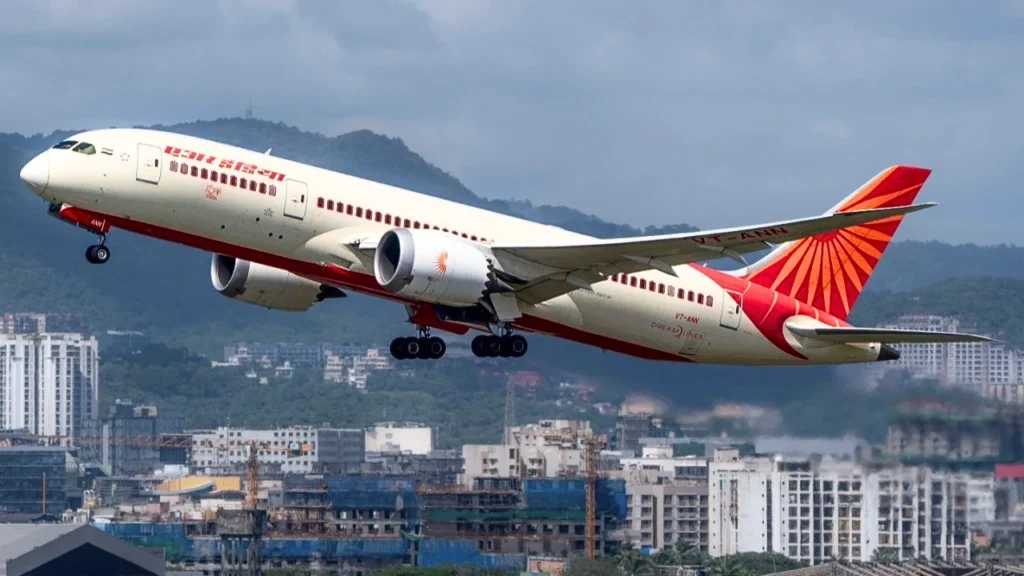
Boeing Asked for Detailed Action Plan
DGCA has formally sought a comprehensive report from Boeing on the uncommanded RAT deployment, including details of any similar incidents reported globally across the Boeing 787 fleet. The regulator also requested data on Service Difficulty Reports received from other operators after PCM module changes.
Boeing’s engineering team has been asked to outline specific preventive measures and maintenance recommendations to avoid recurrence.
Meanwhile, DGCA confirmed that Boeing-recommended checks were performed on the affected Air India aircraft after the October 4 event, with no discrepancies found, allowing the aircraft to return to Delhi the following day.
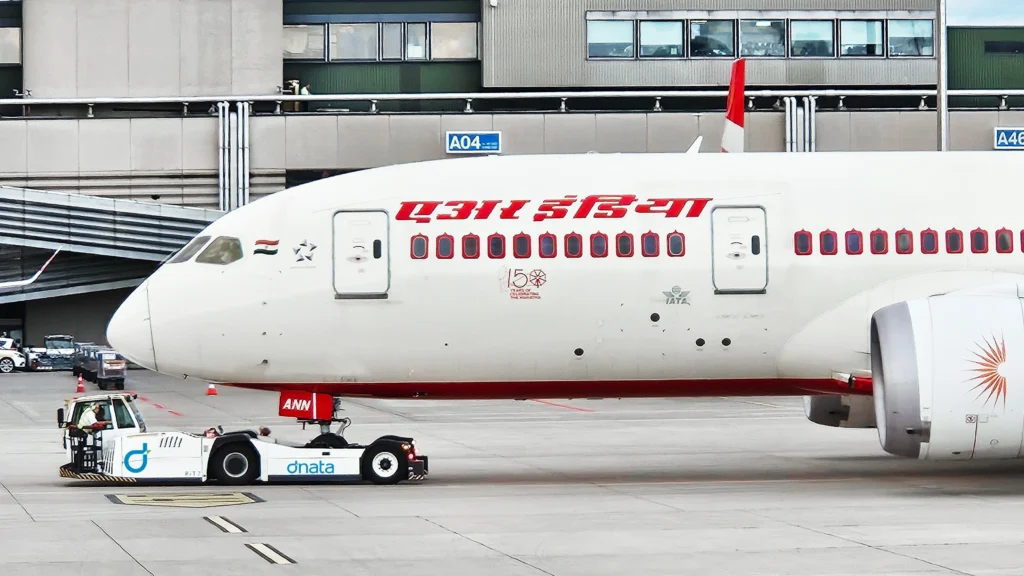
Pilots’ Federation Seeks Grounding and Audit
Following the two incidents, the Federation of Indian Pilots (FIP) wrote to the Civil Aviation Minister, urging the government to temporarily ground Air India’s entire 787 fleet pending a special safety audit.
In its letter, the FIP described multiple system failures—including autopilot, flight directors, and flight control systems degradation—on the Vienna–Delhi flight, forcing pilots to operate manually at night and divert safely to Dubai.
Air India, however, denied that the diversion involved an electrical failure, citing only a “technical issue.”
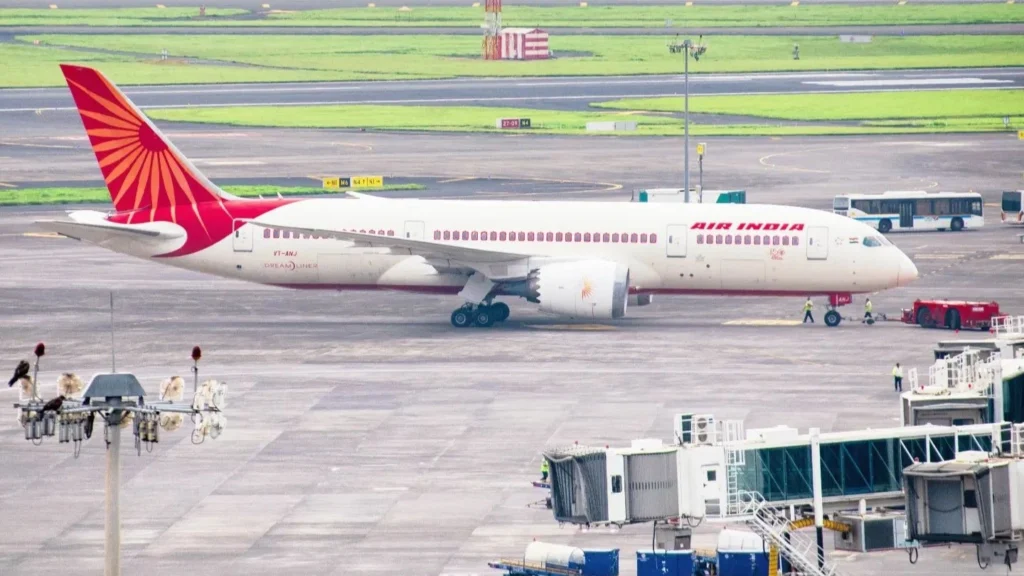
Technical Focus: PCM and RAT System
The Power Conditioning Module (PCM) is a key electrical unit that regulates and distributes power to various aircraft systems. A malfunction or installation issue can potentially affect several subsystems, including autopilot and RAT deployment.
The DGCA’s directive emphasizes the need to examine recent PCM replacements, review Air India’s maintenance documentation, and ensure compliance with Boeing’s procedural updates.
The investigation aims to confirm whether the RAT deployments were isolated events or linked to a deeper electrical integration issue.
Stay tuned with us. Further, follow us on social media for the latest updates.
Join us on Telegram Group for the Latest Aviation Updates. Subsequently, follow us on Google News
