

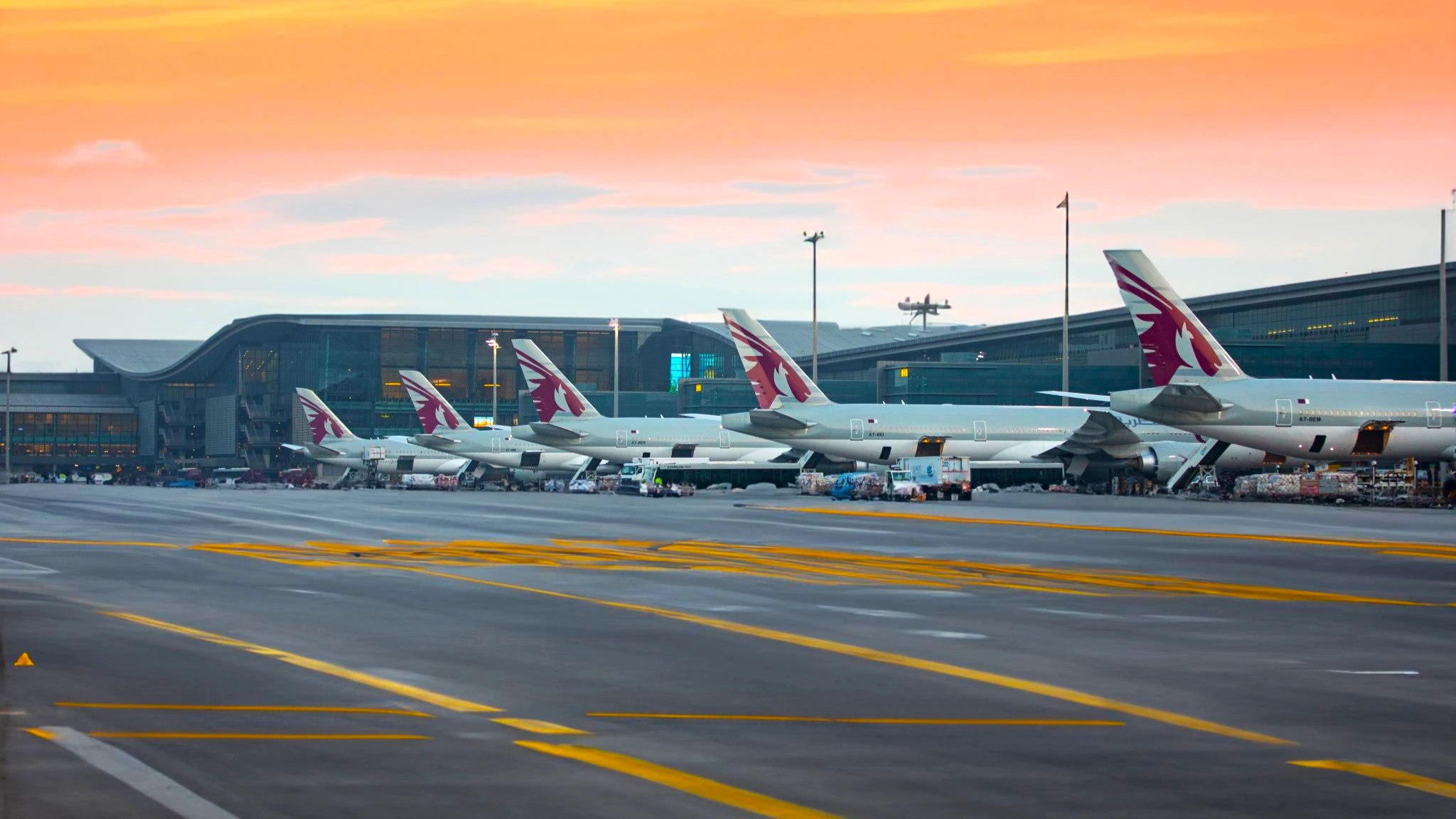
DOHA- Qatar’s aviation sector maintained steady growth in September 2025, with Qatar Airways (QR) and Hamad International Airport (DOH) driving year-on-year gains in passenger traffic and aircraft movements, according to the Qatar Civil Aviation Authority (QCAA).
Preliminary QCAA figures show continued momentum in flight operations and passenger volumes, even as global freight demand softened, reflecting Qatar’s strengthened position as a regional and international transit hub.
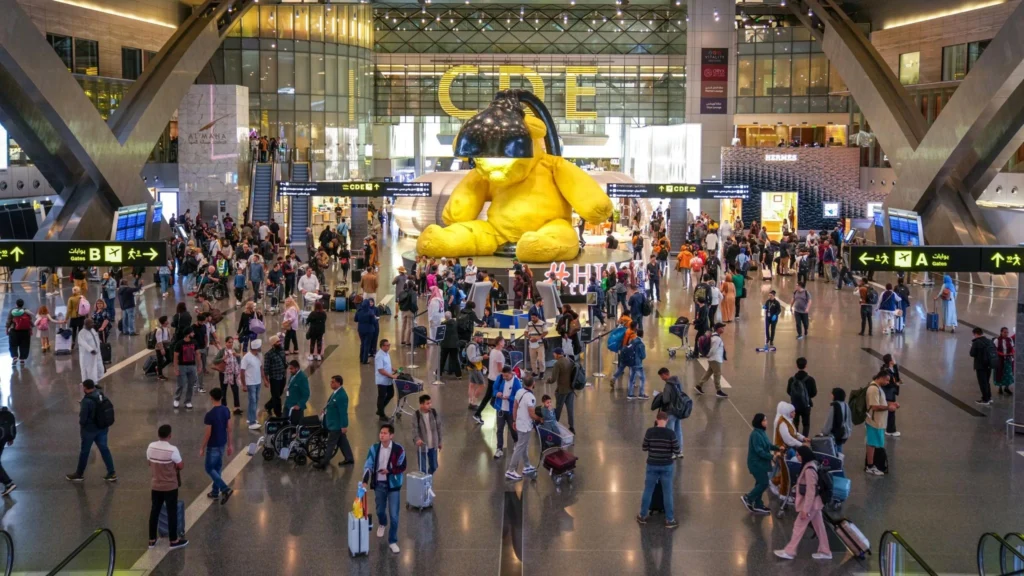
Doha Hamad Airport Traffic Figures
Qatar’s air transport performance in September 2025 highlighted solid year-on-year expansion. Aircraft movements reached 23,759, compared to 22,917 in September 2024—a 3.7 percent increase.
Passenger numbers rose to 4.4 million from 4.2 million a year earlier, up 5.4 percent, underscoring consistent demand through Hamad International Airport (DOH).
According to aviation analyst and ICAO Ground Instructor Khamis Abdullah Alkhelaifi, this growth stems from a combination of seasonal travel, corporate demand, and network expansion.
Passenger volumes are expected to rise between 4 and 6 percent annually, aligned with August’s 6.4 percent increase. Sustained regional and international demand continues to support the upward trend.
Alkhelaifi added that the momentum from the summer travel season remained evident, driven by connecting traffic through Doha and a rebound in corporate travel as conferences and business events resumed. The continued expansion of Qatar Airways’ (QR) network—especially in Asia and Africa—has strengthened Doha’s position as a global transfer hub.
Aircraft movements mirrored passenger growth, reflecting efficient scheduling and expanded flight frequencies. The addition of new routes and services by Qatar Airways and partner airlines continues to improve aircraft utilization and connectivity.
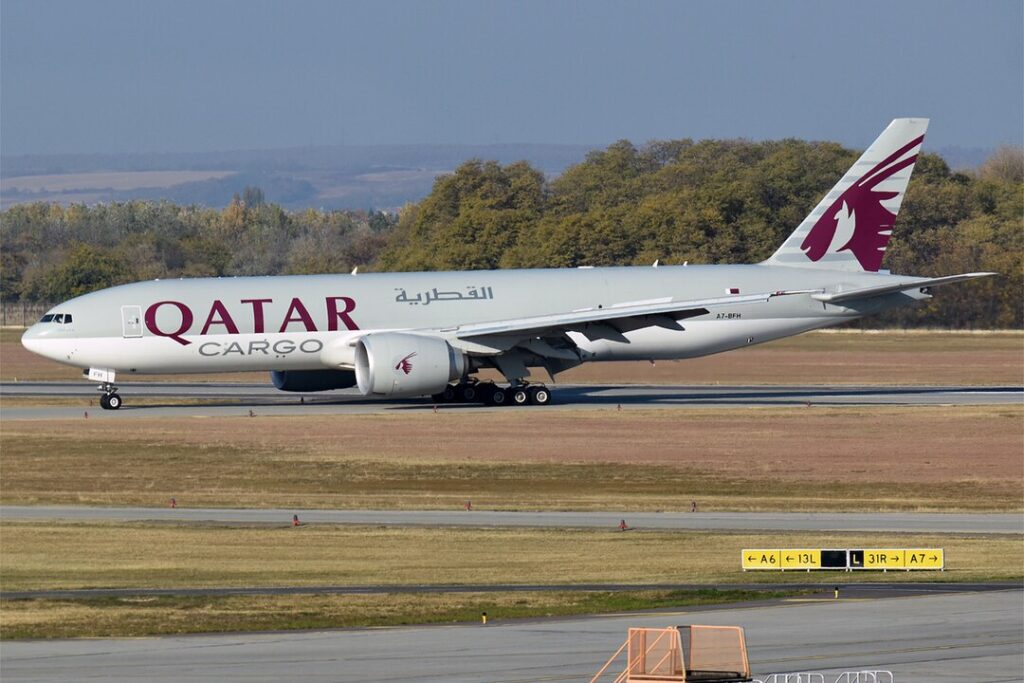
Air Cargo Declines Amid Global Market Trends
While passenger and aircraft activity increased, air cargo and mail volumes declined 4 percent year-on-year, from 230,771 tonnes to 221,506 tonnes. This moderation aligns with broader global freight trends, affected by weaker trade and slowing industrial output.
Alkhelaifi noted that the decline, within a range of 3 to 5 percent, reflects a normalization in supply chains and the return of sea freight as a cost-effective alternative.
“Competition from sea freight has regained traction, which naturally impacts air cargo volumes,” he said.
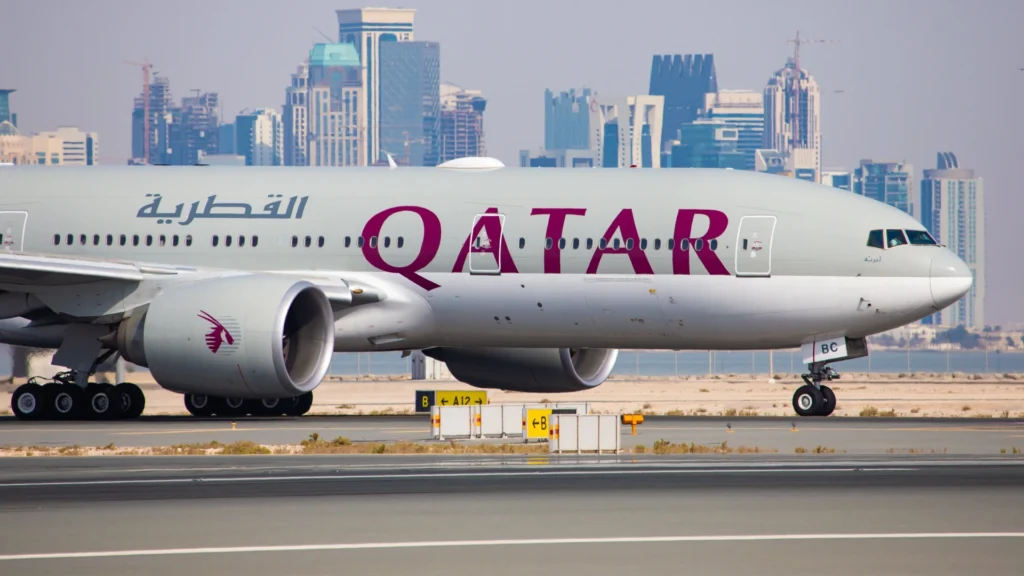
Seasonal Adjustments and Outlook
September traditionally marks a transition period following the peak summer travel season. As schools resumed and family travel slowed, airlines adjusted capacity, reducing frequencies on leisure-heavy routes while maintaining strong business and regional connections.
Despite the seasonal lull, Qatar’s aviation sector remains resilient. The analyst expects a renewed uptick in air traffic from late October through December, supported by returning corporate travel, major events, and continued network growth.
Stay tuned with us. Further, follow us on social media for the latest updates.
Join us on Telegram Group for the Latest Aviation Updates. Subsequently, follow us on Google News
