

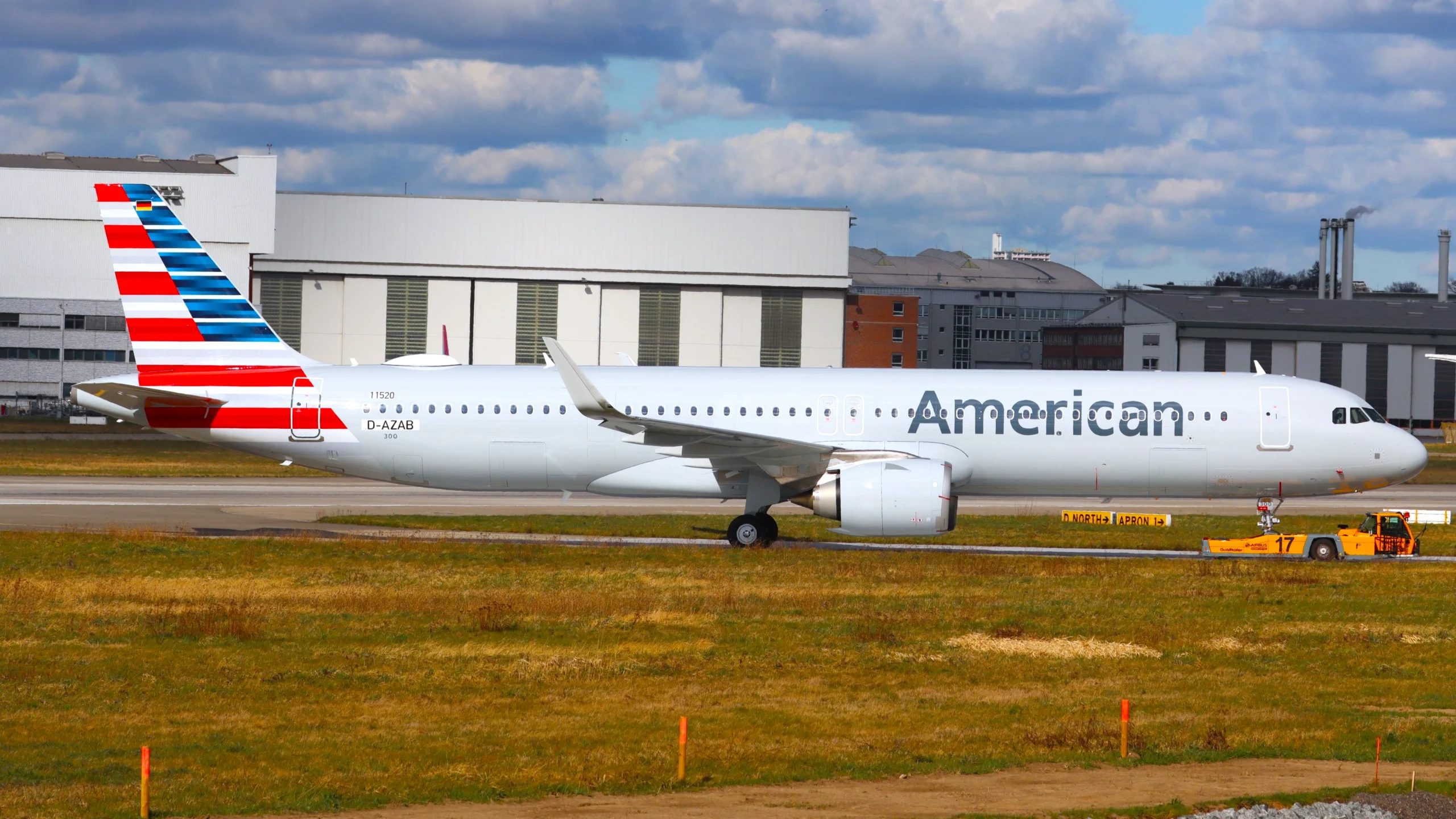
FORT WORTH- Inspectors from the Federal Aviation Administration (FAA) observed a series of specialized training flights by American Airlines (AA) as domestic pilots transitioned to international long-haul operations.
The flights operated between Philadelphia (PHL) and Edinburgh, Scotland (EDI), preparing crews to handle transatlantic routes aboard narrowbody aircraft.
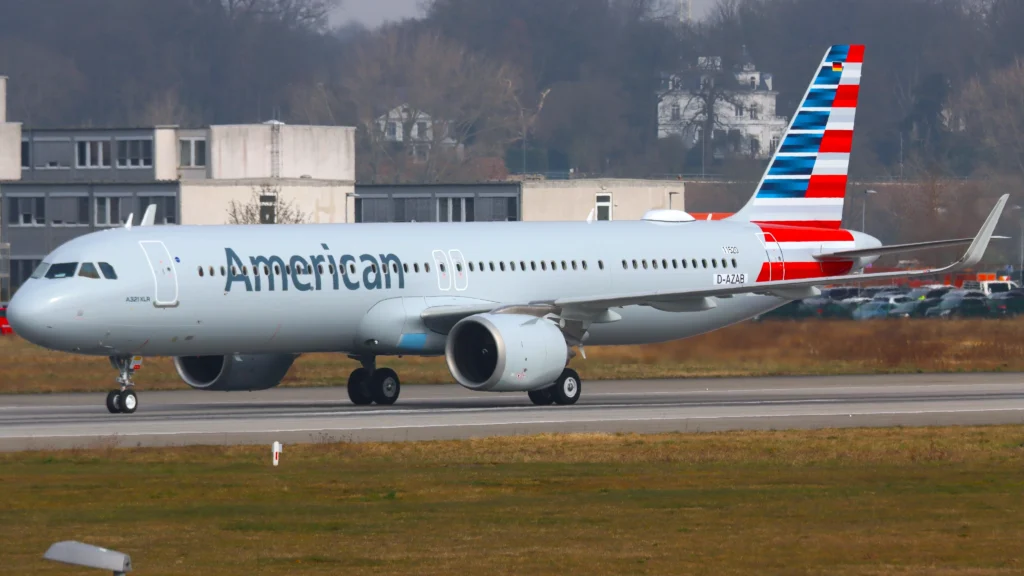
The training focused on equipping pilots to manage complex Atlantic procedures ahead of the airline’s introduction of the Airbus A321XLR, a next-generation single-aisle aircraft with extended range.
These sessions are part of American Airlines’ broader effort to expand its transatlantic network with more fuel-efficient planes.
American Airlines A321XLR Routes
American Airlines conducted 42 non revenue flights between Philadelphia and Edinburgh during September, each closely monitored by FAA inspectors.
These missions allowed experienced check pilots to master the operational demands of oceanic flying, an environment dramatically different from domestic routes.
According to PYOK, the airline’s training emphasized mastering North Atlantic procedures, including the North Atlantic Track System (NATS), a dynamic, wind-dependent routing structure often referred to as a “highway in the sky.”
Pilots also trained to operate without radar coverage, relying instead on position reporting and satellite communication systems.
Captain Josh Hall, American’s A320 Fleet Captain, described the program as “a huge success” and credited collaboration between the FAA, check pilots, and technical teams for its effectiveness.
This phase completed the groundwork for training the next group of “line pilots” who will regularly operate transatlantic flights.
Aircraft Delivery and Deployment
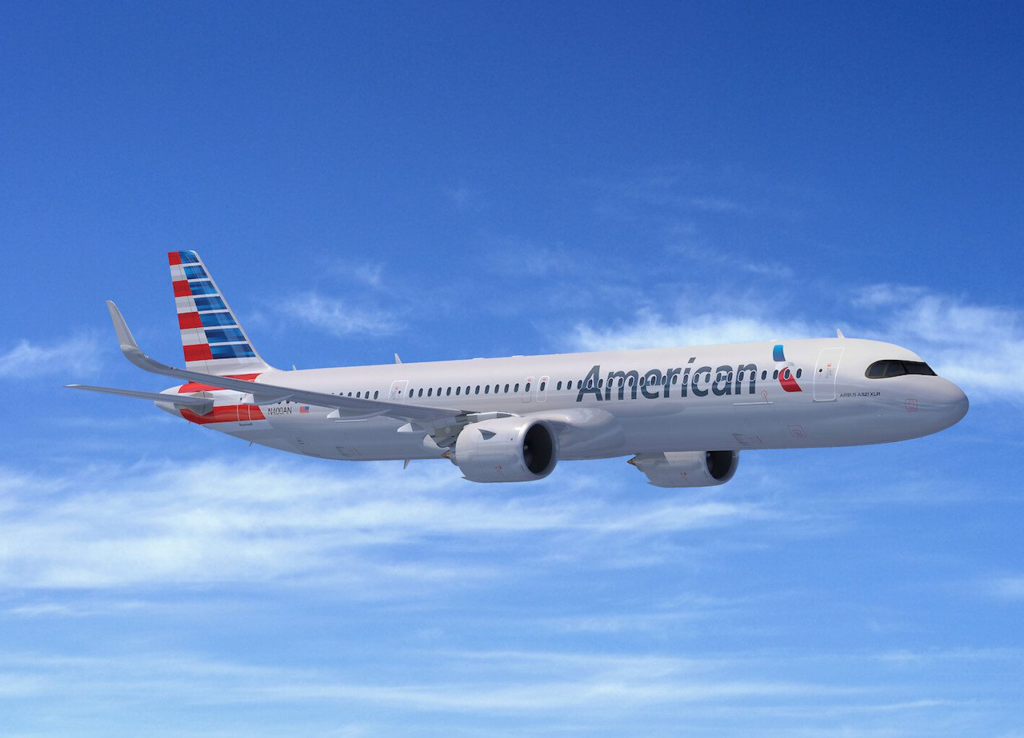
The Airbus A321XLR will be pivotal in reshaping American Airlines’ long-haul strategy.
With a maximum range of 4,700 nautical miles, the aircraft can connect mid-sized US cities directly to European destinations previously unsustainable for larger widebody jets.
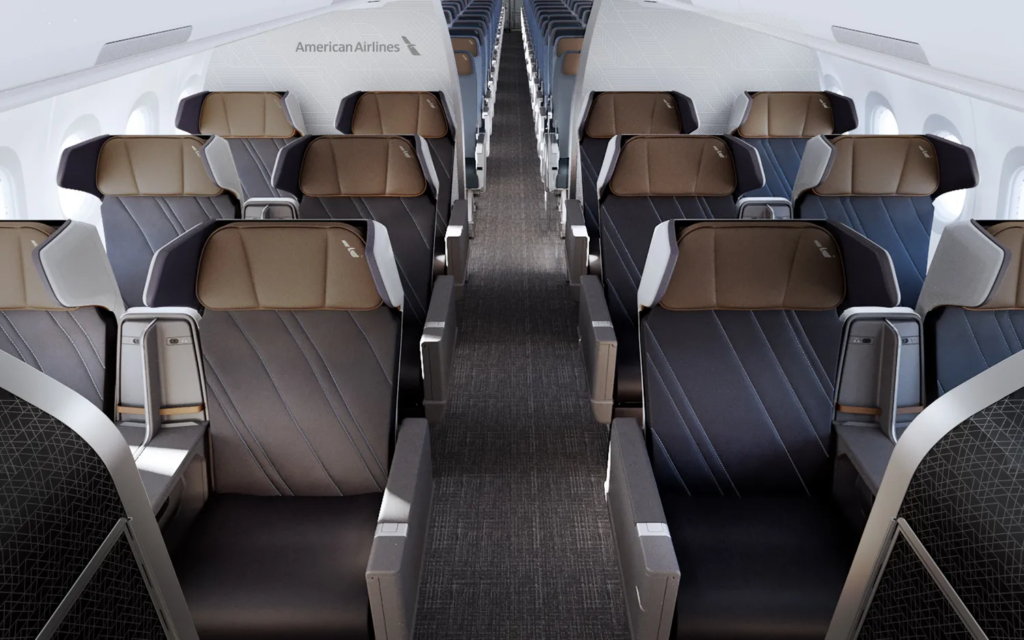
American Airlines expects to take delivery of its first A321XLR by the end of the year. However, it will initially serve a domestic route between New York (JFK) and Los Angeles (LAX) before transitioning to transatlantic operations once cabin configurations and Flagship Business Class installations are finalized.
Potential Future Routes
While official routes remain undisclosed, the A321XLR is expected to serve markets with moderate demand rather than major hub-to-hub corridors. Likely pairings include:
- Charlotte (CLT) – Edinburgh (EDI) (3,299 nm)
- Miami (MIA) – Milan (MXP) (4,285 nm)
- Philadelphia (PHL) – Naples (NAP) (3,906 nm)
- Philadelphia (PHL) – Milan (MXP) (3,553 nm)
These routes illustrate how American Airlines can deploy smaller, fuel-efficient aircraft to open new connections between secondary cities on both sides of the Atlantic.
Future Outlook
The A321XLR’s entry represents a major milestone in American Airlines’ transatlantic growth strategy.
By training pilots early and ensuring FAA compliance, the airline is positioning itself to maximize operational efficiency and flexibility once the new fleet enters service.
This approach reflects a broader industry trend toward using long-range narrowbody aircraft to balance cost control with international network expansion.
Stay tuned with us. Further, follow us on social media for the latest updates.
Join us on Telegram Group for the Latest Aviation Updates. Subsequently, follow us on Google News
