

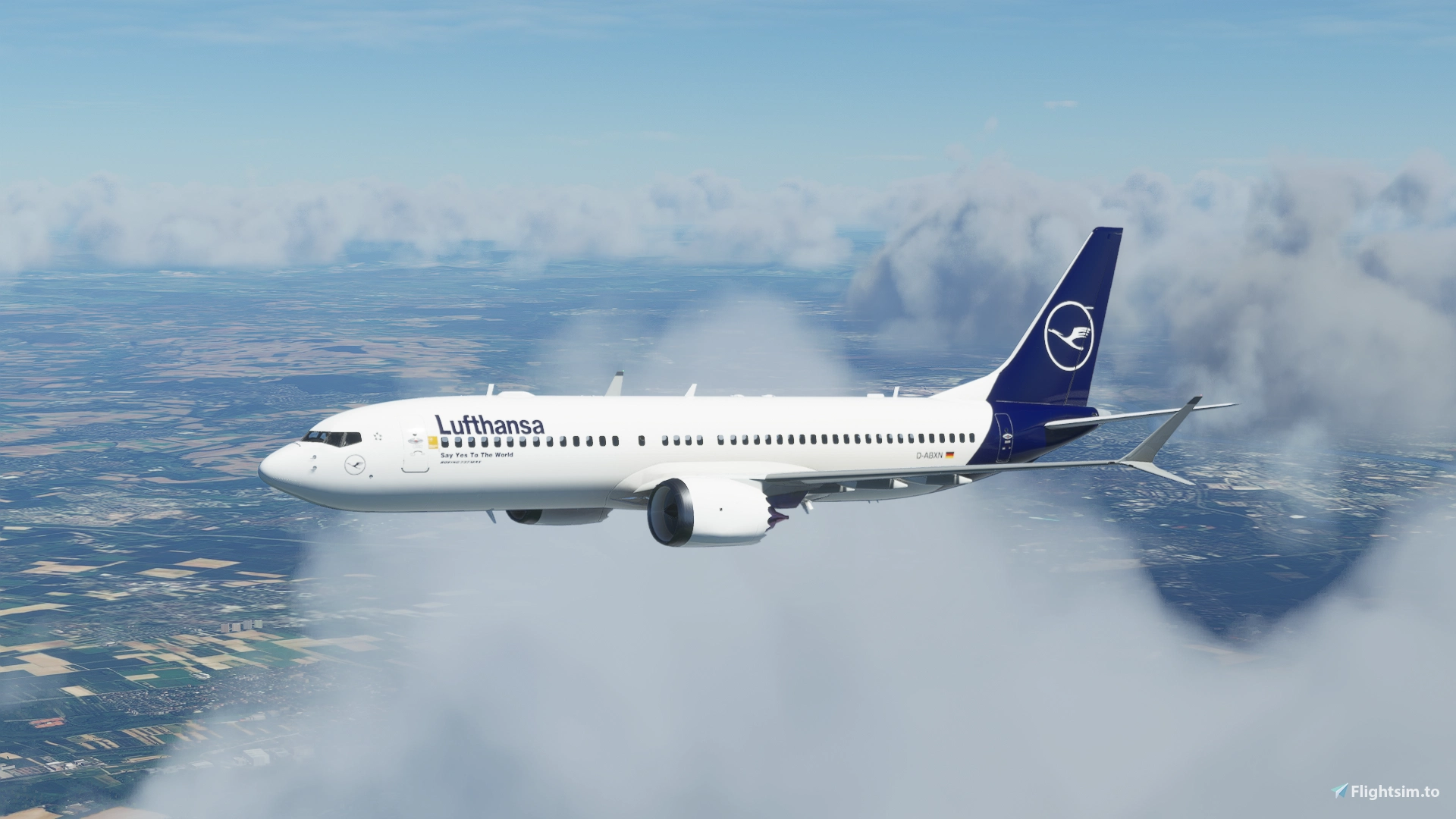
FRANKFURT- Lufthansa Group (LH) is expanding its short- and medium-haul fleet with 20 Boeing 737 MAX 10 aircraft after its Supervisory Board approved the exercise of purchase options.
The aircraft will begin arriving in the early 2030s and will gradually replace older Airbus A320 family aircraft across the group, supporting capacity growth and fleet efficiency.
Lufthansa Group Expands Boeing 737 MAX Order
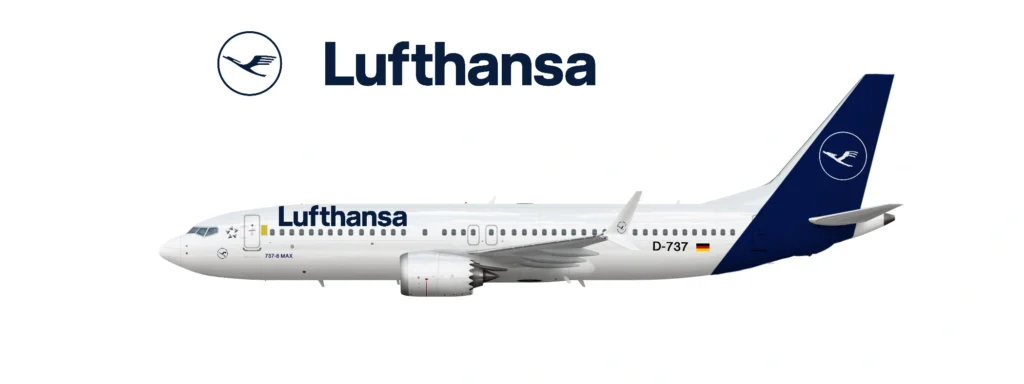
Lufthansa Group has approved the exercise of options for 20 Boeing 737 MAX 10 aircraft, adding to its existing commitment for the Boeing 737 MAX family.
The purchase rights were secured under Lufthansa Group’s 2023 agreement for 40 Boeing 737 MAX 8 aircraft. That agreement included 60 purchase options for additional aircraft from the Boeing 737 MAX family.
The latest decision allows Lufthansa Group to strengthen its long-term fleet planning while adding a larger aircraft variant to its future short- and medium-haul fleet.
Deliveries of the newly selected Boeing 737 MAX 10 aircraft are scheduled to begin in the early 2030s. The aircraft will gradually replace older Airbus A320 family aircraft as Lufthansa Group continues its fleet renewal program.
Boeing 737 MAX 10 to Add More Capacity
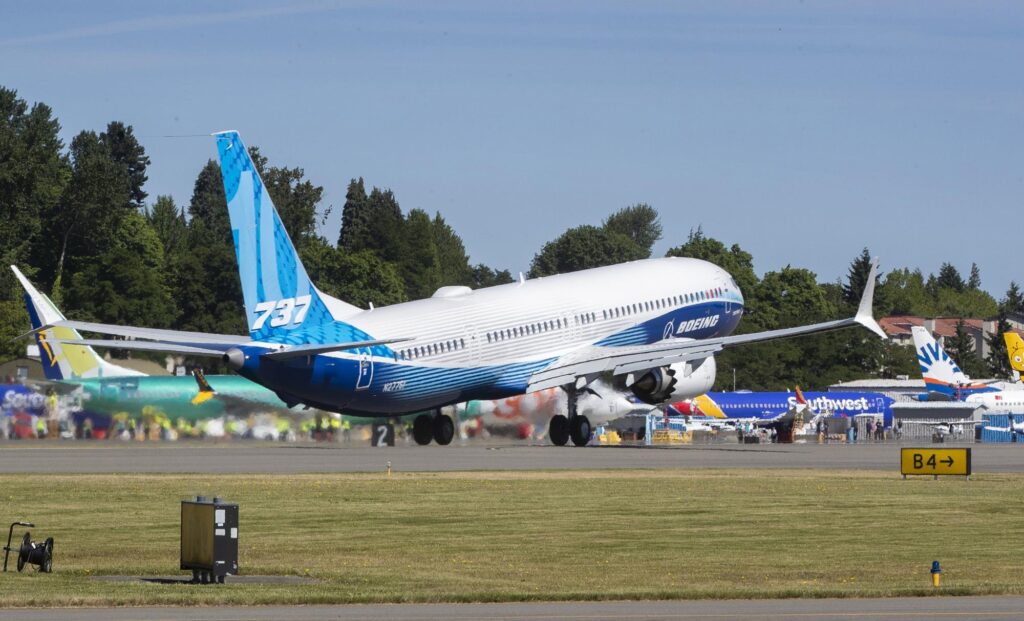
The Boeing 737 MAX 10 is the largest aircraft in the Boeing 737 MAX family. Its larger size provides more seating capacity than the Boeing 737 MAX 8 aircraft already ordered by Lufthansa Group.
The additional capacity is designed to support Lufthansa Group’s operations on European routes where higher passenger demand can be served with a larger narrowbody aircraft.
The MAX 10 will also introduce newer-generation aircraft technology to parts of the group’s short- and medium-haul fleet. Lufthansa Group expects the aircraft to contribute to both operational efficiency and lower emissions compared with the older aircraft it will replace.
Lower Fuel Consumption and Operating Costs
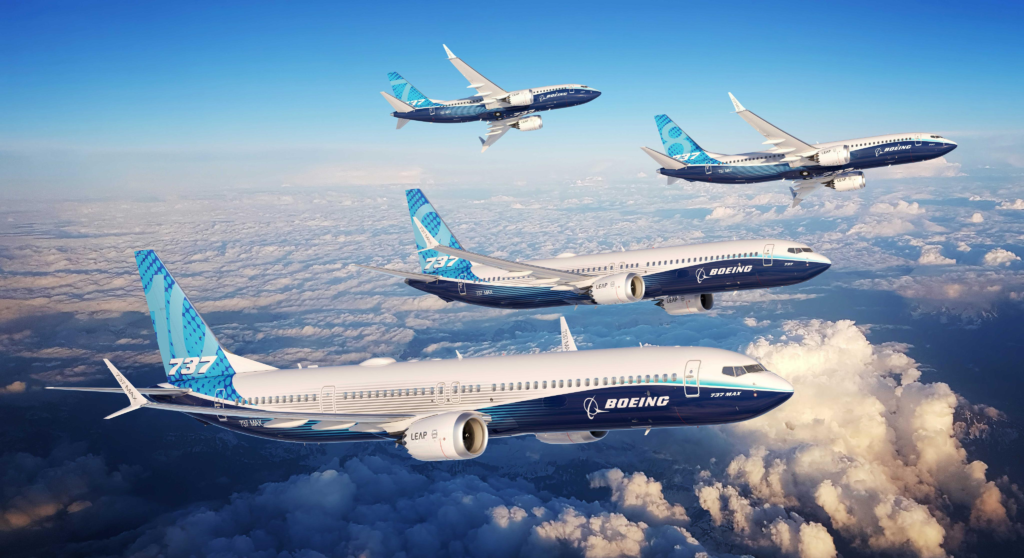
According to Lufthansa Group, the Boeing 737 MAX 10 will consume around 30 percent less fuel than the older aircraft it is intended to replace.
Its higher seating capacity is also expected to reduce unit costs by approximately 20 percent. These improvements are particularly relevant for European operations, where narrowbody aircraft form a major part of airline capacity.
Lower fuel consumption can reduce the amount of fuel required for individual flights, while improved seating capacity allows more passengers to be carried within the aircraft’s operating cost structure.
Lufthansa Group said the new aircraft will therefore contribute to reducing CO₂ emissions while improving efficiency across its European network.
$3.4 Billion List Value
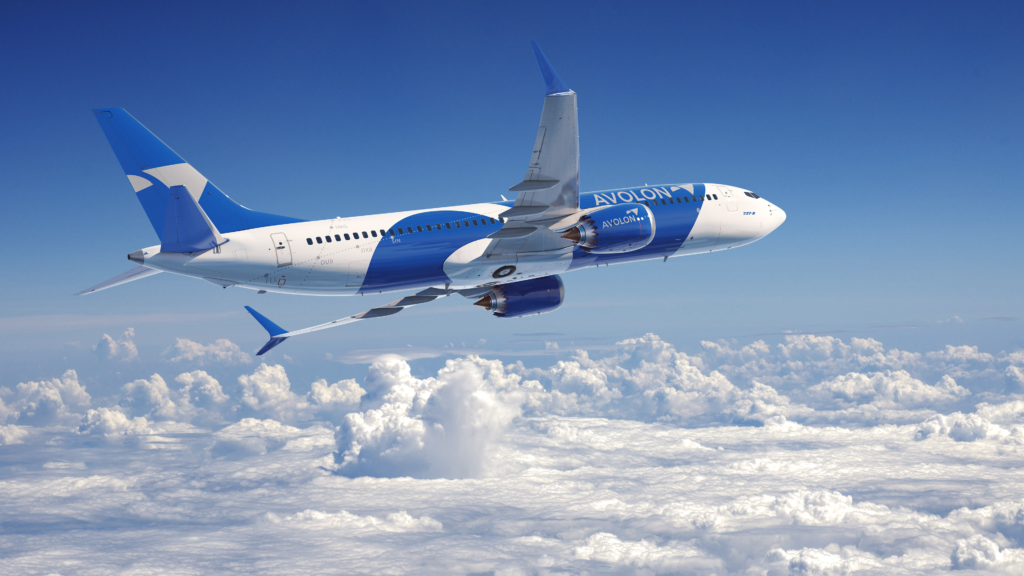
The 20-aircraft order has a list value of approximately USD 3.4 billion. Actual transaction values can differ from published list prices because aircraft manufacturers and airlines typically negotiate commercial terms.
The order forms part of Lufthansa Group’s wider fleet modernization strategy. The group is investing in new aircraft to progressively replace older models and maintain a more modern fleet over the coming decade.
Lufthansa Group Plans More Than 250 New Aircraft by 2035
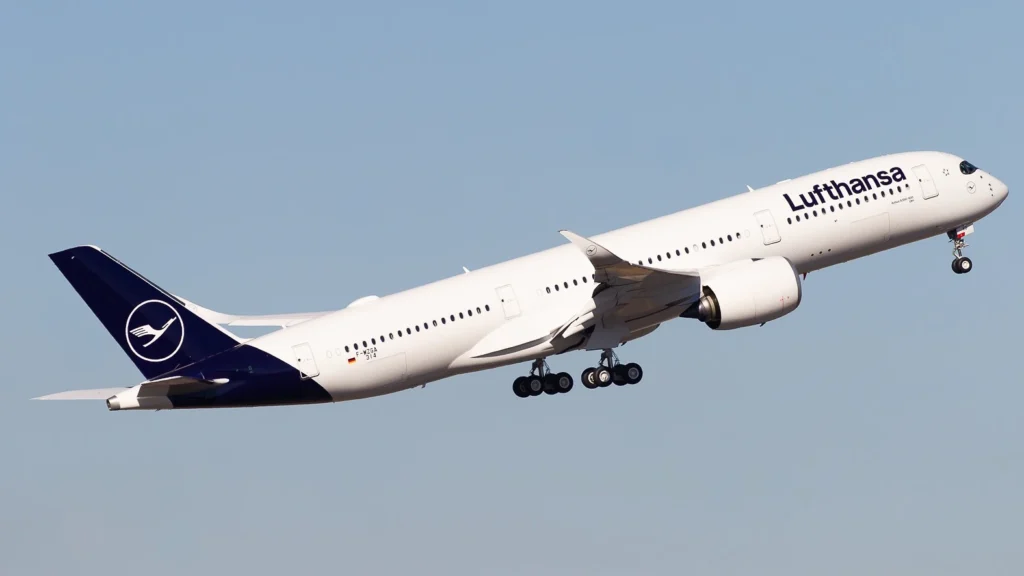
Lufthansa Group expects to receive more than 250 new aircraft by 2035 as it continues its fleet renewal program.
The planned deliveries cover the group’s long-term investment in newer and more efficient aircraft. The strategy is intended to improve fleet efficiency while providing additional capacity across the group’s network.
The Boeing 737 MAX 10 commitment adds another aircraft type to Lufthansa Group’s future narrowbody fleet planning. Its larger capacity compared with the MAX 8 gives the group another option for replacing older Airbus A320 family aircraft on suitable routes.
The aircraft will enter the fleet in the early 2030s, meaning its impact will form part of Lufthansa Group’s longer-term fleet transition rather than its immediate capacity plans.
What the Boeing 737 MAX 10 Means for Lufthansa Group
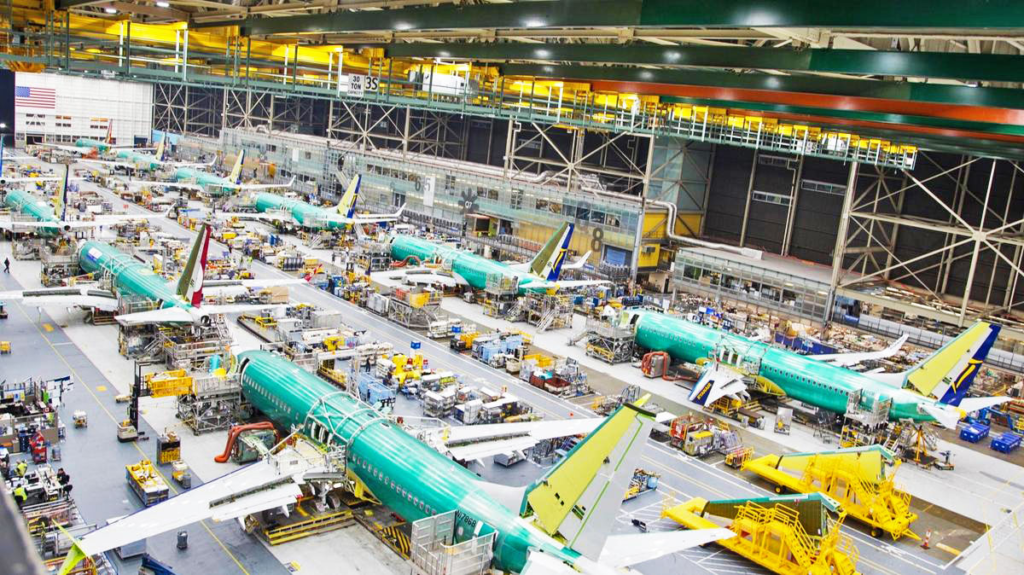
The exercise of the 20 options gives Lufthansa Group additional certainty over part of its future narrowbody fleet requirements.
The combination of higher seating capacity, lower fuel consumption and reduced unit costs is expected to support the group’s efficiency objectives. The aircraft will also contribute to the gradual renewal of its European fleet as older aircraft leave service.
With more than 250 new aircraft expected to be delivered by 2035, the Boeing 737 MAX 10 represents one element of a broader fleet modernization program focused on capacity, efficiency and emissions reduction.
