

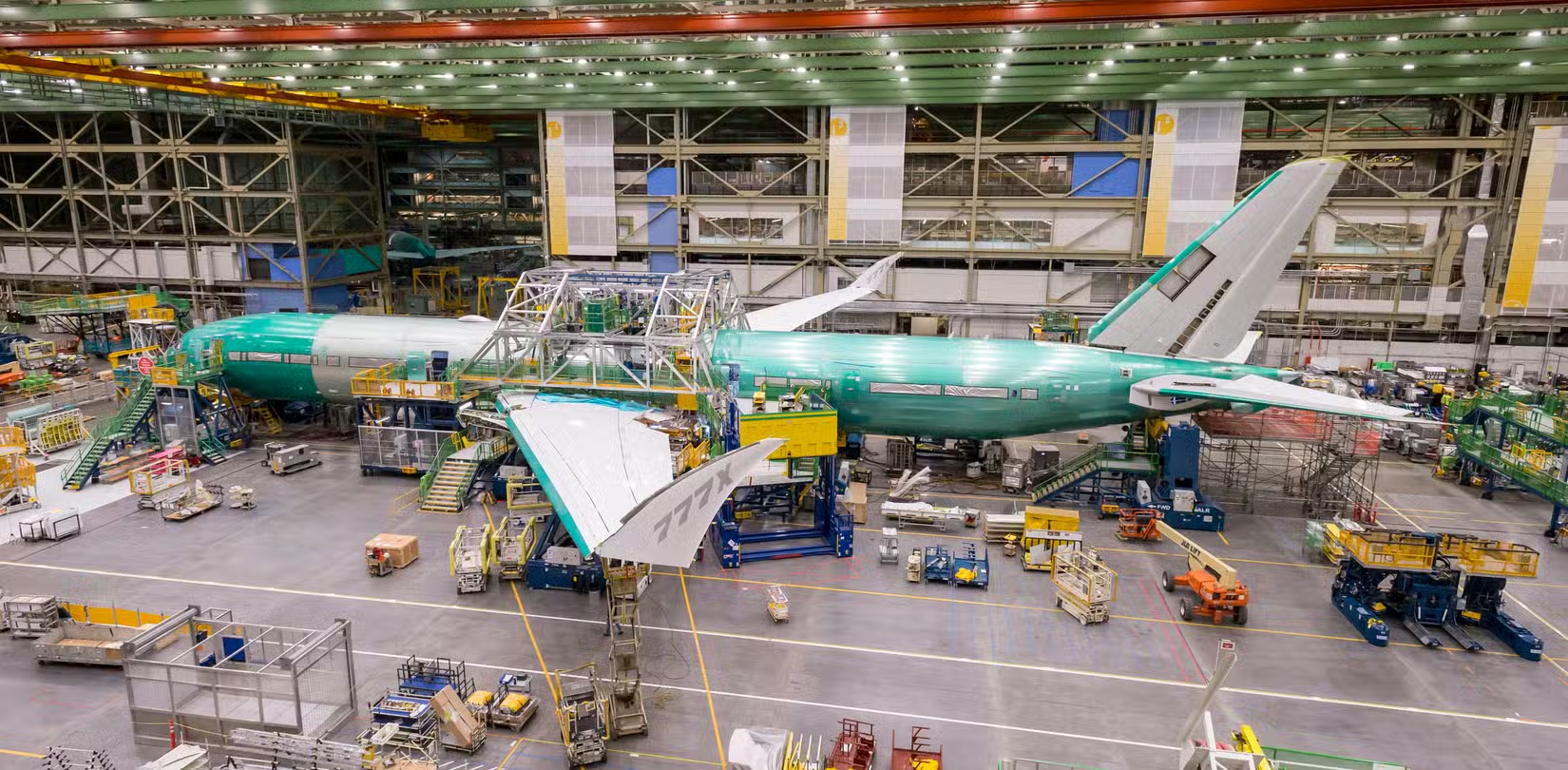
EVERETT— Boeing 777X is entering the final stages of a development program that has stretched far beyond its original schedule.
The first airline delivery is still targeted for 2027, with Lufthansa (LH) expected to become the launch operator after the first customer-configured 777-9 completed its maiden flight from Everett’s Paine Field (PAE) in May 2026.
The aircraft has made substantial progress, but certification and delivery require more than successful flight testing.
Boeing must still address engine certification work, complete remaining Federal Aviation Administration (FAA) requirements, validate production-standard aircraft, modify older airframes and secure customer acceptance before the 777X can finally enter commercial service.

Boeing GE9X Certification Work Continues
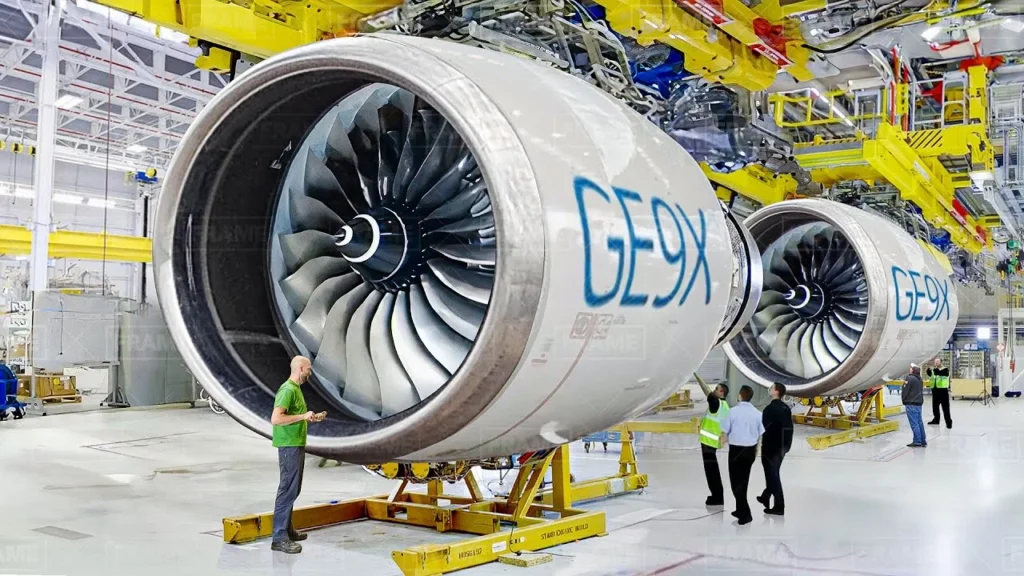
The GE9X remains one of the most important pieces of the 777X certification program.
GE Aerospace identified a durability issue with a mid-seal in February 2026, found the root cause in April and redesigned the component, with improved seals beginning to ship during the third quarter.
GE Aerospace remains confident that the issue will not delay the planned 2027 entry into service. However, the redesigned seal requires separate FAA approval, while additional engine certification work could continue into 2027 and is linked to the wider certification sequence.
FAA And Flight Testing Progress
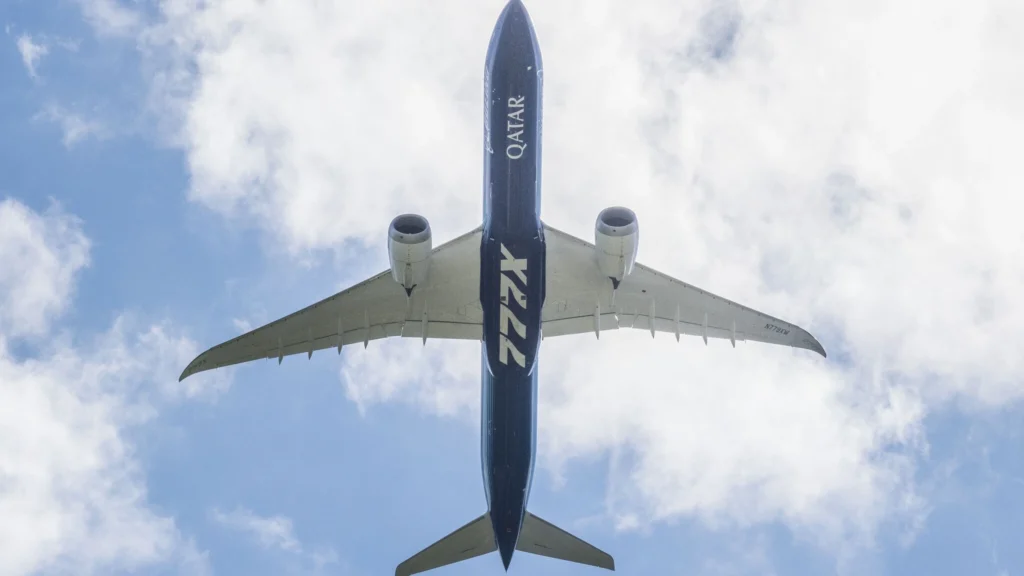
Boeing has already crossed several major certification milestones, but the 777-9 is not yet fully certified. By July 2026, the test fleet had completed more than 4,800 flight hours and about 1,700 flights, with roughly half of the planned certification testing finished.
The remaining work includes TIA 5, ETOPS-focused authorizations and other certification deliverables.
ETOPS approval is particularly important because the 777-9 is designed for long-haul twin-engine operations, while Boeing must also complete operational proving and testing on production-standard aircraft.
The first Lufthansa 777-9 provides an important part of that process because it carries a complete passenger cabin rather than a test interior.
Boeing said the aircraft would undergo ground and flight testing focused on cabin systems and connectivity, helping establish the configuration intended for customer deliveries.
Rework And Customer Acceptance
Another challenge comes from aircraft that Boeing built years before the 777X received certification.
These early 777-9s cannot simply be delivered in their original configurations, so Boeing has created a change-incorporation process to bring individual aircraft up to the required production standard.
The scale of that work is significant. Boeing has indicated that around 30 aircraft are involved in the change-incorporation process, while one early 777-9, WH007, was dismantled after Boeing determined that completing and updating the aircraft was not economically practical.
Customer acceptance adds another hurdle. Emirates has said it will not accept its first 10 or 11 777-9s because of their age and the extensive modifications required, showing that certification alone will not guarantee that every early-built aircraft reaches an airline.
Boeing therefore faces a complicated final stretch rather than one remaining certification event. The GE9X, FAA approvals, production testing, aircraft rework, and airline acceptance must all align before Lufthansa can receive the first 777-9 in 2027, Simple Flying reported.
Stay tuned with us. Further, follow us on social media for the latest updates.
Join us on Telegram Group for the Latest Aviation Updates. Subsequently, follow us on Google News
