

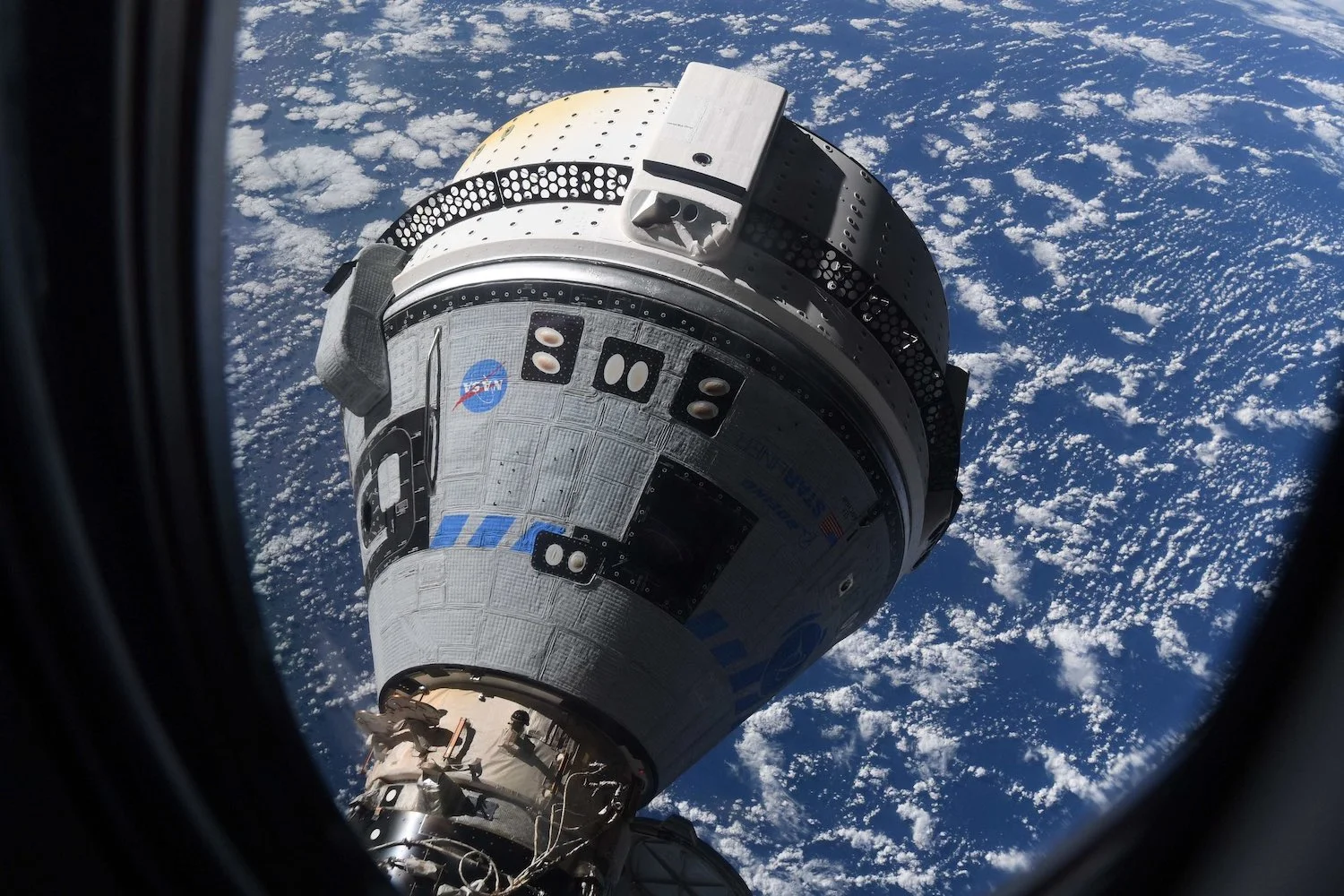
FLORIDA- NASA and Boeing are preparing an uncrewed flight of the Starliner spacecraft to the International Space Station (ISS) in December 2026 or January 2027, as the companies work to restore the spacecraft’s operational readiness.
The planned mission, Starliner-1, will test modifications introduced after the spacecraft’s 2024 Crew Flight Test and help determine whether it can safely transport astronauts again.
The mission will take place in low Earth orbit, with the ISS serving as the destination for the spacecraft’s return-to-flight demonstration.
NASA aims to launch astronauts aboard Starliner-2 by 2028, but the spacecraft must complete additional testing, demonstrate reliable propulsion performance, and meet the agency’s certification requirements before resuming crewed operations.
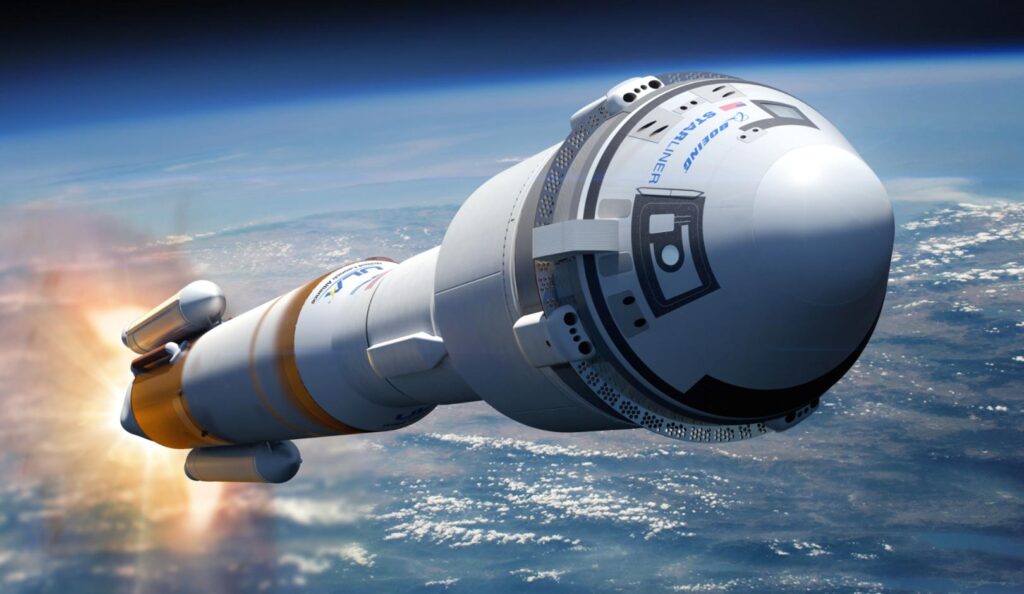
Boeing Starliner-1 Tests
Starliner-1 will allow NASA and Boeing to evaluate changes to the spacecraft’s thermal environment and collect propulsion-system data required for qualification.
The results will help engineers determine whether the modifications have addressed the technical problems identified during the previous crewed test flight.
The 2024 Crew Flight Test encountered problems with Starliner’s service-module reaction-control system.
An investigation found that the thrusters operated outside their engineering qualification, while ground testing and analysis linked the performance issues to a combination of thermal conditions and characteristics of the propulsion system’s design.
NASA will use the upcoming uncrewed flight to assess the spacecraft under operational conditions and identify any remaining risks.
The results will inform decisions about further modifications and the steps needed to certify Starliner for carrying astronauts.
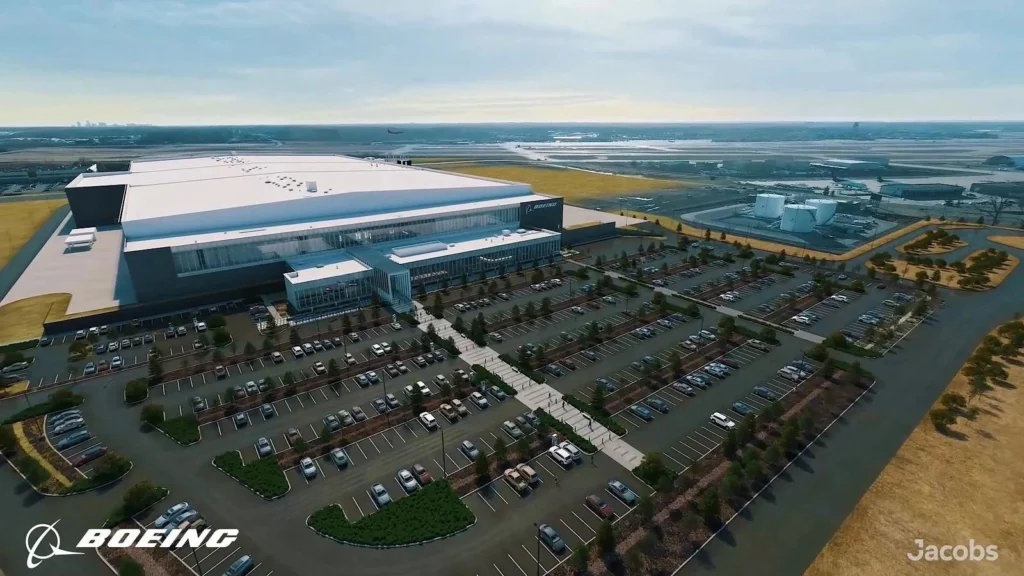
Boeing Upgrades Starliner
Boeing has already implemented thermal modifications to the service module, which NASA plans to evaluate during Starliner-1.
The companies are also developing changes to the service-module thruster valves to address poppet-seal extrusion, a problem that can adversely affect thruster performance.
Following the uncrewed mission, Boeing plans to complete the valve modifications as part of the spacecraft’s certification process.
The company also intends to install new crew-module thrusters and batteries and make minor changes to the parachute system to improve performance and reliability.
NASA’s Program Investigation Team identified 61 recommendations after examining the 2024 Crew Flight Test.
The agency is incorporating those recommendations and related corrective actions into its efforts to return Starliner to service.
These upgrades are intended to address the findings from the investigation rather than rely solely on the results of a single test flight. NASA will use the mission’s data and subsequent qualification activities to assess whether the spacecraft meets the required safety standards.
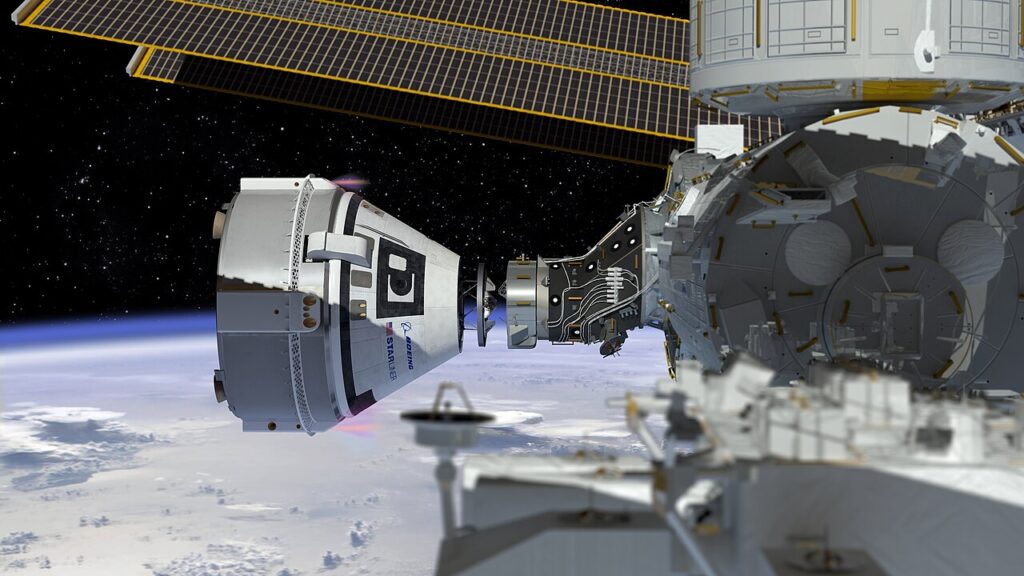
Crewed Flights By 2028
NASA currently targets Starliner-2 for 2028, when the agency hopes to resume transporting astronauts aboard Boeing’s spacecraft.
The timeline depends on the results of Starliner-1, completion of outstanding modifications, and the necessary testing and certification.
NASA also intends to exercise options for a fifth and sixth Starliner mission to and from the ISS. These potential flights would support the agency’s broader commercial crew transportation program and help maintain access to low Earth orbit.
The agency will also work with Boeing and United Launch Alliance to certify ULA’s Vulcan rocket for Starliner crew transportation after the final Atlas V launch assigned to the spacecraft, Military Aerospace reported.
NASA’s long-term objective is to maintain US crew transportation capabilities as it prepares for the eventual transition from the ISS to commercial space stations.
Stay tuned with us. Further, follow us on social media for the latest updates.
Join us on Telegram Group for the Latest Aviation Updates. Subsequently, follow us on Google News
