

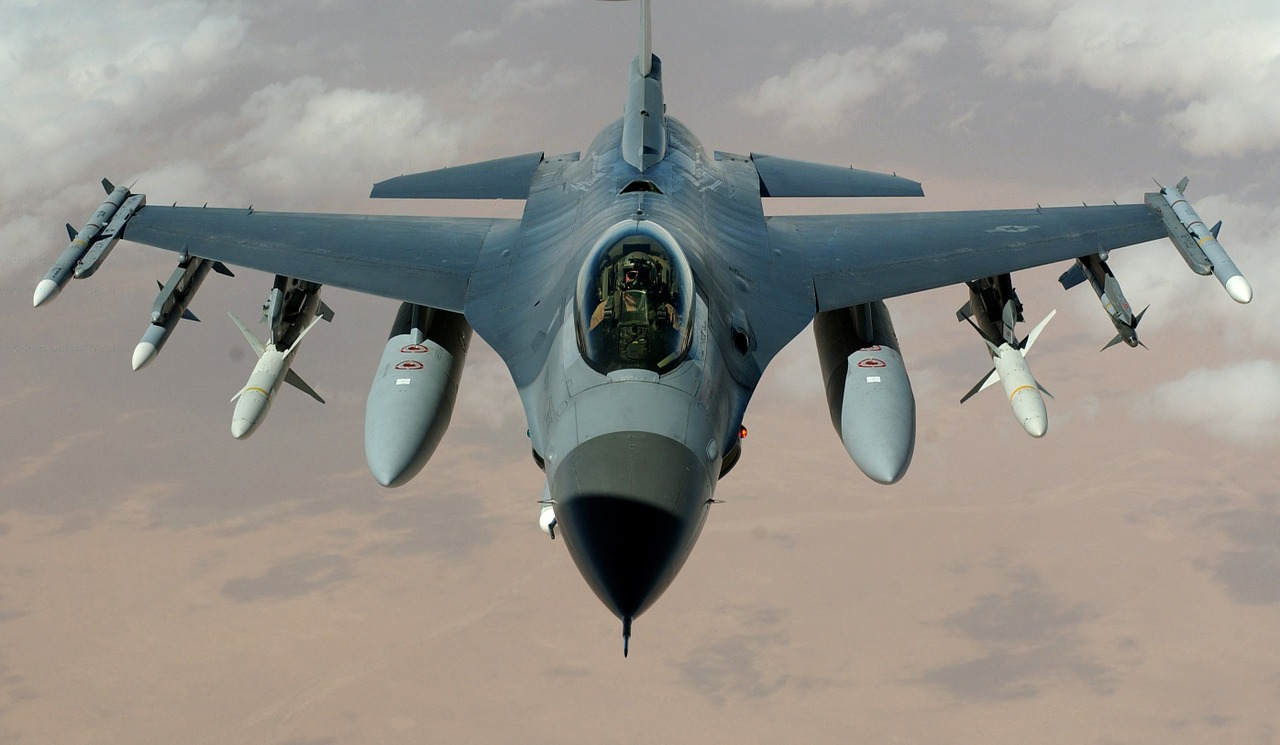
WASHINGTON— The U.S. Air Force is considering buying new F-16 Fighting Falcon fighters as it works to address capacity gaps in an aging fighter fleet.
The discussions are taking place as the service develops its proposed fiscal 2028 budget and the accompanying five-year spending plan, according to Air & Space Forces Magazine.
A new F-16 purchase would mark the first time in more than 20 years that the U.S. Air Force has ordered newly built F-16s.
The service is examining the option while Lockheed Martin continues producing the fighter for international customers at its Greenville, South Carolina, facility.

F-16 Fleet Ages
The Air Force currently has 826 F-16s in its inventory, including 484 operated by the active-duty force.
The fleet averages about 34 years old, while the newest aircraft have been flying since 2005, increasing pressure to maintain capacity as older fighters require more sustainment.
The F-16 remains an important multirole fighter for the service, performing both air-to-air and air-to-ground missions.
Some U.S. F-16s also perform suppression of enemy air defenses, a mission that has placed significant demands on the fleet during recent operations.
The Air Force has not yet defined a specific requirement for a new F-16.
A spokesperson said the Department of the Air Force remains in the early stages of analyzing options for its next Future Years Defense Program and has not established the precise mission requirements or the full range of potential solutions.
New F-16 Production
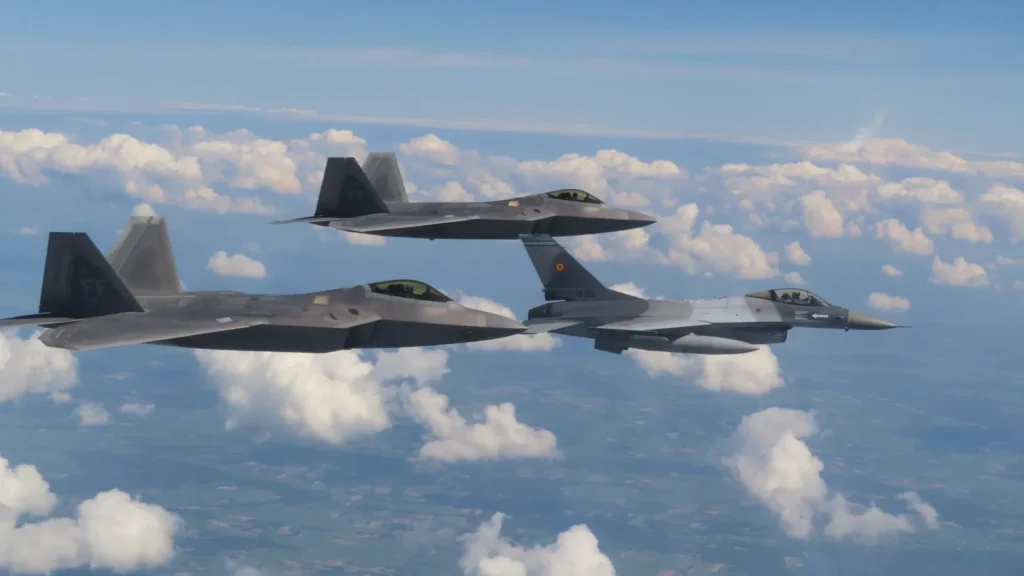
Any U.S. order would use Lockheed Martin’s existing F-16 production infrastructure rather than require the company to restart manufacturing.
Lockheed moved F-16 production from Fort Worth, Texas, to Greenville in 2019, where it continues building Block 70/72 aircraft for international operators.
The potential U.S. aircraft has informally been referred to as the F-16G by people familiar with the discussions.
The designation is not an official Air Force program name, and the proposed aircraft could receive capabilities beyond those found on current Block 70 fighters.
Lockheed’s Greenville facility has continued to expand its F-16 production capacity. The company has also reported a substantial international backlog, giving the Air Force an existing production line if it ultimately chooses to pursue new aircraft.
Advanced F-16 Upgrades
A new-generation U.S. F-16 could incorporate upgraded electronic warfare and targeting systems.
Northrop Grumman’s Integrated Viper Electronic Warfare Suite, or IVEWS, is designed to detect, identify, and counter radar-guided threats while working with the F-16’s APG-83 AESA radar.
The potential purchase could also affect the wider U.S. defense industry.
Pratt & Whitney announced on September 15 that Hermeus had received a license to manufacture the F100-PW-229 engine, which powers U.S. F-15 and F-16 fighters, creating another domestic production source for the engine, Air and Space Forces reported.
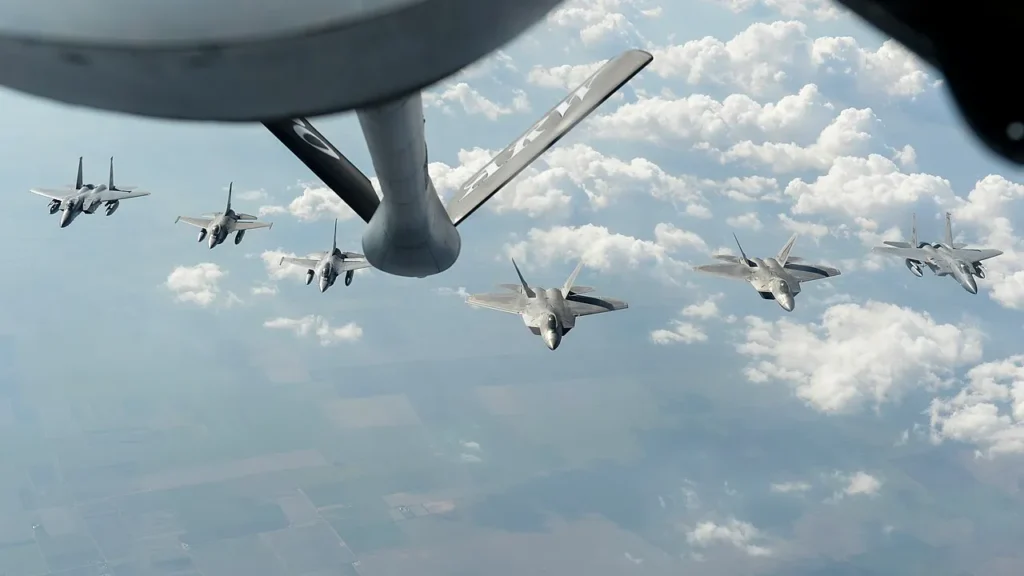
For the Air Force, the proposal would provide another option alongside the F-35A and F-15EX as it considers how to maintain fighter capacity.
However, no procurement decision has been made, and the service has yet to establish whether a new-build F-16 will form part of its future force structure.
Stay tuned with us. Further, follow us on social media for the latest updates.
Join us on Telegram Group for the Latest Aviation Updates. Subsequently, follow us on Google News
