

Beauty is one of the hardest things to measure when it comes to travel. Some travellers are drawn to dramatic mountains and deep valleys, while others prefer tropical beaches, ancient cities, colourful villages or vast open landscapes. The most beautiful countries in the world tend to be the ones that offer several of these experiences at once.
Most Beautiful Countries in the World
The 2026 list of the most beautiful countries brings together destinations known for their natural scenery, historic landmarks, distinctive architecture and varied landscapes. Greece takes the top spot, followed by New Zealand, Italy, Switzerland and Spain. Thailand, Norway, Iceland, Australia and Austria complete the top 10.
What makes this list particularly interesting is the variety. From Mediterranean islands and Alpine peaks to volcanic landscapes, tropical coastlines and vast wilderness areas, these countries demonstrate just how different beauty can look around the world.

1. Greece
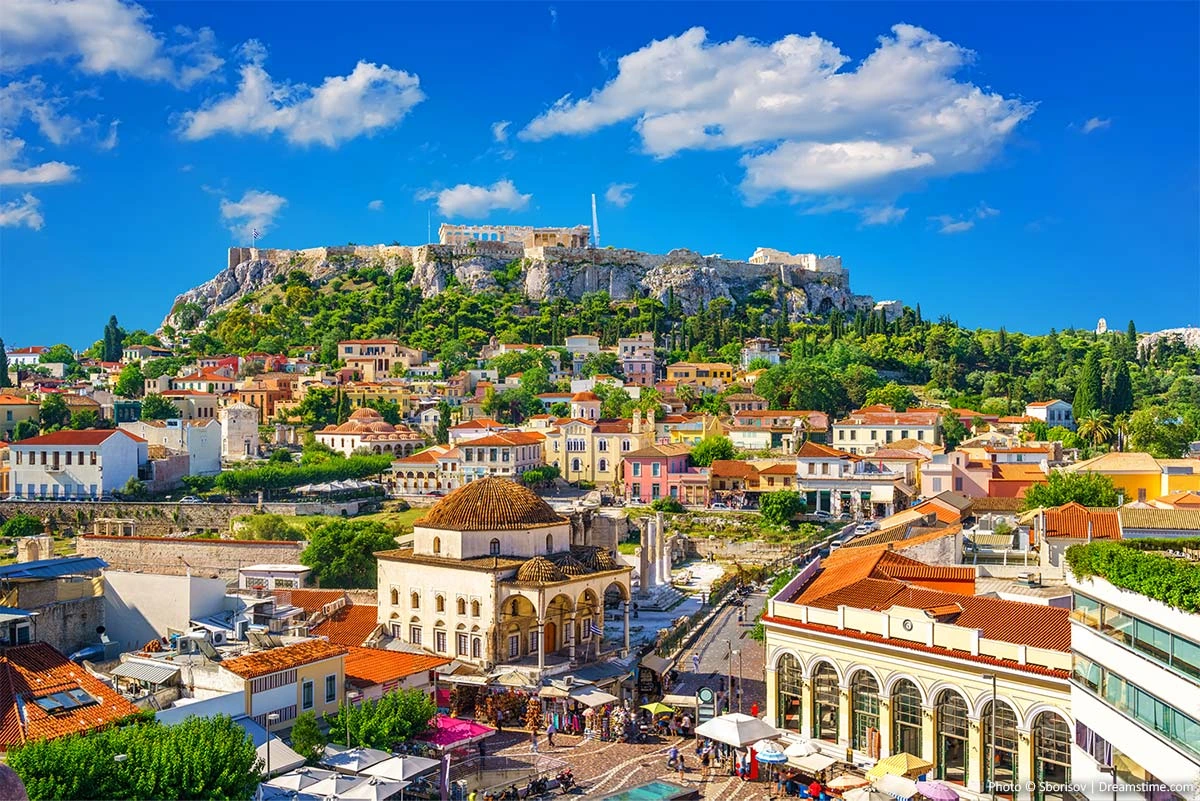
Greece takes the number one position in the 2026 ranking, and it is easy to understand why the country has such a strong reputation for scenery. Its landscape combines thousands of islands, rugged mountains, clear Mediterranean waters, whitewashed villages and some of the world’s most recognisable ancient monuments.
The Greek islands are perhaps the country’s biggest visual attraction. Santorini is famous for its white buildings, blue-domed churches and spectacular cliffside views over the Aegean Sea, while places such as Mykonos, Crete, Corfu and Zakynthos offer their own combination of beaches, villages and dramatic coastlines.
Greece is not only about islands, though. The mainland has mountain ranges, forests, traditional villages and archaeological sites surrounded by spectacular scenery. The Acropolis in Athens, the ancient ruins of Delphi and the monasteries of Meteora provide a strong connection between Greece’s natural and cultural beauty.
The country’s combination of turquoise water, historic architecture, rugged landscapes and Mediterranean atmosphere gives it an exceptionally varied visual identity.
2. New Zealand
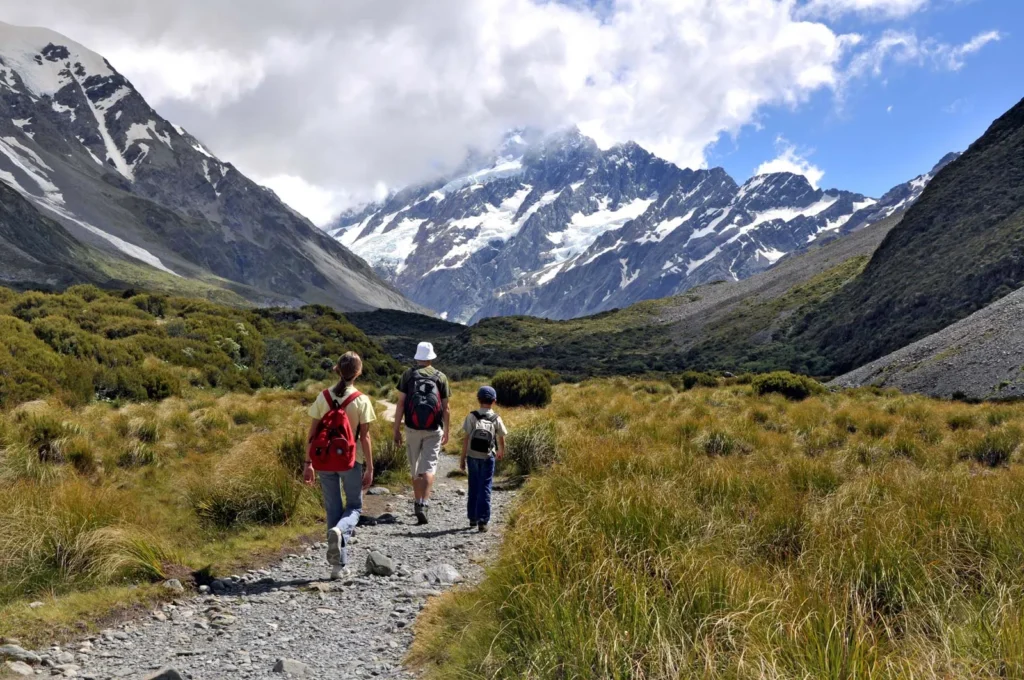
New Zealand is almost designed for travellers who enjoy dramatic natural scenery. The country has mountains, fjords, lakes, beaches, forests, glaciers and volcanic landscapes packed into two main islands.
The South Island is particularly famous for its spectacular scenery. The Southern Alps stretch across the island, while Fiordland National Park contains dramatic waterways surrounded by steep mountains and waterfalls. Milford Sound is one of the country’s best-known natural attractions and is especially impressive when its cliffs are covered by mist and waterfalls.
The North Island offers a very different experience, with volcanic landscapes, geothermal areas, beaches and rolling green countryside. Around Rotorua, visitors can see steaming pools and geothermal features, while areas such as the Coromandel Peninsula provide beautiful coastal scenery.
New Zealand’s landscapes have also become familiar to audiences around the world through film, particularly through the landscapes used for The Lord of the Rings. Its combination of untouched wilderness and geographical variety makes it one of the world’s standout scenic destinations.
3. Italy
Italy combines natural beauty with centuries of architecture, art and history. Few countries can offer such a wide variety of landscapes alongside famous cities and historic towns.
The Italian coastline is a major part of its appeal. The Amalfi Coast is known for colourful towns built into steep cliffs, while destinations such as Cinque Terre and the islands of Sicily, Sardinia and Capri offer beaches, rugged coastlines and Mediterranean scenery.
Further inland, Italy changes dramatically. The Dolomites provide spectacular mountain landscapes, while Tuscany is filled with vineyards, rolling hills and historic villages. The Italian Lakes region adds another type of scenery, with elegant towns and dramatic Alpine backdrops around lakes such as Como and Garda.
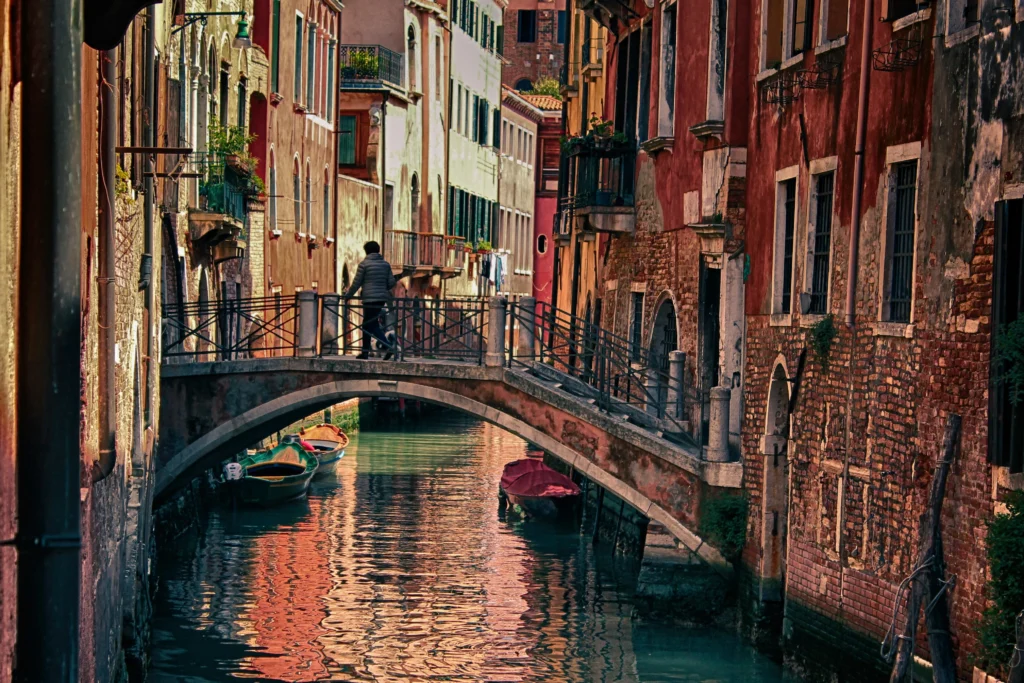
Then there are the cities. Rome, Florence, Venice and Milan each have distinctive architecture and cultural character. Ancient Roman monuments, Renaissance buildings, canals and grand squares give Italy a form of beauty that goes well beyond its natural scenery.

4. Switzerland
Switzerland is one of Europe’s classic mountain destinations, with the Alps providing the backdrop for many of its most recognisable landscapes. Snow-covered peaks, turquoise lakes, green valleys and picturesque villages give the country a particularly polished appearance.
The Matterhorn is perhaps Switzerland’s most famous mountain, while destinations such as Zermatt, Interlaken and Lauterbrunnen offer access to some of the country’s most dramatic scenery. The Swiss Alps also provide spectacular views throughout the year, from snowy winter landscapes to bright green summer meadows.
Switzerland’s lakes add another dimension to its scenery. Lake Geneva, Lake Lucerne and Lake Zurich are surrounded by mountains, towns and villages, creating landscapes that combine natural beauty with carefully preserved settlements.
The country’s cities and towns also contribute to its appeal. Historic centres, traditional wooden chalets and well-kept streets fit naturally into the surrounding landscape, making Switzerland one of the world’s most recognisable Alpine countries.
5. Spain
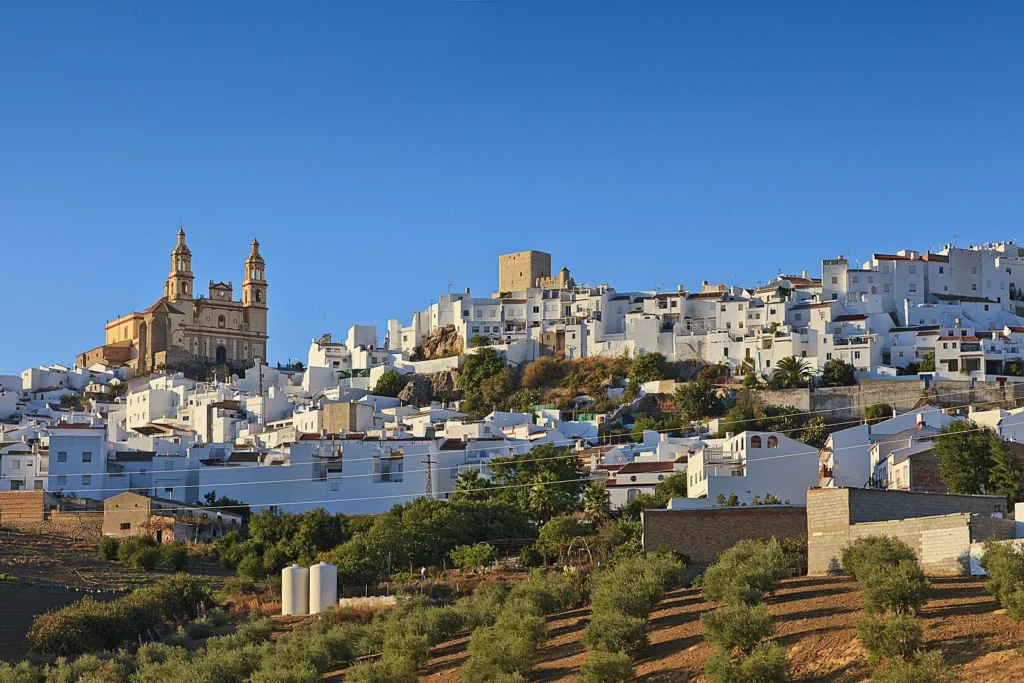
Spain offers an extraordinary range of landscapes, from Mediterranean beaches and islands to mountains, deserts and historic cities. That variety is one of the main reasons it consistently appears in international discussions about beautiful countries.
Barcelona combines distinctive architecture with a coastal setting, while Seville and Granada provide colourful streets, historic buildings and strong Moorish influences. Madrid has grand boulevards, museums and elegant architecture, giving the capital a different kind of visual appeal.
Beyond the cities, Spain has some of Europe’s most popular coastal destinations. The Balearic Islands and Canary Islands offer beaches, cliffs and volcanic landscapes, while the Costa Brava is known for rugged coastline and small seaside towns.
Northern Spain provides yet another experience. The green landscapes of Galicia, Asturias and the Basque Country are very different from the dry scenery found in parts of the south. Add the Pyrenees and the country’s historic villages, and Spain becomes one of Europe’s most geographically diverse destinations.
ALSO READ: Most Beautiful Airports in the World for 2026
6. Thailand
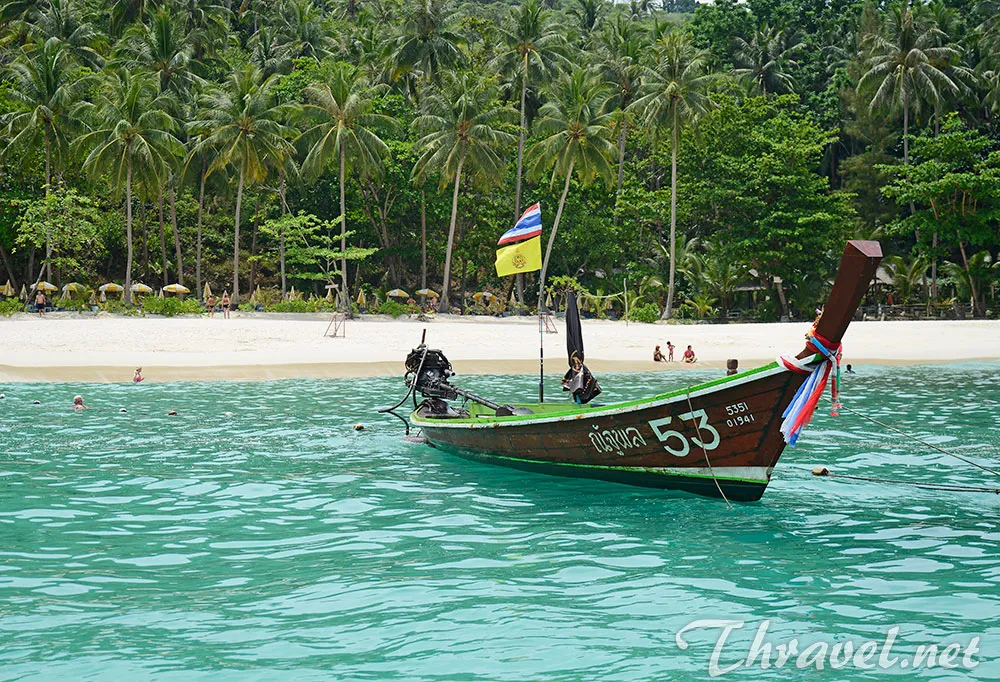
Thailand brings tropical beauty into the top 10, with its beaches, islands, rainforests and distinctive cultural landscapes. The country’s scenery can change dramatically from one region to another.
The islands and southern coastline are among Thailand’s biggest attractions. Phuket, Krabi, Koh Samui and the Phi Phi Islands are known for clear water, limestone cliffs, sandy beaches and tropical vegetation. Places such as Railay are particularly striking because of the enormous limestone formations rising directly from the sea.
Northern Thailand offers a completely different atmosphere. Chiang Mai and the surrounding mountains provide green valleys, forests and traditional communities, while national parks reveal waterfalls, caves and dense tropical landscapes.
Thailand’s cultural beauty is equally important. Buddhist temples, ornate palaces, colourful markets and historic cities add architectural detail to the country’s natural scenery. The combination of tropical landscapes and distinctive cultural traditions makes Thailand particularly varied.

7. Norway
Norway is famous for some of the most dramatic natural scenery in Europe. Its deep fjords, towering mountains, waterfalls and long coastline create landscapes that often appear almost untouched.
The Norwegian fjords are the country’s defining feature. Geirangerfjord and other major fjord regions combine steep cliffs with deep blue or green water, creating spectacular views from both the shoreline and the surrounding mountains.
Norway also has beautiful islands and coastal landscapes. The Lofoten Islands are particularly well known for their sharp mountains, fishing villages and beaches, while the northern parts of the country provide opportunities to experience the Arctic landscape.
During the darker months, northern Norway can also provide views of the Northern Lights, adding another remarkable natural phenomenon to its already impressive scenery. In summer, long daylight hours transform the same landscapes into a completely different experience.
8. Iceland
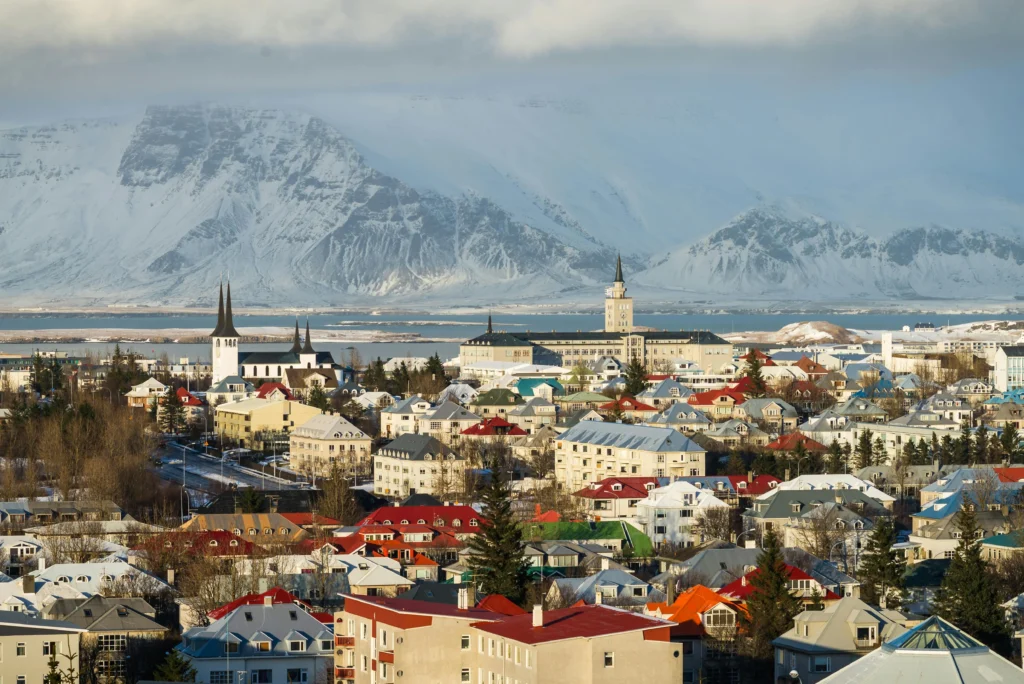
Iceland has a type of beauty that is very different from the Mediterranean or Alpine countries higher on this list. Its landscapes are shaped by volcanic activity, glaciers, geothermal forces and powerful Atlantic weather.
The country is famous for waterfalls, black-sand beaches, lava fields and glaciers. Popular areas around the Golden Circle showcase geysers, waterfalls and geological features, while the southern coast is known for dramatic cliffs and volcanic scenery.
Iceland’s waterfalls are among its most memorable attractions. Skogafoss and Seljalandsfoss are particularly famous, while the country’s many smaller waterfalls can appear unexpectedly along roads and hiking routes.
The volcanic nature of Iceland is visible almost everywhere. Dark lava fields, steaming geothermal areas and rugged mountains give the country an otherworldly appearance. In winter, the possibility of seeing the Northern Lights adds another layer to its appeal.

9. Australia
Australia’s enormous size means that it contains an extraordinary variety of landscapes. The country has tropical rainforests, coral reefs, beaches, deserts, mountains, eucalyptus forests and dramatic coastal cliffs.
The Great Barrier Reef is one of Australia’s most famous natural attractions, offering colourful marine life and tropical waters along the Queensland coast. Further inland, the landscape changes completely, with vast open spaces and iconic red-rock formations such as Uluru.
Australia’s coastline is another major source of its beauty. Sydney combines a famous harbour with beaches and modern architecture, while the Great Ocean Road provides dramatic coastal scenery and towering limestone formations.
The country’s wildlife also contributes to its distinctive identity. Kangaroos, koalas, wombats and many other species are closely associated with Australia, while its national parks provide opportunities to experience the country’s natural environments at a much closer level.
10. Austria
Austria completes the top 10 with a combination of Alpine scenery, historic architecture, lakes and picturesque towns. The Austrian Alps dominate much of the country’s visual identity, particularly in regions such as Tyrol and Salzburg.
Mountain villages surrounded by green meadows and snow-covered peaks are among Austria’s most recognisable scenes. During winter, the same landscapes become major destinations for skiing and other snow-based activities.
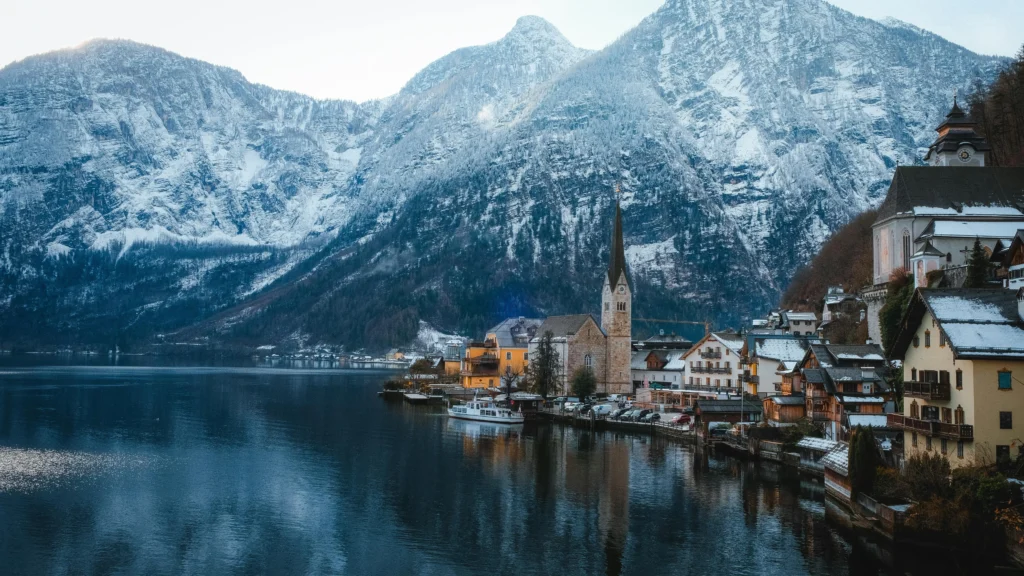
Austria’s lakes provide a softer contrast to its mountain scenery. The Salzkammergut region is particularly well known for clear lakes, forested hills and attractive villages, with Hallstatt becoming one of the country’s most photographed destinations.
Vienna adds a completely different dimension. Grand imperial buildings, palaces, museums and elegant streets give the capital a historic character that complements the country’s natural landscapes. Salzburg, meanwhile, combines baroque architecture with a spectacular mountain setting.
What Makes These Countries So Beautiful?
One of the most interesting things about this top 10 is that there is no single definition of beauty behind it. Greece stands out for its islands and Mediterranean scenery, while New Zealand is famous for wilderness and dramatic geographical contrasts. Italy and Spain combine scenery with historic cities, architecture and cultural heritage.
Switzerland, Norway and Austria demonstrate the visual appeal of mountain landscapes, while Iceland offers volcanic terrain and glaciers. Thailand provides tropical beaches and rainforests, and Australia adds enormous geographical variety ranging from reefs to deserts.
This diversity is what makes international beauty rankings so subjective. A traveller who prefers beaches may be naturally drawn towards Greece or Thailand, while someone interested in mountains may favour Switzerland, Norway, Austria or New Zealand. Those looking for history and architecture may find Italy or Spain more appealing.
Rather than one type of scenery dominating the list, the 2026 selection shows how many different forms beautiful landscapes can take.
Bottom Line
The top 10 most beautiful countries in the world in 2026 cover almost every major type of landscape a traveller could want to experience. Greece leads with its combination of islands, beaches, mountains and ancient heritage, while New Zealand follows with spectacular wilderness and geographical diversity.
Italy, Switzerland and Spain add a mixture of natural scenery and cultural attractions, while Thailand provides tropical landscapes and Norway delivers some of Europe’s most dramatic fjords. Iceland brings volcanic beauty, Australia offers enormous geographical variety, and Austria rounds out the list with its Alpine landscapes and historic towns.
Ultimately, beauty depends heavily on personal taste. This ranking is best viewed as a guide to countries that stand out for their scenery and visual character rather than as an absolute measurement of beauty.
FAQs
Greece is ranked first in the 2026 World Population Review list of the most beautiful countries, followed by New Zealand and Italy.
Several countries on the list are exceptionally diverse. Australia has beaches, reefs, deserts, forests and mountains, while New Zealand combines fjords, mountains, lakes, beaches and volcanic landscapes.
There is no objective answer, but the 2026 ranking places Greece, Italy, Switzerland, Spain, Norway, Iceland and Austria among the world’s top 10 most beautiful countries.
Stay tuned with us. Further, follow us on social media for the latest updates.
Join us on Telegram Group for the Latest Aviation Updates. Subsequently, follow us on Google News
